REVIEW · NARBONNE
Sean’s Wine Tasting Events
Book on Viator →Operated by Sean Roe · Bookable on Viator
Sean Roe’s wine tasting is more than a lineup of glasses. Over about three hours in Narbonne, you work through six wines, each chosen to show a different style, region, or winemaking idea. Sean draws on 20 years in the wine business and WSET qualifications, but the tone is social rather than stiff.
I like the mix of clear wine basics and unusual subjects, from bottle labels and food pairing to wine in art, literature, and song. I also like that you can request a country or style, such as French wines, Italian wines, rosé, fortified wine, or sparkling wine. The main consideration is that this is a private experience, so the final theme and group atmosphere depend on your party and the availability confirmed after booking.
In This Review
- Key points to know before booking
- Six wines that give the evening its shape
- From geography and geology to what reaches the glass
- Choosing a regional theme from France to Hungary
- Exploring rosé, fortified wine, and bubbles
- Food pairing that you can use at home
- Organic, biodynamic, vegan, and hypoallergenic wine
- Wine labels, vineyard secrets, and avoiding a hangover
- Sean Roe’s teaching style and group atmosphere
- Is $52.36 a fair price for three hours?
- Who will enjoy this Narbonne tasting?
- My advice on booking Sean’s Wine Tasting Events
- FAQ
- Where does Sean’s Wine Tasting Event take place?
- How long does the wine tasting last?
- How many wines are included?
- Who leads the tasting?
- Can I request a wine country or theme?
- Which wine styles can be explored?
- Is this a private activity?
- How much does the experience cost?
- Can I cancel for a full refund?
Key points to know before booking
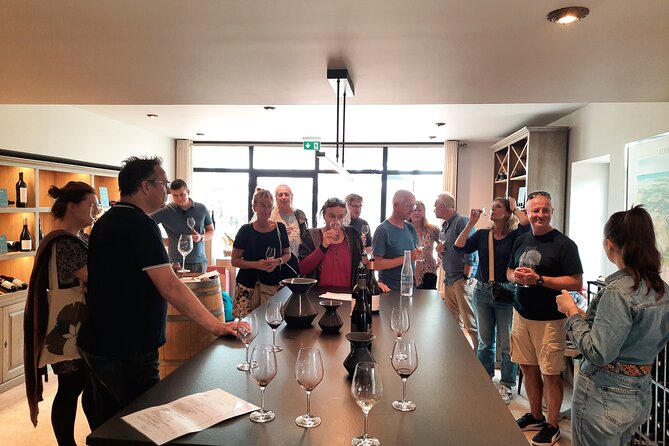
- Six wines, six teaching moments: The tasting uses contrasting bottles to explain different wine styles, regions, grapes, and production methods.
- Sean Roe leads the session: His WSET qualifications and two decades in the wine trade shape the discussion.
- Choose a theme: You can focus on Wine 101, a country such as France or Germany, a wine style, or food pairing.
- A social private format: Only your own group takes part, making it useful for a team event, celebration, or relaxed evening with friends.
- Narbonne start and finish: The meeting point is in 11100 Narbonne, near public transportation, and the activity returns to the same meeting point.
- Plan for about three hours: At $52.36 per person, the value depends on how much you want from guided instruction as well as the tasting itself.
Six wines that give the evening its shape
The basic format is simple: six wines, each showing a different style, with an explanation of what is in the glass and why it matters. That structure works well for beginners because you can compare one wine with the next instead of trying to remember a long lecture.
You can expect discussion of how to taste, how to serve wine, how to store it, and how to drink it sensibly. These are practical skills you can use the next day, when you face a restaurant list or a shop shelf full of unfamiliar bottles.
The tasting is not limited to the most familiar grape names. Sean can explain ampelography, the study of grape varieties, along with oenology, the study of winemaking. You do not need to know either term before arriving. They simply give a more precise way to understand why grapes, climate, soil, fermentation, and cellar methods produce different results.
The six-wine format also helps keep the session lively. You are not asked to spend three hours with one narrow subject unless you choose a style-focused event. In the Wine 101 format, each glass serves as an example, giving the discussion a natural rhythm.
One practical point is worth keeping in mind: the supplied information does not name the six wines in advance. If you have a strong preference or an allergy concern, raise it when arranging the experience rather than assuming a particular bottle will appear.
You can also read our reviews of more food & drink experiences in Narbonne

From geography and geology to what reaches the glass
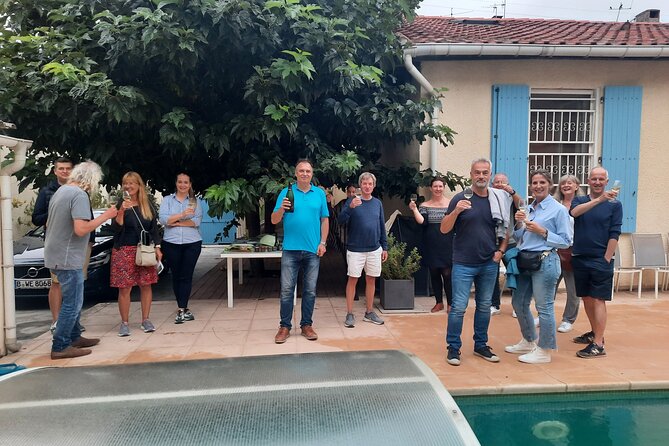
Wine can seem mysterious when it is described only with flowery tasting words. Sean’s approach gives you a more useful framework by connecting the wine to place, grape, and method.
A regional session may take you through one country, such as France, Italy, Germany, or Hungary. That does not mean a sightseeing route through vineyards. It means a country-wide tasting theme, using wines to compare the traditions and growing conditions of different areas.
The geography and geology section is especially useful if you want to understand why two wines made from similar grapes can taste different. Soil, elevation, climate, and local customs all affect the final bottle. You may find that the discussion gives you a better reason for choosing a wine than simply remembering a famous region name.
Sean also covers the history of grape growing and fermentation. This adds context without requiring you to study wine before the event. Fermentation is the basic change that turns grape juice into wine, but the choices made around it help explain the range of styles you taste.
The session can also touch on traditions, myths, and customs connected with viticulture. That is a good fit for people who like the human side of food and drink. Wine is not only chemistry and agriculture. It is also shaped by local habits, old beliefs, trade, art, and social life.
Choosing a regional theme from France to Hungary
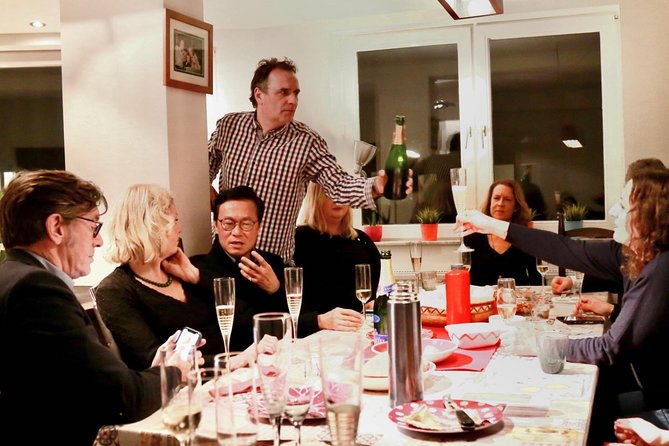
If you already have a favorite country, ask for a regional theme. France may suit someone who wants a broad introduction to classic European wine regions. Italy, Germany, and Hungary offer different traditions and grape varieties, giving Sean room to show how wine culture changes from one place to another.
The value here is comparison. A country-focused evening can help you spot the difference between regional identity and personal taste. You may learn that you prefer a certain style of acidity, sweetness, body, or aroma even when the label is unfamiliar.
A regional theme is also useful for trip planning. If you are spending time in France or another wine-producing country, the session can give you enough background to order with more confidence. It will not replace a vineyard visit, and the supplied details do not promise travel to individual wineries. Think of it as a guided tasting conversation based in Narbonne.
You can also make a special request. The exact selection depends on availability, so contact Sean before booking if you want a particular country or a tightly focused subject. That advance conversation matters more for an experienced wine drinker than for a beginner, since you will want to avoid a session that repeats what you already know.
Exploring rosé, fortified wine, and bubbles
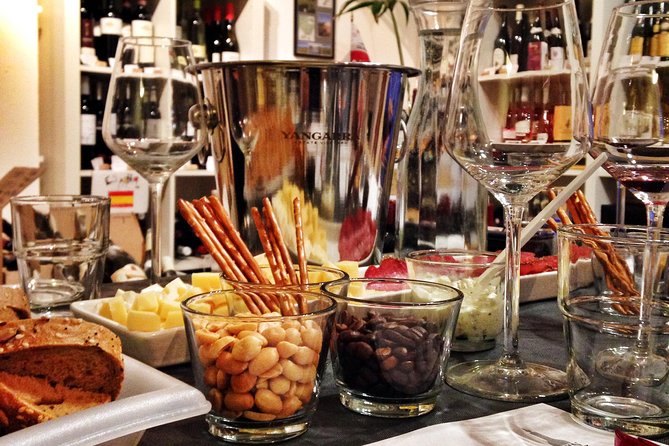
The wine-style option focuses on one category and compares six examples within it. Possible subjects include rosé, fortified wine, or sparkling wine. This format is a smart choice if you already understand the basics but want to see how much variety exists inside one style.
Rosé, for example, is not one single taste. Different methods and grapes can produce very different results. A six-wine comparison lets you consider those differences directly rather than relying on a short description.
Fortified wine opens another set of questions about alcohol, sweetness, serving, and aging. Sparkling wine brings its own issues of bubbles, production, and food use. The key benefit is that Sean can explain the category while you taste examples side by side.
The information provided does not specify which brands, vintages, or regions will be served. Wine changes with availability, so treat the named styles as examples of possible themes, not a fixed promise. If one style matters to you, confirm the plan before the event.
Food pairing that you can use at home
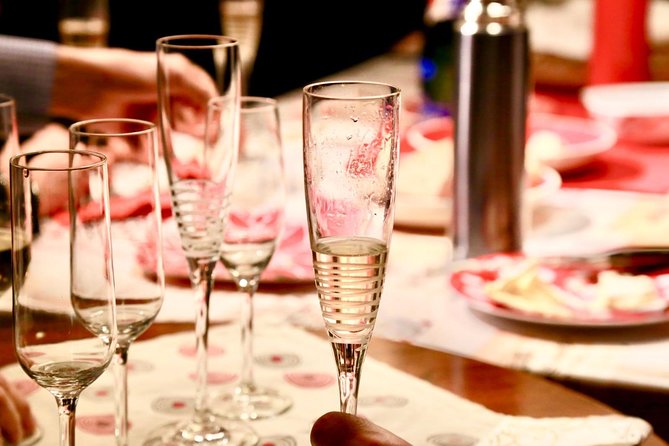
The food-pairing theme looks at why certain wines work better with certain foods. This is more helpful than a rigid list of rules because pairing depends on the balance between the dish and the wine.
Sean can discuss cheese and other food pairings as part of the tasting. The key question is not simply which wine is considered correct. It is how sweetness, acidity, weight, salt, richness, and flavor intensity affect the match.
For you, the practical payoff is confidence. You may leave with a better sense of why a crisp wine can suit one dish while a fuller or sweeter wine works better with another. You can use that knowledge at a restaurant, during a dinner party, or when selecting a bottle for a simple meal.
Do not assume from the pairing topic alone that a full meal is included. The experience description promises instruction about cheese and other pairings, but it does not spell out the amount or type of food served. Ask Sean what is included if that detail affects your decision.



Organic, biodynamic, vegan, and hypoallergenic wine
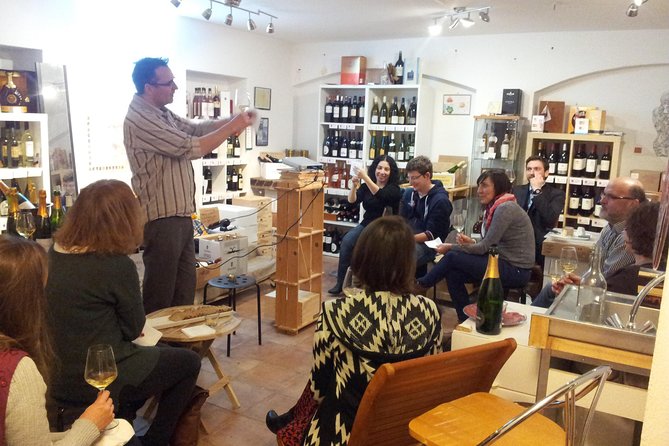
Modern wine labels often raise questions that go beyond grape and region. Sean can explain which wines are organic, biodynamic, vegan, and hypoallergenic, helping you understand what those terms mean in practice.
This is a useful subject for people with dietary preferences or ingredient concerns. It can also correct common assumptions. A wine may look natural or traditional without fitting every one of these categories, and a label may not tell you everything you want to know.
The word hypoallergenic deserves special care. If you have a medical allergy or a serious sensitivity, use the tasting as general education, not as a substitute for checking each bottle and speaking directly with the provider. The supplied information says the topic is covered, but it does not promise that every dietary requirement can be met.
The same advice applies to vegan wine. Ask about the specific bottles planned for your event if this is important to you. The experience offers an explanation of the category, but the final selection may vary.
Wine labels, vineyard secrets, and avoiding a hangover
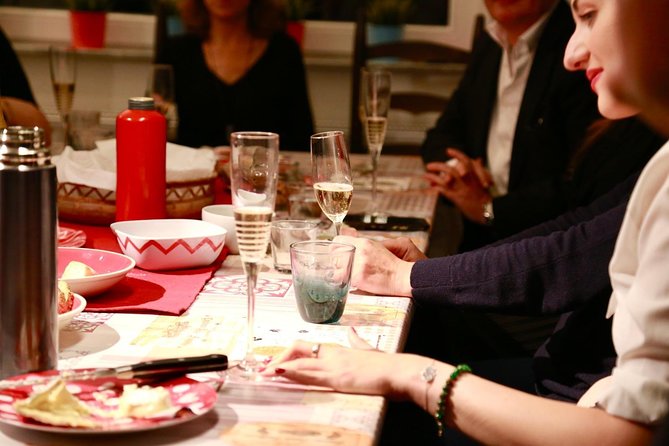
Bottle labels can be confusing, especially when they emphasize a region, producer, grape, vintage, or local classification in different ways. Sean’s label discussion aims to make the bottle easier to read and the buying decision less intimidating.
You can also hear about the less obvious side of vineyard work and the traditions that surround it. These details help turn a bottle from a piece of packaging into a record of farming, place, and human choices.
The promised advice on avoiding hangovers adds a light practical touch. It fits the setting, since a three-hour tasting can involve six wines. You should still plan to taste responsibly. The details provided do not state how much wine is poured, and they do not mention transportation after the session, so do not count on the tasting to solve every end-of-evening logistics question.
A mobile ticket makes arrival easier, but you should still check the meeting instructions and local time before setting out. The start and end point is in 11100 Narbonne, and the activity finishes back there.
Sean Roe’s teaching style and group atmosphere
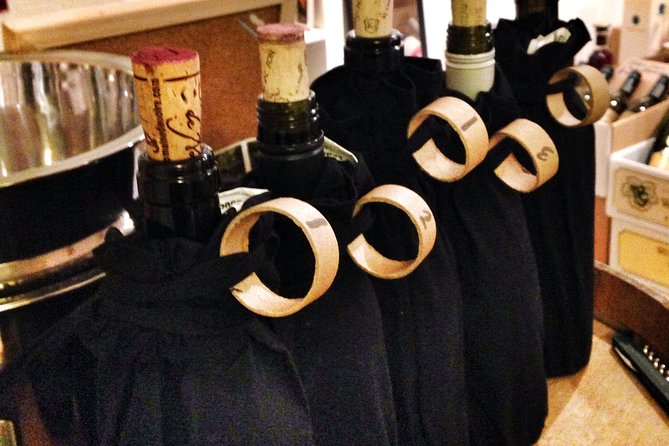
Sean is the guide and host. His background includes 20 years in the wine business and WSET qualifications, giving him both professional training and years of first-hand experience to draw on.
The strongest feature of the experience is the way the information is delivered. Sean’s stories and wine lore keep the subject from becoming a technical classroom lecture. The tone is relaxed, and the available feedback describes him as entertaining, passionate, and able to introduce lesser-known wines without making the evening feel formal.
That combination suits mixed groups. A beginner can ask basic questions about tasting or labels, while a more experienced drinker can request a country, style, or unusual topic. The private format helps here because only your group participates. You are not being placed with a large public crowd whose interests may be completely different.
There is a tradeoff. A private group is ideal if you want time with friends or colleagues, but it may feel less socially varied than an open tasting where you meet strangers. The experience is also described as suitable for team-building, so the tone may depend on how your group chooses to use the evening.
Is $52.36 a fair price for three hours?
The listed price is $52.36 per person for roughly three hours. That is not simply the cost of six samples. You are also paying for a guided explanation of wine regions, production, tasting, labels, food pairing, and the cultural stories behind the drink.
For a beginner, the value is strongest if you want practical instruction rather than a quick sip-and-move-on tasting. You can ask questions, compare styles, and build a vocabulary that may save you money on future bottles. The private format adds value for a birthday, small celebration, or work gathering.
For a serious wine enthusiast, the price depends on the theme. A broad Wine 101 session may repeat familiar material, while a special request focused on a region or style could make the time more worthwhile. Contact Sean about your interests before booking so you do not pay for an introduction you no longer need.
The final wine selection is not listed, and the food component is described as pairing instruction rather than a full meal. Those unknowns make the price harder to judge in the same way as a restaurant dinner. I would book it for the teaching and personal attention, not for the expectation of a large quantity of wine or food.
Who will enjoy this Narbonne tasting?
I would recommend Sean’s event to:
- First-time wine tasters who want a friendly introduction
- Couples or friends looking for a social evening with a clear subject
- Small private groups planning a celebration
- Work teams seeking a relaxed team-building activity
- Wine drinkers who want to compare one country or style
- People curious about organic, biodynamic, vegan, or hypoallergenic wine
It may be less suitable if you want a vineyard tour, a fixed list of famous estates, or a full meal. No individual winery visits are described, and the bottle selection can change with the chosen theme and availability.
It also may not fit someone who dislikes group discussion. Even though the event is private, Sean’s format centers on explanation, stories, and questions. You should expect an interactive learning evening rather than silent tasting.
Booking confirmation arrives within 48 hours, subject to availability. The experience requires a minimum number of participants, and if that minimum is not reached, you are offered another date or experience, or a full refund.
My advice on booking Sean’s Wine Tasting Events
Book this if you want a guided wine evening with personality, especially in a private group. Sean’s mix of professional training, long experience, wine lore, and relaxed presentation gives the event more depth than a basic six-glass sampling.
Before you commit, decide what you want to learn. Choose Wine 101 for a broad start, request a country for regional comparison, or choose a style such as rosé, fortified wine, or bubbles if you want a tighter focus. Ask in advance about the planned bottles and any food or dietary needs.
At $52.36 per person, the event is a fair choice when the teaching matters as much as the wine. If that sounds like your kind of evening, Narbonne provides a practical meeting point, and the three-hour format gives Sean enough time to make the subject both useful and fun.
FAQ
Where does Sean’s Wine Tasting Event take place?
The experience starts at 11100 Narbonne, France. It is near public transportation and ends back at the meeting point.
How long does the wine tasting last?
The activity lasts approximately three hours.
How many wines are included?
The Wine 101 format includes six wines, with each wine showing a different style and serving as the focus of an explanation.
Who leads the tasting?
Sean Roe leads the event. He draws on 20 years in the wine business and WSET qualifications.
Can I request a wine country or theme?
Yes. Themes can include France, Italy, Germany, or Hungary. You can also request a special subject by contacting Sean.
Which wine styles can be explored?
Possible style themes include rosé, fortified wine, and sparkling wine. The event can also focus on food pairing or general wine tasting.
Is this a private activity?
Yes. Only your group participates in the activity.
How much does the experience cost?
The listed price is $52.36 per person.
Can I cancel for a full refund?
Yes. You can cancel at least 24 hours before the experience start time for a full refund. Cancellations or changes made less than 24 hours before the start time are not accepted for a refund.