REVIEW · CARGESE
Cargèse: Scandola, Girolata, and Piana Afternoon Boat Tour
Book on GetYourGuide →Operated by Croisieres Grand Bleu · Bookable on GetYourGuide
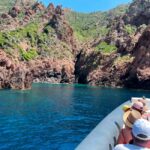
Red rocks and blue water, with caves close enough to feel. This route along Corsica’s west coast mixes Scandola Nature Reserve volcanic sights with a real break in Girolata for swimming or wandering. I love the captain’s practical explanations as you pass tight coves, but you should know the full 5 hours can feel long if you get cold or wind-prone.
What makes this outing especially good value is that you’re not just “looking from far away.” The cruise is set up for close navigation, with drinks on board, toilets, and built-in shade/spray protection. You’ll also get a solid photo sequence: red rock stops in the afternoon light, then the sunset colors for the return.
If your French matters a lot, keep this in mind. Even though the tour lists French and English live guidance, at least one departure has been noted as French-forward, so plan accordingly.
In This Review
- Key takeaways before you book
- Why this Cargèse–Scandola–Piana loop is so compelling
- Getting started at Croisières Grand Bleu in Cargèse
- Omigna Tower and Plage d’Arone: the morning’s equivalent, but as a warm-up
- Capo Rosso: the caves, the arch, and that monastic-seal blue
- Practical tip for Capo Rosso
- Inside Scandola: volcanic rock faults and Gargalo’s edge of Corsica
- Girolata: a short, authentic land stop for swimming or walking
- How to choose on the ground
- Calanques de Piana at sunset: red rock that changes minute by minute
- Price and time: is $74 really good value?
- What to bring (and what to wear) for a comfortable sea day
- Who this tour fits best (and who might want a different option)
- Should you book this Cargèse afternoon boat tour?
- FAQ
- How long is the tour?
- What does the price include?
- Where does the tour start and end?
- Is swimming included?
- How much time do I get in Girolata?
- What language is the guide?
- What should I bring?
- Is the boat equipped for basic comfort?
- What if the weather is bad?
- Is food included?
Key takeaways before you book
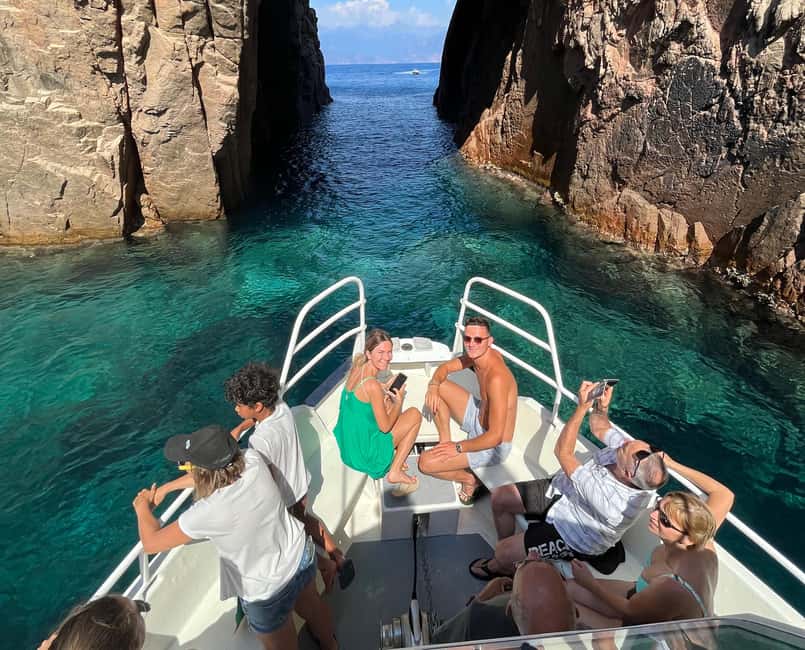
- Small-coast route, close navigation: you’ll move through caves and coves without feeling stuck at a distance.
- Scandola’s volcanic faults up close: the rock formations are the main event, explained as you pass them.
- Girolata stop that actually lets you do something: swim, rest, or walk toward an old fort area.
- Calanques de Piana for sunset photos: the red rock shifts color as the day ends.
- Bring swim gear even if conditions vary: a water stop is planned, but it depends on season and sea state.
- Five hours is a real time chunk: it’s worth it for many people, but plan your energy for an afternoon at sea.
Why this Cargèse–Scandola–Piana loop is so compelling
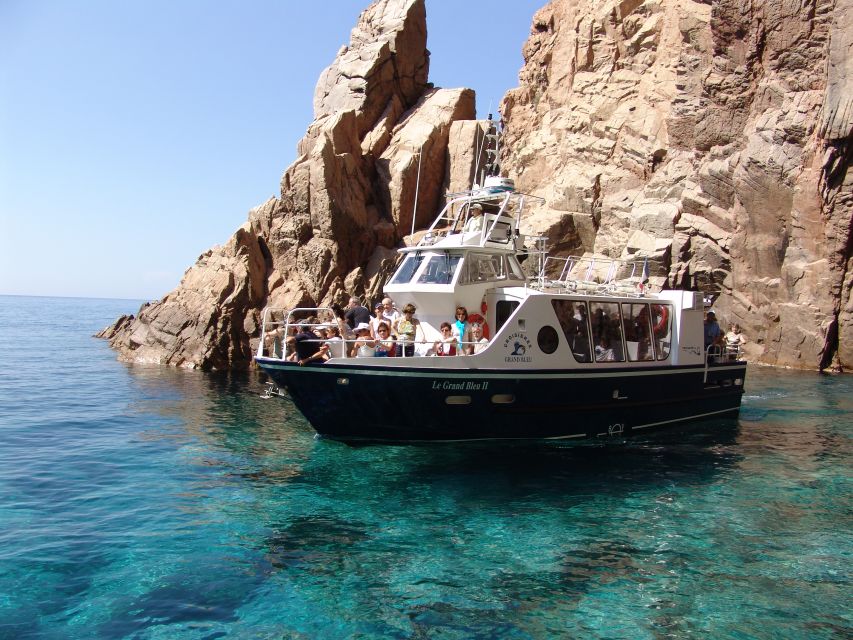
Corsica’s west coast has a particular look: steep cliffs, quick color changes in the rocks, and water that turns clear fast when the sea calms. This tour uses that geography well. You’re guided through the big-name areas—Scandola, Girolata, Piana’s calanques—while keeping enough time for short land breaks and swimming.
Two things I especially like about this format: you get guided interpretation while you’re still seeing the features in motion, and you get multiple “photo windows” across the afternoon rather than one rushed stop. The timing matters here, because the red rocks respond dramatically to late-day light.
You can also read our reviews of more boat tours in Cargese
Getting started at Croisières Grand Bleu in Cargèse
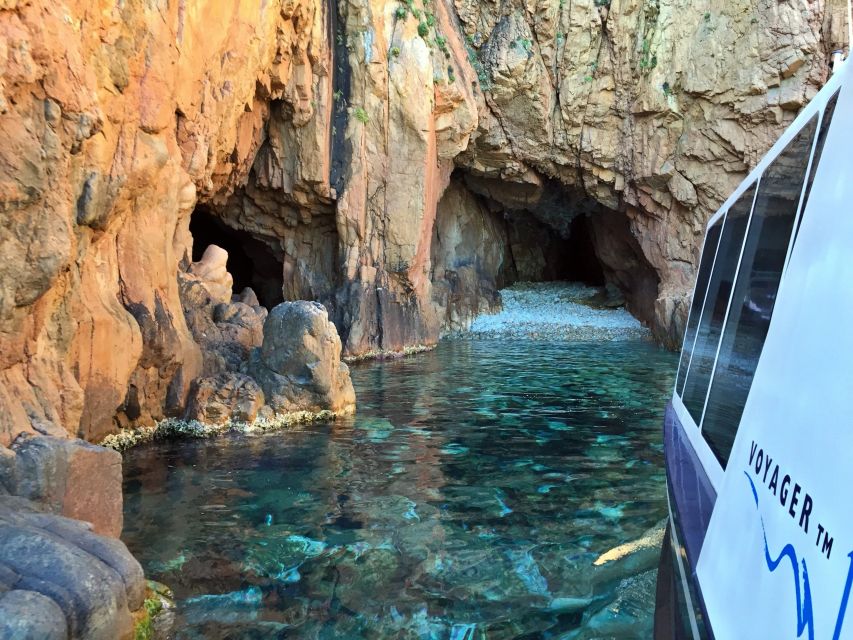
You meet at the port of Cargèse, under the cemetery, in front of the ticket office for Croisière Grand Bleu. There’s free parking near the port, which makes it easier to roll in without a stressful hunt for a spot.
Once aboard, the basics are handled: the boat has toilets and shelter from sea spray, plus shade to make the middle of the ride more comfortable. You’ll also have drinks on board, which helps because the stops are short and the day is built around scenery, not meals.
Omigna Tower and Plage d’Arone: the morning’s equivalent, but as a warm-up
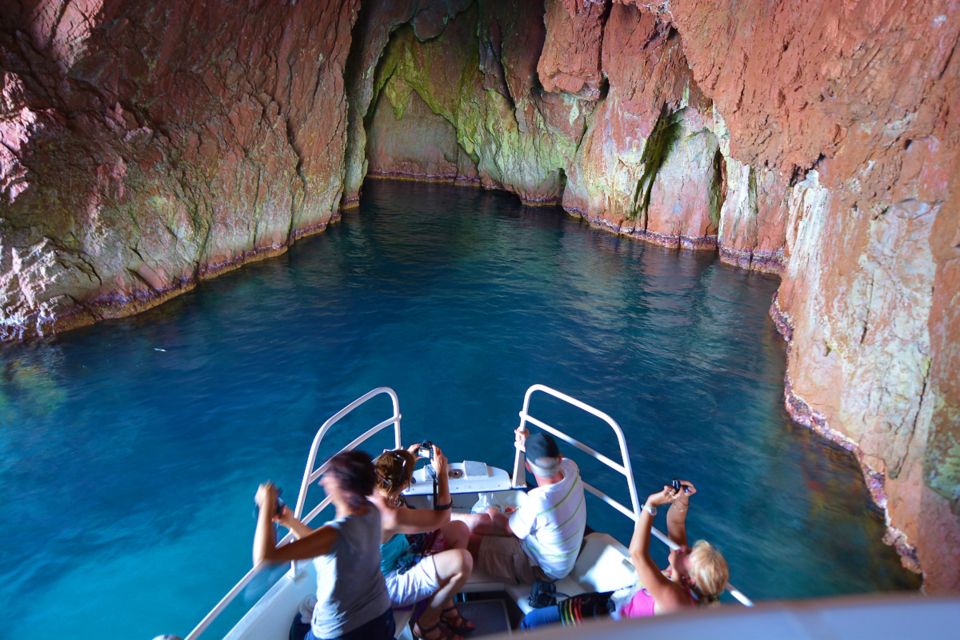
The first stretch is about setting context. You start with a photo stop and guided tour tied to the Omigna tower—renovated a few years ago—so you learn what you’re looking at before the cliffs start feeling dominant.
Then you head toward Arone, including a photo stop along the long sandy stretch at Plage d’Arone. This part isn’t the “wow of the day” yet, but it’s a useful reset: you’re out on the water, the boat settles, and you get your bearings before the route starts threading through rock features.
Capo Rosso: the caves, the arch, and that monastic-seal blue
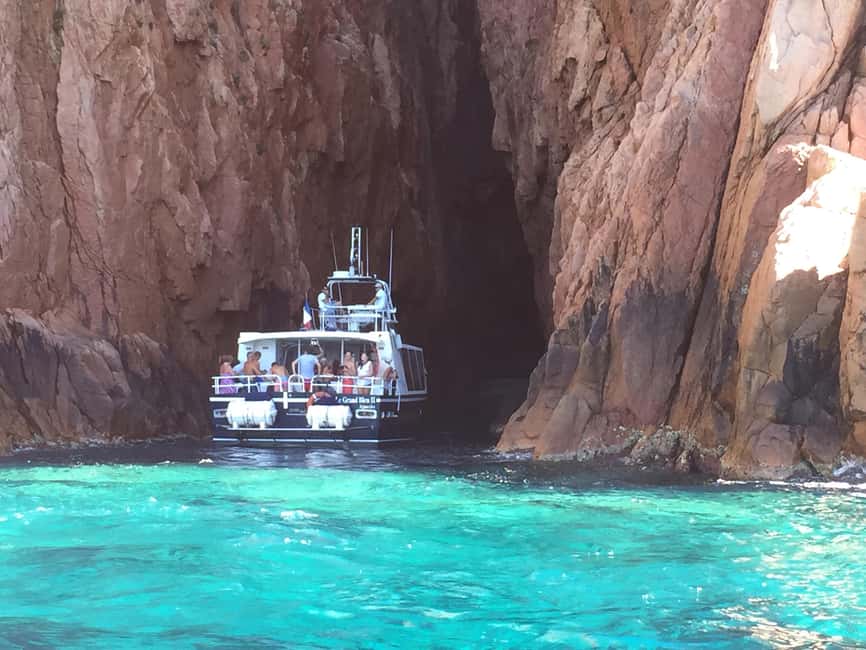
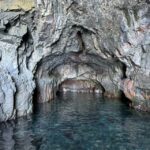
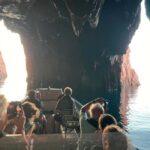
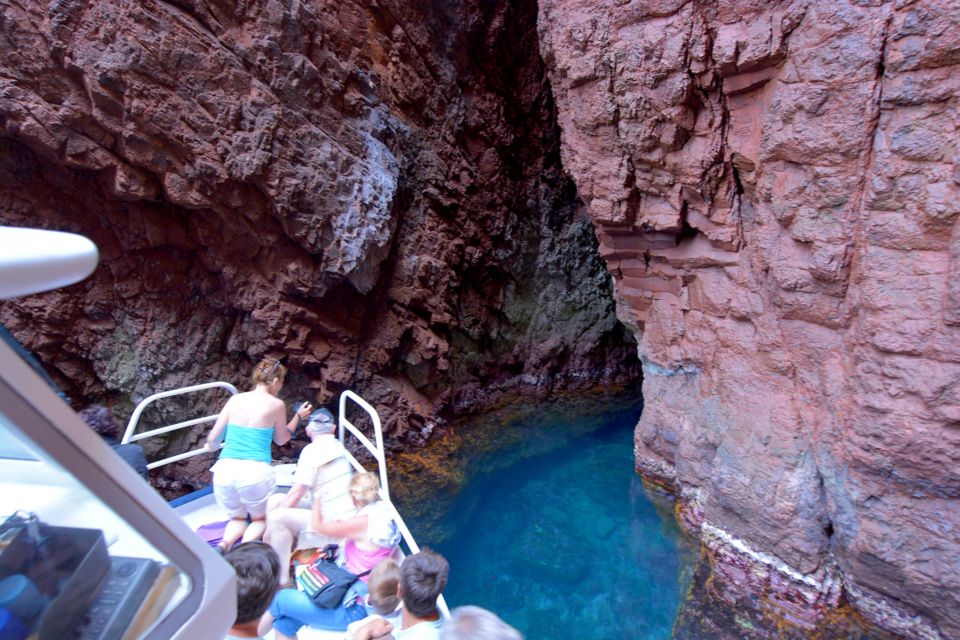
Capo Rosso is where the cruise earns its reputation. You’ll pass a tiny cave right near where the rock shifts color, and you’ll see how quickly the coastline changes palette—especially when the sun catches the cliffs.
The tour also targets clear-water moments. The water transparency is part of the experience: you can often see the seabed rather than just guessing what’s under you. There’s also a bay tied to monk seals that’s nicknamed a kind of swimming pool because of how intensely blue it can look.
From there, you go through the Arch of Capo Rosso and keep moving along the coast. You’ll also get wildlife references as you travel—like protected fish-eagle nests—plus an overview of the kind of seabed habitat the captain expects you might glimpse in the faults and sheltered areas.
Practical tip for Capo Rosso
If you want photos, aim to be ready before the boat turns sharply. The best shots often happen during short pauses or as the captain angles the boat for close passing.


Inside Scandola: volcanic rock faults and Gargalo’s edge of Corsica
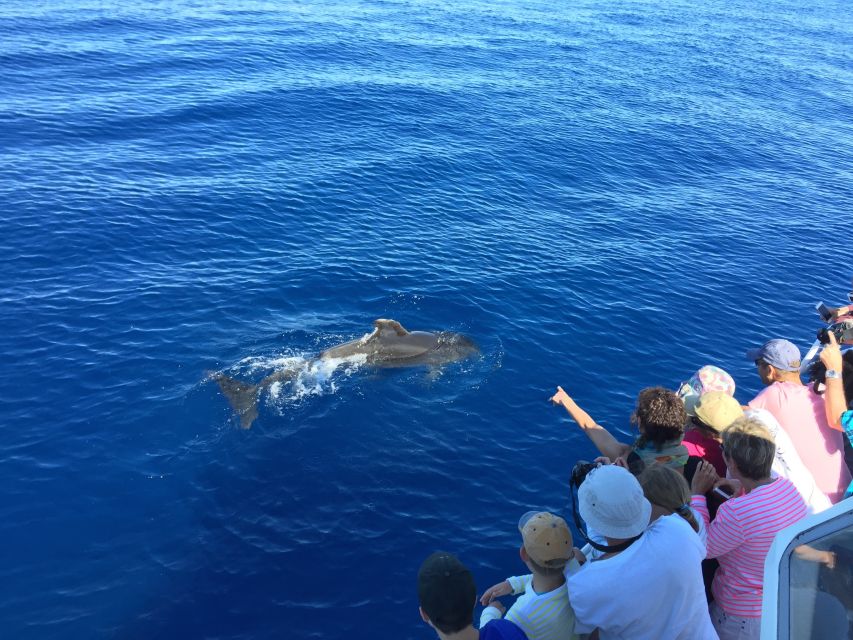
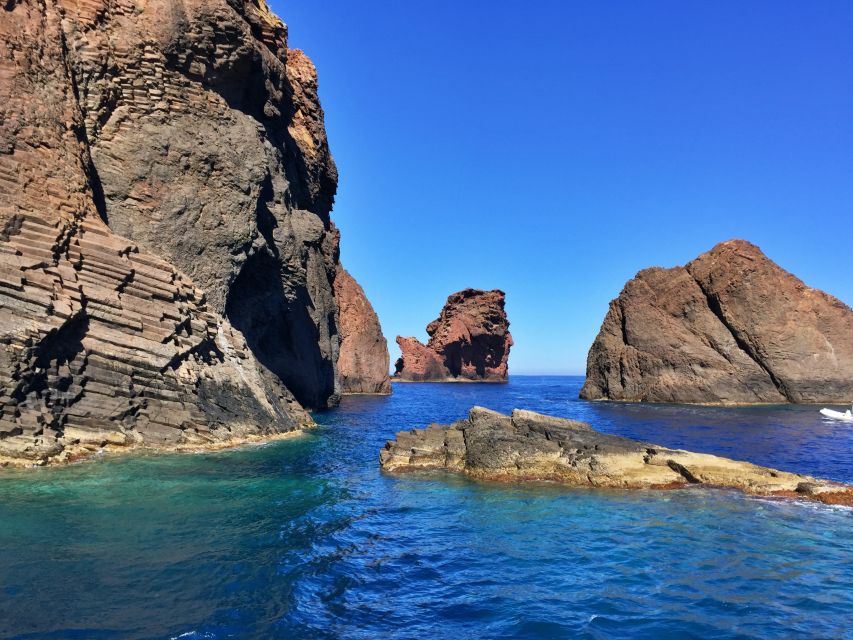
Scandola Nature Reserve is the anchor of the afternoon. The key idea you’ll hear is that this rugged scenery comes from volcanic origins—described as an ancient volcano that collapsed—and the result is a coastline carved into faults and unusual shapes.
As you enter the reserve area, you’ll move into the rock’s “faults,” which is where the geology stops being abstract. The captain’s commentary ties the shapes to how the rock behaves and how the coastline evolved, so you’re not just looking at dramatic walls—you’re understanding why they look like they do.
The route also extends out toward the island of Gargalo, described as the extreme west point of Corsica. That’s one of those moments where you feel how far west you really are, especially when the cliffs tighten and the horizon feels open and exposed.
You may also get hints on what the captain is watching for. The tour includes an effort to spot fish associated with the faults—grouper is specifically mentioned—plus other species you might encounter in the protected pockets.
Girolata: a short, authentic land stop for swimming or walking
Then comes the land break. Girolata is small and authentic partly because it’s not an easy car-access destination—people reach it by boat or on footpaths. That “not-for-everyone-by-road” feel is exactly what makes the stop feel real instead of like a quick photo pit stop.
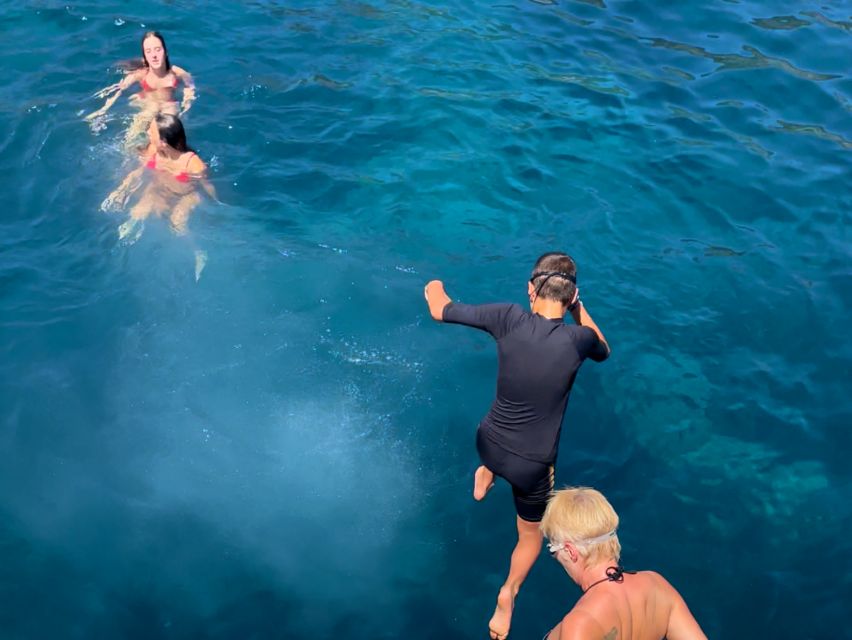
The schedule is listed as a 40-minute stop in Girolata, and the itinerary also shows time for photo stops and free time on land (up to about two hours depending on the day). Either way, the idea is the same: you get enough time to either swim (when conditions allow) or take a slow wander toward the old fort area, plus time to rest on the beach.
How to choose on the ground
- If you get seasick easily, prioritize walking slowly and sitting a bit in shade.
- If you want the water time, plan your swim early in the stop. Sea conditions and boat timing can tighten as the afternoon moves on.
Calanques de Piana at sunset: red rock that changes minute by minute
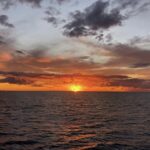
On the way back, the cruise targets Capo Senino and then the Calanques de Piana. This is the payoff for many people: the red granitic rocks start acting like filters for the light.
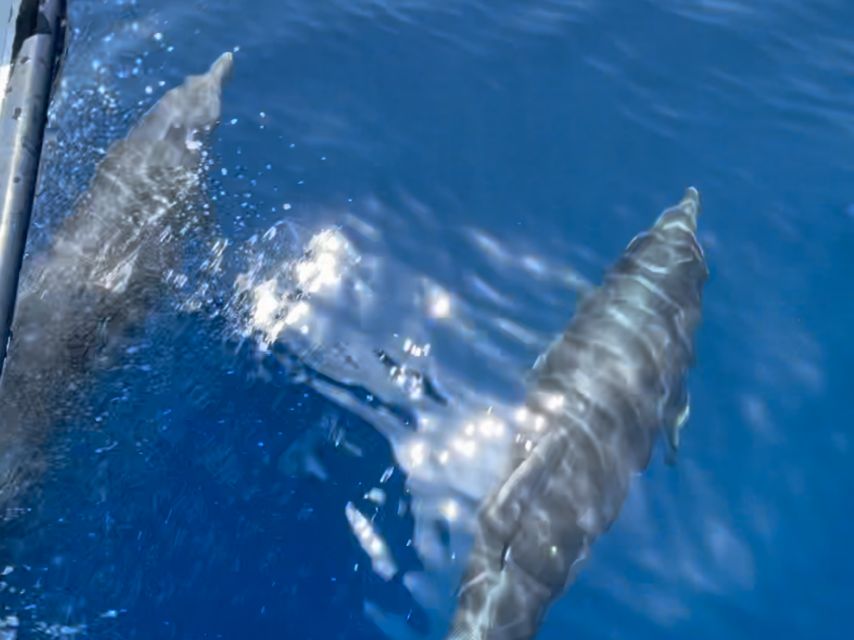
The route includes a photo stop, guided commentary, and then a longer break time with the chance to snorkel if conditions allow. Wildlife viewing is also part of the plan during the water-friendly moments, so you’re not only staring at cliff faces—you’re looking for movement in the shallows and sheltered areas.
This is also when the ride becomes more “relax and look” than “listen and scan.” Late afternoon tends to soften everything: sound carries differently, the sea might calm a touch, and the rocks show better texture for photos.
Price and time: is $74 really good value?
For $74 per person and about 5 hours, you’re paying for three things that are hard to replicate on your own:
1) distance and routing across multiple famous points,
2) close navigation in coves and caves, and
3) live captain/guide interpretation with drinks included.
The trade-off is time. Five hours is a full afternoon commitment, and wind can make the sea portion feel colder than the town. One practical note: at least one booking has described a fairly larger passenger load (around 50 people) on the boat. That doesn’t ruin the experience, but it can affect how personal the commentary feels if you’re toward the back.
If you’re trying to optimize for comfort, this is where packing for changing conditions matters more than anything else.
What to bring (and what to wear) for a comfortable sea day
You’ll feel the difference between a “good” trip and a “great” one based on what you wear. Bring sunglasses and sunscreen, plus a hat and swimwear (along with a towel) since a water stop is planned depending on season and conditions.
A light jacket helps. At the beginning and end of the season, it’s often colder out on the water than on land. Even in warmer months, sea spray and wind can make the boat ride feel chilly compared with Cargèse.
Also bring what you can for convenience: you have drinks provided, but the day is a mix of short stops, so plan snacks only if you’re allowed to bring your own (food isn’t included, and the tour lists drinks on board).
Who this tour fits best (and who might want a different option)
This afternoon cruise is a strong match if you want:
- dramatic west-coast scenery without the hassle of driving to multiple viewpoints,
- geology explanations while you’re seeing the rock features in context,
- a balanced day: mostly sea time, with real breaks at Girolata and later at Piana.
It may be less ideal if:
- you hate being on a boat for a full 5 hours,
- you want long beach time (Girolata and the water/snorkel moments are limited),
- your comfort requires fewer people; depending on departure, the boat can run larger.
Should you book this Cargèse afternoon boat tour?
Yes—if you want a west-coast Corsica afternoon that mixes Scandola’s geology, Girolata’s small-village feel, and Calanques de Piana sunset color with minimal effort on your part.
Book with extra confidence if you’re the type who likes learning while moving. The captain’s commentary is part of the value, and guides like Joseph and Dominique are specifically praised for being attentive and making the trip feel organized and warm.
Skip it only if your #1 priority is a relaxed, long beach day or if you know you get cold or uncomfortable on boats. In that case, a shorter outing—or one with more time ashore—might suit you better.
FAQ
How long is the tour?
The tour duration is listed as 5 hours.
What does the price include?
The tour includes a corsican guide, the captain and crew, close-navigation boat time with toilets and shade/spray shelter, drinks on board, and a 40-minute stop in Girolata plus a swimming stop when conditions allow.
Where does the tour start and end?
It starts and ends at the port of Cargèse, under the cemetery, in front of the Croisière Grand Bleu ticket office.
Is swimming included?
A swimming stop is included depending on season and sea conditions, and the itinerary also includes time at Calanques de Piana that may allow snorkeling depending on conditions.
How much time do I get in Girolata?
The information lists a 40-minute stop in Girolata, and the itinerary also indicates free time on land (up to about two hours depending on the schedule of the day).
What language is the guide?
The tour lists live guide commentary in French and English.
What should I bring?
Bring sunglasses, a hat, swimwear, a towel, sunscreen, and a jacket (sea weather can be cooler). Beachwear is also recommended.
Is the boat equipped for basic comfort?
Yes. The boat has toilets and shelter from sea spray, plus shadow.
What if the weather is bad?
The tour can be postponed or cancelled due to bad weather or not enough passengers, and in those cases you would be informed and reimbursed.
Is food included?
Food and drinks are not listed together as included. Drinks are included, but food is not.