REVIEW · CARGESE
Cargèse: Scandola and Piana Boat Tour with Stop at Girolata
Book on GetYourGuide →Operated by Croisieres Grand Bleu · Bookable on GetYourGuide
Tiny boat, huge Corsica payoff. This Cargèse day trip runs on a 49-seater boat with shade and toilets and takes you into the tight Gulf of Porto where big vessels just can’t go. I especially like the father-and-son crew (Dominique at the helm, Joseph looking out for passengers), because the tone stays relaxed, not rushed.
You’ll get a well-paced loop of famous coastlines: Genoese Tower area at Pointe d’Omigna, Plage d’Arone, the Arch of Capo Rosso and sea caves, then the UNESCO Scandola Nature Reserve. After that, you reach Girolata for a proper midday break—enough time to eat, shade-up, and get wet.
One possible drawback: Girolata is more about downtime than big-ticket sightseeing. If you’re expecting a dense list of attractions, you might feel a bit underfed on land—though the swim time usually makes up for it.
In This Review
- Key things that make this tour work
- A Family-Run Boat Day From Cargèse
- The 49-Seater Boat Advantage in the Gulf of Porto
- Pointe d’Omigna and Plage d’Arone: Photos First, Then Your Speed Changes
- Capo Rosso: The Iconic Arch and Sea Caves
- Gulf of Porto to Scandola: UNESCO Scenery Meets Real Geology
- Girolata: Lunch, Shade, and a Swim That Breaks the Day
- Calanques de Piana: Red Cliffs, Sea Views, and a Final Swim Chance
- Wildlife Odds: Dolphins, Birds, and Why You Should Stay Still
- Price and Value: Why This $74 Tour Feels Like Good Corsica
- What to Bring (So the Sea Doesn’t Upset Your Day)
- Who This Tour Suits Best
- Should You Book the Scandola and Piana Boat Tour With Girolata Stop?
- FAQ
- How long is the boat tour?
- Where do I meet the tour?
- What does the boat include for comfort?
- Is food or drinks included?
- What language is the live guide?
- Is this tour wheelchair accessible?
- Are there swimming opportunities?
- Do I need to bring a jacket?
- What should I bring for the day?
- What happens if weather is bad?
Key things that make this tour work
- Small-boat access in the Gulf of Porto and cave areas
- Dominique and Joseph as a real team, focused on comfort and safety
- Capo Rosso arch + red rock caves for unforgettable photo angles
- Scandola’s UNESCO reserve with volcanic formations and wildlife sightings you can look for
- Girolata break at midday so you’re not stuck hungry on the boat
- Clean, functional onboard toilets (seriously appreciated at sea)
A Family-Run Boat Day From Cargèse
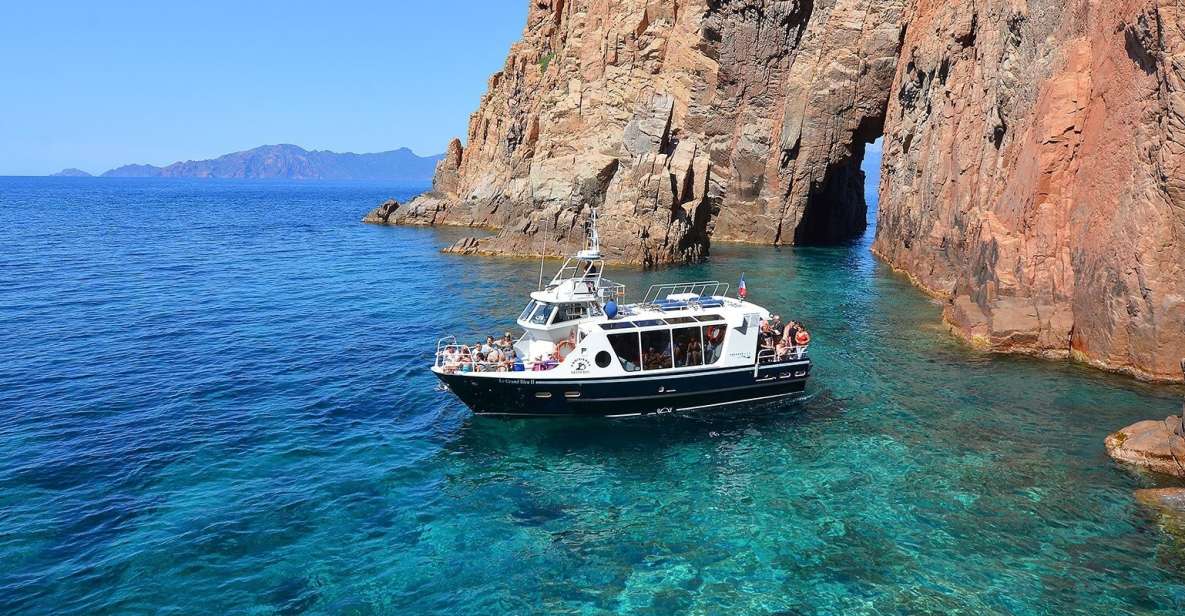
Cargèse is a good base for coastline cruising because you’re close to the dramatic stretch between the Calanques and the Scandola Reserve. This tour starts and ends at Croisières Grand Bleu in the port area, under the cemetery, in front of the ticket office—easy enough to find once you’re parked and following the signs.
What I like most is how local this feels. Dominique and Joseph work as a father-and-son unit, and that shows in the small details: boarding and disembarking are handled calmly, and the crew keeps an eye on comfort on deck. If you’re in a wheelchair or need extra help, you’ll appreciate that the team actively supports getting on and off the boat.
The trip is built around one big idea: spend your time where boats matter most. That means sea caves, tight passes, and view points you simply can’t recreate from land.
You can also read our reviews of more boat tours in Cargese
The 49-Seater Boat Advantage in the Gulf of Porto
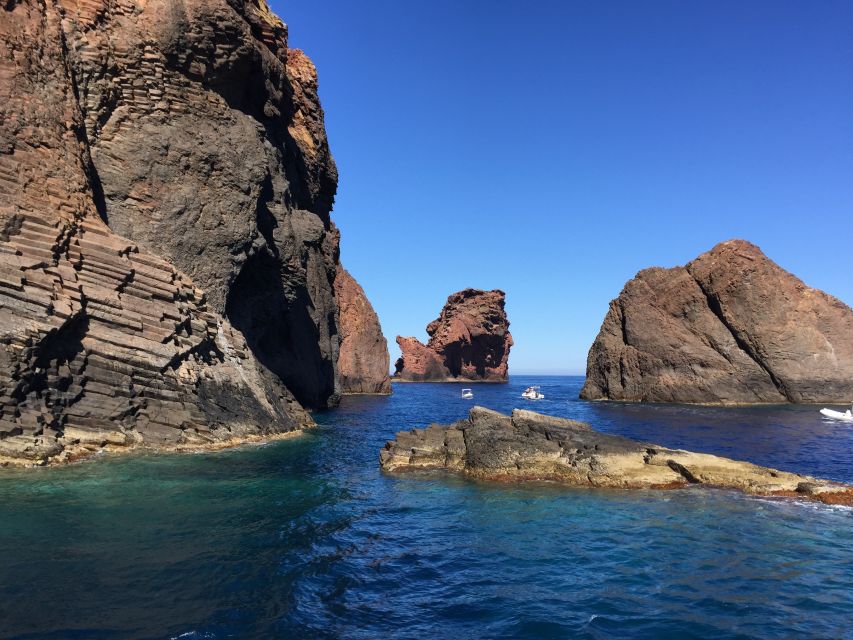
The whole route makes more sense once you understand the boat size. You’re not on a giant ferry. You’re on a 49-seater passenger boat with shade and toilets, plus an onboard bar, so the long stretches don’t feel punishing.
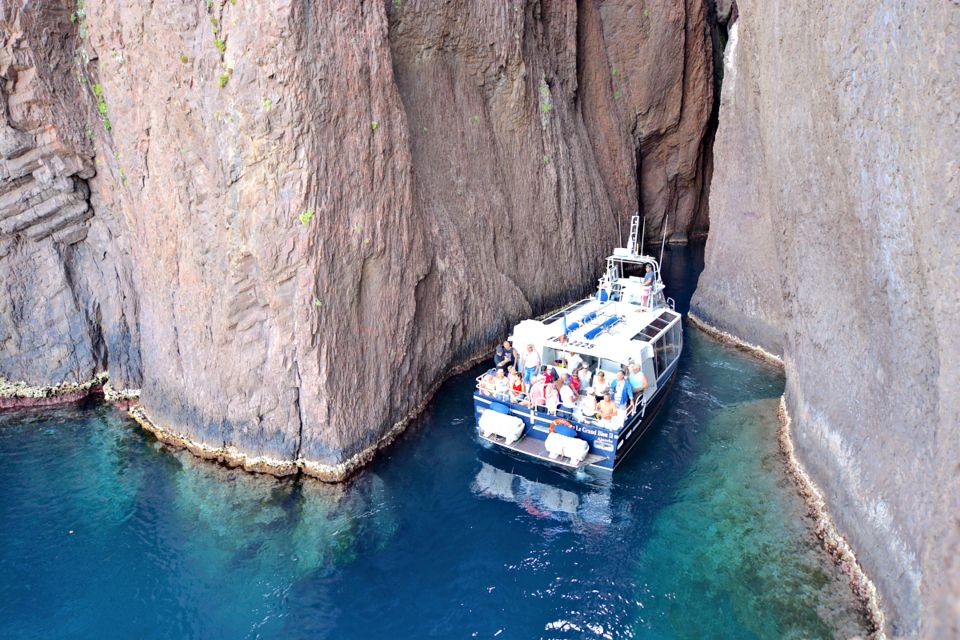
This size is the practical magic trick for the Gulf of Porto. The crew can navigate narrow passages and rocky “faults” that larger boats avoid. In plain terms, you get closer to the coast and to the wildlife zones where the rocks break the surface—perfect for watching fish and birds.
Also, you’re on a boat for about six hours total. That’s long enough to feel like a real day out, but not so long that you’ll be cooked by the schedule. And since the boat includes toilets and shaded areas, you can manage your energy instead of just enduring it.
Pointe d’Omigna and Plage d’Arone: Photos First, Then Your Speed Changes
The morning kicks off in the direction of Pointe d’Omigna. This is where you’ll spot the Genoese Tower area—built from granite with feldspar crystals—sitting in its rocky surroundings. It’s not just a quick glance either; you’ll get a photo stop and a guided explanation so you know what you’re looking at beyond the view.
Next comes Plage d’Arone, another photo stop with guidance. This part matters because it sets expectations. The coastline here is all about sharp rock edges, sudden coves, and the way water color changes as you move along the shore. Even before you hit Capo Rosso, you’re already learning the coastline’s “language.”
One small practical note: sea conditions can be cooler than on land, especially at the start and end of the season. Bring a light jacket so you don’t end up shivering during the open-water stretches.
Capo Rosso: The Iconic Arch and Sea Caves
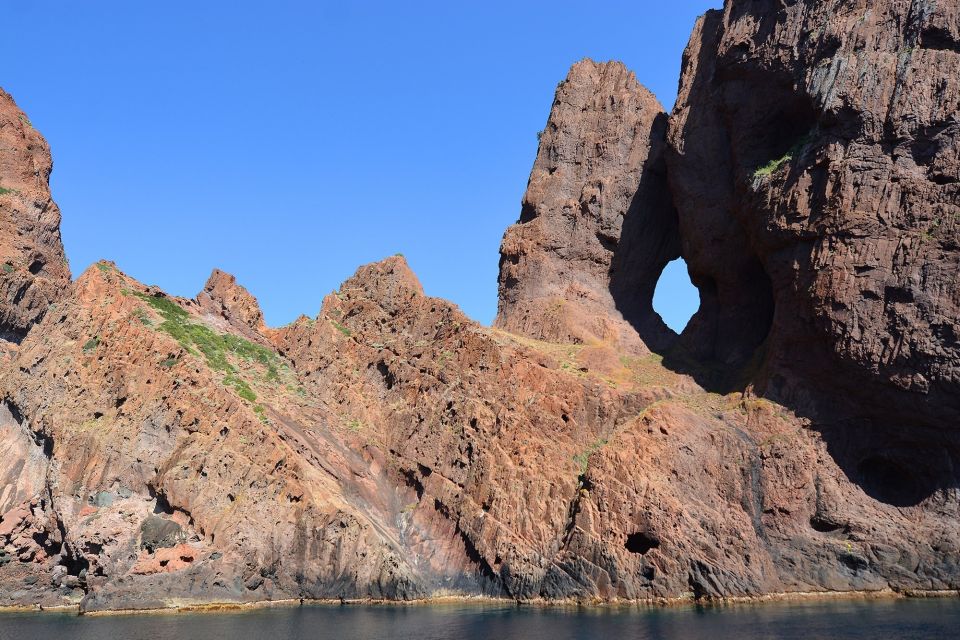
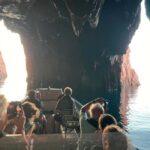
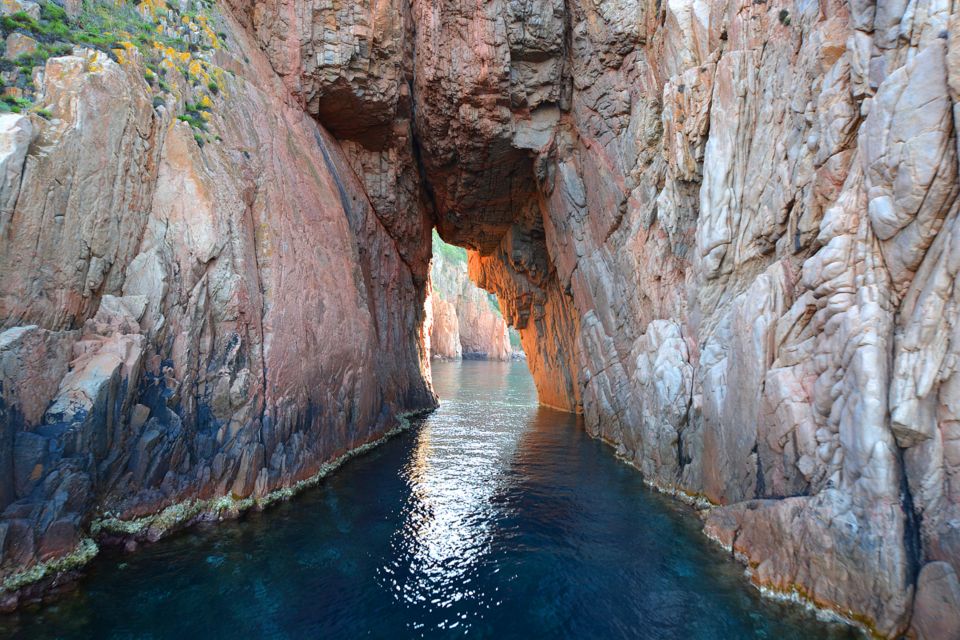
Capo Rosso is the star stop for many people, and it earns it. You’ll go through the Arch of Capo Rosso, then move into cave areas connected to the red-rock formations that Corsica fans call part of the Island of Beauty look.
What makes this stop genuinely worth your time is the combination of scenery and guidance. You’ll get stops for photos, but you’ll also hear the story behind the odd rock shapes and the characteristics of the red stone. It’s one thing to see a dramatic arch from a distance; it’s another to understand how the rock and sea have shaped those surfaces over time.
There’s also a “stay sharp” feeling to this part because you’ll be maneuvered close to rock walls. That’s where the small-boat size pays off again: you can see details like cave openings and rock contours that would be out of reach on a bigger vessel.
And yes, there’s water time built into the vibe here too. The clear coves are a highlight—one specific bay commonly mentioned is the monk seals area—so keep your eyes open for wildlife if you’re quiet and observant.
Gulf of Porto to Scandola: UNESCO Scenery Meets Real Geology
After Capo Rosso, you cross the Gulf of Porto toward the Scandola Nature Reserve, a UNESCO World Heritage Site. This segment is more than travel time—it’s where the geology takes over.
You’ll see volcanic rock formations, and the view includes remains from a volcano that collapsed centuries ago. That matters because it turns the scenery from just pretty to meaningful. The rocks aren’t random; they’re evidence.
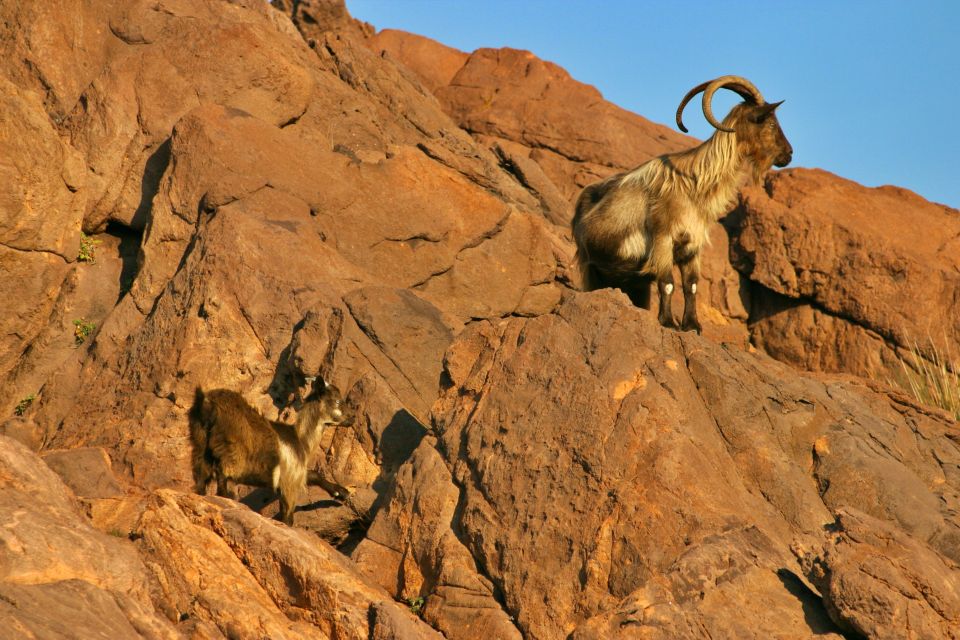
This is also one of the best parts of the day for wildlife spotting cues. The guide commentary points out things you can actively look for—fish-eagles nesting on rocky outcrops, wild goats in the rugged areas, and grouper living around faults and rocky zones. Even if you don’t catch every species, you’ll walk away knowing what you were looking for.
The boat pilot’s navigation through the narrow passages is a real part of the experience. You’re not sitting back and relaxing in a simple cruise bubble; you’re moving through a coast that demands attention, with a crew that handles it smoothly.


Girolata: Lunch, Shade, and a Swim That Breaks the Day
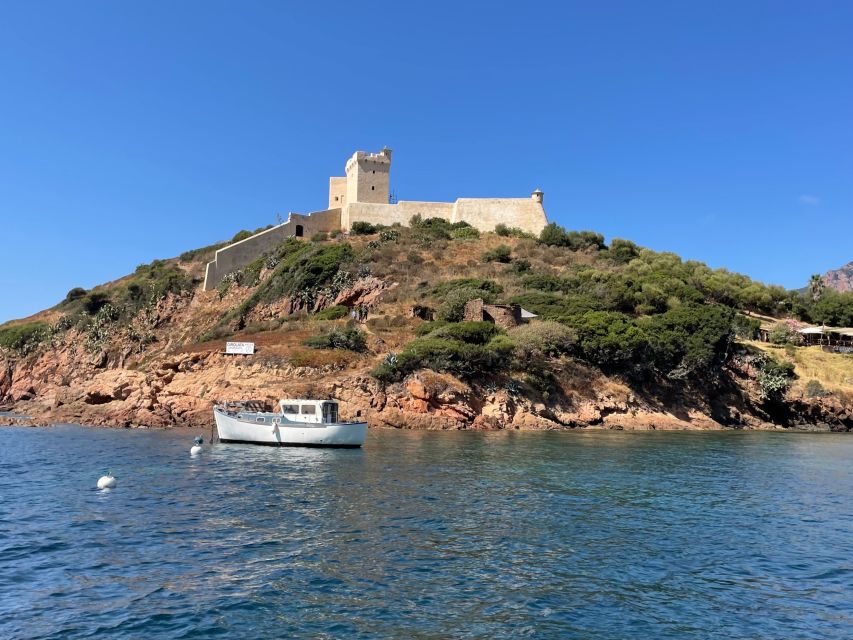
Around noon, you get a break in Girolata—about two hours. That’s a smart choice in a day built around rocks and boat time. It gives you options: eat on shaded terraces at restaurants or cafes, or shift to the village beach area.
Girolata is where you can reset. If you’ve been taking photos and scanning cliffs for birds, this is your chance to be a person again, not a camera operator. You can slow down, relax, and decide how much effort you want to spend on land.
You’ll also have a swim window—around 30 minutes. Based on what people emphasize, the water is one of the main reasons you’ll leave Girolata happy. If conditions allow, you’ll get a real Mediterranean moment, not just a quick dip for show.
One consideration: Girolata can feel like a “break village” rather than a packed destination. If your ideal day includes lots of sights to tick off on foot, you might find the village side underwhelming. The good news is that the sea time tends to rescue the day.
Calanques de Piana: Red Cliffs, Sea Views, and a Final Swim Chance
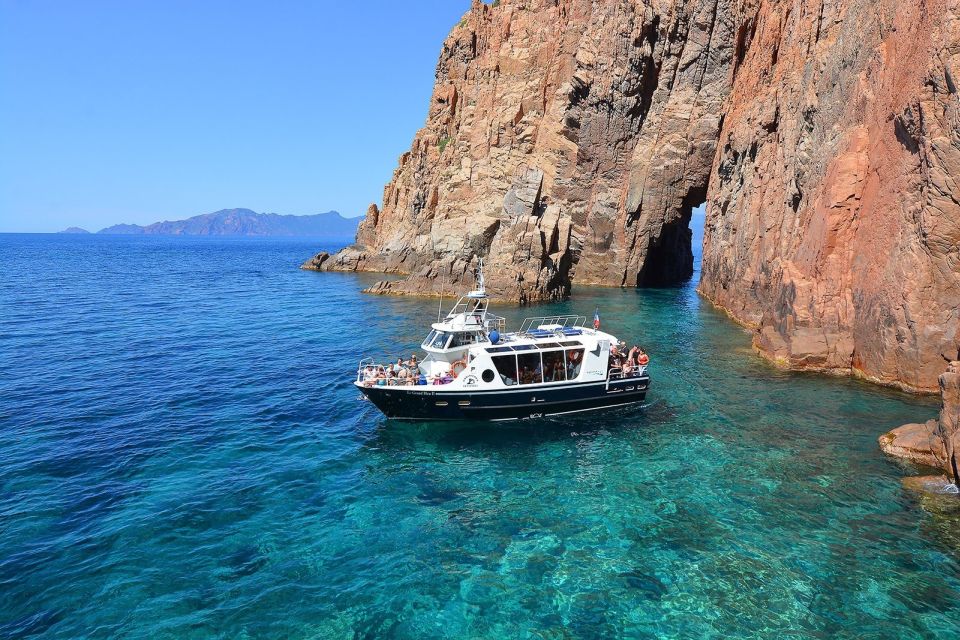
After your Girolata stop, the route continues past Capo Senino and toward Osani, with another photo stop. From there, you reach the Calanques de Piana, which delivers the dramatic scenery people come for.
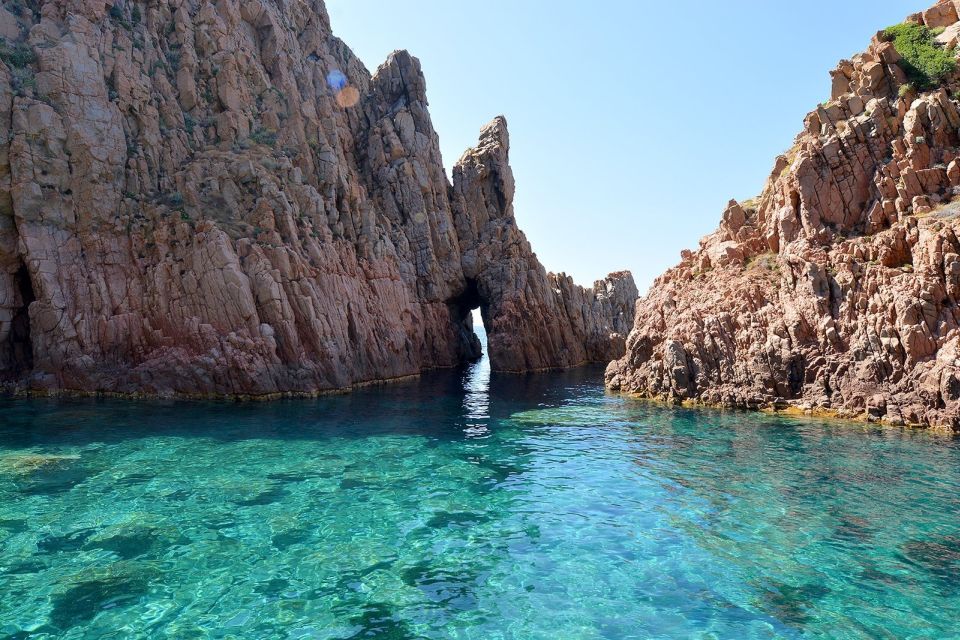
Here you’ll have photo stops and guided commentary, plus opportunities to swim. This is where you feel the contrast: you’ve already seen arch and caves, you’ve already watched volcanic rock structures in the UNESCO reserve, and now you’re ending with the Piana-style calanques look—rocky coves and high cliffs meeting clear water.
Wildlife is part of this stretch too. The general theme across the day is that the crew helps you notice living things along the rocks. Even at the end of the tour, keep your eyes peeled for birds and fish activity near the faults and coves.
If you’re traveling with kids, this is the moment that often feels most “playable.” You’re done with the long scenic explanations, but you still get water time and big visuals.
Wildlife Odds: Dolphins, Birds, and Why You Should Stay Still
Wildlife is a big reason to pick a boat tour here, because the coastline is built for sightings. The route includes cues for fish-eagles, wild goats, and grouper, and the commentary often points you toward the right rock zones.
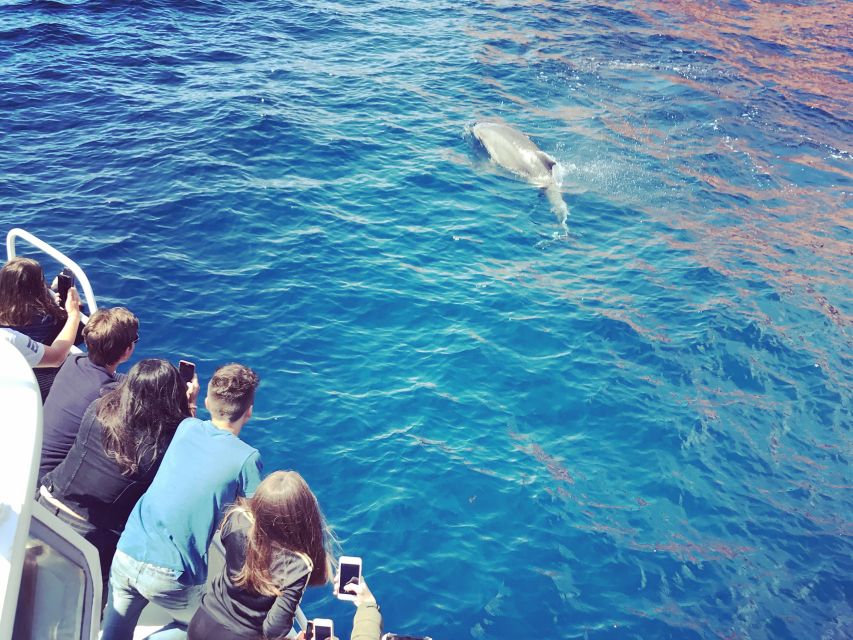
In addition, you may get a chance for dolphins. One highlight that shows up is the captain making a small detour to increase your odds. Dolphins aren’t guaranteed, but the willingness to adjust the route for a better wildlife moment is a good sign of a crew that’s paying attention.
And about fears: you don’t need to imagine scary sea encounters. The vibe is calm, and the experience is very much about seeing nature from a safe vantage point. Think: watch, observe, and let the coast do the work.
Price and Value: Why This $74 Tour Feels Like Good Corsica
At around $74 per person for a six-hour boat day, the value is pretty clear if you focus on what you’re buying: access. You’re paying for a small-boat route through narrow passages, into cave areas, and along UNESCO-level scenery without needing to drive between viewpoints.
You’re also getting comfort basics included—shade, toilets, and a crew that handles boarding smoothly. Those small items add up on a long sea day. You’re not just paying for views; you’re paying for logistics that remove stress.
On the other hand, food and drinks aren’t included. That’s normal for tours like this, but it matters for budgeting. Plan to bring water if you can, and treat Girolata as your main lunch stop with money set aside for a meal or a snack on land.
The onboard bar is helpful if you want something during the day, but don’t count on it to replace lunch.
What to Bring (So the Sea Doesn’t Upset Your Day)
You’ll be on the water for hours, and the checklist is simple. Bring sunglasses, sunscreen, and a hat. Add swimwear and a towel if you want to take advantage of the water stops at Girolata and Calanques de Piana.
A jacket is smart too. Even when Corsica feels warm on land, sea air can cool things off—especially early or late in the season. If you run cold easily, pack something you can put on during open-water stretches.
Also: you’ll be standing and moving on and off a boat. Wear comfortable shoes with grip, even if you don’t plan to hike. You’ll feel happier for it when you’re stepping up and down and waiting for photo moments.
Who This Tour Suits Best
This is a great fit if you want the “big Corsica coast” day without doing it in pieces. It suits couples, solo travelers, and families who like scenery, boat time, and at least one serious swim moment.
It’s also a strong pick for anyone who values comfort on the water: shade and toilets aren’t afterthoughts here. Add in the father-son crew approach and the way the team supports boarding for people who need extra help, and the day feels easier to manage than many standard boat outings.
If you’re the kind of visitor who loves walking around villages for hours, you might feel the Girolata time is short. But if you’re there for Scandola, Capo Rosso, and Piana, this schedule hits those priorities.
Should You Book the Scandola and Piana Boat Tour With Girolata Stop?
Book it if you want a single day that covers the best-known Corsica coast highlights—Capo Rosso, the UNESCO Scandola Nature Reserve, and the Calanques de Piana—with a boat small enough to actually reach the best angles.
Skip or adjust expectations if your main goal is a long, village-hopping day. Girolata is more of a midday reset with lunch and swimming than a full-on town tour.
My practical advice: pack smart for sea weather, bring swim gear because the water moments matter, and keep your eyes up for wildlife cues. If you do that, the day feels like a smooth, scenic win instead of a checklist you rush through.
FAQ
How long is the boat tour?
The total duration is about 6 hours.
Where do I meet the tour?
Meet at the port of Cargèse, under the cemetery, in front of the ticket office for Croisière Grand Bleu (Croisières Grand Bleu).
What does the boat include for comfort?
The boat has shade and toilets on board. There is also an onboard bar.
Is food or drinks included?
No. Food and drinks are not included.
What language is the live guide?
The live tour guide speaks French.
Is this tour wheelchair accessible?
Yes, the tour is wheelchair accessible.
Are there swimming opportunities?
Yes. You’ll have a swimming window in Girolata (about 30 minutes) and swimming is also listed during the Calanques de Piana stop.
Do I need to bring a jacket?
It’s a good idea. At the beginning and end of the season, it can be colder at sea than on land.
What should I bring for the day?
Bring sunglasses, a hat, swimwear, a towel, sunscreen, and beachwear. A jacket is also recommended.
What happens if weather is bad?
The tour can be postponed or cancelled due to bad weather or not enough passengers. If that happens, you’ll be informed and reimbursed.