REVIEW · NICE
Gourmet Walking Tour with Lunch and Wine Pairing
Book on Viator →Operated by VinoLove Club · Bookable on Viator
Nice’s best food stories often come in small portions: a wedge of pissaladière, a warm piece of socca, olives from nearby groves, or a sweet from an old-fashioned shop. This four-hour walk links those tastes with Old Town streets, market stalls, and a traditional Niçoise lunch, finishing with three local wines chosen to match the meal.
I like the practical route, since stops at the flower market, cathedral, Place Garibaldi, and the Promenade des Anglais help you get your bearings while you eat. I also like the small-group plan, listed as capped at eight in the highlights, though the additional information gives a maximum of 15, so confirm the expected group size before booking.
The main drawback is the amount of food packed into a morning and early afternoon. Breakfast, market bites, sweets, liqueurs, street food, lunch, and wine make this a poor fit if you prefer a light meal or want a quick orientation walk.
In This Review
- Key points at a glance
- A food-first way to get oriented in Nice
- From the Opera to Cours Saleya
- Cathedral streets and Niçoise traditions
- Place Saint-François and the sweet side of Nice
- The Promenade des Anglais and views across the city
- Garibaldi Square and the full Niçoise lunch
- What the menu tells you about Nice
- Who will get the most from this walk
- Is the $0 price really the value?
- Should you book the Nice food walk?
- FAQ
- Where does the tour begin?
- What time does the tour start?
- How long does the activity last?
- Where does the tour end?
- Is the tour offered in English?
- What food is included?
- Is wine included?
- How far in advance can I cancel?
Key points at a glance

- Breakfast starts the walk: Meet at Fournil Zielinska at 9:30 am for bakery food and coffee-shop atmosphere.
- Local specialties do the teaching: Try socca, pissaladière, panisse, salade niçoise, daube niçoise, and tarte aux blettes.
- The Old Town route has useful landmarks: The walk includes Cours Saleya, the cathedral, Place Saint-François, the Promenade des Anglais, and Garibaldi Square.
- Wine is part of the meal: Three local wines are selected to accompany the Niçoise lunch.
- Italy’s influence gets attention: The food story includes Nice’s close culinary links with neighboring Italy.
- Allow four hours and arrive hungry: The schedule begins with breakfast and keeps serving food until lunch and dessert.
A food-first way to get oriented in Nice

This experience is not simply a list of restaurant visits. It uses food to explain Nice, then uses the walk between stops to show you where the city’s daily life happens.
You begin at Fournil Zielinska, 4-6 Rue Jules Gilly, at 9:30 am. The first meal is breakfast at a bakery in central Nice. That is a useful opening because you start with an everyday French habit rather than waiting for a formal lunch.
The bakery meeting point deserves extra attention. One previous participant suggested making the bakery name clearer in the directions, so look for Fournil Zielinska and the full street address rather than relying only on a general reference to the meeting area. The activity returns to this same point at the end, which makes the route easier to manage if you are staying nearby or connecting to public transport.
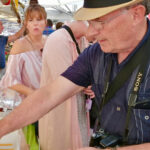
Jules leads the walk and brings the wine selections for the lunch. The group is described as small, with eight people highlighted as the cap, while the practical information allows up to 15. That difference matters. A group of eight should feel more conversational and make hands-on tastings easier. A group of 15 will still be manageable in the Old Town, but it may feel less personal.
You can also read our reviews of more walking tours in Nice

From the Opera to Cours Saleya

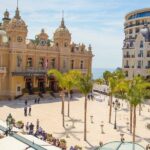
The first listed sight is the Opéra de Nice, a useful starting marker near the Old Town and the waterfront. You are not signing up for a dedicated architecture tour, so expect the opera house to serve mainly as part of the city setting and route.
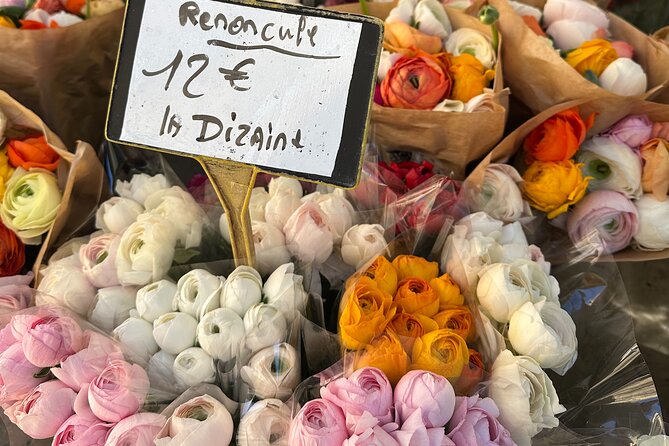
From there, the walk reaches the Marché aux Fleurs on Cours Saleya, one of the most important food stops. The market tastings focus on small local producers and give you a chance to sample several flavors rather than commit to one large dish.
The menu includes olives grown in the Nice area, along with other local products. That is a good chance to notice how much the city’s food depends on simple ingredients, careful seasoning, and Mediterranean produce. You may also taste lemon flavors, artisanal goods, and items connected with the region’s wine and liqueur traditions.
A market is more useful early in a visit than late in one. You can return later for produce, snacks, or gifts because you will already know which foods caught your attention. The market can also be a sensory stop, with many sights and smells competing for your attention, so listen closely when Jules explains the local products.
Cathedral streets and Niçoise traditions

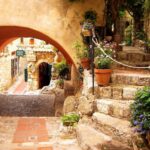
The route continues to the Palais de la Préfecture and the Cathédrale Sainte-Réparate. These stops help place the food in its setting. Nice’s cuisine is not separate from the old streets around it. The dishes developed in a city shaped by Mediterranean trade, nearby Italy, local farming, and a strong regional identity.
This is where the Italian connection becomes especially useful. Nice is close to the Italian border, and the food reflects that proximity without simply copying Italian cooking. Expect the guide to explain how nearby culinary traditions influenced local dishes, ingredients, and methods.
The menu includes pissaladière, described as the grandfather of pizza. It is a savory local specialty built around onions and anchovy flavors, and it shows why comparisons with pizza can be helpful but incomplete. You also taste socca, a chickpea-based local food whose name has nothing to do with football. That small joke in the menu points to a useful lesson: local dishes often need context before their names make sense.
The Old Town lanes can be uneven and crowded at times, and you will be on your feet for much of the four hours. Wear practical shoes and avoid planning a demanding activity immediately afterward. The exact walking distance is not provided, but the number of stops makes this more than a seated tasting.
Place Saint-François and the sweet side of Nice

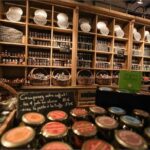
At Place Saint-François, the tour keeps moving through central Nice while shifting attention toward sweets and specialty shops. The menu includes local candies, candied fruits, and chocolate almonds made in the style associated with a royal serving.
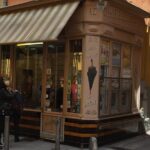
You also visit Nice’s oldest sweet shop, according to the description. That detail adds a sense of continuity to the food experience, but the real value is that you can compare several local desserts in one sitting. You may find that the best discovery is not the most famous dish but a small sweet you would not have known to seek out.
Another unusual item is tarte aux blettes, a local tart made with Swiss chard. The menu hints at the surprise built into the dish, since the main ingredient is not what many people expect in a dessert. It is a reminder that older regional cooking often used what was available and combined sweet and savory ideas in ways that still feel distinctive.
Artisanal macarons and local dessert interpretations round out this part of the menu. Since the tour includes many tastings, portions may be modest, but the variety is the point. You are sampling a food culture rather than ordering a single restaurant meal.
The Promenade des Anglais and views across the city

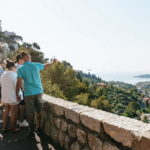
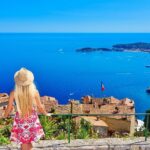
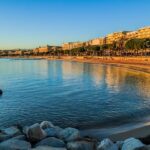
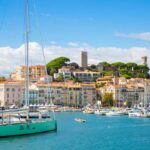
The Promenade des Anglais gives the walk a change of pace. After Old Town lanes, market counters, and specialty shops, you get a broader view of Nice and its seafront setting.
The supplied details promise views, and this is the point where the route should feel most open. The promenade also helps you understand Nice geographically. You see how the waterfront relates to the old center, even if the walk does not provide a full sightseeing tour.
Keep your expectations in balance. The experience is built around food, not extended visits inside monuments. The cathedral, opera, palace, and promenade are woven into the route as landmarks and subjects for explanation. If you want long stops for photographs or a detailed art and architecture lesson, you may prefer a separate sightseeing tour.
Still, I like this approach for a first morning in Nice. You learn the layout while eating, and you leave with a better idea of where to return for your own meals and walks.
You can also read our reviews of more wine tours in Nice


Garibaldi Square and the full Niçoise lunch

The final listed sight is Garibaldi Square, another strong orientation point at the edge of the Old Town. It provides a natural transition from the walking portion to the meal-focused finish.
The lunch à la niçoise includes salade niçoise and daube niçoise. The salad is internationally known, but tasting it in its home region gives the guide a chance to explain local expectations and ingredients. The daube is a traditional meat stew, slower and more substantial than the earlier snacks.
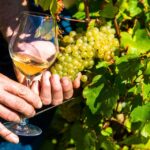
This is also where the wine pairing becomes most important. Jules brings three local fine wines selected by a professional sommelier and matched with the lunch. You are not only drinking wine alongside food. You are being shown how regional wines can change the way you notice a dish.
The wine component adds value for anyone who wants a basic introduction to southern French food and drink. It may be less useful if you do not drink alcohol, although the supplied details do not state whether nonalcoholic substitutes are available. Ask before booking if that point matters to you.
The menu also includes local limoncello and other liqueur tastings, adding another layer of regional flavor. That makes the experience generous in scope, but it also reinforces the need to pace yourself. You start with breakfast, continue through market food and sweets, then finish with a full lunch and several drinks.
What the menu tells you about Nice

The strongest part of this experience is the range. In one morning, you move from bakery food to market samples, then from street snacks to sweets, a traditional main course, and wine.
Here are the foods that give the tour its character:
- Socca: A chickpea specialty closely tied to Nice and the Mediterranean.
- Pissaladière: A savory onion-based dish with anchovy notes, often compared with pizza.
- Panisse: Another chickpea-based snack, showing how one humble ingredient appears in different forms.
- Salade niçoise: A famous local salad that anchors the lunch.
- Daube niçoise: A regional meat stew that makes the final meal more substantial.
- Tarte aux blettes: A sweet or sweet-leaning local tart built around Swiss chard.
- Candied fruit and chocolate almonds: Traditional sweets that work well as small tastings.
- Local wines and liqueurs: Drinks that connect the meal to the wider region.
I value this mix because it gives you choices for later. You may discover that socca is your favorite and seek it out again, or decide that the local sweets deserve a second stop. The tour is designed to help you build your own food list for the rest of your stay.
The only caution is that the exact serving sizes and final menu can vary. The description calls the food a sample menu, so treat it as a guide to the types of dishes included rather than a guarantee that every item will appear in precisely that order.
Who will get the most from this walk

I would choose this activity for someone visiting Nice for the first time who wants food and orientation in the same morning. It suits curious eaters who enjoy asking questions, trying unfamiliar ingredients, and meeting people around a shared table.
It is also a good match for couples, friends, and solo participants who prefer a social setting. The group format and interactive tastings encourage discussion, and the four-hour length gives Jules time to explain the background behind the dishes instead of rushing from one bite to the next.
You should think twice if you want a short snack crawl, dislike alcohol, or need a highly predictable meal. The schedule includes many foods and drinks, and the supplied information does not list alternatives for dietary restrictions. Most participants can take part, service animals are allowed, and the meeting point is near public transportation, but specific dietary accommodations are not stated.
The activity is offered in English. That makes it practical for English-speaking visitors who want explanations of local food customs without having to navigate the details alone.
Is the $0 price really the value?
The supplied price is $0 per person, which makes the apparent value impossible to ignore. At that figure, the experience would offer breakfast, market tastings, lunch, wine, sweets, and a four-hour guided walk at no charge.
Still, check the live booking page carefully before making plans. A zero price may reflect an unpublished rate, a placeholder, or a special booking condition. I would not assume that every food and wine cost is covered until the final confirmation shows the total clearly.
If the displayed price is genuine, this is an unusually strong deal. If a fee appears later, judge it against what is included: a bakery breakfast, several local tastings, a full Niçoise lunch, three paired wines, liqueur samples, and the guide’s time. The food content alone could make a paid tour worthwhile, especially for someone who would otherwise spend a day trying to find these specialties independently.
The experience is usually booked about 34 days ahead, so plan early if your dates are fixed. Free cancellation is available up to 24 hours before the 9:30 am start for a full refund. Changes or cancellations inside that window are not accepted for a refund, and the tour may be canceled if its minimum number is not reached.
Should you book the Nice food walk?
Book it if you want a full morning of local food, a useful Old Town introduction, and a friendly English-language group. The combination of socca, pissaladière, market products, sweets, Niçoise lunch, and paired wines gives you a broad first taste of the city.
I would be especially inclined to book early in a Nice stay. You can use the food discoveries to shape the rest of your meals, and the landmarks help you return to Cours Saleya, the cathedral area, or Garibaldi Square on your own.
Before paying, confirm the final price, the expected group size, and whether the menu can handle your dietary needs. If you prefer a light breakfast, a short walk, or a strictly sightseeing-focused outing, choose something else. If you want to eat your way through Nice while learning how the city’s French and Italian influences meet, this is a promising choice.
FAQ
Where does the tour begin?
The tour begins at Fournil Zielinska, a bakery and coffee shop at 4-6 Rue Jules Gilly, 06000 Nice, France.
What time does the tour start?
The start time is 9:30 am.
How long does the activity last?
The activity lasts approximately four hours.
Where does the tour end?
The tour ends back at the meeting point at Fournil Zielinska.
Is the tour offered in English?
Yes. The experience is offered in English.
What food is included?
The menu includes bakery breakfast, market tastings, pissaladière, local olives, socca, sweets, candied fruits, chocolate almonds, panisse, salade niçoise, daube niçoise, and local desserts. The description identifies this as a sample menu.
Is wine included?
Yes. The experience includes three local wines selected to pair with the Niçoise lunch. Local limoncello and other liqueurs are also listed for tasting.
How far in advance can I cancel?
You can cancel up to 24 hours before the experience start time for a full refund. Cancellations or changes made less than 24 hours before the start are not accepted for a refund.