REVIEW · BORDEAUX
Bordeaux food tour: sweet specialities & highlights
Book on GetYourGuide →Operated by Vert Bordeaux · Bookable on GetYourGuide
Bordeaux tastes better on foot. This Bordeaux sweet food tour mixes a focused city walk with seven stops for traditional sugary bites, all wrapped in clear historical commentary. You get to see major landmarks in the same loop you taste your way through local shops, which makes it a fast, satisfying way to get your bearings.
I especially liked how the guide made the tour feel personal and lively, not just like a checklist. In reviews, guides named Ludmilla (also spelled Millia in one note) stand out for being funny, warm, and for taking the time to explain what you’re eating and what you’re looking at. One possible drawback: the tour is only provided in French, so plan for that if you’re not comfortable with the language.
In This Review
- Sweet Tour Essentials: What Makes This 2 Hours Worth It
- Starting Under the Grosse Cloche: A Classic Bordeaux Kickoff
- Seven Tastings, Four Shops: How the Sweet Stops Actually Work
- Walking the Historic Heart: Saint André Cathedral and the City’s Sense of Scale
- Saint Paul and Saint Pierre: Where the Atmosphere Feels Local
- Grosse Cloche and the Girondins Monument: The Civic Story Behind the Stone
- Price and Time: Does $28 for 2 Hours Make Sense?
- What to Wear, What to Bring, and How to Keep It Comfortable
- Who This Bordeaux Sweet Tour Fits Best
- Should You Book This Tour?
- FAQ
- Is the Bordeaux sweet food tour offered in English?
- How long is the tour?
- What is the price per person?
- How many sweet tastings are included?
- How many places do you stop in for food during the tour?
- Where does the tour start?
- What are some of the major sights you’ll see?
- Where does the tour end?
- Do I need to bring water?
- What should I wear?
Sweet Tour Essentials: What Makes This 2 Hours Worth It

- Seven tastings on a real walking route: you snack often, not just once or twice.
- Four independent sweet shops you stop into as you move through central Bordeaux.
- Historic districts focus on Saint Paul and Saint Pierre, where the city’s older texture shows up quickly.
- Iconic architecture included: the Grosse Cloche and stops tied to Bordeaux’s civic story.
- A guide who keeps things moving: multiple reviews praise guides who engage people and pace explanations well.
Starting Under the Grosse Cloche: A Classic Bordeaux Kickoff

The tour begins right where the city’s big “this is Bordeaux” energy shows up: under the Grosse Cloche, next to n°103 cours Victor Hugo. It’s a good meeting point because it’s central and easy to orient yourself around. If you like arriving at a place you immediately recognize as historic, this one helps you feel grounded from the first minute.
Before you start tasting, you get a short guided setup. That matters more than you’d think. Bordeaux can feel beautiful but a little easy to miss when you’re moving fast. A quick orientation gives you a mental map so the streets you walk later don’t feel like random scenery.
The first sweets come early too. That’s a smart pacing choice. Two hours is not long, so you want momentum right away—otherwise, you’re spending the whole walk waiting to snack.
You can also read our reviews of more food & drink experiences in Bordeaux
Seven Tastings, Four Shops: How the Sweet Stops Actually Work

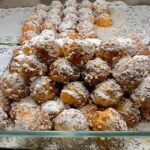
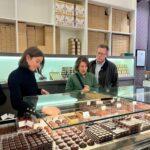
This experience is built around seven sweet specialties spread across stops at four independent food shops. That structure is what makes the tour feel generous without turning into a sugar overload marathon. You’re not stuck eating the same thing repeatedly in one place, either—you get variety as you move.
Each shop stop is short and focused, around 10 minutes for tasting. That’s perfect if you’re the type who wants to try a few things without lingering for a full café meal. You also get some explanation along the way, which helps you understand what makes the sweets feel “Bordeaux” rather than just “dessert.”
A practical tip: with frequent tasting stops, you won’t need a big breakfast beforehand. But don’t show up completely empty either. The tour includes plenty of sweets, yet it still operates as a walking experience in the city center. If you’re prone to lightheadedness, eat something simple before you go.
Also note: water isn’t included. You’ll walk and you’ll snack, so I’d bring water if you can. Even just a small bottle makes the whole route more comfortable.
Walking the Historic Heart: Saint André Cathedral and the City’s Sense of Scale

After the early tasting, the route turns toward Bordeaux Cathedral (Saint André Cathedral). This isn’t just a photo stop. You get a guided walk and commentary long enough to connect architecture to the story of the city. The cathedral area also gives you a chance to slow down a bit, especially if you’ve arrived in Bordeaux with plans to “do history” another day.
One reason I like cathedral stops on food tours is simple: you see the city’s “serious face” right next to where everyday life happens. Bordeaux isn’t only monuments. It’s also neighborhood streets, markets, and people moving between old stone and daily routines. This stop helps you understand why the sweets feel rooted. Food traditions don’t float in space; they live in places.
The tour includes another tasting after the cathedral segment. That rhythm is excellent for digestion and attention. It keeps you from tuning out during long walks while still giving you enough time to look up and actually notice details.
Saint Paul and Saint Pierre: Where the Atmosphere Feels Local

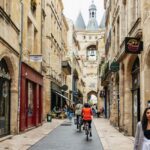
A major part of the experience is spending time in the historic districts of Saint Paul and Saint Pierre. These neighborhoods are where you start feeling the city as a lived-in place, not just a museum. Even if you’ve visited other French cities, each one has a slightly different rhythm, and these districts help Bordeaux’s rhythm click.
During this portion, you’re walking through central streets and squares with guidance. That turns “wandering” into something useful. Instead of drifting past landmarks, you’re pointed toward the pieces that shaped the area’s character—how the street layouts connect, how the architecture changes with perspective, and what to notice as you go.
This is also where the guide’s style matters. Multiple reviews praise the way the guide interacts—calling people in, explaining clearly, and keeping energy up. That’s not fluff. When someone makes you pay attention, you remember the places later.
And yes, there’s tasting again during this section. That’s key. If you’re only walking through old streets, you might feel like you’re spending money on sightseeing. Here, you’re spending money on both: sweets for your senses, and a guided story for your brain.
Grosse Cloche and the Girondins Monument: The Civic Story Behind the Stone

After you’ve built up your walking rhythm through the historic core, the route returns to one of the most photogenic anchor points in central Bordeaux: the Grosse Cloche. You’re also taken to walk up to the Monument to the Girondins, which adds a civic dimension to the architecture you’re seeing.
This part is where the tour expands from “pretty city” to “city with political memory.” The Monument to the Girondins is a specific stop, not a generic viewpoint, so you’re not just taking in a view—you’re learning why the monument matters within Bordeaux’s story.
I like that the experience connects the grand sights to real walking movement. You don’t just park at a spot. You get the feeling of arriving and approaching. That makes the landmarks feel earned, not accidental.
If you’re someone who tends to rush past monuments without reading plaques, a guided stop can be the difference between seeing and actually understanding.
A few more Bordeaux tours and experiences worth a look



Price and Time: Does $28 for 2 Hours Make Sense?

At $28 per person for a 2-hour tour, this is a value play if you want both sweets and structured sightseeing. The price isn’t just paying for dessert. You’re paying for:
- a professional guide
- walking time through the historical center
- seven included sweet tastings
- multiple landmark explanations and fun facts
The sweet part alone helps justify the cost because you’re trying a mix from independent shops, not a single “tourist dessert” stop. And the city portion matters because Bordeaux can be compact but full of details. A guide helps you avoid the most common problem on self-guided walking days: spending a lot of time figuring out what you’re looking at.
Two hours is also the right length for many first-time visitors. It won’t replace a full day of wine or neighborhoods. It does give you an efficient first introduction, and one review specifically mentioned this as a great way to start a visit.
What to Wear, What to Bring, and How to Keep It Comfortable

This is a walking tour, plain and simple. You should wear comfortable shoes and comfortable clothes, because the route moves through central streets and includes enough walking to count as leisure but still require stamina.
Also, because tastings happen repeatedly, you’ll feel better if you plan your outfit around comfort more than style. Think: shoes you can walk in for an hour without regret.
And don’t forget the practical stuff: water isn’t included, so plan for that. You’ll be sampling sweets, and you don’t want to slow yourself down just to find a drink.
Finally, it’s French-only. I’d treat that as a planning factor, not a dealbreaker automatically. If you can follow basics or you’re comfortable with slower, guided explanations, you’ll likely enjoy it. If you’re not, you may get less out of the historical commentary, even if the tasting still lands.
Who This Bordeaux Sweet Tour Fits Best

This tour makes the most sense if you’re the type who likes your sightseeing to come with a payoff. You want to see the city center and learn a little while also eating something good.
It’s especially a strong choice for:
- First-time visitors who want a quick Bordeaux orientation
- People who enjoy food tours that don’t turn into a full meal
- Travelers who like compact routes with clear, guided timing
- Anyone who wants historic landmarks plus neighborhood streets in the same session
If you’re hoping for an English-speaking tour, or if language is a big barrier for your travel style, you’ll want to think twice. The sweet stops are included, but the guided storytelling is part of what you’re paying for.
Should You Book This Tour?

If you want a 2-hour Bordeaux experience that combines landmarks like Grosse Cloche, time in Saint Paul and Saint Pierre, and a steady rhythm of seven sweet tastings, I think this is a smart booking. The pricing feels fair for what’s included, and the pacing works well: tastings interleaved with short guided segments so you don’t lose attention.
I’d book it if you can handle French at least at a basic level and you’re comfortable with a fair amount of walking. If you’re not confident with the language, you may enjoy the sweets but miss a lot of the story that makes the tour feel special.
FAQ
Is the Bordeaux sweet food tour offered in English?
No. The tour is only provided in French.
How long is the tour?
The duration is 2 hours.
What is the price per person?
The price is $28 per person.
How many sweet tastings are included?
You get 7 sweet specialties included.
How many places do you stop in for food during the tour?
You stop at four independent food shops while walking.
Where does the tour start?
Meet under the Grosse Cloche, next to n°103 cours Victor Hugo.
What are some of the major sights you’ll see?
You’ll visit landmarks including the Grosse Cloche, Saint André Cathedral, and the Monument to the Girondins, plus time in Saint Paul and Saint Pierre.
Where does the tour end?
It finishes at Opéra National de Bordeaux – Grand-Théâtre (the Grand-Théâtre).
Do I need to bring water?
Water is not included, so you may want to bring it.
What should I wear?
Wear comfortable shoes and comfortable clothes, since the tour requires leisure walking.