REVIEW · BORDEAUX
Bordeaux: 3.5-Hour Old Town and Market Food Tour
Book on GetYourGuide →Operated by Original Food Tours · Bookable on GetYourGuide
Bordeaux is famous for wine, but this 3.5-hour walk makes a good case for looking beyond the bottle. You move through the Old Town and a local market, stopping for regional foods such as canelé, cheese, cured meat, chocolate, pastries, and other local specialties.
I like the mix of food and city history, since you are not simply seated at a tasting counter. I also like the small-group or private format, which should make it easier to ask questions and talk with an English-speaking local guide. The main drawback is the $141 price, which feels high if your main goal is a quick meal rather than a guided introduction to Bordeaux’s food culture.
In This Review
- Key points to know before booking
- Starting at Place Meynard
- Bordeaux Old Town sets the table
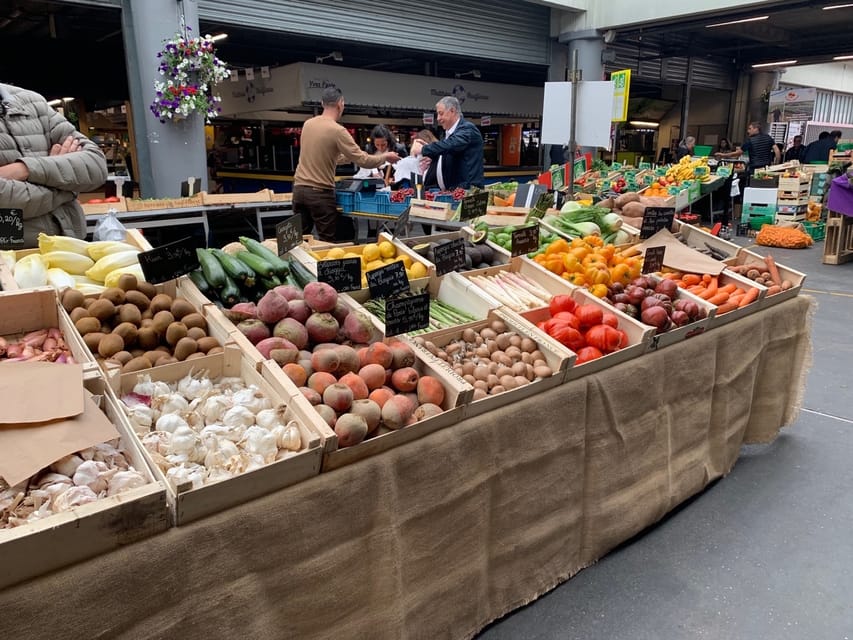
- The market brings Bordeaux down to earth
- Eight stops, from wine to canelé
- Foie gras, canelé, and Bordeaux’s food identity
- What the guide adds to the meal
- Is $141 per person fair?
- Timing, comfort, and practical details
- Who will enjoy this Bordeaux walk?
- Should you book the Old Town and Market Food Tour?
- FAQ
- How long does the Bordeaux food tour last?
- Where does the tour meet?
- Is hotel pickup included?
- What language is the tour offered in?
- How many tasting stops are included?
- What foods and drinks are included?
- Does the tour visit a market?
- Is the activity wheelchair accessible?
- Are private or small-group options available?
- What should I bring?
- Can I cancel for a refund?
- Can I reserve now and pay later?
Key points to know before booking
- Eight tasting stops: The tour includes wine, cured meat, cheese, chocolate, patisseries, and local delicacies.
- Old Town plus market: You get both Bordeaux’s preserved streets and the everyday energy of a food market.
- Guide Margot has earned special praise: A past booking with Margot included useful details about Bordeaux’s eating and drinking habits.
- Canelé is part of the regional story: This rum-flavored pastry is one of Bordeaux’s signature sweets.
- Plan for a walking tour: Comfortable shoes matter, even though the activity is listed as wheelchair accessible.
- The price buys context as well as food: At $141 per person, value depends on how much you want history, conversation, and guided tastings.
Starting at Place Meynard
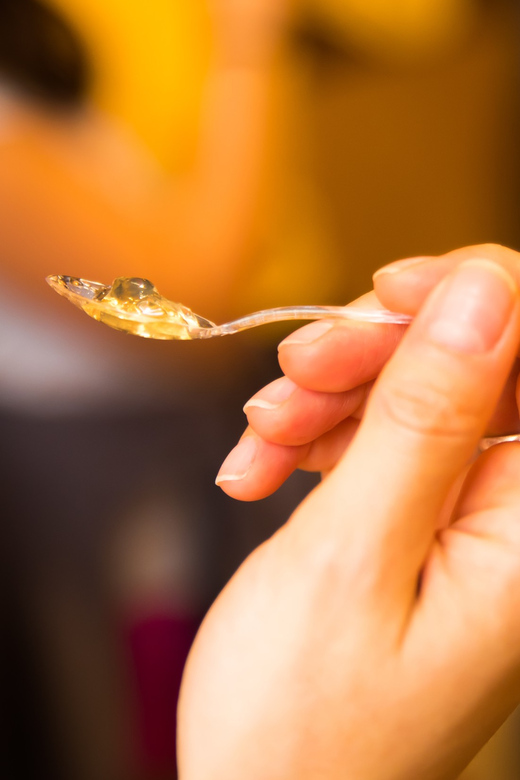
The meeting point is 17 Place Meynard, 33000 Bordeaux. You will need to make your own way there, since hotel pickup and drop-off are not included.
The tour lasts 210 minutes, or three and a half hours. That is enough time for a proper introduction to Bordeaux rather than a rushed series of samples. It also means you should avoid scheduling another fixed activity immediately afterward. Markets and food shops do not always move at the same pace, and a guide-led conversation can add a few minutes here and there.
The experience is offered in English, with a live guide. Private and small-group options are available. That choice matters here. Food tours work best when you can ask why a product matters, how locals eat it, and what to look for when you shop on your own later.
One guide named in the tour’s past bookings is Margot. A particularly strong booking described her as offering useful details about daily life and Bordeaux’s drinking and eating culture. That is exactly the sort of guidance I would want from this experience: not just a list of ingredients, but a sense of how food fits into local life.
You can also read our reviews of more food & drink experiences in Bordeaux
Bordeaux Old Town sets the table
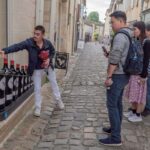
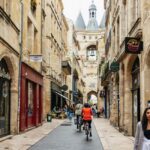
Bordeaux’s Old Town gives the tour more shape than a standard tasting walk. The city has one of the highest numbers of preserved historical buildings in France, so the route can connect food with streets, buildings, and the long identity of the city.
The exact buildings and streets are not specified, so I would not book this expecting a named monument tour. Instead, think of the historic center as the setting for the food stops. Your guide supplies regional context while you move through the city, and the sights help you understand that Bordeaux is more than a wine label.
The Old Town portion is especially useful early in a Bordeaux visit. You can use the walk to get your bearings, note places worth returning to, and ask a local guide for practical food advice. If you have already spent several days exploring the center, the value will depend more heavily on the tastings and the quality of the conversation.
The route is described as wheelchair accessible, but the activity also advises comfortable shoes. Those details can both be true, yet anyone with specific mobility needs should still confirm the current route and market conditions before booking. Historic centers and markets can involve uneven surfaces or tight spaces, even when an activity is listed as accessible.
The market brings Bordeaux down to earth
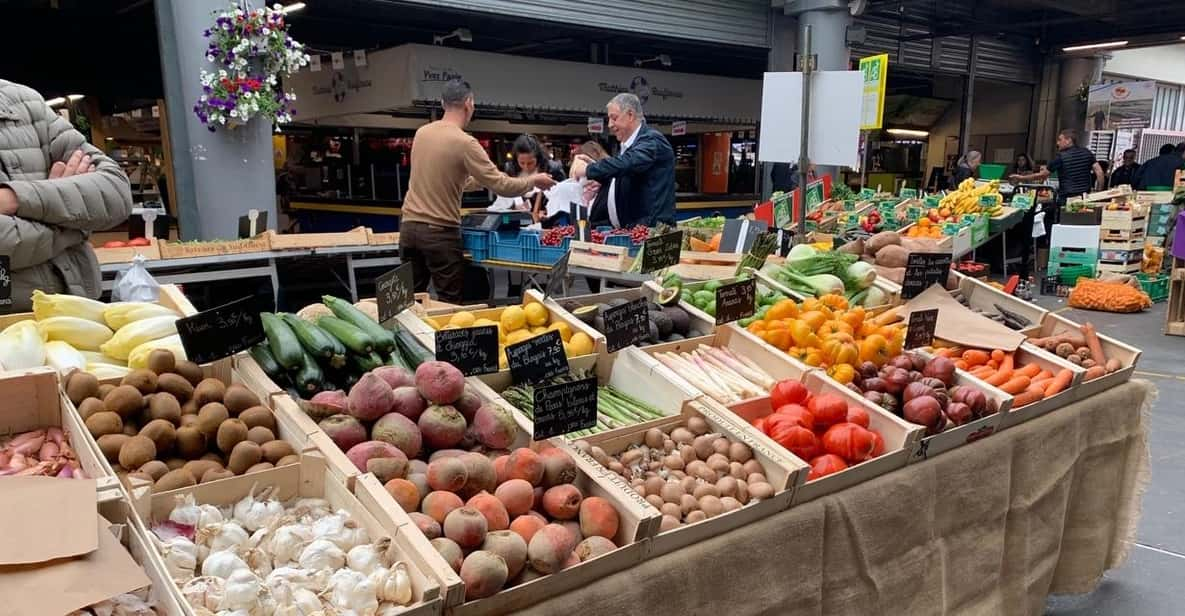
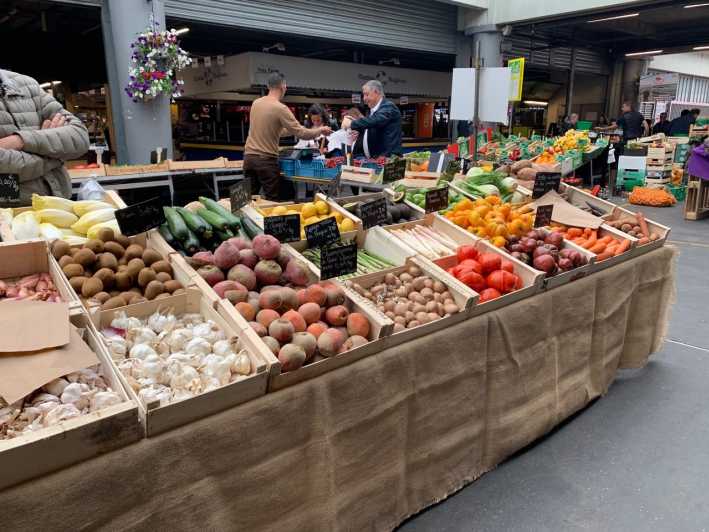
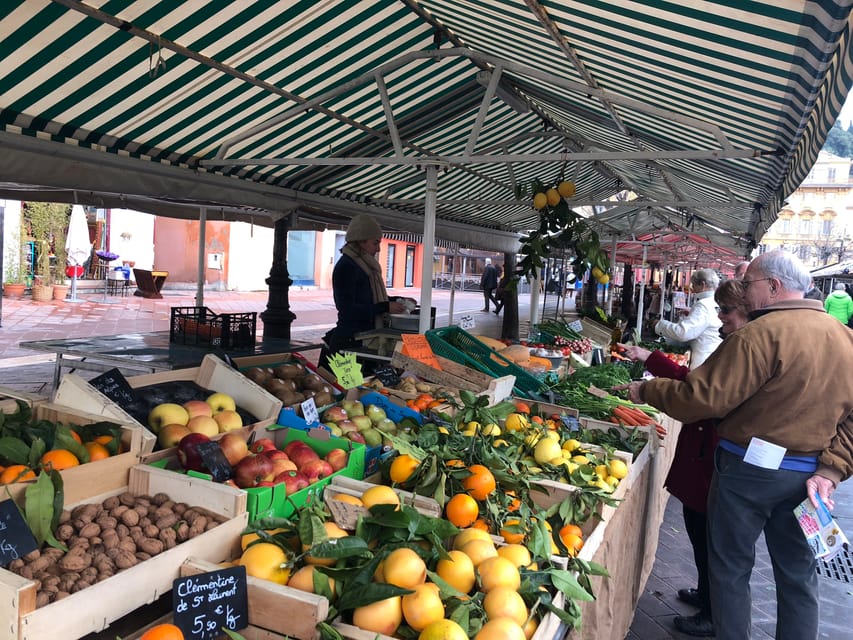
The market visit is one of the strongest parts of the concept. A market gives you a look at what people buy, share, and discuss, rather than presenting regional food as a museum display.
The tour includes market discovery, but the specific market is not named in the information provided. That means you should expect a guided market visit, not a guaranteed visit to a particular famous hall. Your guide can point out products and explain how they connect to the region, while you see food in a more ordinary setting.
The market also gives the eight stops a natural rhythm. You might move from a savory sample to a sweet one, then pause for wine or a local explanation before continuing. The details of the order are not fixed here, so I would treat the published food list as a clear guide to what is included, not a promise of an exact sequence.
A market is also where a food tour can become practical. You may find ideas for picnic supplies, gifts, or a meal later in your trip. If you prefer a formal restaurant setting, this part may feel less polished. If you like seeing how a place eats in daily life, it adds real value.
Eight stops, from wine to canelé
The tour includes eight stops, with wine tasting, cured meat, cheeses, chocolate, patisseries, and local delicacies. That is a broad sample for a three-and-a-half-hour walk.
The food is not presented as a single meal. You will taste along the route, with the guide explaining what you are eating and how it fits into Bordeaux or southwest France. The tour description also promises a secret tasting, though it does not identify the item in advance. That element gives the guide some room to respond to what is available on the day.
Here is what each part of the tasting list offers you:
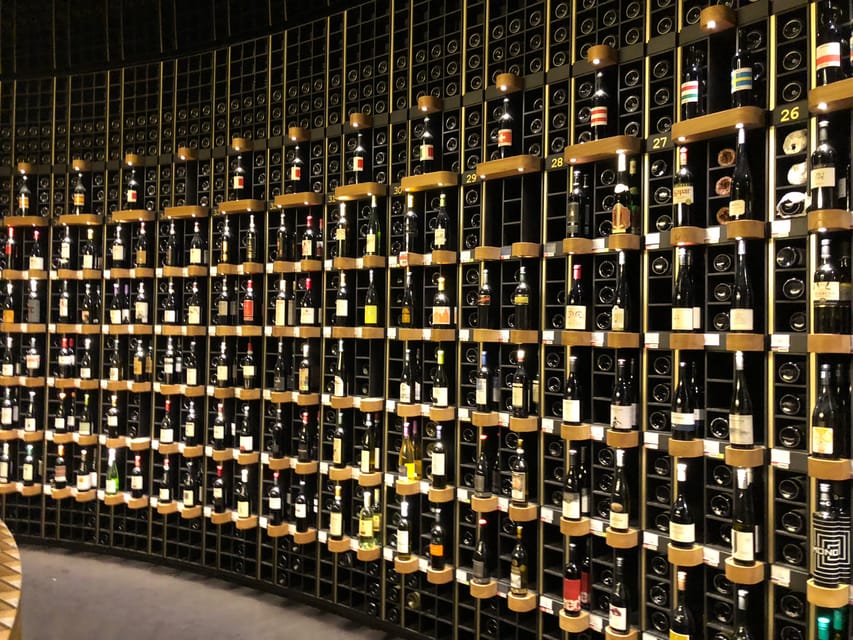
- Wine: Bordeaux is one of the world’s best-known wine regions, so a tasting belongs on this tour. The information does not specify the wines, producers, or number of pours, so do not book it expecting a detailed vineyard seminar.
- Cured meat: This adds a savory, everyday side to the program. It also helps balance the sweets and wine.
- Cheese: Cheese makes the tasting feel more like a French food introduction than a pastry crawl. The exact varieties are not listed.
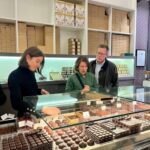
- Chocolate: This gives the tour another sweet note, though the particular chocolatier or products are not named.
- Patisseries: French pastries are part of the pleasure of walking through an urban market. The selection can change, so the listing wisely keeps the description broad.
- Local delicacies: This is where the regional character should come through most clearly, though the exact items are not guaranteed.
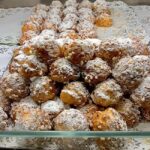
- Canelé: Bordeaux’s rum-flavored pastry is a key local specialty and one of the most useful tastes to seek out. Its small size makes it easy to sample while walking.
- Secret tasting: You will not know this item in advance, which can be fun, but it also means you cannot plan around dietary preferences unless you ask before booking.
Foie gras, canelé, and Bordeaux’s food identity
Bordeaux’s food culture includes items that are strongly tied to the southwest of France. Foie gras is specifically highlighted, along with the cooking technique associated with it. The tour may use this subject as part of its regional explanation, but the information does not confirm foie gras as one of the eight tasting stops.
That distinction matters. You can expect discussion of local delicacies, but you should not assume every named food will be served. If foie gras is important to you, ask the operator what is planned for your date.
Canelé is a safer expectation as a Bordeaux food reference. This small pastry is flavored with rum and has a distinctive place in the city’s food identity. It is the sort of item you can recognize later in bakeries, making the tasting useful beyond the tour itself.
The description also mentions the Bouchon de Bordeaux, a restaurant type associated with Lyonnaise cuisine. This is an interesting reminder that Bordeaux’s food scene is not limited to products grown nearby or dishes invented in the region. Cities absorb outside traditions, adapt them, and make them part of local dining life.
A few more Bordeaux tours and experiences worth a look


What the guide adds to the meal
The food alone is not enough to justify $141 for everyone. The guide is the part that can make the price work.
You get an English-speaking local who explains the region, points out food traditions, and gives you a chance to ask questions. The best version of this tour would connect each sample to a place, habit, or story. Margot’s past booking is a useful sign that the guiding can include daily life rather than only dates and definitions.
I would go in ready with questions. Ask what locals eat with a particular cheese, how Bordeaux residents choose a pastry, what makes a canelé good, and where the guide would send you for another meal. These questions help turn a scheduled tasting into a conversation.
The tour is not described as a cooking class or a winery excursion. You will not be touring vineyards or learning a full recipe. Its strength is the combination of city walk, market visit, and guided sampling.
Is $141 per person fair?
At $141 per person, this is a premium food walk. The price includes eight stops and a mix of wine, savory foods, sweets, and regional specialties. It also pays for a live guide, three and a half hours of time, market access as part of the route, and the convenience of having the tasting plan arranged for you.
I can see the value if you are new to Bordeaux, care about food, and want an efficient introduction. A good guide can save you from spending several meals guessing what to order. The historical and cultural explanations add another layer that you would not get from buying a canelé and a glass of wine on your own.
The value is less clear if you are traveling on a tight budget, already know Bordeaux’s food scene, or mainly want a large meal. A past booking specifically suggested that the value for money could improve and that some food types could be combined more effectively. I would take that as a fair warning: eight stops do not automatically mean eight substantial portions, and the tasting format may feel light to anyone expecting lunch.
Private or small-group availability can help justify the cost for couples, families, or friends who want a more personal outing. Before paying, check which group format and tasting details apply to your chosen booking.
Timing, comfort, and practical details
Wear comfortable shoes. The activity covers the Old Town and a market on foot, and the three-and-a-half-hour duration is long enough for tired feet to affect your enjoyment.
No transportation is included. You must reach Place Meynard yourself, and hotel pickup is not part of the service. Check the starting time carefully because the tour offers different possible start times depending on availability.
The tour is listed as wheelchair accessible. If accessibility is essential for you, confirm the precise route with the provider, especially since the activity includes a historic center and market. The listing does not provide details about toilets, seating, or the nature of the market surfaces, so those questions are worth asking directly.
The activity is available with free cancellation up to 24 hours before the start time, and you can reserve now and pay later. Those policies are useful if your schedule is still moving. One older booking was canceled at 8:00 in the morning, which is a reason to keep your plans flexible and avoid placing an important timed activity immediately afterward.
Who will enjoy this Bordeaux walk?
I would recommend it most strongly to first-time visitors who want food and sightseeing in one block of time. It also suits couples and small groups who enjoy talking with a guide rather than following a large crowd.
Food-focused visitors will get the most from the range of samples. You can compare savory foods, sweets, wine, and local specialties, then use the guide’s advice for later meals.
It may also suit cruise passengers or short-stay visitors, provided the meeting point and start time fit your schedule. Three and a half hours gives you a useful introduction without taking an entire day.
I would be more cautious if you have strict dietary requirements. The food list is varied, but no dietary substitutions or allergy arrangements are specified. Ask before booking rather than hoping the guide can adjust the tasting on the spot.
The tour is also not ideal for someone who wants a formal wine education, a full sit-down lunch, or a named list of restaurants and producers. It is a broad introduction to Bordeaux’s food culture, not a specialist seminar.
Should you book the Old Town and Market Food Tour?
Book it if you want a guided first taste of Bordeaux that combines the historic center, a market, and a wide range of samples. The strongest reason to go is the chance to connect food with local life, especially with a guide such as Margot who can discuss everyday eating and drinking habits.
At $141, I would book only if you value the guide and the cultural context, not just the food. Check the exact start time, ask what the eight stops will include, and confirm any dietary or accessibility needs. If those details suit you, this is a convenient and flavorful way to get oriented in Bordeaux.
FAQ
How long does the Bordeaux food tour last?
The tour lasts 3 hours and 30 minutes, or 210 minutes.
Where does the tour meet?
The meeting point is 17 Place Meynard, 33000 Bordeaux, France.
Is hotel pickup included?
No. Hotel pickup and drop-off are not included.
What language is the tour offered in?
The live tour guide speaks English.
How many tasting stops are included?
The experience includes eight stops.
What foods and drinks are included?
The listed inclusions are wine tasting, cured meat, cheeses, chocolate, patisseries, local delicacies, and a secret tasting.
Does the tour visit a market?
Yes. Market discovery is included, along with time in Bordeaux’s Old Town.
Is the activity wheelchair accessible?
Yes. The activity is listed as wheelchair accessible.
Are private or small-group options available?
Yes. Private or small-group formats are available.
What should I bring?
Bring comfortable shoes, since the experience includes walking through the Old Town and a market.
Can I cancel for a refund?
Yes. You can cancel up to 24 hours in advance for a full refund.
Can I reserve now and pay later?
Yes. The reserve-now, pay-later option lets you book without paying immediately.