REVIEW · FRANCE
Visit – immersion in the heart of the bee world!
Book on Viator →Operated by L'Arc en Miel · Bookable on Viator
Honey and bees, up close and calm.
This is a lively stop at L’Arc en Miel in Saint-Affrique where you learn by doing, not by watching from a distance. You’ll see live hive moments with a safe opening, a simultaneous macro video, and glass hives that make the inside of a colony easier to understand.
Two things I really like: first, the way Bruno and Nadia explain what you’re seeing in plain language, with humor and zero lecturing. Second, you don’t just leave with knowledge—you finish with an organized tasting of 8 to 10 organic, local honeys, so you can connect flavors to what the bees (and plants) were doing.
One possible drawback: this is bee-forward and hands-on, and you’ll be close enough to smell the hives and gear up for tasks. Also, it depends on good weather, so if conditions are bad you may need to shift your date.
In This Review
- Key highlights to know before you go
- Arriving at L’Arc en Miel: a bee day that starts right on time
- The hive route: safe openings, glass hives, and macro detail
- Hands-on beekeeping: outfits, uncap a frame, and learn by touch
- Learning the “how” and “why” behind organic honey in southern Aveyron
- The tasting: 8–10 organic honeys and how to choose your favorites
- Price and duration: why $13.80 feels fair for this kind of access
- Who should book (and who might want another option)
- When to go and what weather means for your plans
- Should you book L’Arc en Miel?
- FAQ
- FAQ
- Where is the tour meeting point?
- How long is the visit?
- Is the tour private?
- Is it offered in English?
- Do I get a mobile ticket?
- Are service animals allowed?
- Is the visit suitable for most people?
- What happens if the weather is bad?
- Is there anything special for visitors with visual impairments?
Key highlights to know before you go

- Safe hive opening with macro video so you can watch details without getting too far from the action
- Glass hives that help you track what bees are doing as the visit moves along
- Hands-on beekeeping moments like testing the outfit and uncap a honey frame
- 5-senses learning (sight, smell, and more) tied to organic beekeeping in southern Aveyron
- Tasting 8–10 organic honeys at the end, to match your favorites to what you learned
Arriving at L’Arc en Miel: a bee day that starts right on time

You’ll meet at L’Arc en Miel in Saint-Affrique (633 Mas de Rouby, Chemin du, 12400 Saint-Affrique). It’s a private visit, so it’s just your group, which makes it feel less like a factory tour and more like time with working beekeepers.
The tour runs about 1 hour 15 minutes, which is a sweet spot. Long enough to see real hive activity and do a couple of hands-on steps, but short enough that you won’t feel dragged around while your attention fades.
The price is $13.80 per person, and the value comes from what’s included. You’re not just getting a walk-through—you’re getting live observation, guided demonstrations, and a structured tasting of multiple honeys (8 to 10). For a farm-based activity, that’s a good deal.
Tip: bring your curiosity more than your questions. They’ll walk you through what to notice, and it works best if you’re ready to pay attention to small cues—especially in hive watching.
You can also read our reviews of more tours and experiences in France.


The hive route: safe openings, glass hives, and macro detail

The heart of the visit is the chance to see bees LIVE—safely. The format is designed so you get both a “what’s happening” view and a “look closer” view. You’ll watch a hive opened in a safe way while there’s also a macro video playing alongside, which helps you catch details your eyes might miss at normal distance.
Then you get time with glass hives. That matters, because glass gives you a steady way to track how the colony is organized. You’re not relying only on imagination or on a quick glance; you can actually connect structures on the frames to the bees’ behavior.
This route is built around more than sight. You’ll also smell the air in the hives. That sounds like an odd detail until you’re there—once you do it, you’ll understand why the senses matter. Bees and honey production aren’t just visual; the farm teaches you how those impressions connect to the way hives function.
One neat angle: the visit doesn’t treat bees like a single subject. You’re encouraged to identify types of bees, learn what different harvests are, and notice what’s going on as the colony shifts through its cycles. Sometimes you may even see something like a birth—if timing lines up, it’s part of the magic of working with live creatures rather than props.
Hands-on beekeeping: outfits, uncap a frame, and learn by touch
This isn’t a stand-and-guess tour. You’ll be invited to test the outfit and handle tasks that beekeepers do as part of daily work. That could include mounting a beehive or uncapping a frame of honey, depending on how the visit is structured and what’s happening in the hives.
What I like about this hands-on approach is that it lowers the intimidation factor. Bees can feel scary from a distance. Up close, the experience reframes the whole thing as careful, respectful routine. You’re shown how the work is done and why it’s done that way.
You’ll also hear explanations that are intentionally simple. Bruno and Nadia keep the talk practical—no heavy jargon, no preaching. The goal is for you to understand what you’re seeing and build your own opinion about organic beekeeping and respectful agriculture.
Small caution: hands-on moments mean you should be comfortable following directions closely. If you’re squeamish about being close to bees or equipment, you’ll want to think twice before booking. The visit is described as safe and accessible for most people, but it’s still real beekeeping work, not a staged show.
Learning the “how” and “why” behind organic honey in southern Aveyron

A big part of the value here is the link between bees, agriculture, and biodiversity. The visit ties what you’re learning to the biodiversity of the region of southern Aveyron, seen through the lens of organic honeys.
That’s more useful than it sounds. Honey tasting is fun, but it gets much more meaningful when you understand what affects flavor: where the bees gather, how hives are managed, and the broader living system around the farm. Instead of treating honey like a single product, you start treating it like a story made by bees and plants.
You’ll learn about bee types and their harvests, and the visit is designed so you leave with a sense of how colonies communicate and operate. The info focuses on observation—how bees move, how they cluster, and what you can infer from what you see and smell.
Another subtle win: the visit encourages a positive outlook without requiring agreement. You’re invited to make up your own mind about respectful farming. That tone makes the experience feel less like a lecture and more like a chance to understand a working practice.
The tasting: 8–10 organic honeys and how to choose your favorites

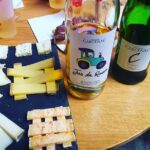
The tour ends with an introductory tasting session featuring 8 to 10 organic and local honeys. This is where the visit really clicks, because you can translate your new knowledge into your own taste preferences.
The tasting also helps you slow down. Honey is easy to rush, but tasting prompts you to pay attention: sweetness level, aroma, thickness, and the way each honey lingers. Your senses from earlier in the visit—especially smell—make this part easier and more enjoyable.
If you want a practical approach, do this: try them in order, then do a second pass on your top two. That’s usually when flavors become clearer and you start to notice the differences beyond the obvious sweetness.
A nice bonus is that you’re not pressured to buy. The farm makes honey available for sale (because of course they do), but the tour itself stands on its own. You’ll leave informed first, and that makes any shopping feel like a follow-up rather than a requirement.



Price and duration: why $13.80 feels fair for this kind of access

For $13.80, you get a full hour-plus of guided, hands-on bee education plus a tasting of multiple honeys. In many tourist settings, “tasting” means one small sample. Here, it’s a lineup—8 to 10 varieties—so you get real practice comparing.
The duration also works. At 1 hour 15 minutes, you’re not committing an entire day. That makes it a good fit for people with a packed itinerary who still want something authentic and farm-based.
English is offered, so if your French is rusty, you can still follow along smoothly. And because it’s a private tour, you’re not fighting for attention in a large crowd.
Who should book (and who might want another option)

This is a great choice if you want a close-up animal encounter that’s grounded in care and education. It’s also a smart pick if you like practical learning—seeing the hive, understanding the roles, and doing a hands-on step like uncapping a frame.
It’s friendly for families too, including children, because the structure is stage-by-stage and visual. It’s not a long lecture, and the humor helps keep things moving.
If you’re sensitive to strong smells, being around live insects, or wearing protective gear, you’ll want to consider whether hands-on moments will feel comfortable for you. The visit is designed so most travelers can participate, but it’s still close-range beekeeping.
Accessibility is part of the setup: people who are blind or visually impaired benefit from a booklet in relief and in contrasting colors, and service animals are allowed. If you have specific access needs, I’d treat this as a “ask first” situation before you go, since the live-hive part can affect how information is delivered.
When to go and what weather means for your plans

The activity requires good weather. If conditions are poor, it can be canceled and you’ll be offered a different date or a full refund.
That matters because many bee farms are affected by cold, wind, or rain. If you’re planning a trip with flexible scheduling, it’s worth building this kind of outdoor-forward activity into your easier day. If your schedule is tight, have a backup plan for the same afternoon or next day.
Should you book L’Arc en Miel?
I think you should book if you want a bee visit that feels practical, real, and respectful. The combination of safe hive opening, glass views, hands-on beekeeping tasks, and a tasting of 8–10 organic honeys is a strong package for the time and price.
Skip it only if you want a typical sightseeing tour with lots of walking around and big scenery stops. This is focused on the bee world and the work behind honey. That’s the point, and it’s worth leaning into.
If you go, go with the mindset of learning by observation. You’ll leave less confused about what’s inside a hive and more confident picking honeys you actually like.
FAQ
FAQ
Where is the tour meeting point?
The tour meets at L’Arc en Miel, 633 Mas de Rouby, Chemin du, 12400 Saint-Affrique, France, and it ends back at the same meeting point.
How long is the visit?
The visit lasts about 1 hour 15 minutes.
Is the tour private?
Yes. It’s a private tour/activity, so only your group participates.
Is it offered in English?
Yes, the experience is offered in English.
Do I get a mobile ticket?
Yes. A mobile ticket is included.
Are service animals allowed?
Yes, service animals are allowed.
Is the visit suitable for most people?
Yes, most travelers can participate.
What happens if the weather is bad?
The experience requires good weather. If it’s canceled due to poor weather, you’ll be offered a different date or a full refund.
Is there anything special for visitors with visual impairments?
People who are blind or visually impaired benefit from a booklet in relief and in contrasting colors.