REVIEW · COGNAC
Visit Citadelle Gin Distillery
Book on GetYourGuide →Operated by COGNAC FERRAND · Bookable on GetYourGuide
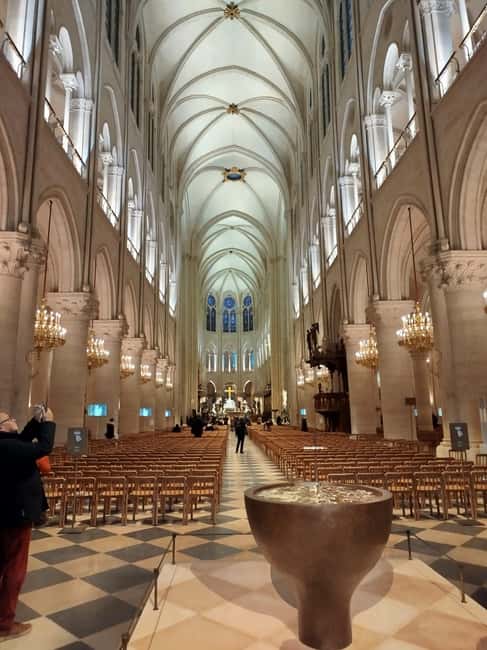
Gin with cathedral-grade drama.
I love how this visit gives you a cathedral distillery view of gin production, not just a quick walkthrough. I also love that you finish with a proper four-gin tasting, so the story turns into something you can actually compare. The one catch: the experience is very gin-centered—if you truly dislike gin, you may feel stuck in a tasting-heavy format.
You’ll be guided in English, Spanish, and French, and the whole thing moves at a friendly pace (about 90 minutes for the gin experience). One more thing I’d note upfront: there are multiple stops in the overall plan, so if you hate moving around on a schedule, build in some breathing room.
In This Review
- Key points to know before you go
- Where the Citadelle gin story starts: Château de Bonbonnet area
- The cathedral distillery and Charente stills you’ll actually see
- Juniper fields, orangery growing, and what Citadelle controls
- The patented infusion and maceration technique (the real mechanics)
- How gin aging shows up in the glass
- The tasting flight: Original, Jardin d’été, Rouge, Cornichon
- Maison Ferrand stop: spirits/wine tasting and a self-guided walk
- What duration and pacing feel like in real life
- Price and value: $17 for a guided distillery plus a four-gin flight
- Who this tour is best for (and who should think twice)
- Should you book Citadelle gin distillery?
- FAQ
- Where is the meeting point for the Citadelle gin distillery visit?
- How long is the visit?
- What gins are included in the tasting?
- Does the tour include production explanations?
- What production equipment or distillery details are included?
- What languages are available for the live tour guide?
- How much does the tour cost?
- Is it free for children?
- Is the tour wheelchair accessible?
- Is free cancellation and pay-later booking available?
Key points to know before you go
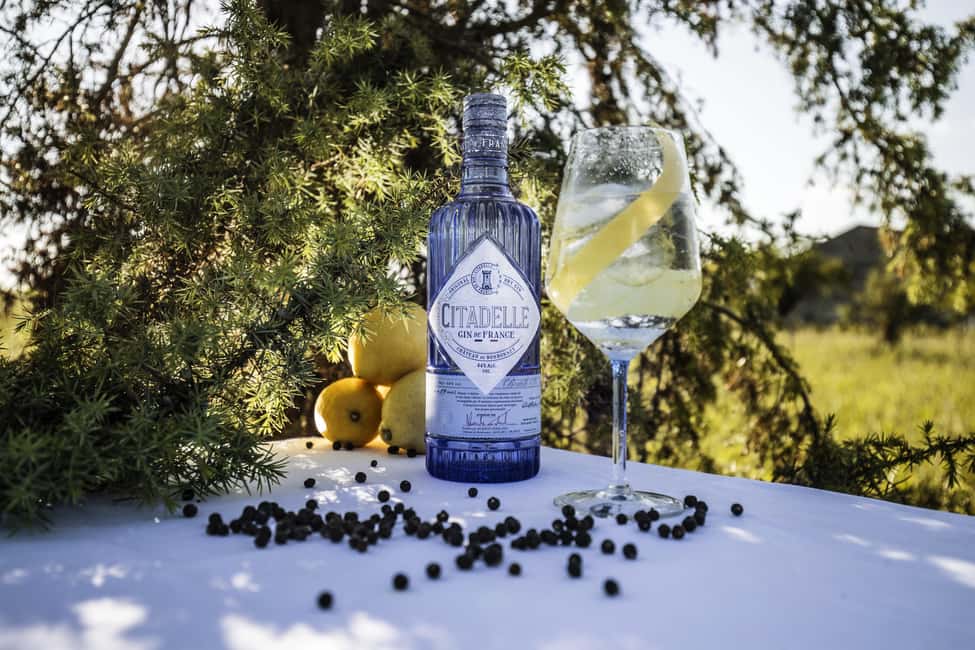
- Cathedral distillery + Charente stills: see how the building and equipment work together for gin production
- Patented infusion process: you’ll learn the specific technique behind Citadelle’s style
- Four-gin tasting flight: Original, Jardin d’été, Rouge, and Cornichon
- Maceration and aging explained: not just what happens, but why it matters
- Guide-led and multilingual: English, Spanish, French, with a guide who wears a sailor top
Where the Citadelle gin story starts: Château de Bonbonnet area
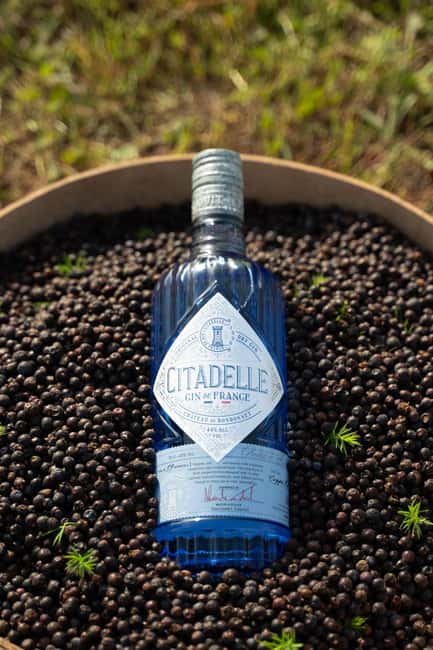
Citadelle’s visit is tied to the Château de Bonbonnet setting, and you feel that “production place” vibe right away. This is not a sterile tasting room with souvenirs and vibes only. It’s a working distillery environment where the gin process is built around controlled ingredients and repeatable steps.
When you arrive, you’ll meet the guide at the Société Protectrice des Animaux de Cognac S.P.A. area, and you’ll be able to spot the guide by the sailor top. That little detail matters more than you’d think on a busy day—Cognac region sites can look similar from the road, so having a clear meetup cue keeps stress low.
From there, your time is structured around seeing production and then tasting the results. That’s the best kind of distillery tour: you leave with the answer to a question you didn’t know you had.
You can also read our reviews of more tours and experiences in Cognac.


The cathedral distillery and Charente stills you’ll actually see
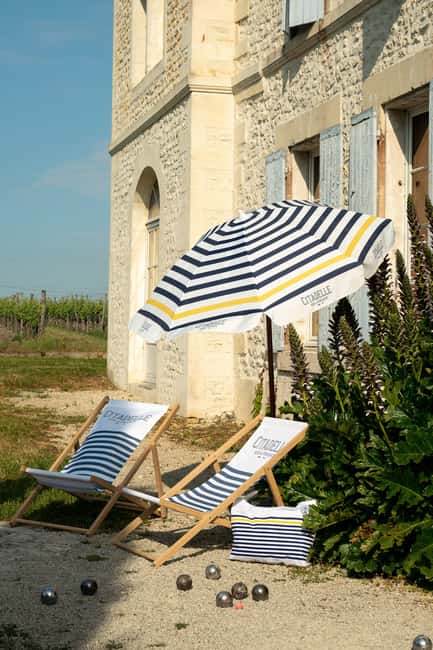
One reason I like this tour is how visual it is. You’re not just told about gin—you’re shown production in the kind of distillation setup that makes the process feel real. The stop includes the cathedral distillery concept and the Charente stills, and that helps you understand why gin can be delicate yet complex.
Gin is all about botanical extraction. In a traditional spirit story, the bottling comes last and the “how” stays vague. Here, the tour focuses on the machinery and method. You’ll see and hear how the distillation environment and technique shape the final spirit.
If you’re the kind of person who likes to connect the dots—how a plant becomes flavor—this is a strong match. And even if you’re not a gin nerd, the physical setting does half the explaining for you.
Juniper fields, orangery growing, and what Citadelle controls
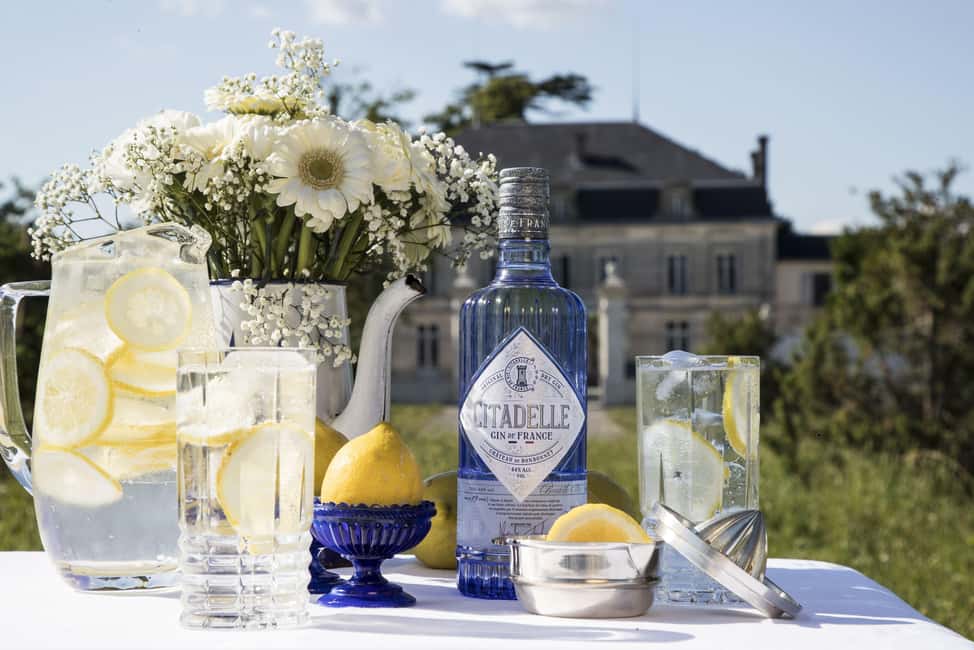
A big part of the Citadelle pitch is control. The team works to manage more of the input chain than you might expect, including juniper fields and citrus/aromatic growth in the orangery. That means the tour isn’t only about “press button, make gin.”
You’ll also hear about the orangery where citrus and aromatic plants grow. That matters for two reasons:
- You’re seeing that the botanicals aren’t an afterthought.
- You can better understand why different gin expressions taste different, even when the core character stays recognizable.
This is where the tour can win skeptics. If you only associate gin with one flavor profile, you’ll learn how specific botanical choices and controlled sourcing can change what you taste later in the glass.
The patented infusion and maceration technique (the real mechanics)
Here’s where the tour gets practical. You’ll discover the patented infusion process and the maceration technique used in production. Those words can sound intimidating, but the tour’s goal is simple: make the process understandable.
Maceration is the botanical soaking/extraction step—basically how the gin draws flavor from plant material. The infusion technique is the next layer: the way botanicals and other elements get brought into the spirit process. When a tour explains both, you can start to taste with context instead of guessing.
If you like learning tools you can use elsewhere, this part helps. Once you understand maceration and infusion in a gin context, you’ll be able to spot why certain gins feel lighter, more aromatic, or more structured—without needing to memorize a chemistry chart.
How gin aging shows up in the glass
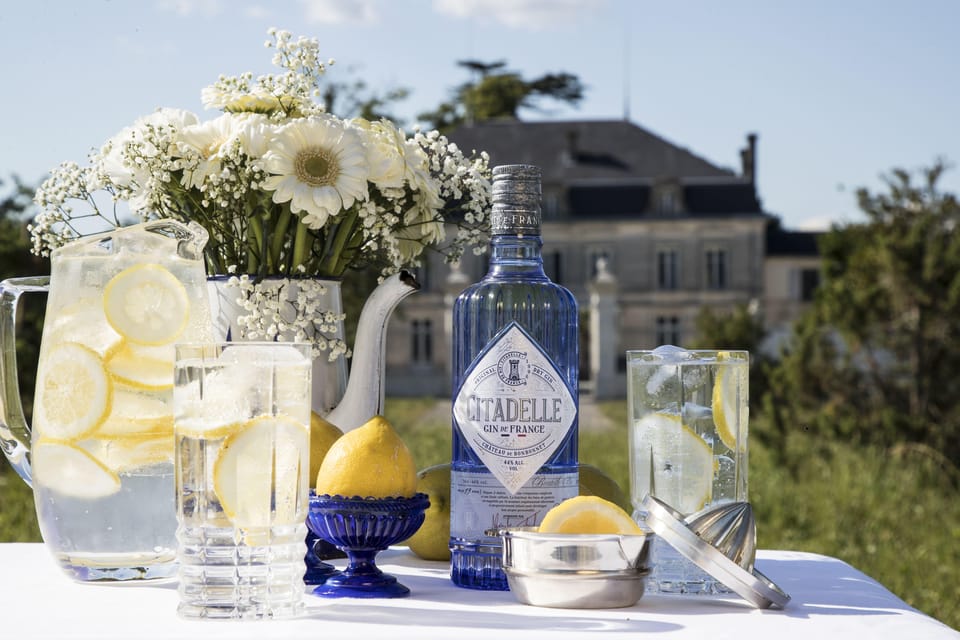
You’ll also learn about aging—what happens after distillation and how time and handling affect the spirit. Gin isn’t always thought of as a spirit that needs aging, so hearing the aging process explained gives you a clearer picture of Citadelle’s approach.
In a tasting tour, aging can be easy to overlook. But when you pair the explanation with a structured tasting flight, you start noticing small shifts in smoothness and structure. Even if you can’t name every nuance, you’ll be able to tell whether one gin feels sharper, rounder, or more balanced than another.


The tasting flight: Original, Jardin d’été, Rouge, Cornichon
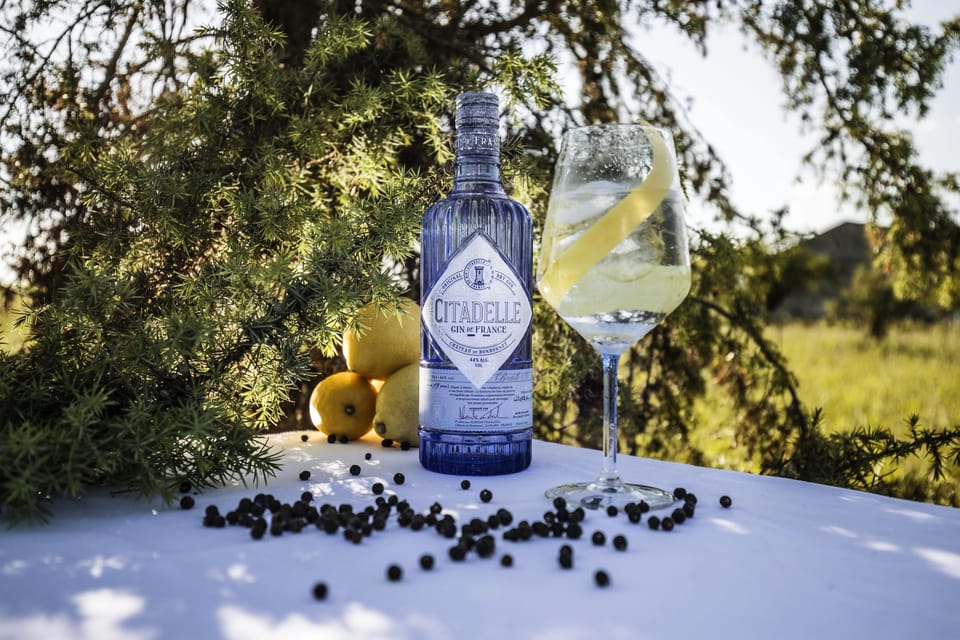
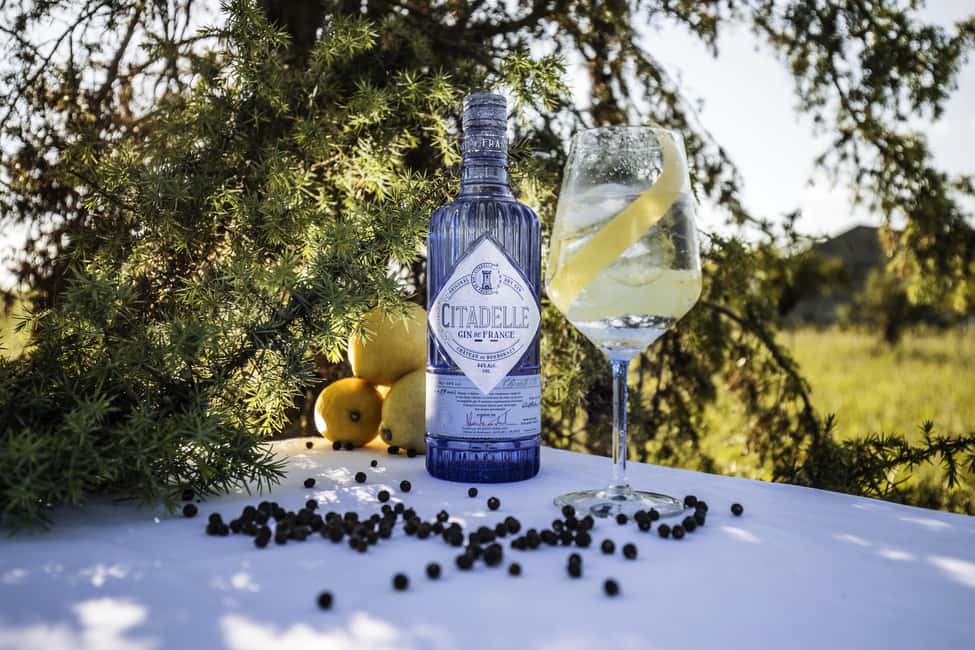
The tour’s finale is a tasting of four different gins: Original, Jardin d’été, Rouge, and Cornichon. I like this lineup because it’s built to let you compare styles, not just take sips one by one.
This is also where the tour’s earlier explanations pay off. Once you’ve heard about infusion, maceration, botanicals, and aging, the tasting stops being random. You get to test what you learned:
- Original gives you the core reference point
- Jardin d’été is tied to the summer garden idea
- Rouge suggests a different red expression within their range
- Cornichon is famously quirky as a name, which makes it memorable for comparison
The tasting portion is also the reason the experience is worth doing for more than just gin fans. One review experience notes that people who don’t even care for gin walked away with bottles anyway. That’s usually a sign the tour set expectations correctly—by the end, the gin you taste feels tied to ingredients and technique, not just marketing.
Practical tip: take notes if you’re the type who forgets everything after the second sip. The best comparisons happen when you can remember what you preferred five minutes earlier.
Maison Ferrand stop: spirits/wine tasting and a self-guided walk
In the overall visit flow, there’s time at Maison Ferrand: spirits and wine tasting, plus a walk and self-guided tour element. The plan includes about 1.5 hours for this part, before you return to the starting point area.
Why is this included? It helps you place gin in a broader spirits-and-wine context. Ferrand is part of the wider Cognac orbit, and spending some time there adds a sense of “regional production mindset.” You get a palate warm-up and a better sense of how producers in this area think about blending, aroma, and craftsmanship.
One drawback to keep in mind: because this portion is self-guided, you’ll want to go with a curious attitude. If you prefer only live interpretation, ask questions early when you can, and don’t be shy about pointing out what you’re tasting.
What duration and pacing feel like in real life
The gin experience itself is listed at 90 minutes, which is a sweet spot. It’s long enough to explain the process, but short enough that you don’t feel trapped in a three-hour lecture.
You should expect the tour to move through production visuals first, then technical explanations, then the tastings. In practice, that order works. You learn what you’re looking at, you understand the how, and then you test it.
Also: the tour is live-guided, with English, Spanish, and French options. That’s not just convenience—translation quality affects how much you catch. When you can hear the process described clearly, you’ll taste better.
Price and value: $17 for a guided distillery plus a four-gin flight
At $17 per person, this feels like solid value—especially because you’re not paying only for a branded pour. You’re paying for access to production storytelling and a set tasting flight: Original, Jardin d’été, Rouge, and Cornichon.
Distillery tours can be expensive when they focus on ambiance. This one earns its price by being structured:
- You see production elements (including the still setup)
- You learn the maceration and patented infusion approach
- You get a comparison flight with four expressions
If you go into the experience expecting a quick sample, you’ll feel undercharged. If you go in expecting deep gin mechanics, you’ll feel like the tour respects your time.
Who this tour is best for (and who should think twice)
This is a strong fit for:
- People who want craft spirits education with a tasting at the end
- Gin fans who want more than a basic “how it’s made” story
- People who are curious about ingredients like juniper fields and citrus/aromatic growing
It’s also surprisingly workable for people who don’t love gin yet. The tour’s range—four expressions—means you can find what fits your taste, even if Original isn’t your style.
Think twice if:
- You dislike gin entirely and don’t want to taste multiple versions
- You hate tours that include a tasting component as a main event
- You prefer a fully guided experience with no self-guided section in the overall plan
Should you book Citadelle gin distillery?
I’d book it if you want a guided gin experience that connects ingredients to technique and then to flavor in a four-gin tasting flight. The cathedral distillery setting, the Charente stills, and the explanation of maceration plus the patented infusion process give you real substance for the price.
If you’re only looking for a social drink stop, you might feel it’s more educational than casual. But if you enjoy learning while you taste, this is the kind of tour that sticks with you—because it teaches you how to read the bottle after the visit.
FAQ
Where is the meeting point for the Citadelle gin distillery visit?
The meeting point is Société Protectrice des Animaux de Cognac S.P.A., and you should be able to recognize it from the chateau. The guide will wear a sailor top.
How long is the visit?
The duration is listed as 90 minutes.
What gins are included in the tasting?
You’ll taste four gins: Original, Jardin d’été, Rouge, and Cornichon.
Does the tour include production explanations?
Yes. The tour includes an explanation of the maceration technique and information about the aging process of gin.
What production equipment or distillery details are included?
The experience includes discovery of a cathedral distillery and its Charente stills.
What languages are available for the live tour guide?
The live tour guide is available in English, Spanish, and French.
How much does the tour cost?
The price is listed as $17 per person.
Is it free for children?
Yes, it’s free for under 18s.
Is the tour wheelchair accessible?
Yes, the activity is listed as wheelchair accessible.
Is free cancellation and pay-later booking available?
Free cancellation is available up to 24 hours in advance for a full refund. You can also reserve now and pay later.