REVIEW · YVRAC
Bordeaux: Explore an Organic Family Vineyard with Tasting
Book on GetYourGuide →Operated by Vignoble Pestoury · Bookable on GetYourGuide
At Pestoury Vineyard, wine starts with a family story. This is a five-generation farm where Marie, Isabelle, or Bertrand can lead you from the vines to the cellar, then pour a broad tasting of Bordeaux wines, sparkling bottles, and sometimes house-made grape juice. The visit stays small, with no more than 10 people.
I like the personal family guiding and the chance to taste up to 10 different wines for just $21. I also like that organic farming is treated as part of the wine lesson, not a marketing footnote. You’ll hear how work since 2020 aims to support biodiversity and how soil, weather, and grape varieties shape the final bottle.
The main consideration is transport. You must arrange your own way to the vineyard, so this is not a carefree hop-on, hop-off stop. The outdoor portion also depends on weather, and 90 minutes goes quickly if you want a long vineyard walk or lots of questions.
In This Review
- Key points to know before you book
- A family welcome before the first glass
- Bordeaux in 65 appellations
- Walking among the vines
- Inside the cellar, from grape to bottle
- The tasting: a wide range for $21
- Why the small group makes a difference
- Is Pestoury Vineyard good value?
- Timing, language, and practical comfort
- Who should choose this vineyard visit?
- Should you book Pestoury Vineyard?
- FAQ
- How long does the Pestoury Vineyard tour last?
- How much does the experience cost?
- How many wines can I taste?
- Who leads the tour?
- Is the tour available in English?
- Is transportation included?
- Can I cancel or pay later?
Key points to know before you book
- A five-generation family vineyard: Marie often leads the visit, with Isabelle and Bertrand also serving as guides.
- A useful Bordeaux introduction: A detailed map explains the region’s 65 appellations before you start tasting.
- Organic farming since 2020: You’ll learn how vineyard work affects soil, wildlife, and biodiversity.
- A full winemaking tour: The route covers vines, fermentation tanks, barrels, aging, harvesting, and bottling.
- Up to 10 wines in 90 minutes: The tasting can include dry and sweet whites, rosé, reds, sparkling wines, and grape juice if available.
- Small and accessible: The group is limited to 10 participants, the tour is offered in English or French, and the site is wheelchair accessible.
A family welcome before the first glass
Pestoury Vineyard gives you a different kind of Bordeaux wine experience. You are not simply shown a grand estate, handed a glass, and sent on your way. The visit begins with the people who work the vineyard and know its story from childhood.
Marie is usually the guide, though Isabelle and Bertrand may lead your tour. The family connection matters because it gives the explanations a natural shape. You learn not only what happens in a cellar, but why this family makes decisions in a certain way and how five generations have shaped the property.
The mood is friendly and informal, but the content is serious. You can ask beginner questions without feeling out of place, and a more experienced wine drinker can ask about grape varieties, fermentation, or aging. One person in a group does not drink wine? That is not a problem. The tour includes enough farming and production detail to keep a non-drinker interested, and grape juice may be available for tasting.
Bordeaux in 65 appellations
The first formal stop is a detailed map of Bordeaux. This is a smart way to begin because Bordeaux wine labels can seem like a code to anyone who has not studied the region.
You’ll learn that Bordeaux is divided into 65 appellations, each with its own place, rules, grape choices, and style. That context makes the later tasting more useful. Instead of hearing only that one wine is red and another is white, you begin to understand why wines from different parts of Bordeaux can taste so unlike one another.
The map also helps you place the vineyard within the wider region. Bordeaux is known for powerful reds, but this tour makes room for the region’s dry whites, sweet whites, rosé, and sparkling wines. That wider range is one of the best reasons to choose this visit over a tasting focused only on red Bordeaux.
I find this opening especially helpful if you are new to French wine. It gives you a simple framework before the technical terms begin. The drawback is that the introduction takes part of a 90-minute visit, so you should not expect a long lecture on every appellation.
Walking among the vines
If the weather allows, you begin outside among the vines. This is where Marie or another family guide explains that wine flavor starts long before the grapes reach the cellar.
You’ll look at the grape varieties, soil, and terroir, then connect those factors with the aromas, texture, and taste in the glass. The point is not to turn you into a viticulture expert in one afternoon. It is to show you that wine is shaped by a chain of choices, beginning with the plant and the ground beneath it.
The family also explains seasonal work. The vines do not follow a tourist schedule, and the tasks change throughout the year. You get a clearer idea of why harvest timing matters, why weather affects decisions, and why winemaking includes plenty of work between the attractive moments of a vineyard visit.
Since 2020, Pestoury has been working toward organic farming practices. The tour explains how this approach can affect biodiversity and the wider environment. This is a valuable part of the experience because you hear about farming in practical terms: the relationship between vines, soil, seasonal conditions, and the living things around them.
The outdoor section is weather dependent, so bring comfortable shoes and clothing suited to the forecast. Rain does not necessarily spoil the visit. The family has welcomed visitors in wet off-season conditions, with the indoor parts still offering plenty to see and discuss. Still, poor weather may reduce your time among the vines.
Inside the cellar, from grape to bottle
The cellar is the working heart of the visit. Here you follow the production process from fermentation through aging and bottling.
You’ll see tanks and barrels and learn how each can affect a wine’s flavor and texture. The guide explains the differences in handling white, rosé, and red wines, rather than treating every bottle as if it follows the same recipe.
Timing receives proper attention. Harvesting too early or too late can change the balance of a wine, and bottling also requires judgment. These details help you understand why a finished bottle reflects more than the grape variety printed on its label.
I like this part because it fills in the gap between vineyard talk and tasting language. When you later smell or taste a wine, you have some idea of what may have happened along the way. You can connect freshness, body, texture, and aroma with grape growing, fermentation, tanks, barrels, or aging.
The cellar tour is also a good fit for visitors who are curious about how small producers work. A family-run operation offers a close look at decisions made on one property, rather than a general explanation of industrial wine production. You should not expect a huge commercial facility or a grand château tour. The appeal is the working scale and direct access to the family’s methods.
The tasting: a wide range for $21
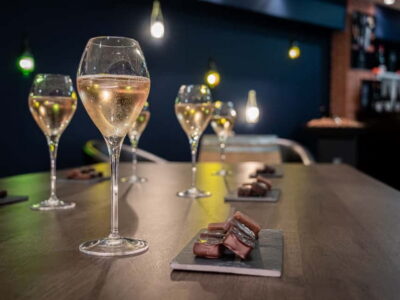
The tasting is the payoff, and the selection is unusually broad for a 90-minute visit. Depending on availability, you may try Bordeaux Blanc Sec, a dry white; sweet white wine; Bordeaux Rosé; several Côtes de Bordeaux reds; sparkling wines; and house-made grape juice.
The number can reach 10 wines. That makes the $21 price strong value, especially when you consider that the fee also covers the vineyard introduction, cellar visit, Bordeaux map, organic farming discussion, and guided tasting instruction.
Do not treat the tasting as a race. Marie explains the basic method of looking, smelling, and tasting, so you can compare the wines rather than simply swallow one sample after another. Look at color and clarity, notice the aromas, then taste for balance, texture, sweetness, acidity, and finish.
The variety is useful for comparing styles. A dry white gives you a different starting point from a sweet white. Rosé changes the pace again, while the Côtes de Bordeaux reds show another side of the region. Sparkling wine adds a festive finish, and grape juice gives non-drinkers or younger visitors something to enjoy when it is available.
The exact number of wines is not fixed. The experience promises up to 10, and grape juice is subject to availability. That wording matters. You should expect a generous selection, but not assume every listed style will be poured at every sitting.
If you like one of the wines, additional bottles are available to buy. That can be a practical way to take home something you tasted, though extra purchases are not part of the $21 fee.
Why the small group makes a difference
The group limit is 10 people. That is small enough for questions and personal attention, without making the visit feel like a private appointment.
Marie adjusts the discussion to the people in front of her. Beginners can ask how to taste wine, while experienced drinkers can spend more time on production choices or regional differences. A smaller group also makes it easier to hear explanations in the cellar and stay connected to the guide outside.
Family-run does not mean unstructured. The visit follows a clear path: Bordeaux overview, vines, cellar, and tasting. The relaxed tone simply leaves room for conversation.
This format suits couples, families, and small groups of friends particularly well. It also works for solo visitors who prefer a social setting without a large coach group. If you want a grand-property tour with formal architecture and a polished script, this is a different experience. Here, the vineyard and the family take center stage.
Is Pestoury Vineyard good value?
At $21 per person, I consider this one of the better-value wine activities in the Bordeaux area. The price is low enough to fit into a wider day of sightseeing, but the content is substantial: regional background, vineyard work, organic farming, cellar production, and a tasting that can include 10 wines.
The value improves if you are still learning about wine. A single tasting without context can leave you with a pleasant afternoon but little understanding of what you drank. Pestoury links the glass to the soil, vines, tanks, barrels, and bottling decisions.
It also offers good value for mixed-interest groups. Someone who cares about farming can focus on biodiversity. Someone who enjoys history can listen to the five-generation family story and Bordeaux’s regional development. A wine lover can compare styles and ask about production. A non-drinker can follow the full process and may have grape juice if available.
The tradeoff is that transport is not included. You need to plan your own route to the vineyard, and the experience does not include a transfer from Bordeaux. The provider can offer guidance about transport options if you need help, but the responsibility remains yours.
Timing, language, and practical comfort
The experience lasts 90 minutes. That is long enough for a proper introduction and tasting, but short enough to fit into a day of exploring Bordeaux. Check available starting times when you book because the schedule can vary.
Tours are offered in English and French. Marie often guides in a warm, clear style, while Isabelle and Bertrand may also lead the visit. If you have specific interests, it is worth bringing your questions. The family aims to tailor the discussion to the group.
Wear comfortable shoes. The tour can include time outdoors among the vines, and practical footwear is more useful than anything stylish. Bring weather-appropriate clothing because the outdoor introduction depends on conditions.
The site is wheelchair accessible, which makes this a more practical choice for visitors who need an accessible setting. You should still confirm any personal access needs in advance if you have questions about the route or facilities.
Cancellation is flexible: you can cancel up to 24 hours ahead for a full refund. You can also reserve now and pay later, which helps if your Bordeaux plans are still shifting.
Who should choose this vineyard visit?
I would choose Pestoury Vineyard if you want a personal introduction to Bordeaux wine rather than a grand, formal estate visit.
It is especially suitable for:
- First-time wine tasters who want clear guidance
- Experienced drinkers who enjoy comparing many styles
- Families and mixed groups with different levels of wine interest
- Visitors curious about organic farming and biodiversity
- People who value direct contact with a small family producer
- Anyone looking for a reasonably priced activity with a tasting included
You may want a different option if you need transportation included, want a long half-day vineyard outing, or prefer a tour centered on grand architecture. The 90-minute format is focused and useful, but it is not designed as a full-day wine route.
Should you book Pestoury Vineyard?
Yes, if you can arrange transportation and want a friendly, hands-on look at how Bordeaux wine is made. The five-generation family story, the small group, and the chance to taste up to 10 wines give the visit real substance for $21.
I would book it early if you want Marie as your guide, since she most often leads the tours but Isabelle or Bertrand may host you instead. Come ready to ask questions, wear sensible shoes, and keep an open mind about Bordeaux beyond its famous reds. If you do, this short visit can give you a useful understanding of the region, the work behind each bottle, and the people who make the wine.
FAQ
How long does the Pestoury Vineyard tour last?
The tour lasts 90 minutes, including the Bordeaux introduction, vineyard and cellar visit, and guided wine tasting.
How much does the experience cost?
The price is $21 per person.
How many wines can I taste?
You can taste up to 10 wines. The range may include dry white, sweet white, rosé, Côtes de Bordeaux reds, and sparkling wines. House-made grape juice is available subject to availability.
Who leads the tour?
A family member leads the tour. Marie is the most frequent guide, while Isabelle and Bertrand may also host the visit.
Is the tour available in English?
Yes. The tour is offered in both English and French.
Is transportation included?
No. You must arrange your own transportation to and from the vineyard. The provider can offer guidance about available transport options.
Can I cancel or pay later?
You can cancel up to 24 hours in advance for a full refund. Reserve now and pay later is also available.