REVIEW · PASSY GRIGNY
Passy-Grigny: Chocolate and Champagne Tasting Tour
Book on GetYourGuide →Operated by Champagne DOM CAUDRON · Bookable on GetYourGuide
The clever part of this Passy-Grigny Champagne tour is its pairing: you learn how Champagne is made, then taste three Champagnes with three chocolates. I like the clear production focus, and I like that the experience takes place at a smaller village house rather than following the usual Reims and Épernay circuit. Guides such as Fanny, Clémentine, and Katja have been singled out for warm, lively presentations.
The main drawback is getting there. Passy-Grigny has no convenient public transportation, so you should plan to drive or arrange a taxi or ride service. At $31 per person, the tour offers solid value, but it is more about pressing, fermentation, and modern production than grand historical rooms or famous-name Champagne glamour.
In This Review
- Key points at a glance
- Why Passy-Grigny makes a good Champagne stop
- Arriving at Champagne Dom Caudron
- The 75-minute tour, from village roots to modern vats
- What you learn about Champagne production
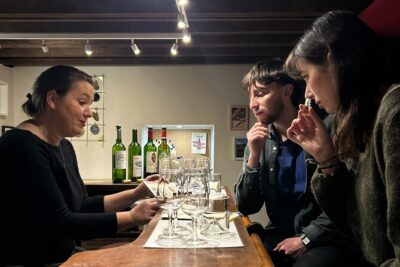
- The chocolate and Champagne tasting
- How the value compares at $31
- How this tour differs from Reims and Épernay
- Who will enjoy Dom Caudron most
- Timing, flexibility, and planning advice
- Should you book this Champagne and chocolate tour?
- FAQ
- Where does the Champagne and chocolate tour begin?
- Where does the activity end?
- How long does the tour last?
- Is the tour offered in English?
- What is included in the tasting?
- Is the tour wheelchair accessible?
- Can I cancel the booking?
Key points at a glance
- Three Champagne and chocolate pairings: The tasting matches three Champagnes with three chocolates, giving the final part of the tour a clear purpose.
- A 75-minute English tour: You see how Champagne is made, with explanations aimed at both beginners and people who already know the basics.
- A working production story: The visit connects the village’s first press with the current modern vat house.
- A 1929 village beginning: Learn how priest Aimé Caudron brought the winemakers of Passy-Grigny together.
- A quieter alternative to Reims and Épernay: The village setting offers a different pace from the best-known Champagne stops.
- Good practical flexibility: The activity is wheelchair accessible, and you can cancel up to 24 hours ahead for a full refund.
Why Passy-Grigny makes a good Champagne stop
Most first-time Champagne visitors head straight for Reims or Épernay. That makes sense, but the Marne Valley offers a more local angle. Passy-Grigny is a village in the heart of the valley, and Champagne Dom Caudron tells its story through the growers and equipment that make the wine possible.
The roots of the house reach back to 1929, when the village priest Aimé Caudron gathered local winemakers around a shared idea. The story is tied to the Meunier grape, an important part of Champagne production. Instead of treating Champagne as a luxury product that appears magically in a polished bottle, the tour places it in the setting where grapes are grown, pressed, and turned into wine.
I like that approach. You get a sense of the people and machinery behind the label. The experience is also a useful change of pace if you have already visited one of the large, famous Champagne houses. It does not try to copy the grand cellar tours in Reims. Its strength is a closer look at production.
You can also read our reviews of more tours and experiences in Passy Grigny.

Arriving at Champagne Dom Caudron
The tour begins and ends at Champagne Dom Caudron, 10 Rue Jean-York, 5170, Passy-Grigny. Allow time to find the address and arrive ready to start, since the complete activity lasts only about an hour and a half.
The practical warning is important: public transportation is not readily available to the site. You should drive if you have a car, or arrange a taxi, Uber, or Bolt. One of the clearest lessons from the experience is that the tour itself is easy, but reaching the village requires planning.
That transport issue may affect your decision more than the price. If you are staying in Reims or Épernay without a car, check the ride options before booking. If you are driving through the Marne Valley, Passy-Grigny is a sensible stop and gives you a chance to see more of the area beyond the major Champagne centers.
The 75-minute tour, from village roots to modern vats
The guided portion lasts about 75 minutes. It is conducted in English, which makes the technical parts easier to follow if you are not comfortable with French wine terminology.
The tour begins with the background of Dom Caudron and the village’s winemaking community. Aimé Caudron’s 1929 initiative gives the visit a human starting point. You are not simply hearing a long list of dates. You are hearing why local growers joined forces and how that decision shaped the house.
From there, the focus shifts to the Champagne-making process. The tour shows the move from the first press used by growers in Passy-Grigny to the modern vat house used today. That contrast is one of the most useful parts of the visit. It helps you connect old agricultural work with the controlled, technical stages that follow.
You can expect explanations of the production process rather than a tour built mainly around architecture or aristocratic history. That distinction matters. If you want grand interiors, famous owners, or a long account of Champagne’s elite traditions, a major Reims house may suit you better. If you want to understand what happens to the grapes, this tour is better aligned with your interests.
A short documentary is also part of the presentation. It covers the harvest and production process, adding a visual explanation to the guide’s talk. The film may feel less current than the rest of the facility, but it supports the basic story and helps put the equipment and work into context.
Guides have received especially strong praise for the way they handle this section. Fanny is known for an enthusiastic presentation, while Clémentine has been described as pleasant and engaging during the tasting and museum portion. Katja has also been noted for providing attentive service at the tasting. The important point is that the guide makes a difference here: Champagne production can become dry if explained as a list of steps, but a lively presenter keeps it moving.
What you learn about Champagne production
The value of a production tour is that it gives you a better vocabulary for later tastings. You begin to see Champagne as a sequence of decisions, from the vineyard and pressing stage through the wine-making process and the final bottle.
At Dom Caudron, the production story includes both the first press used by the local growers and the current vat house. That makes the tour concrete. You are not only hearing how Champagne is made in theory. You are seeing the setting and equipment connected with the work.
The emphasis on Meunier also gives the visit a regional character. Many visitors arrive knowing Champagne mainly through its best-known grape names, but the Marne Valley has its own identity and traditions. The house’s connection to local growers helps show why a village cooperative or grower-based operation can be an interesting stop.
You should also expect the tour to suit mixed groups. The information is presented for novices and experienced wine drinkers alike. Beginners can follow the broad production steps, while more serious Champagne fans can ask questions and compare what they see with other houses.
The experience is not presented as a private cellar visit in the information provided, so do not book it expecting an intimate, one-family vineyard tour. Its appeal comes from the blend of local roots and modern production.
The chocolate and Champagne tasting
The tasting is the reward at the end of the visit. You sample three Champagnes paired with three chocolates. This is not just a glass of Champagne followed by a plate of sweets. The pairing gives you a simple way to compare how different Champagne styles work with chocolate.
Chocolate can make a tasting more approachable for people who do not usually drink sparkling wine. It also gives experienced drinkers something to think about, since sweetness, bitterness, fruit, acidity, and texture can change how the Champagne tastes.
The tasting has been described as generous in spirit, with good Champagne and high-quality chocolate. The pairings are one of the reasons this experience appeals to people who have already seen a standard Champagne presentation. A traditional tasting may explain the wine well, but the chocolate adds a small surprise and makes the final section more memorable.
The exact Champagne styles and chocolate flavors are not specified, so you should not book this expecting a published menu. The useful promise is the format: three Champagnes and three chocolates, served together as part of the guided experience.
The staff’s approach also matters. Katja has been praised for the service during the tasting, and guides including Clémentine have helped keep the atmosphere relaxed. A good tasting should leave room for questions, and the guide is available to explain what you are drinking rather than simply pouring and moving on.
One practical point: if you are driving, the tasting requires care. The activity includes three Champagne samples, so plan responsibly and do not assume you can drink freely and drive immediately afterward.
How the value compares at $31
At $31 per person, this is a reasonable price for a 90-minute activity that includes a guided English tour, a production visit, and six tasting elements. You are paying for more than the drinks. The price also covers access to the story of the house, the facilities, the film, and the guide’s explanation of the process.
The value is strongest if you want both education and tasting. A basic tasting alone might cost less, but it would not give you the same understanding of what happens before the bottle reaches your glass. A large Champagne house may offer more elaborate surroundings, yet often at a higher price and with a more polished, less local feel.
The price is less attractive if you are interested only in drinking Champagne. The tour takes most of its time explaining production, so you should be ready to listen and walk through the facility before tasting.
I also think the experience works well for a small group with different levels of wine knowledge. One person can ask detailed questions while another simply learns the basic steps and enjoys the chocolate. That shared format makes the price easier to justify than a tasting with no explanation.
How this tour differs from Reims and Épernay
Dom Caudron is a good choice if you have several days in the region and want to move beyond the main city and avenue visits. Reims and Épernay offer major houses, grand names, and easy access to multiple tasting rooms. Passy-Grigny offers a quieter village setting and a closer look at production.
The emphasis here is practical and agricultural. You learn about pressing, vats, harvest, and the grower community. The focus is not primarily on royal connections, grand cellars, or the history of a huge international brand.
That makes it a useful second Champagne experience. After visiting a major house, you may understand the contrast between a polished visitor route and a production-centered village visit. Before visiting the famous houses, it can give you a foundation for understanding what the grand brands are selling.
The area itself is another reason to come. The tour gives you a chance to see more of the Marne Valley, and the village surroundings can fit nicely into a day of driving or cycling in the region. The experience does not include a wider sightseeing itinerary, so you will need to plan any additional stops yourself.
Who will enjoy Dom Caudron most
I would recommend this tour to:
- First-time Champagne visitors who want a clear explanation of the process.
- Wine drinkers who prefer a smaller regional house to a famous brand.
- Couples and friends looking for a tasting with a playful chocolate pairing.
- Families with older children, especially if the production equipment and bottle-opening demonstration appeal to them.
- Repeat visitors to Reims or Épernay who want a different kind of Champagne stop.
- Anyone with a car who can include Passy-Grigny in a Marne Valley outing.
The experience may not suit you if you want a short tasting with almost no instruction. It may also disappoint if your main goal is grand architecture or a famous cellar name. The tour is about how Champagne is produced and enjoyed, not about luxury theater.
It is wheelchair accessible, which makes it more practical for many visitors. Still, you should confirm the details for your own needs when checking availability, since the supplied information does not describe every part of the route.
Timing, flexibility, and planning advice
The duration is listed as 1.5 hours, with a 75-minute guided tour forming the main part of the visit. Starting times vary, so check availability before building the rest of your day around it.
You can cancel up to 24 hours in advance for a full refund. The reserve-now, pay-later option is useful if your Champagne plans are still shifting, especially when you are coordinating transport to a village outside the main centers.
Book with the route in mind. Since the activity returns to its starting point, it is easy to combine with nearby sightseeing if you are driving. It is not a convenient drop-in from public transportation, so do not leave the transport question until the morning of the tour.
The tour is in English and includes a live guide. If your group needs another language, the available information does not promise one, so English should be your expectation.
Should you book this Champagne and chocolate tour?
Book it if you want a well-priced, production-focused Champagne visit with an English guide and a tasting that feels different from the usual format. The three chocolate pairings are a genuine reason to choose it, but the strongest part is the combination of local history, working facilities, and a clear explanation of how Champagne is made.
Skip it if you have no practical way to reach Passy-Grigny, or if you are looking for a grand, highly historic house in Reims or Épernay. For everyone else, $31 buys a useful introduction to the Marne Valley and a pleasant way to finish with Champagne and chocolate.
FAQ
Where does the Champagne and chocolate tour begin?
It begins at Champagne Dom Caudron, 10 Rue Jean-York, 5170, Passy-Grigny.
Where does the activity end?
The tour ends back at Champagne Dom Caudron, the same place where it starts.
How long does the tour last?
The full activity lasts 1.5 hours. The guided tour in Passy-Grigny lasts about 75 minutes.
Is the tour offered in English?
Yes. The activity includes a live English-speaking guide.
What is included in the tasting?
You receive a tasting of three Champagnes paired with three chocolates.
Is the tour wheelchair accessible?
Yes, the activity is listed as wheelchair accessible.
Can I cancel the booking?
You can cancel up to 24 hours in advance for a full refund. You can also reserve now and pay later to keep your plans flexible.