REVIEW · PASSY GRIGNY
Trio Chocolaté – Tour en français – Champagne Passy-Grigny
Book on GetYourGuide →Operated by Champagne DOM CAUDRON · Bookable on GetYourGuide
The clever twist here is the pairing: you learn how Champagne is made, then taste three champagnes with three chocolates. That makes this a useful introduction for beginners, while the old press and modern vat house give wine fans something concrete to examine.
I like the Passy-Grigny setting in the Marne Valley and the link to priest Aimé Caudron, who brought local growers together in 1929. I also like the short 45-minute format, which fits neatly into a day of exploring the Champagne region. The main consideration is simple: the tour is in French, and the winery is kept at 12°C, so bring a jacket.
In This Review
- Key points to know before you book
- The story begins in Passy-Grigny
- Seeing the first press beside modern equipment
- Understanding Meunier and the other grapes
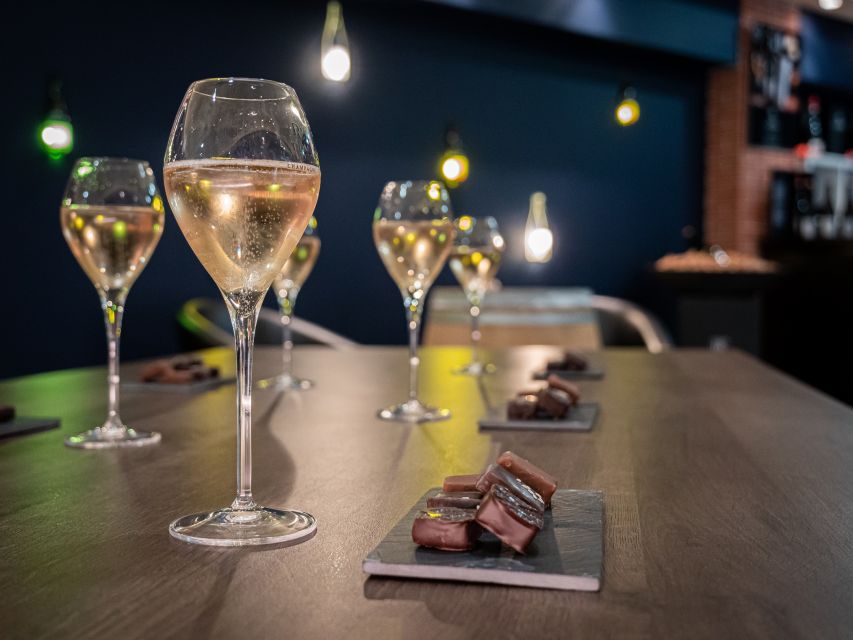
- The tasting pairs three chocolates with three champagnes
- Why the 45-minute format works
- What the French-only format means for you
- The 12°C winery requires one small bit of planning
- Who will get the most from this Champagne visit
- Is $31 a fair price for 45 minutes?
- A practical way to plan your visit
- Should you book Champagne DOM CAUDRON?
- FAQ
- Where does the Trio Chocolaté tour take place?
- How long does the tour last?
- What language is the tour conducted in?
- What will I see during the visit?
- How many Champagnes will I taste?
- How many chocolates are included?
- How much does the experience cost?
- Is the tour wheelchair accessible?
- What should I wear?
- Can pregnant women take this tour?
- Can I cancel my booking?
- Can I reserve now and pay later?
Key points to know before you book
- A village with a Champagne story: Learn how Passy-Grigny growers came together in 1929 under the vision of Aimé Caudron.
- Old and new production: See the first press used by local vine growers alongside the modern vat house.
- A clear introduction to grape varieties: The guide explains the grapes used to make Champagne, including Meunier.
- Three focused pairings: Taste three champagnes with three chocolates rather than sampling wine on its own.
- Short and easy to fit into a day: The guided visit lasts 45 minutes and costs $31 per person.
- French-language format: The explanations are described as clear, friendly, and enthusiastic, but you should be comfortable following a tour in French.
The story begins in Passy-Grigny
Champagne can seem like a product of grand names and polished cellars. This visit offers a different entry point. Its story starts in Passy-Grigny, a village in the Marne Valley, where local growers shaped their own future.
The key figure is Aimé Caudron, a priest with an unusually practical vision. In 1929, he gathered the village’s winemakers together. That act helped create the Champagne House now known as Champagne DOM CAUDRON and placed the Meunier grape at the center of its identity.
This background matters because it gives the visit a local scale. You are not only hearing a general lesson about Champagne production. You are also learning how one village and its growers responded to the demands of making wine in a famous region.
I would pay close attention to this opening story if you are new to Champagne. It explains why grape varieties, cooperation, and local equipment all matter. You get a better sense of the people behind the bottle before you begin thinking about the tasting.
You can also read our reviews of more wine tours in Passy Grigny
Seeing the first press beside modern equipment
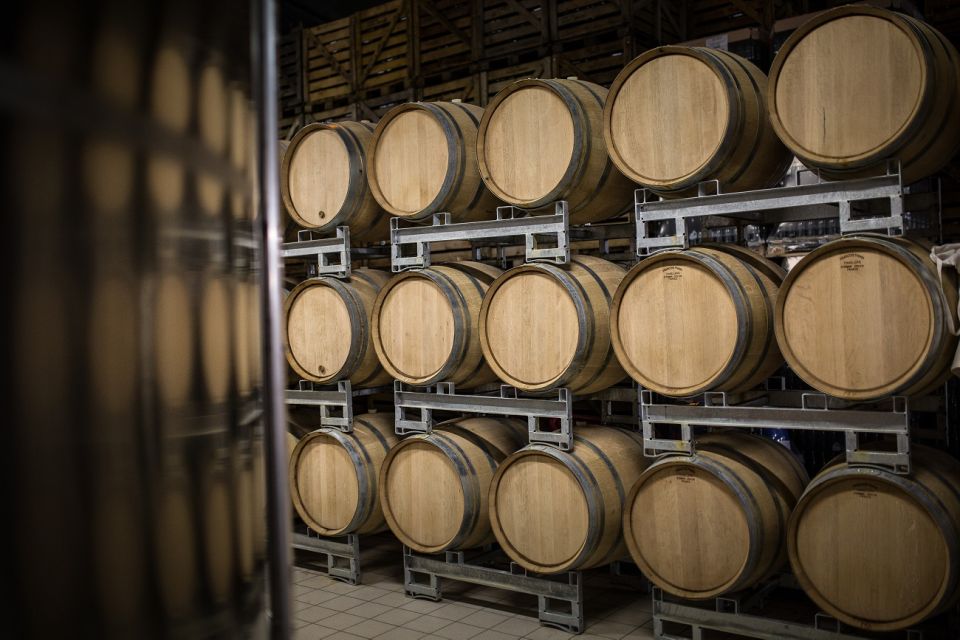
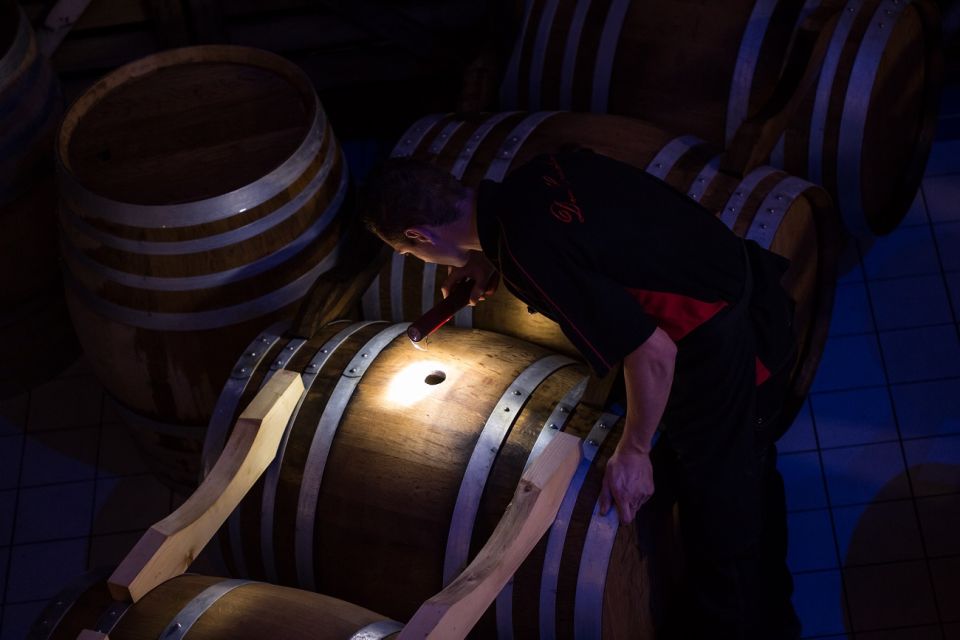
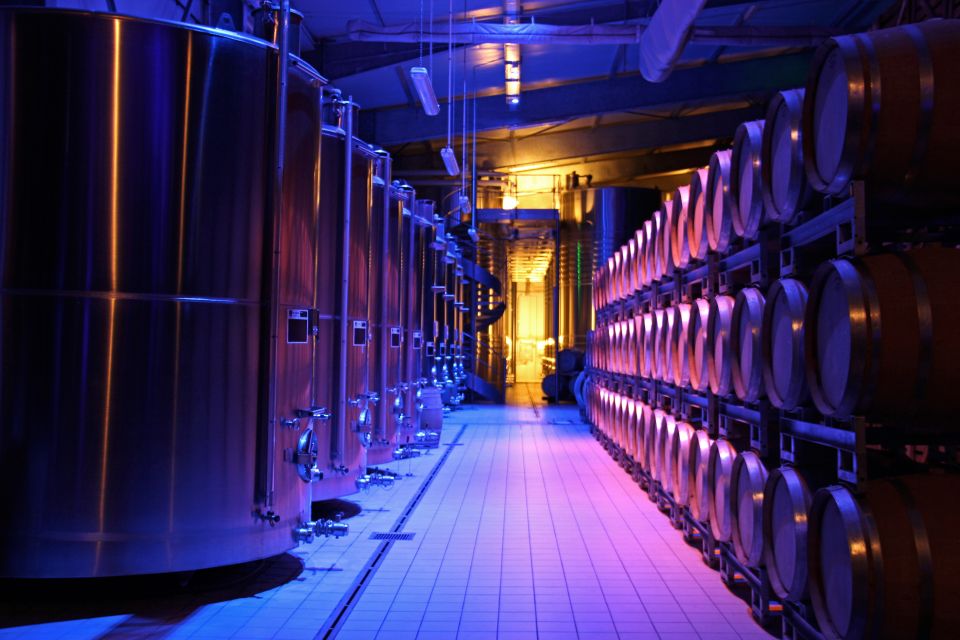
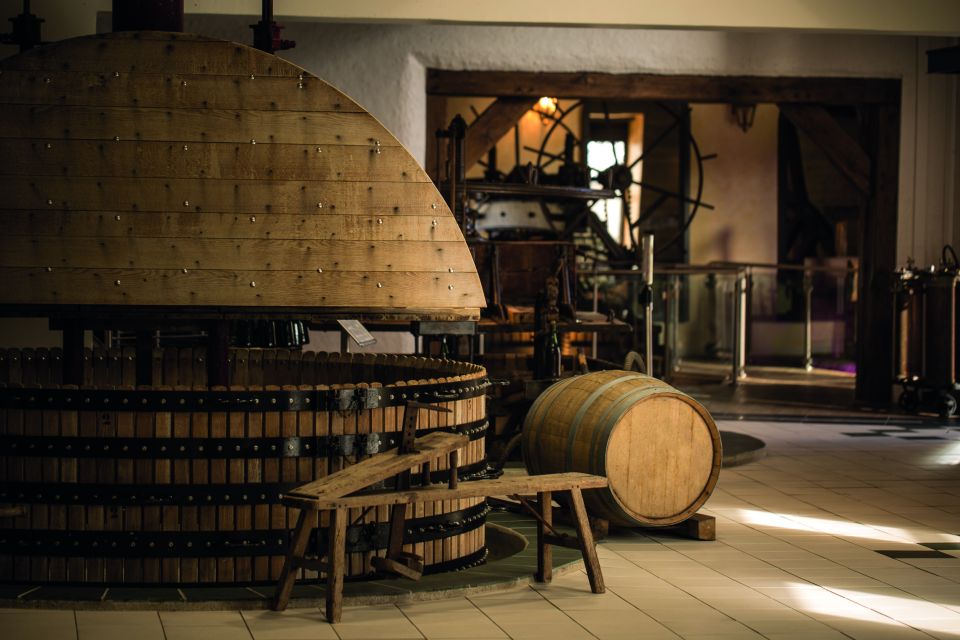
One of the most useful parts of the tour is the contrast between the first press used by Passy-Grigny vine growers and the current modern vat house. The old press gives you a physical connection to the early work of the village. The modern facility shows how Champagne production has moved forward.
The tour does not leave the production process as an abstract explanation. You can look at the equipment and connect the guide’s words to the objects in front of you. That is especially helpful if you have never visited a winery before and are unsure what the different stages involve.
The old and new elements also give the visit a good rhythm. A presentation made only of technical facts could feel dry in 45 minutes. Here, the equipment gives you something to examine while the guide explains how Champagne is made.
You should not expect a long industrial tour with every stage covered in great technical detail. The visit is compact. Its strength is the clear overview: local beginnings, grape varieties, pressing, the modern vat house, and a tasting at the end.
Understanding Meunier and the other grapes
The guide explains the different grape varieties used in Champagne. Meunier receives special attention because of the history of Champagne DOM CAUDRON and the role of the growers in Passy-Grigny.
You may already know Champagne through its best-known grape names, but this visit gives you a chance to see how the varieties fit into the wine’s production. The lesson is useful even if you do not normally study wine. Instead of simply hearing a list of grapes, you can place them within the local story of the house.
The available information does not promise an advanced master class in viticulture, and you should not expect one. What you do get is a guided explanation aimed at both newcomers and people who already know something about Champagne. That broad approach makes the tour a sensible choice for mixed groups, where one person wants basic context and another wants more detail.
The quality of the guide matters here. The tour is conducted in French, and the guide is described as friendly, enthusiastic, and clear in explaining the subject. If your French is limited, the technical vocabulary may require extra effort. If you can follow everyday French and wine terms, the visual equipment and tasting should help reinforce what you hear.
The tasting pairs three chocolates with three champagnes
The final part is the most distinctive: three different chocolates are paired with three different champagnes. This is not simply a glass of wine after the tour. The chocolate pairing gives you a direct way to compare the drinks.
A pairing also slows you down. You are encouraged to notice how each chocolate works with its Champagne rather than treating every sample as the same. Even without formal tasting experience, you can compare the combinations and decide which pairing suits your taste.
The exact Champagne styles and chocolate flavors are not specified, so you should not book expecting particular labels or types. The value is in the structure of the tasting: three wines, three chocolates, and a guide to connect them.
At $31 per person, this tasting adds real value to the short tour. A 45-minute visit without a tasting could feel brief for the price. The production explanation plus six tasting elements makes the experience more rounded, especially if you want a first look at Champagne rather than a lengthy cellar program.
The tasting is also a good reason to schedule this experience when you can give it your attention. It is easy to rush through samples, but the pairing works best when you pause and notice the differences. You do not need to be an expert. You simply need to be willing to compare.
Why the 45-minute format works
The tour lasts 45 minutes, which is short by winery standards. I see that as both a benefit and a limit.
The benefit is flexibility. You can fit the visit between other stops in the Grand Est region without giving up most of your day. It works well for a quick introduction, a family itinerary with limited patience for long lectures, or a Champagne route that includes more than one producer.
The short length also keeps the visit focused. You hear the village story, see the old and modern production equipment, learn about the grape varieties, and finish with the tasting. The tour does not ask you to spend hours on technical details.
The limit is that some subjects can only receive a brief explanation. If you want a long cellar walk, a detailed discussion of fermentation, or an extended comparison of Champagne styles, this is probably not enough on its own. Think of it as a compact introduction with a well-planned tasting, not a full-day wine course.
The clear explanations help the format. The guide has to make each part count, and the available feedback points to explanations that are easy to follow, along with a warm and enthusiastic manner. That combination is important in a short visit.
What the French-only format means for you
This experience is conducted in French. That is the most important practical point before booking.
If you speak French, the language adds to the local character of the visit. You hear the story of Passy-Grigny and the Champagne House in the language of the place itself. The guide’s clear explanations should make the production stages easier to follow.
If you do not speak French, consider how much detail you want from the tour. You may still appreciate the presses, the modern vat house, the tasting, and the general setting, but the educational part will be harder to follow. The activity description does not indicate that an English explanation, written translation, or audio guide is available.
I would choose this tour confidently for a French-speaking couple, a group studying French, or anyone comfortable with a French winery presentation. I would be more cautious for a visitor who wants a detailed technical explanation but understands little French.
The 12°C winery requires one small bit of planning
The winery is kept at 12°C. That is a cool environment, even on a warm day in the Champagne region.
Bring a jacket or warm layer. This is not a minor comfort tip. If you arrive in summer clothing, you may spend the production section thinking about the temperature rather than listening to the guide. A light coat is enough for most people, and it will not take much space in your day bag.
The cool setting is part of the working winery environment, but the important point is practical: dress for the cellar, not just for the weather outside.
The experience is wheelchair accessible, which makes it easier to recommend to visitors who need step-free access. The supplied information does not detail the exact route, surfaces, or restroom arrangements, so you may want to confirm any specific mobility needs before arrival.
The activity is not suitable for pregnant women. That restriction should guide your planning, even if you are mainly interested in the history and chocolate pairing.
Who will get the most from this Champagne visit
I would recommend this experience to you if you want a brief, local introduction to Champagne production rather than a long winery program. The connection to Passy-Grigny and Aimé Caudron gives the visit a clear identity.
It also suits people who enjoy food pairings. The three chocolate and Champagne combinations make the tasting more memorable than a standard sample of several glasses. You can learn a little, see working equipment, and finish with something enjoyable in less than an hour.
This is a good option for:
- First-time Champagne visitors
- French-speaking wine lovers
- Couples looking for a short regional activity
- People who enjoy chocolate and wine pairings
- Visitors building a day around several stops in the Marne Valley
- Anyone who prefers a clear overview to a long technical lecture
I would be less likely to choose it if you want a full explanation in English, a long visit, or a detailed study of individual Champagne cuvées. The available information does not include specific wine labels or extended cellar time, so the attraction is the local story, production overview, and structured tasting.
Is $31 a fair price for 45 minutes?
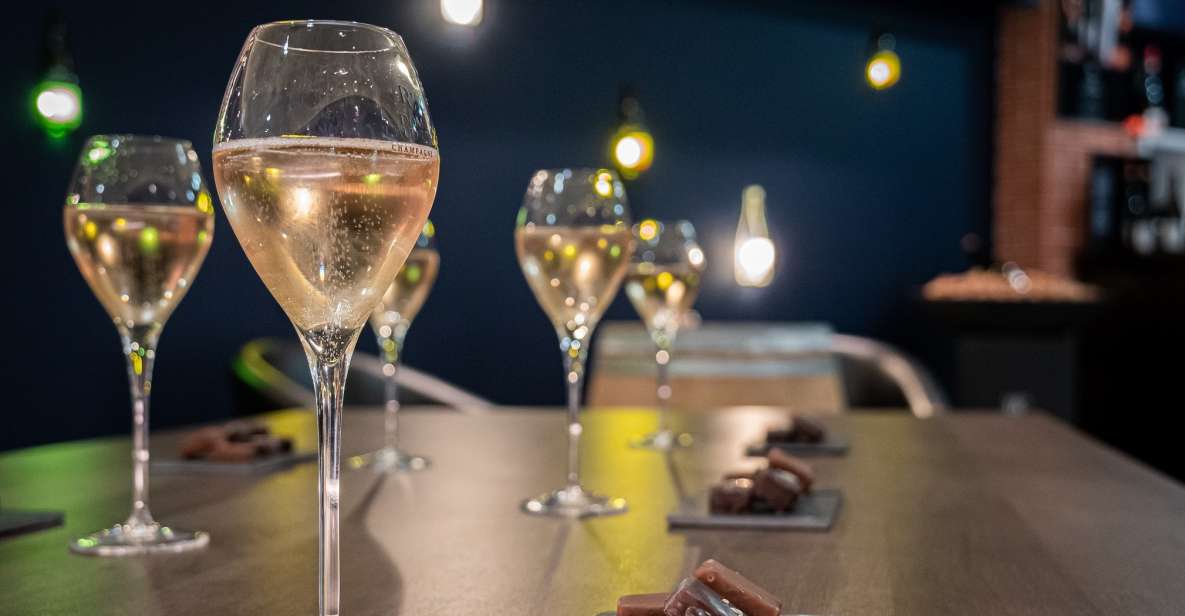
At $31 per person, the value depends on what you want from the visit. The tour is not the cheapest way to taste Champagne if you only want a drink. You are paying for a guided explanation, access to the production setting, the old and modern presses, information about the grape varieties, and three Champagne and chocolate pairings.
That is a fair package for a visitor who wants context with the tasting. The chocolates are not a token extra. They create three comparisons and give the final part of the visit a clear purpose.
The price is harder to justify if you are looking for a long tour or several hours of winery access. The 45-minute duration keeps the cost reasonable for a short stop, but it also sets a limit on how much detail you can receive.
I like the balance for a first visit. You get enough background to understand what you are seeing, then enough tasting to make the experience feel complete. Just keep your expectations aligned with the compact format.
You can reserve now and pay later, which helps if your Champagne plans are still changing. Free cancellation is available up to 24 hours in advance for a full refund. Those terms are useful when you are arranging several regional stops, but you should still check the available starting times before building your day around the tour.
A practical way to plan your visit
Check the starting times before booking, since the activity is offered at set times rather than as an open-ended visit. Then allow yourself enough time to arrive without rushing into the guided portion.
Wear a jacket for the 12°C winery. If you are taking notes, keep them short. The tour moves through several subjects in 45 minutes, and you will get more from listening than from trying to record every term.
For the tasting, approach the three pairings as comparisons rather than a contest to find the strongest Champagne. Notice which chocolate combination you prefer. The point is not to have the same answer as anyone else. It is to see how the pairing changes your impression of each sample.
If French is not your strongest language, review a few basic Champagne terms before arriving. Even a small amount of preparation can make the explanation about grape varieties and production easier to follow. No translation service is specified, so do not assume one will be available.
Should you book Champagne DOM CAUDRON?
Book this tour if you want a short, personal-scale Champagne experience in French, with a clear village story, visible production equipment, and three chocolate pairings. The link to Aimé Caudron and the 1929 gathering of local growers gives the visit more purpose than a generic tasting.
The strongest reasons to go are the contrast between the old press and modern vat house, the focused explanation of Meunier and other grape varieties, and the chance to compare three Champagnes with three chocolates. The friendly, enthusiastic guide style also helps the compact format work.
Skip it if you need English, want a long technical winery tour, or are pregnant. For everyone else, $31 is a sensible price for a 45-minute introduction that combines local history, production, and tasting without taking over your day.
FAQ
Where does the Trio Chocolaté tour take place?
The tour takes place at Champagne DOM CAUDRON in Passy-Grigny, in the Marne Valley of France’s Grand Est region.
How long does the tour last?
The guided experience lasts 45 minutes.
What language is the tour conducted in?
The tour is conducted in French with a live French-speaking guide.
What will I see during the visit?
You will see the first press used by the Passy-Grigny vine growers and the current modern vat house. The tour also explains Champagne production and the grape varieties used to make Champagne.
How many Champagnes will I taste?
The tasting includes three different Champagnes.
How many chocolates are included?
You will taste three different chocolates, each paired with one of the three Champagnes.
How much does the experience cost?
The listed price is $31 per person.
Is the tour wheelchair accessible?
Yes, the experience is wheelchair accessible.
What should I wear?
The winery is kept at 12°C, so you should bring a jacket or warm layer.
Can pregnant women take this tour?
The activity is not suitable for pregnant women.
Can I cancel my booking?
You can cancel up to 24 hours in advance for a full refund.
Can I reserve now and pay later?
Yes. You can reserve your place and pay later, which keeps your travel plans flexible.