REVIEW · BORDEAUX
Tasting of Bordeaux White Wines Wine and Cheese Pairing
Book on Viator →Operated by I love my 2cv · Bookable on Viator
Bordeaux is best understood one glass at a time, and this 75-minute tasting gives you a friendly way in. Cecilia guides you through four wines, Bordeaux appellations, grape varieties, soils, blends, and rankings, then shows how food changes the taste of wine. The aroma exercise with The Nose of Wine adds a playful, useful twist.
I like the small maximum of six people, which keeps the session personal. I also like the practical take-home booklet, since you can keep working on tasting after your time in Bordeaux. The main drawback is modest food: the pairing may center on cheese and a few snacks, so you should not book this as a full meal.
In This Review
- Key points to know
- Four Bordeaux wines in 75 minutes
- Cecilia’s friendly approach to Bordeaux wine
- Appellations, soils, grapes, and blends
- Learning aromas with The Nose of Wine
- The cheese pairing and the amount of food
- What the $52.06 price includes
- Who will enjoy this tasting most
- Why the small group changes the experience
- Planning your time at 25 Av. Thiers
- Should you book this Bordeaux white wine tasting?
- FAQ
- How long does the Bordeaux wine tasting last?
- How many wines are included?
- Where does the activity begin and end?
- Is food included with the tasting?
- How many people can join the tasting?
- Can I cancel for a full refund?
Key points to know

- Four Bordeaux wines: Each glass is chosen to show a typical expression of its area and winemaker.
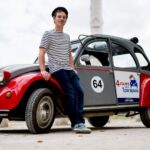
- Cecilia leads the session: She is a professional taster trained at the University of Wine and also explores Bordeaux vineyards in a 2CV.
- Aroma practice included: You use The Nose of Wine to learn how to notice scents rather than simply label a wine good or bad.
- Cheese pairing closes the tasting: The final glass is used to explain why certain food and wine combinations work.
- Small, central meeting point: Meet at 25 Av. Thiers in Bordeaux, with the activity ending at the same place.
- Picnic costs extra: A local-product picnic is available by reservation for €20 per person, while the tasting itself includes snacks and four glasses.
Four Bordeaux wines in 75 minutes

The experience is built as a short tasting course, not a grand château visit. You meet at 25 Av. Thiers, 33100 Bordeaux, and stay with the group for about an hour and 15 minutes before returning to the same meeting point.
That format matters. If your Bordeaux schedule is tight, you can fit this into a morning or afternoon without giving up half a day to transport. You will not be driven from château to château during this particular activity, but Cecilia’s work exploring vineyards in a 2CV informs the way she presents the wines and their origins.
The tasting includes four glasses of wine. They are selected for their typical character and for the stories behind the growers who make them. That is more useful than tasting four random bottles, since the point is to connect what is in your glass with Bordeaux’s place names, soils, grape varieties, and winemaking choices.
I would expect the order of the wines to help you compare them, though the available details do not set out a precise sequence. Cecilia introduces each glass and explains what makes its origin distinctive. You get a chance to taste, ask questions, and return to the wine as your understanding develops.
For a first visit to Bordeaux, this is a sensible introduction. The region can feel confusing because its wines are often identified by appellation and château rather than by a simple grape label. A guided tasting helps you see the system as a set of clues instead of a wall of unfamiliar names.
You can also read our reviews of more food & drink experiences in Bordeaux
Cecilia’s friendly approach to Bordeaux wine
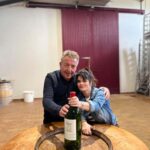
Cecilia is a professional wine taster who trained at the University of Wine. That gives the session a sound base, but the tone is meant to be accessible rather than formal or intimidating.
This distinction is important. Wine tastings can sometimes feel like examinations, with a string of terms you are expected to know before you arrive. Here, the goal is to desacralize wine, or make it less precious and easier to discuss. You can ask basic questions without feeling out of place.
The small group helps. With a maximum of six people, you are not lost in a crowd or listening to a speech from the far end of a room. The setup also suits solo visitors, couples, and small groups who prefer conversation to a large commercial tasting.
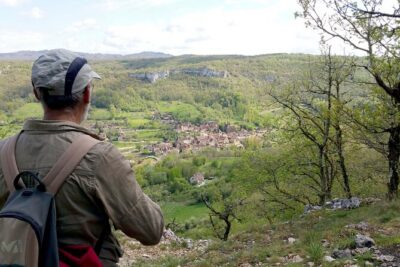
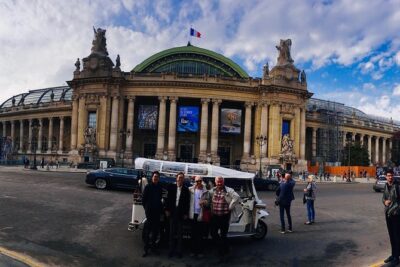
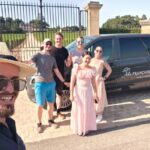
Cecilia’s connection with the vineyards adds another useful layer. She travels around Bordeaux in a 2CV while looking for bottles and meeting winemakers. You are not promised a 2CV ride on this tasting, but her contact with producers gives the wines a human side. Instead of treating Bordeaux as a famous label on a shelf, she links bottles to people and places.
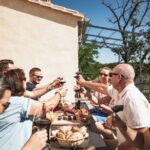
The session has a social feel, too. Wine is presented as something to share, not a test of status. That makes this a good pick if one person in your group is enthusiastic about wine and another is simply curious.
Appellations, soils, grapes, and blends

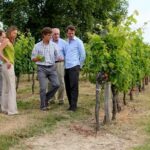
Bordeaux is the largest vineyard area in France, and the tasting uses that fact as a starting point. You learn how its appellations work, what the soils contribute, which varieties matter, and how blends shape the final wine.
You do not need to memorize every name. The value is learning how to listen for the main ideas. When Cecilia explains an appellation, you can begin to connect the name on a bottle with a place. When she discusses soil, you get a reason why two wines made in the same broad region can taste different.
The focus on blends is especially helpful. Bordeaux wines are often built from more than one grape, so the finished bottle may not announce its character in the simple way a single-variety wine does. A tasting lets you see how structure, aroma, freshness, and food compatibility can work together.
Rankings also come into the discussion. These classifications carry weight in Bordeaux, but they are not the only way to judge a bottle. A short guided lesson can help you separate reputation from personal taste and understand why a highly ranked wine is not automatically the right choice for your dinner.
I like that this material is tied to actual glasses. Abstract facts about soils and appellations are easy to forget. A sip gives the information a place in your memory.
Learning aromas with The Nose of Wine

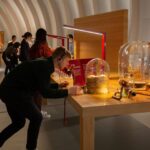
The aroma exercise is one of the more distinctive parts of the session. Using The Nose of Wine, Cecilia guides you through your senses and helps you notice the fine differences in a wine’s smell.
You are not expected to produce a perfect tasting note. Instead, you learn to pause before drinking and pay attention to what reaches your nose. That basic habit can change the way you approach wine in restaurants and shops.
The exercise also keeps the class light. You are doing something rather than only listening. A beginner can take part without needing a large vocabulary, while someone who already drinks wine may enjoy the challenge of identifying familiar scents.
The booklet supports this lesson after the class ends. It gives you a record of the tasting method and something to refer to when you open another bottle. That is a better souvenir than a branded trinket, since it can improve your skill over time.
I would keep the booklet with your travel notes and use it later with a bottle from Bordeaux or another French region. The course is brief, but the technique can stay useful long after the four glasses are finished.
The cheese pairing and the amount of food

Food is part of the experience, but you should set your expectations correctly. The price includes snacks and a food and wine pairing, with the final glass used to show how wine and food can work together.
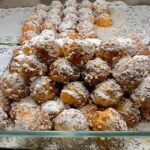
Cheese is the natural partner here. Its salt, fat, and texture can change the way a wine tastes, and comparing a sip before and after a bite makes the lesson easy to understand. This is not just a plate placed beside the wine. The pairing is used to explain why one combination succeeds and another may feel less balanced.
The supplied details do not promise a large spread. One tasting account specifically wished for more on the platter, such as bread or crackers. I would plan a proper meal before or after the session rather than arriving hungry and treating the snacks as lunch.
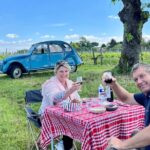
A local-product picnic is available by reservation for €20 per person. That may suit you if you want the food component to be more substantial, but it is separate from the tasting price and needs to be arranged in advance.
The cheese pairing is strongest for people who want to learn the basics of matching food and wine. If you already know a great deal about pairings, you may find the lesson elementary. For most beginners, though, the chance to taste the difference is more useful than a long lecture.
You can also read our reviews of more wine tours in Bordeaux


What the $52.06 price includes

At $52.06 per person, the experience sits in the reasonable range for a guided tasting in Bordeaux, especially because it includes four alcoholic drinks, instruction, snacks, the pairing, and a tasting booklet.
The value depends on how you use it. If you simply want four glasses of wine, you can spend less by buying bottles or ordering at a wine bar. But that misses the teaching. Here, you are paying for selection, explanation, sensory practice, and a structured comparison of Bordeaux styles.
The small group improves that value. A six-person limit gives you a better chance to ask about a wine, a local area, or a bottle you have seen in a shop. It also keeps the class from feeling like a quick pour-and-move-on stop.
The price does not include lunch. Keep the extra €20 picnic option in mind if you want local food as part of the booking. Otherwise, budget for a separate meal.
You can cancel for a full refund if you do so at least 24 hours before the local start time. Changes or cancellations inside that window are not accepted for a refund, so check your schedule before booking.
Who will enjoy this tasting most
I would choose this for a wine beginner, a curious couple, or a solo visitor who wants conversation and a compact introduction to Bordeaux. The language is designed to make wine easier, and the small group suits people who prefer personal contact.
It also works well for a mixed-interest group. One person can enjoy the technical side of appellations and blends, while another can focus on cheese, aromas, and the social part of the session.
The tasting is likely less satisfying if you want a full vineyard excursion, a château tour, or a ride in a classic car. The host’s 2CV connection is part of her wine life, but the activity described here takes place at the meeting point and does not promise a 2CV drive.
You should also consider your appetite. The included snacks support the lesson but are not presented as lunch. Add the picnic or plan another meal if food matters as much to you as wine.
Most people can take part, service animals are allowed, and the meeting point is near public transportation. Confirmation arrives at booking, and you receive a mobile ticket, which keeps the practical side simple.
Why the small group changes the experience

A maximum of six people is more than a number. It changes the pace and mood of the tasting.
You can watch how others react to a wine without being crowded into a large room. Questions can stay specific, too. Ask about a Bordeaux appellation you have seen on a menu, how a blend differs from a single grape, or why a cheese pairing changes the finish.
The intimate format has a tradeoff. A larger class might offer a wider range of opinions and a more energetic room. This session leans toward quiet conversation and personal guidance, which will suit some people much more than others.
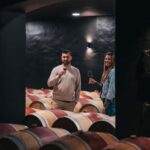
A small cellar or tasting room can feel cozy, as one account described the setting. Since the exact room details are limited, I would think of the atmosphere as intimate rather than polished or grand. That fits the subject well: the focus is on glasses, scents, food, and conversation.
Planning your time at 25 Av. Thiers
Allow the full 75 minutes, plus a few minutes on either side for finding the address. The activity starts and ends at 25 Av. Thiers, 33100 Bordeaux, so you do not need to arrange a separate return transfer.
Because the tasting is compact, it can fit neatly between other Bordeaux plans. A morning booking leaves the rest of the day open, and an afternoon session can lead into dinner. Avoid scheduling it so tightly that you have to rush away, since questions and conversation are part of the appeal.
The mobile ticket is useful for a phone-based itinerary. Confirmation is provided at booking, and the meeting point is near public transportation. The experience has an average booking lead time of about 55 days, so popular dates may reward early planning, especially if you want a particular time.
Bring an open mind rather than a list of wine terms. You will get more from the session if you focus on how each glass smells, tastes, and changes with food.
Should you book this Bordeaux white wine tasting?
Book it if you want a short, friendly wine lesson with four carefully selected Bordeaux wines, a cheese pairing, aroma practice, and a useful booklet to take home. Cecilia’s training and personal connection with local winemakers add substance without making the class stiff.
Skip it if your priority is a full-day vineyard trip, a château visit, or a substantial meal. The food is limited, and the 2CV is part of the host’s background rather than a promised part of this session.
For most first-time Bordeaux visitors, the balance is good. You leave with more than a pleasant hour of tasting: you gain a simple method for noticing aromas, a clearer grasp of Bordeaux labels, and a better idea of how wine behaves beside food.
FAQ
How long does the Bordeaux wine tasting last?
The tasting lasts approximately 1 hour and 15 minutes.
How many wines are included?
The experience includes four glasses of wine.
Where does the activity begin and end?
It begins at 25 Av. Thiers, 33100 Bordeaux, France, and ends back at the same meeting point.
Is food included with the tasting?
Snacks and a food and wine pairing are included. A local-product picnic is available separately by reservation for €20 per person.
How many people can join the tasting?
The activity has a maximum group size of six people.
Can I cancel for a full refund?
Yes. You can cancel at least 24 hours before the local start time for a full refund. Cancellations or changes made less than 24 hours before the start are not accepted for a refund.