REVIEW · PROVENCE
Truffle Hunting in Provence
Book on GetYourGuide →Operated by Les Pastras · Bookable on GetYourGuide
Black truffles are hard to find. This Provence tour turns that challenge into a fun, hands-on farm morning in the Luberon, led by Johann and his working team. You’ll hunt with truffle dogs, tour the vineyards and olive groves, and finish with champagne and practical tasting tips.
What I like most is how the hunt feels real, not staged. You’re walking a truffle plantation with a truffle hunter who explains what matters in the soil and how the dogs learn the job, and you’re not rushed.
One thing to plan for: you’ll need a car to reach the farm, and the outdoor hunt can be chilly or wet in cooler months.
In This Review
- Key things to know before you book
- The 3-hour truffle hunt in Provence: what you do, step by step
- Truffle dogs and the hunt: the part that makes this feel authentic
- What you learn about black truffles (and why it changes how you taste them)
- Champagne, truffle snacks, and how the tasting is organized
- Touring the farm: vineyards, olive groves, and beehives
- Buying truffle products: smart souvenirs or impulse spending?
- Price and value: is $132 fair for what you get?
- Timing, seasons, and weather: when to go for the best comfort
- Getting there: the one logistics piece you must not ignore
- Who this truffle hunt suits best
- Should you book truffle hunting in Provence?
- FAQ
- FAQ
- How long is the truffle hunting tour?
- Where does the tour take place?
- How far is it from Aix-en-Provence and Marseille?
- What does the price include?
- Is transportation included?
- Is the guide English-speaking?
- How large are the groups?
- Are pets allowed?
- What months does the tour run?
- Is there a cancellation option?
- Is the tour wheelchair accessible?
Key things to know before you book
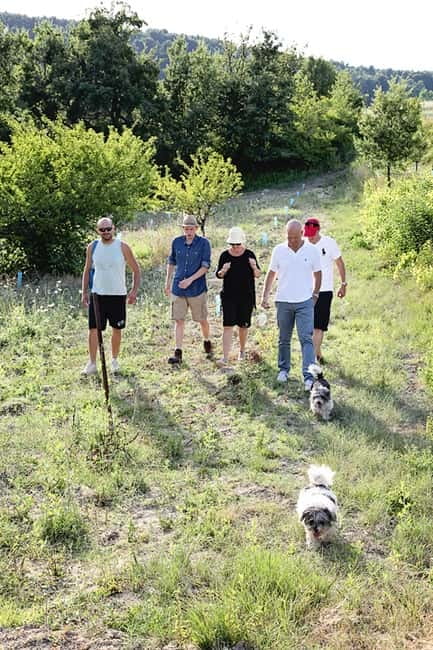
- Meet Johann and see the dog training up close before the digging starts
- Hunt for black truffles on a Provençal plantation in the Luberon region
- Enjoy champagne plus truffle hors d’oeuvres after you find what you came for
- Taste olive oil and truffle oil from the farm, not just generic samples
- Walk vineyards, olive groves, and beehives to understand the whole farm system
- Small group size (2–14) keeps questions easy and the pace relaxed
The 3-hour truffle hunt in Provence: what you do, step by step
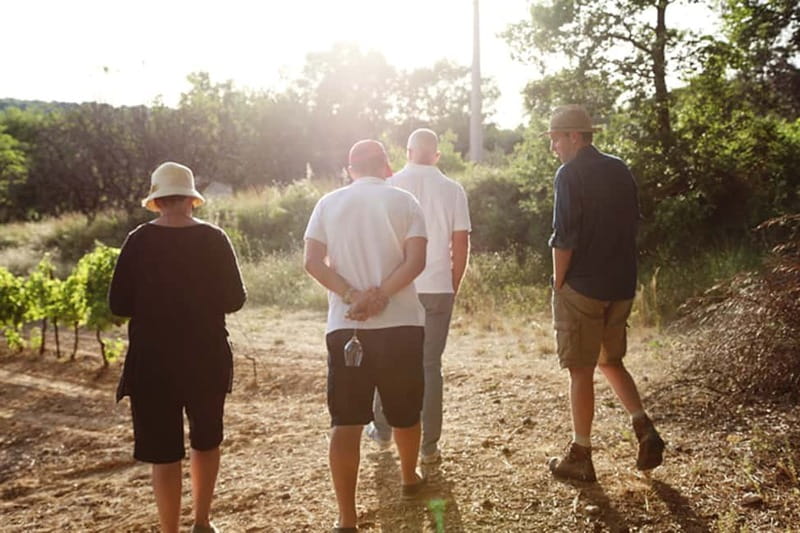
This is a 3-hour black truffle experience on the Les Pastras property in the Luberon, designed for a small group. The timing matters here: you’re out in the fields long enough to feel the rhythm of the hunt, but not so long that it turns into a cold slog.
The core of the morning is the search. You’ll meet your guide in English, learn the basics of how truffles are cultivated and how truffle hunters work with dogs, then head out with the team. Once the dogs start signaling, you get to experience that moment when the hunt turns from theory into action.
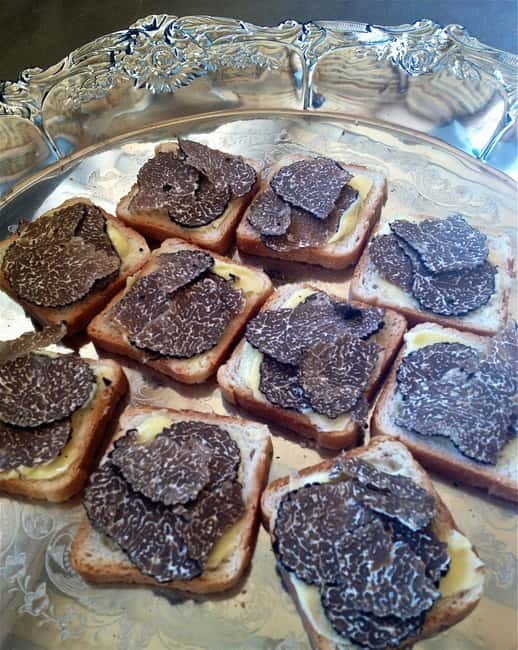
After the field time, the tour shifts into the part many people remember best: food. You’ll sample truffle hors d’oeuvres, drink Champagne, and learn how to clean, store, and use truffles at home. It’s not just eating for the sake of eating; you’ll be shown what good handling looks like and how to keep their flavor from disappearing.
And if you like food souvenirs, there’s time to shop. You can buy Provencal products from the farm, including truffle-based items such as salt and oil, plus other local specialties.
You can also read our reviews of more tours and experiences in Provence.
Truffle dogs and the hunt: the part that makes this feel authentic
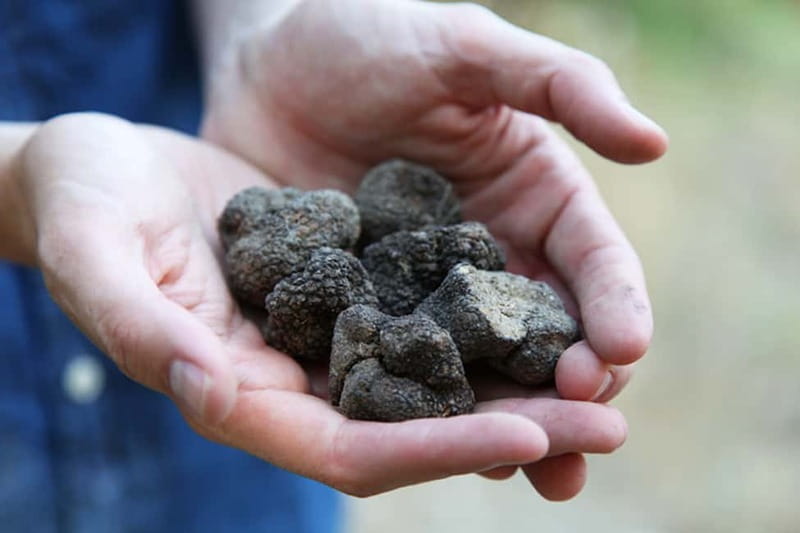
The biggest differentiator is the working relationship between people and dogs. Instead of treating the hunt like a costume for tourists, the guide focuses on how dogs are trained to recognize truffle scent and how the hunter reads what’s happening.
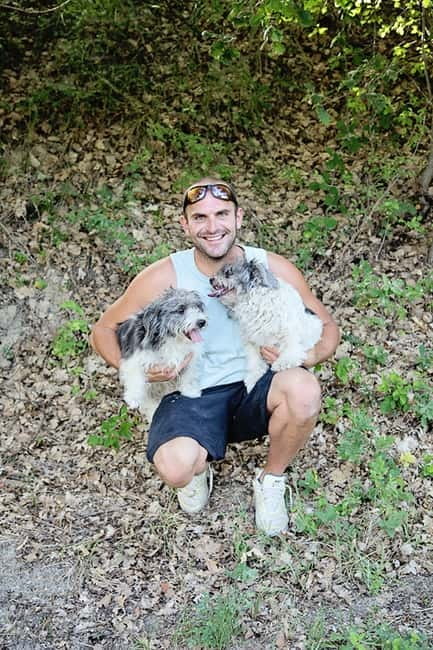
Johann’s style comes through in the way he teaches. Based on real tour experiences, you should expect clear explanations in English, delivered with humor and patience. You’ll learn why the farm conditions matter and what makes black truffles so elusive in the first place.
In past groups, the dogs have been a major highlight, with names like Caramel and Eclair showing up in the stories from the field. Even if the exact dogs differ on your date, the experience is the same idea: you’re watching the animals do real work, not posing for photos between scripted stops.
Two small details make a big difference in how fun this feels:
- You get time before the hunt to understand the logic behind it, so the digging moment means something.
- The pace is relaxed. You’re not shoved forward; you’re encouraged to watch and ask questions.
What you learn about black truffles (and why it changes how you taste them)
Black truffles are often described as edible treasure, but the tour gives you a more grounded view. You’ll hear about how truffle trees are grown and how the hunter’s job starts long before the dogs ever go out.
That context matters because it changes your expectations. When you later taste truffle snacks, you’ll have a better sense of why quality is so sensitive to timing and handling. The tour also includes guidance on how to clean and store truffles, plus what to do when you’re cooking with them. That is the kind of practical advice you can actually use on your next meal at home.
And when the dogs do their work, you’re not just seeing food appear. You’re watching a system—soil, plants, animals, and human expertise—come together in a way that feels genuinely local to Provence.
Champagne, truffle snacks, and how the tasting is organized
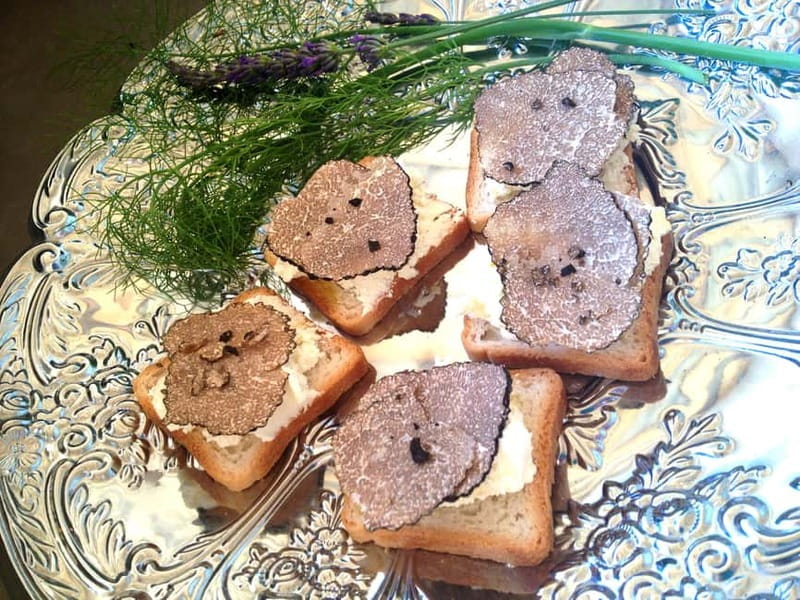
The tasting is a full-on finish, not a tiny afterthought. You’ll sample truffle hors d’oeuvres and drink Champagne after the hunt, with enough variety that you can compare flavors instead of eating one repeat bite.
One of the smartest things about this approach is that it breaks the intimidation factor. Truffles can feel expensive and complicated, but the tour makes them approachable. You’ll learn how truffles are typically paired and served, then you’ll get to try it with the guide’s help.
You’ll also get olive oil tasting, including olive oil and truffle oil produced on the farm. That’s a helpful lesson for your grocery shopping later, because it shows how truffle flavor changes depending on whether it’s in oil form or used more directly.
If you’re coming in with a simple question like, Should I buy truffle products, this answers it. After the hunt, you’re tasting in a guided context, so you leave with a clearer idea of what tastes balanced versus overly strong.
Touring the farm: vineyards, olive groves, and beehives
The hunt is the star, but the tour isn’t just walking and sniffing. You’ll also tour the farm areas tied to Provence’s food identity: vineyards, olive groves, and beehives.
This adds value because it gives you the bigger picture. Truffle farming doesn’t sit alone. It’s connected to the way farms manage land—plants, soil care, and the broader ecosystem that supports crop quality.
In practical terms, those stops also help you move between the intensity of the hunt and the comfort of tasting. You get scenic views and breathing room, which makes the overall pace feel friendly for a 3-hour outing.

Buying truffle products: smart souvenirs or impulse spending?
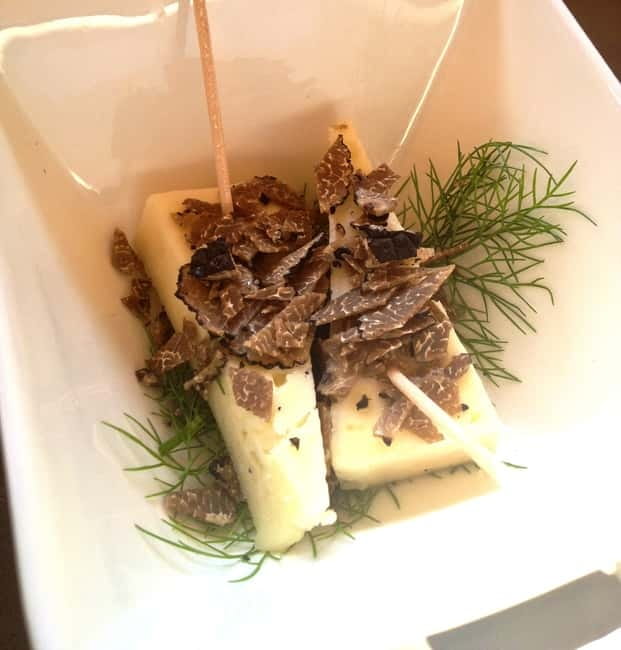
There’s time to purchase farm products at the end, and the overall vibe matters. Based on experiences shared by guests, the shop time doesn’t feel pushy. It’s more like: if you tasted something you loved, you can take it home and recreate that flavor story later.
Items you might look for include truffle salt and truffle oil, plus olive oil. If you’re trying to decide what’s worth packing, here’s a simple method:
- Buy one truffle item that matches what you liked most during tasting.
- Add one olive-oil product, since that’s usually easier to use quickly at home.
- Keep quantities modest unless you know you’ll cook with it right away.
Truffle products work best when you treat them like flavor seasoning rather than a full sauce replacement. The tour’s cleaning and storage tips also make it easier to buy with confidence.
Price and value: is $132 fair for what you get?
At $132 per person for a 3-hour tour, the price can look steep at first glance. But here’s why it tends to feel reasonable in practice.
You’re paying for:
- A guided black truffle hunt with a working truffle hunter and dogs
- Champagne and truffle hors d’oeuvres
- Olive oil tasting
- A guided farm tour that covers vineyards, olive trees, and beehives
- Guidance on how to clean, store, and cook with truffles
In other words, it’s not just a walk in the countryside. It’s a farm-based experience with real expertise, plus multiple tastings included. And because the group size is capped based on seating for snacks (2–14), you get a higher chance of asking questions and actually learning something.
If you’re the kind of traveler who loves food culture and wants more than a short tasting stop, this format is usually worth it. If you just want a quick photo moment, you may feel the time pressure. But if you want the full Provence story—soil to plate—this is built for you.
Timing, seasons, and weather: when to go for the best comfort
The tour runs in two main windows:
- Summer tours: May through September
- Winter tours: November through mid-March
Even when the schedule fits your dates, the hunt is outdoors. Some experiences mention it can be cold or wet later in the outing, so plan accordingly. Bring layers you can move in, and think about footwear you don’t mind getting slightly muddy.
If you’re traveling in cooler months, expect the farm work to keep moving at its own pace, not at tour-bus speed. That’s part of the charm, but dressing for it keeps the morning enjoyable.
Getting there: the one logistics piece you must not ignore
Transportation is not included. Multiple guests specifically call out that you’ll need a car to get there.
Location-wise, the farm is about:
- 40 minutes from Aix en Provence TGV station by car
- About 1 hour from Marseille Airport
So, if you’re already renting a car in Provence, this fits easily into a day plan. If you’re relying only on public transit, you’ll need to budget time and cost for private transfers, since the core experience starts at the farm.
Who this truffle hunt suits best
This is a great match if you:
- Love food-focused travel and want a hands-on Provence experience
- Enjoy seeing working animals do real jobs
- Want practical take-home value, like how to clean and store truffles
- Appreciate small-group guides with a friendly, humorous teaching style
It may be less ideal if you:
- Don’t eat truffle products comfortably (the tastings are a central part of the experience)
- Are not comfortable with outdoor walking for a couple of hours
- Are traveling with pets (pets are not allowed)
Should you book truffle hunting in Provence?
If your goal is a memorable Provence morning that connects the farm to the table, I’d book it. The best reason is simple: you’re not just tasting truffles—you’re learning how people find and handle them, and you’re watching the dogs work in the process.
Pick this tour if you want a relaxed, food-and-farm experience in the Luberon with Champagne, truffle snacks, and genuine instruction from Johann and the team at Les Pastras. Just make sure you’re ready for the practical side: bring the right clothes and plan for a car.
FAQ
FAQ
How long is the truffle hunting tour?
The tour lasts 3 hours.
Where does the tour take place?
It takes place on a truffle plantation in the Luberon, south of France.
How far is it from Aix-en-Provence and Marseille?
It is about 40 minutes by car from the Aix en Provence TGV train station and about 1 hour by car from Marseille Airport.
What does the price include?
The tour includes the truffle hunting experience, truffle hors d’oeuvres sampling, olive oil tasting, and Champagne.
Is transportation included?
No. Transportation is not included.
Is the guide English-speaking?
Yes, the live tour guide speaks English.
How large are the groups?
Tours run for groups of 2 to 14 people.
Are pets allowed?
No, pets are not allowed.
What months does the tour run?
Summer tours run May through September. Winter tours run November through mid-March.
Is there a cancellation option?
Yes. You can cancel up to 24 hours in advance for a full refund.
Is the tour wheelchair accessible?
Yes, the tour is wheelchair accessible.