REVIEW · PARIS
The Musée d’Orsay Guided Tour Orsay Museum Semi-Private 6ppl Max
Book on Viator →Operated by Babylon Tours Paris · Bookable on Viator
Six people, one art story.
This semi-private Musée d’Orsay tour is built for real conversation, not museum herding. I especially like the priority entrance that helps you start seeing masterpieces fast, and the way the guide lays out the movement before (and after) the Impressionists so the paintings make more sense. One thing to consider: this tour isn’t offered for wheelchair users or for guests with walking disabilities.
Orsay can feel huge and loud. With a small group, you get personal attention and can ask questions when something clicks. It also runs at a 2 to 2.5 hour pace, which is long enough to feel connected to the story, but short enough that you’re still fresh at the end.
If you’re an art fan—or just curious—this is a smart first stop in Paris. Guides like Eduardo, Liliya, and Christophe (named in past groups) come across as story-first, with humor and clear explanations that keep the room moving.
In This Review
- Key things you’ll notice right away
- Why Orsay feels made for this small-group format
- The 2.5-hour game plan: what the tour covers at Orsay
- Step inside Orsay’s timeline
- The big names you’re likely to see
- Why the chronological approach is worth it
- Don’t just see famous paintings—learn what to look for
- The story pieces that stick
- The Orsay building: how the setting helps (and what to watch)
- Practical watch-outs
- Timing your day in Paris: morning, afternoon, or evening
- Price and value: what you’re really paying for
- Who this tour is best for (and who should pass)
- Should you book the Musée d’Orsay semi-private tour?
- FAQ
- How big is the semi-private group?
- How long is the Musée d’Orsay guided tour?
- Is the tour offered in English?
- Does the price include museum admission?
- Do you get priority entrance or skip lines?
- What’s the meeting point and where does the tour end?
- Are temporary exhibitions included?
- Is this tour good for kids?
- Is hotel pickup included?
- Is the tour accessible for wheelchair users?
Key things you’ll notice right away
- Max 6 people means you can actually ask questions and follow along
- Reserved entry included helps you skip the long line pressure
- Chronological storytelling connects Manet to the Impressionists and beyond
- Handpicked highlights include Luncheon on the Grass, Dance at Le Moulin de la Galette, and more
- Former train station setting adds drama as you move between galleries
- Family-friendly pacing works well for groups with kids of mixed ages
Why Orsay feels made for this small-group format
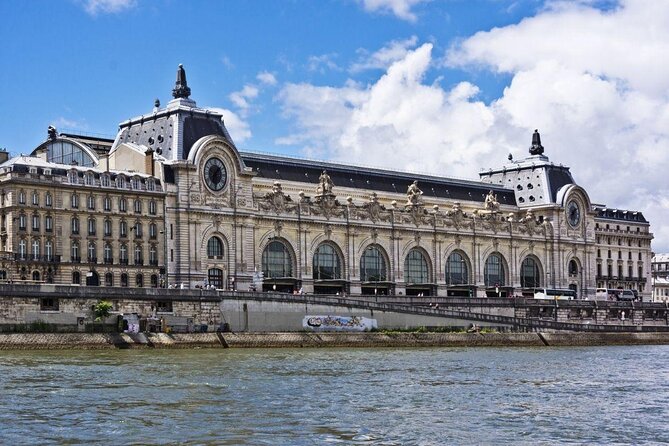
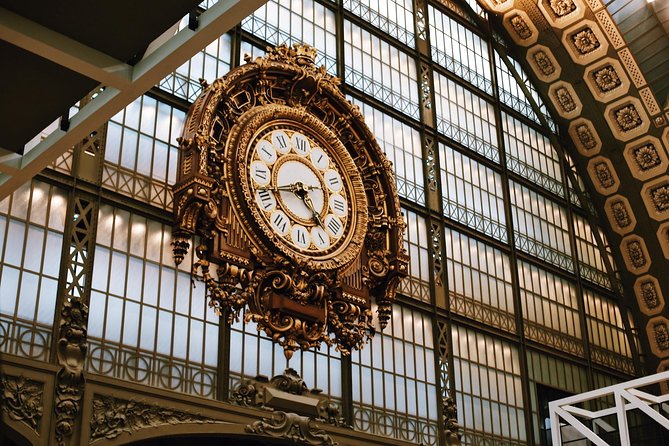
The Musée d’Orsay isn’t just a museum. It’s a former train station, with big, airy rooms and ironwork that makes the whole place feel architectural. That’s great—until you walk in and realize you’re surrounded by hundreds of works and zero context.
That’s where this semi-private setup pays off. With up to 6 people, you’re not stuck listening from far away while the crowd surges around you. You can hear the guide, your questions don’t get ignored, and you don’t lose your place every time someone stops for a closer look.
The tour also keeps the focus tight. You’re not getting a slow “every room” march. Instead, you get a structured arc through the art movements that led to Impressionism and what came after. For first-time visitors, that turns Orsay from a checklist into a story you can follow.
Value check: you’re paying for time saved (priority entrance) and for interpretation. If you’re the type who enjoys art more when it’s explained in plain language, this kind of tour often feels like it costs less than it seems—because it reduces the wasted hours of wandering.
You can also read our reviews of more guided tours in Paris



The 2.5-hour game plan: what the tour covers at Orsay
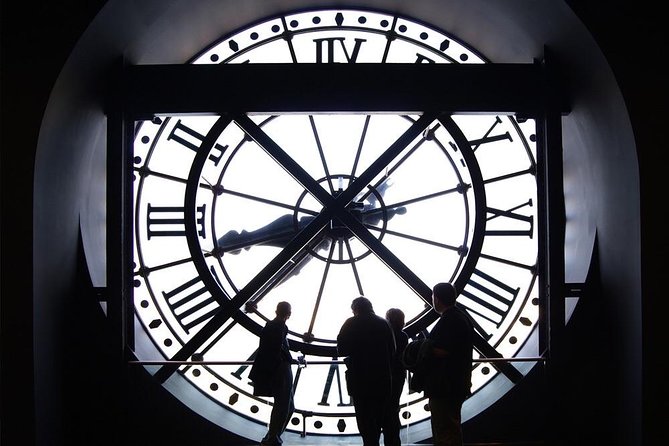
The tour runs for about 2 hours to 2.5 hours and follows one main stop: the Musée d’Orsay itself. Admission and reserved entry are included, and you’ll explore at a pace designed to keep you seeing key works rather than just moving through the building.
Step inside Orsay’s timeline
The guide starts by explaining how the artistic world shifted toward what we now call Impressionism. You’ll connect why those paintings looked the way they did—light, color, everyday scenes, and the feeling that a moment is happening right now—without needing a degree in art history.
Then the tour moves through landmark artists and signature works, using the paintings as evidence. That matters. Instead of being told “this is important,” you’re shown what to notice: composition choices, color behavior, brushwork, and how each artist fit into the larger turning point in French art.
The big names you’re likely to see
While artwork can vary during the year (loans/restorations happen), the highlight list for this tour commonly includes:
- Manet’s Luncheon on the Grass
- Renoir’s Dance at Le Moulin de la Galette
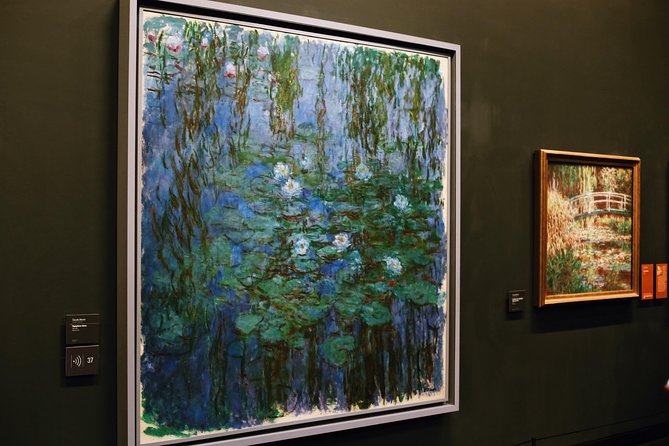
- Monet’s poppy field and Waterlilies
- Van Gogh’s Bedroom in Arles
- Degas’s ballerinas
- Millet’s The Gleaners
This is a smart spread. You get the Impressionist orbit (Monet, Renoir) plus key “in-between” figures (Manet, Millet) and post-Impression energy (Van Gogh, and sometimes more depending on the route). That makes it easier to understand why Impressionism wasn’t an accident—it was part of a larger chain of change.
Why the chronological approach is worth it
Orsay can trick you. You might think it’s just a museum of famous paintings. But the real win is seeing how the style and subject matter evolve as ideas evolve.
In particular, some guides run the tour with a clear “art history evolution” path. One guide, Ivanna, is described as organizing the tour based on the progression from Academism and Realism through Impressionism, then further into later movements like Cubism and Neo-Impressionism. Even if your route differs, the point is the same: you get the “what changed and why” behind the paintings you’re seeing.
You can also read our reviews of more private tours in Paris





Don’t just see famous paintings—learn what to look for
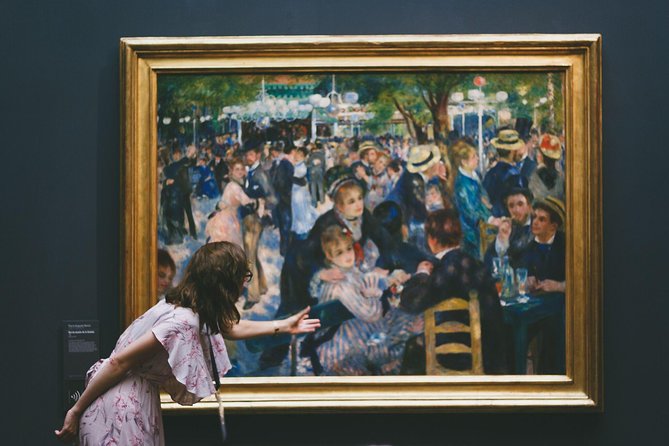
What makes this tour stand out is how the guide uses specific works to teach technique and viewpoint, not just biography.
For example, you’ll hear about techniques associated with the artists on your route—how Van Gogh’s approach helps you feel inside a room, or how Renoir’s scenes build movement and social atmosphere. The goal isn’t to turn you into an art critic. It’s to help you recognize the choices the painter made, so the museum becomes more readable.
This is also where the small group size shows up again. When the guide explains something, you can ask a follow-up right then. That’s a rare luxury at big museums.
The story pieces that stick
Past groups praised guides for making the paintings feel like living stories. Several guide names came up: Eduardo, Liliya, Kotryna S, Christophe, Valerie, Ana, Daniel, Achille, Beatrice T, and Florent S.
You don’t need to chase a specific person, but it’s useful to know the tour’s success often comes down to the guide’s style. In the best moments, you’ll get a sense of the scandal, rivalry, and artistic risks that surrounded these works—so you understand why they were revolutionary for their time.
The Orsay building: how the setting helps (and what to watch)
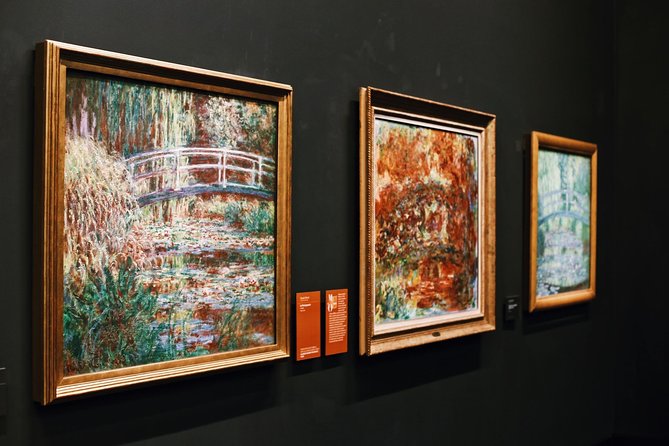
Orsay’s setting is a bonus. The building is beautiful, and the former rail-station layout makes the journey feel cinematic as you cross from one gallery zone to another. When your guide points out what you’re standing in front of and why it matters, the architecture doesn’t become background noise—it becomes part of the experience.
Practical watch-outs
A few logistics can make or break your comfort:
- Bring only small bags. The museum security rules are strict: no large bags or suitcases inside. Think handbag or small thin bag pack.
- Lines can still exist. Even with skip-the-line style access, security can form in some areas, and some rooms are quiet or limit speaking.
- Comfort matters. The tour calls for moderate physical fitness, since you’ll be walking through galleries for a couple hours.
If you’re hoping to take breaks every few minutes, this may feel a bit brisk. If you’re okay with steady walking and focus, it’s usually a great match.
Timing your day in Paris: morning, afternoon, or evening
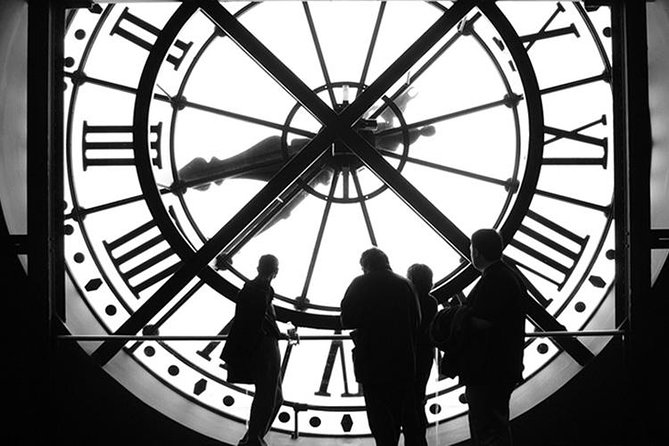
The tour offers morning, afternoon, or evening options, and picking the right slot can change the feel of the visit.
- Morning can be calmer for getting oriented.
- Afternoon often works best if you want a museum window before dinner plans.
- Evening can be a nice choice if you like winding down with art and less day-pressure.
One practical tip: if you can choose, avoid heavy crowd days when possible. Orsay can get extra busy on certain weekdays, and that can affect how much you enjoy the quiet moments of looking closely.
Price and value: what you’re really paying for
At $144.21 per person (with duration around 2 to 2.5 hours), this is not a “cheap museum ticket.” You’re paying for three main things:
- Reserved entry that reduces the line grind
- A professional guide who makes the art easier to decode
- A small-group cap (max 6) that protects your ability to ask questions
If you’re visiting Orsay with someone who loves art but doesn’t want to read museum labels for hours, this kind of structure is often worth it. If you’re traveling with kids, the guided pace tends to work well too—one family group specifically called out that guides kept kids engaged across ages.
If you’re the type who loves wandering freely and doesn’t want a schedule, you might feel like the tour compresses your time. But if you want to get meaning fast, the value is in the interpretation and the time savings.
Who this tour is best for (and who should pass)
This works especially well if you:
- Want a first Orsay visit and you don’t want to guess what to prioritize
- Prefer small-group attention and Q&A
- Like art history told in plain language, using the paintings as anchors
- Are traveling with teens or mixed-age family groups and need a pace that keeps people listening
You might skip this tour if:
- You need wheelchair access or have significant walking limitations (this tour isn’t available for that)
- You’re planning to do Orsay at an ultra-slow pace and you hate group structure
Should you book the Musée d’Orsay semi-private tour?
If your goal is to leave Orsay feeling like you truly understand what you saw, I’d book it. The small-group size, the priority entrance, and the timeline approach together create a museum visit that feels efficient without feeling rushed.
I’d lean toward booking especially if you’re coming for the Impressionist era and want context for both the “before” (think Manet) and the “after” (think Van Gogh and the next waves). The tour’s big strength is that it turns famous paintings into clear takeaways you can remember.
If you’re on a tight budget or you love to roam without guidance, you could consider going on your own. But for most people, this is one of those Paris experiences that makes the museum easier and more enjoyable from the very start.
FAQ
How big is the semi-private group?
The group size is capped at a maximum of 6 travelers, and it’s described as semi-private with a small group experience.
How long is the Musée d’Orsay guided tour?
It runs for about 2 hours to 2 hours 30 minutes.
Is the tour offered in English?
Yes, the tour is offered in English.
Does the price include museum admission?
Yes. Admission tickets and reserved entry are included in the tour.
Do you get priority entrance or skip lines?
The tour includes reserved entry, and priority entrance is part of the experience.
What’s the meeting point and where does the tour end?
You meet at Musée d’Orsay, 75007 Paris, France, and the tour ends back at the same meeting point.
Are temporary exhibitions included?
No. Temporary exhibitions are not included.
Is this tour good for kids?
It can work well for families, including groups with kids of varying ages, and there’s an option to upgrade to a kid-friendly family tour.
Is hotel pickup included?
No. Hotel pickup or drop-off is not included, and a taxi or Uber is recommended.
Is the tour accessible for wheelchair users?
No. The tour is not available for those with walking disabilities or using a wheelchair.