REVIEW · FRANCE
The Blending Tour at Château de La Dauphine
Book on Viator →Operated by Chateau de la Dauphine · Bookable on Viator
The best part of the Château de La Dauphine Blending Tour comes after the château visit. You do not simply taste finished wines. You use your nose, compare different components, and try to build a blend of your own. It turns a standard cellar visit into a small wine lesson with a playful challenge at the end.
I like the tour’s private format, since your group gets the guide’s attention rather than being folded into a large crowd. I also like the mix of the estate’s park, vineyards, technical buildings, and tasting room. The main drawback is that the tour is non-refundable, so you need to be certain of your plans before paying.
In This Review
- Key points
- Arriving at Château de La Dauphine in Fronsac
- Seeing the château, park, and vineyards
- Training your nose before the blending game
- Creating your own wine blend
- Why the private format matters
- The value of a $23 wine visit
- Who will enjoy this experience most
- Practical booking advice for your day
- Should you book the Château de La Dauphine blending tour?
- FAQ
- Where does the tour begin?
- Where does the tour end?
- How long does the experience last?
- What does the château visit include?
- Is wine tasting included?
- What happens during the blending workshop?
- Is this a private tour?
- Is private transportation included?
- When is the tour available?
- Can I cancel or change my booking?
Key points
- A two-hour estate visit: See the château, park, vineyards, and technical buildings before tasting.
- A hands-on blending workshop: Use your sense of smell and taste to create a personal wine blend.
- Three wines in the tasting: The workshop includes a tasting of three wines, according to the experience details.
- Private for your group: Only your party participates, which suits visitors who want a more personal pace.
- Friendly named guides: Carissa has led the sensory session and speaks Spanish. Valentine has also hosted the full château and blending visit.
- Convenient Fronsac location: The meeting point is Château de La Dauphine, about two steps from Libourne, as one French description puts it.
Arriving at Château de La Dauphine in Fronsac
You meet at Château de La Dauphine, 5 Rue Poitevine, 33126 Fronsac, France. The tour ends at the same place, so there is no second drop-off point to arrange.
The estate sits in the Fronsac wine area, close to Libourne. That makes this a useful choice if you are already exploring the Bordeaux region by car. Private transportation is not included, so you need to arrange your own way to the château. The booking includes a mobile ticket, which keeps the arrival process simple.
The listed operating period runs from November 1, 2024, through October 31, 2025, with visits available Monday through Sunday from 10:00 a.m. to 3:30 p.m. Since appointments are subject to availability, I would book ahead and confirm your time rather than count on walking in.
One visitor arrived without a reservation and was still welcomed, but that is not a promise for every day. The safer plan is to reserve in advance, especially if you have built the rest of your day around this two-hour visit.
You can also read our reviews of more tours and experiences in France.

Seeing the château, park, and vineyards
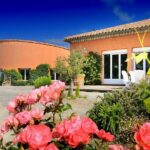
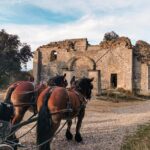
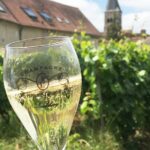
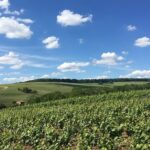
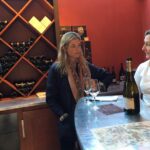
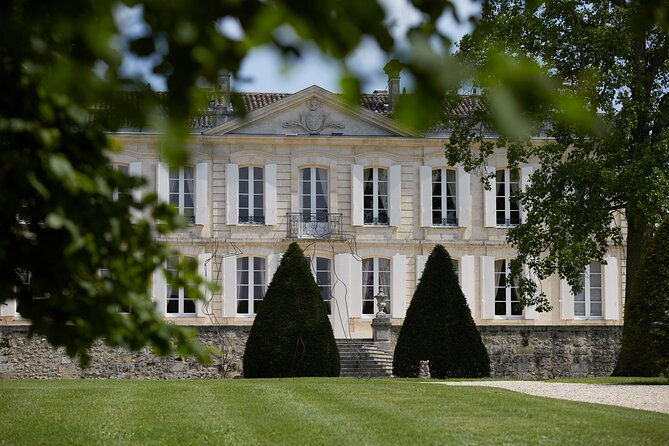
The first part of the visit introduces Château de La Dauphine itself. You see the château, walk through the park, and look across the estate’s vineyards. These stops give the wine a physical setting. Instead of tasting an anonymous bottle at a table, you can connect it with the property where the grapes are grown and the wine is made.
The park also gives the visit a change of pace before the technical side begins. You are not spending the entire two hours in one tasting room. The grounds and vineyard views help explain the scale of the estate and make the château visit worthwhile even for someone who already knows the basics of Bordeaux wine.
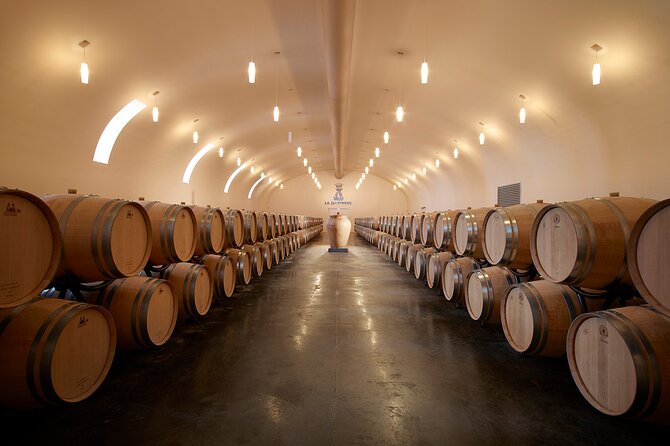
The tour also includes the technical buildings. This is an important detail because it moves the visit beyond pretty architecture. You get a look at the practical side of production, then shift from seeing how the estate works to considering how wines are assembled and tasted.
The exact order of these stops may vary with the guide and the day, so think of the itinerary as a guided estate visit followed by a workshop, not as a rigid checklist. Guides including Carissa and Valentine have led the experience, and the tone appears to be personal rather than formal.
Training your nose before the blending game
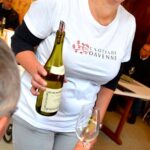
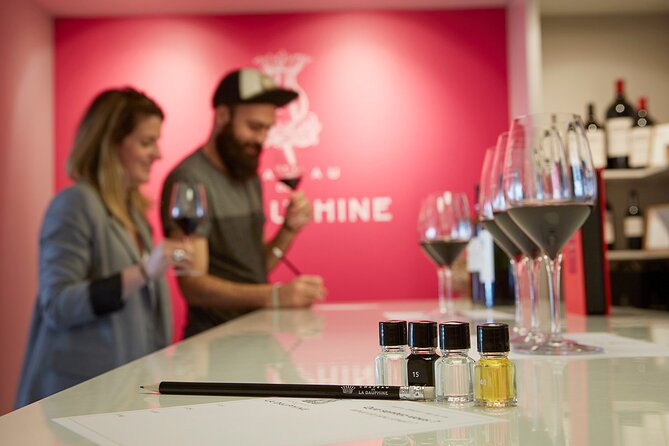
The sensory section is the heart of the tour. You begin with a short introduction to wine tasting, with particular attention to smell and olfactory memory. That may sound technical, but the idea is straightforward: your nose can help you identify and remember aromas, and those impressions affect how you understand a wine.
Carissa has been especially associated with this part of the visit. She helps guests connect different smells with the wines in the glass and keeps the session lively and approachable. If you are nervous about tasting vocabulary, this is useful. You do not need to arrive with a polished wine lexicon. The exercise gives you a way to describe what you notice in plain terms.
The sensory work also makes the tasting more active. Instead of asking only if you like a wine, you begin to consider why it appeals to you. Is it the aroma, the balance, the style, or the way several elements fit together? The tour does not turn you into a professional taster in two hours, but it can sharpen the way you pay attention.
Carissa also speaks Spanish, which may help Spanish-speaking visitors feel more at ease if she is leading the session. The available information does not promise a particular guide or language for every date, so check when booking if that matters to you.
Creating your own wine blend
After the introduction, you take part in the blending workshop. The goal is to create a wine that suits your taste. You work with the wines provided and make choices based on what you have smelled and tasted.
This is where the tour earns its name. Many château visits finish with a tasting and leave you as an observer. Here, you take part in the decision-making. You learn that a blend is not just a matter of choosing the most powerful wine. Balance and personal preference matter too.
The workshop is sometimes described as Le Sens du Vin, or The Sense of Wine. One two-hour visit ended with this activity and a tasting of three wines. That gives you enough comparison to notice differences without making the session feel like a marathon.
Do not expect a full winemaking course or a bottle-making workshop unless the château confirms otherwise. The supplied details promise the chance to create your own blend during the session, but they do not say that you take a finished bottle home. Think of it as a guided tasting exercise with a creative result, not a production facility tour.
The private format is a real advantage here. Wine blending works better when you can discuss your choices with the guide and take your time. A larger group could make the activity feel rushed or turn it into a demonstration. With only your group participating, you get a more direct exchange.
Why the private format matters
This is a private tour, meaning only your group takes part. That does not necessarily mean the entire château is closed to other people, but your booked activity is not shared with another tour group.
I like this arrangement for couples, families, and small groups with mixed wine experience. A confident taster can ask detailed questions, while a beginner can admit that one aroma smells like something entirely different. The workshop is personal by design, so a private setting fits it well.
The guides also seem to shape the mood. Carissa has been described as personable and fun during the sensory session. Valentine led one full visit through the château’s story, followed by the blending game and tasting. You may not have either guide on your date, but these names give you a sense of the friendly, human approach to expect.
The two-hour length is another plus. It is long enough to cover the estate and make time for the workshop, yet short enough to fit into a day of wine visits around Libourne or Bordeaux. You will need to keep an eye on the start time, though, since the listed visit window ends at 3:30 p.m.



The value of a $23 wine visit
At $23, the tour is priced below many full château experiences in the Bordeaux area. The value comes from the combination of estate access, a guided tasting, and active participation in the blend.
If you only want to walk around a château and taste one wine, you may find a simpler visit better suited to you. If you want someone to explain tasting and give you a task to complete, this price is easier to justify. You are paying for instruction and interaction, not just a view and a glass.
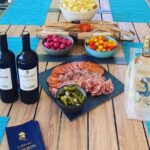
Alcoholic beverages are included. The information does not list food, private transportation, or any additional purchases, so do not plan on this as a meal stop. You should also arrange transportation independently.
The tour’s five-star rating from the available feedback suggests a strong response, but the sample is small. I would treat that as encouraging rather than as proof that every visitor will have the same experience. Your enjoyment will depend partly on whether you like hands-on tasting and château visits.
Who will enjoy this experience most
I would recommend the blending tour to:
- Wine beginners who want a clear introduction to tasting
- Couples looking for a small, interactive activity
- Small private groups with different levels of wine knowledge
- Visitors staying near Libourne who want a two-hour outing
- Spanish-speaking visitors who can confirm Carissa’s availability
- Wine fans who enjoy comparing aromas and styles
You may want to choose another activity if you dislike alcohol, want a long technical lesson, or need transportation from Bordeaux included. The tour includes alcoholic beverages, but there is no indication of a non-alcoholic alternative or transport service.
Families should also think about the tasting focus before booking. The supplied information does not give a child age policy, so you would need to ask the château directly if children are part of your group.
Practical booking advice for your day
Book before you arrive, then watch for confirmation within 48 hours. The reservation is subject to availability, and the activity cannot be refunded or changed after booking. That strict rule matters if your Bordeaux plans are still unsettled.
Plan to arrive at the château’s address in Fronsac and allow time to find the meeting point. Since the tour returns there, you can leave your schedule open afterward for another nearby stop. The listed hours give you several possible start times, but they do not mean every time is guaranteed on every date.
Bring your mobile ticket and be ready for both walking around the estate and standing during the tasting portion. The tour includes the park, vineyards, and technical buildings, so it is not limited to a chair and a glass.
If you want a particular guide, language, or start time, ask at the time of booking. Carissa speaks Spanish, and both Carissa and Valentine have hosted versions of this visit, but guide assignments can change.
Should you book the Château de La Dauphine blending tour?
Book it if you want more than a quick Bordeaux tasting. The estate visit gives you the château and vineyards, while the sensory workshop asks you to use your nose, compare three wines, and make your own blend. At $23, that is a good value for a private two-hour activity near Libourne.
Skip it if you need transport, a flexible cancellation policy, or a detailed winemaking course. For everyone else, this is a friendly, focused way to make a wine visit more active. Confirm the date, arrival time, and guide language before paying, then let your nose make a few decisions for once.
FAQ
Where does the tour begin?
The tour begins at Château de La Dauphine, 5 Rue Poitevine, 33126 Fronsac, France.
Where does the tour end?
The activity ends back at the meeting point at Château de La Dauphine.
How long does the experience last?
The tour lasts approximately two hours.
What does the château visit include?
The visit includes the château, the park, the vineyards, and the technical buildings.
Is wine tasting included?
Yes. Alcoholic beverages are included, and the experience details describe a tasting of three wines.
What happens during the blending workshop?
You receive a short introduction to wine tasting, train your sense of smell and olfactory memory, and create a wine blend to suit your preferences.
Is this a private tour?
Yes. Only your group participates in the private activity.
Is private transportation included?
No. You must arrange your own transportation to and from Château de La Dauphine.
When is the tour available?
The listed operating period is November 1, 2024, through October 31, 2025. Visits are listed Monday through Sunday from 10:00 a.m. to 3:30 p.m.
Can I cancel or change my booking?
No. The experience is non-refundable and cannot be changed for any reason. Confirmation is sent within 48 hours of booking, subject to availability.