REVIEW · BORDEAUX
Saint Emilion Morning Wine Tour – Winery & Tastings from Bordeaux
Book on Viator →Operated by BWT SAS - Bordeaux Wine Trails · Bookable on Viator
Saint-Émilion gives you two excellent experiences in one morning: wine at the source and a walk through a UNESCO-listed medieval village. You ride from Bordeaux in a small, air-conditioned minivan, visit two wineries, taste several reds, and learn how soil, grapes, aging, and château traditions shape the wine.
I especially like the maximum group of eight, which keeps the winery visits personal, and the guides. Mel, Nick, Yan, Nathan, Camille, and Marie have all been singled out for their warmth, local knowledge, and ability to explain wine without making it feel like a classroom. The morning schedule also helps you beat the heavier crowds that arrive in Saint-Émilion later in the day.
The catch is time. Five hours includes the drive from Bordeaux, the winery visits, and the village walk, so Saint-Émilion can feel rushed if you want time for monuments, shops, lunch, and independent wandering. If you want a slower visit, this is best treated as an introduction rather than a full day in the region.
In This Review
- Key points to know before booking
- Leaving Bordeaux for Saint-Émilion
- Learning Bordeaux wine at two châteaux
- Walking through Saint-Émilion’s old streets
- Why the small group changes the experience
- What the $116 price includes
- Who will get the most from this morning tour
- Practical advice for a smoother visit
- Should you book the Saint-Émilion morning tour?
- FAQ
- Where does the Saint-Émilion morning tour start?
- What time does the tour begin?
- Where does the tour finish?
- How long does the tour last?
- How many people can join the tour?
- Are winery visits and tastings included?
- Is lunch included?
Key points to know before booking
- Two winery visits are included: Expect château visits and tastings, with the estates varying by departure. Past visits have included Château Bonalgue, Château Grangey, Château Tour Baladoz, Château La Croizille, and Hugo’s wines and vineyard.
- The group stays small: With no more than eight people, you can ask questions and hear the guide clearly.
- Saint-Émilion gets about an hour: You walk the cobbled village with the guide, then may have a little time to browse on your own.
- The drive takes a meaningful part of the morning: The trip from Bordeaux can take roughly 45 minutes each way, depending on conditions.
- This is a wine education as much as a tasting: You learn about terroir, production methods, château styles, and food pairings.
- Bring water and sturdy shoes: Water refills are available at the châteaux, but you should bring your own bottle. Steep, slippery paths can make the village walk awkward in poor footwear.
Leaving Bordeaux for Saint-Émilion
The meeting point is the Bordeaux Tourist Office at 12 Cours du 30 Juillet. The tour starts at 8:30 am and returns to the same central location after about five hours.
You do not get hotel pickup, so leave enough time to reach the office. The meeting point is near public transportation, which makes it practical if you are staying in central Bordeaux. A mobile ticket is accepted, and confirmation arrives when you book.
The drive is part of the tour, not just a transfer. Your English-speaking guide can point out local features and explain how Bordeaux fits into the wine trade. Guides praised during these departures include Mel, Nick, Yan, and Nathan, with the best feedback focusing on their ability to mix wine instruction with local stories and casual conversation.
The minivan holds a maximum of eight people. That matters here. A large coach would make a château visit feel more like a group exercise, while this setup gives you a better chance to ask about grape varieties, labels, cellars, or the differences between wines you taste.
The vehicle is air-conditioned, a useful detail during warm months. Still, the road time means you should be realistic about the morning. Saint-Émilion is not right outside Bordeaux, and a half-day tour cannot give you the same free time as a full-day excursion.
You can also read our reviews of more wine tours in Bordeaux


Learning Bordeaux wine at two châteaux
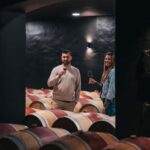
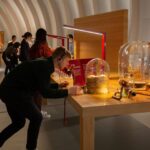
The winery portion is the heart of the outing. You visit two wineries and taste red wines while the guide or château staff explains how the wine is made.
The exact estates can vary. Past departures have included the small-production Château Bonalgue, Château Grangey, and the nearby Château Tour Baladoz and Château La Croizille. That variety is useful because the experience is not limited to one grand property or one style of presentation.
At some stops, you may see a more traditional château approach alongside newer production methods. One particularly praised visit paired Tour Baladoz with La Croizille, allowing the guide to explain the contrast between traditional and modern winemaking. The setting also gave the group broad views over the surrounding vines.
Do not expect every departure to follow that exact pairing. The supplied schedule promises two wineries, not fixed château names. That is worth remembering if you have your heart set on one particular estate.
The tasting is designed to make the wine less mysterious. You may try an easier-drinking second wine beside a fuller, more complex bottle, then learn why the wines differ. In one noted visit, three wines came from the host château and nearby estates. The guide explained how the wines worked with different foods, which is more useful than simply hearing a list of tasting notes.
The word terroir comes up often in Bordeaux. Here, it means the combination of soil, drainage, exposure, weather, grape growing, and human choices that shape a wine. You will not become a winemaker in one morning, but you should leave with a clearer idea of why two bottles from neighboring properties can taste different.
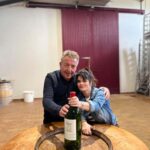
The tastings focus on red Bordeaux wines. The supplied details do not promise lunch, snacks, or a formal meal, so eat beforehand if you need more than wine during the morning. You can buy bottles at some cellar stops, and shipping wine home may be available directly through the château. Ask about shipping costs and delivery rules before purchasing.
Walking through Saint-Émilion’s old streets
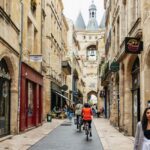
The village visit adds something the winery stops cannot: a sense of place. Saint-Émilion’s cobbled streets, old buildings, church, shops, and views over the surrounding countryside make the wine feel connected to a real town rather than just a label on a bottle.
The guided stroll lasts about an hour. Your guide leads you through the village and shares local history and landmarks. Depending on the route, you may see the old church and reach a panoramic viewpoint overlooking the medieval town.
This part is scenic, but it is not a full sightseeing tour of every monument. Entrance fees to museums, monuments, and other attractions are not included unless specifically listed. The tour is better for getting your bearings and seeing the main character of Saint-Émilion than for visiting every interior.
You may have some time to explore independently. One useful choice is to stay in the village after the guided part, but that must fit with the tour arrangements and return plan, so confirm the details with the operator before assuming you can extend your visit. The standard activity ends back at the Bordeaux meeting point.
Saint-Émilion can become very busy later in the day, particularly in July and August. The morning departure is a smart choice if you prefer quieter streets and cooler walking conditions. Rain does not automatically ruin the experience, but bring suitable clothing and shoes. One route described from the village included a steep, slippery path from the parking area, so this is not ideal for anyone with serious mobility limits.
Why the small group changes the experience
The eight-person limit is more than a marketing detail. At a château, you can hear the explanation, see the production areas, and ask a question without waiting for a whole busload of people to finish taking photographs.
The guides also have room to adjust the conversation. Mel has been praised for her energy, wine instruction, restaurant suggestions, and friendly manner. Nick was noted for explaining both traditional and modern methods clearly. Yan helped one participant understand far more about wine while also discussing Bordeaux and Saint-Émilion culture. Nathan was praised as an especially welcoming guide for a first wine experience.
That does not mean every guide will have the same personality, and one departure described the information as a little light and the conversation as too focused on one-on-one exchanges. Your experience will depend partly on the guide and the makeup of the group.
A private tour is possible if only two people book, but the minimum is two participants. If the minimum is not reached, the operator can cancel and offer another date or a full refund. The maximum remains eight.
What the $116 price includes
At $116, the tour is not the cheapest way to reach Saint-Émilion, but it covers several costs that add up quickly on your own. You get round-trip transport from central Bordeaux, an air-conditioned minivan, an English-speaking local guide, two winery visits, and tastings.
The value is strongest if you want a guided introduction without renting a car. Driving after wine tasting is a poor plan, and arranging taxis between separate châteaux can be difficult. The small group also gives you access to a more personal format than a large coach tour.
The price does not include lunch, bottled water, hotel transfers, gratuities, or extra admission charges. The operator no longer provides disposable water bottles for environmental reasons, so bring your own reusable bottle. Water and refills are available at the châteaux.
You should also budget for wine only if you want to buy bottles. Some château cellar visits allow you to arrange home shipping, but the tour price does not include those purchases or delivery charges.
A few more Bordeaux tours and experiences worth a look




Who will get the most from this morning tour
I would choose this experience if you have limited time in Bordeaux and want a first look at the region without spending a whole day away from the city. It is also a good fit if you enjoy wine but want someone to explain what you are tasting in plain language.
Solo visitors can fit in well because the group is small and the guide helps keep the conversation moving. Couples and friends get an easy day out without having to plan routes, appointments, and driving. First-time wine visitors should find the format approachable, especially when the guide explains the difference between lighter and fuller wines and discusses food pairings.
Families need to plan carefully. Children must be at least 12 years old, and the minimum drinking age is 18. The tour is built around tastings, so it may not hold the interest of younger children.
I would choose a longer outing if Saint-Émilion itself is your main goal. The village is attractive enough to deserve more than a quick walk, and the transfer time takes a noticeable share of the five hours. If your priority is a relaxed lunch, extensive shopping, or multiple monuments, the half-day schedule will feel tight.
Practical advice for a smoother visit
Wear shoes with a firm grip. Saint-Émilion’s old streets are cobbled, and some paths can be steep or slippery, especially after rain.
Bring a refillable water bottle. You can top it up at the châteaux, but you should not count on receiving a bottle in the minivan.
Eat before departure if you need breakfast. Lunch is not included, and the morning centers on wine rather than food.
Ask questions during the tastings. The small group makes this one of the better moments to ask about grape blends, aging, labels, serving temperatures, or pairing ideas.
Do not plan a tightly timed afternoon immediately after the advertised return. Road conditions can affect the journey, and Saint-Émilion is far enough from Bordeaux that a small delay matters.
The cancellation policy is straightforward: cancel at least 24 hours before the 8:30 am start for a full refund. Changes or cancellations inside that window are not refunded. The tour also requires suitable weather and a minimum number of participants, so a weather or minimum-group cancellation may result in another date or a full refund.
Should you book the Saint-Émilion morning tour?
Book it if you want two wineries, several tastings, and a guided village walk in one compact morning. The combination gives you both the working wine country and the medieval town, while the eight-person minivan keeps the outing friendly and manageable.
Skip it if you want a slow day in Saint-Émilion or dislike spending close to 90 minutes on the road. In that case, arrange a longer visit and leave room for lunch and independent sightseeing.
For most visitors with only a few days in Bordeaux, I think the $116 price is fair. You are paying for transport, access, interpretation, and a practical route that would be awkward to organize alone. Just bring water, wear sensible shoes, and treat the morning as a well-guided introduction rather than the final word on Saint-Émilion.
FAQ
Where does the Saint-Émilion morning tour start?
The tour starts at the Office de Tourisme et des Congrès de Bordeaux Métropole, 12 Cours du 30 Juillet, 33000 Bordeaux, France.
What time does the tour begin?
The scheduled start time is 8:30 am.
Where does the tour finish?
The activity ends back at the Bordeaux meeting point.
How long does the tour last?
The tour lasts approximately five hours.
How many people can join the tour?
The maximum group size is eight people. At least two people are required for the tour to operate.
Are winery visits and tastings included?
Yes. The tour includes visits and tastings at two wineries, including a Grand Cru or Grand Cru Classé winery visit as specified in the program.
Is lunch included?
No. Lunch is not included. Bottled water is also not provided, so bring your own bottle. Water and refills are available at the châteaux.