REVIEW · FRANCE
Languedoc Vineyard Tours
Book on Viator →Operated by Vins & Vinos · Bookable on Viator
Taste the Languedoc in four focused hours. I love the small-group feel and the up to 12 wine tastings with real explanations as you go, and I also like that the day includes food, not just sips. One consideration: it runs April–October and it’s weather-dependent.
You’ll start in Carcassonne around 9:00am, with pickup offered from La Cité and the tour typically back by about 1:00pm. Language support is English (plus French and Spanish), and you ride in a private, air-conditioned Volvo XC90 4×4 with your guide.
In This Review
- Key things that make this Languedoc wine tour worth your time
- Why a morning wine lesson beats a “grab-and-go” tour
- Price and value: what $150.60 buys you in the real world
- Getting started in Carcassonne: meeting points and pickup timing
- The four-hour flow: what happens from start to finish
- Stop 1: Cabardès Wine Region and the “why” behind the flavors
- Stop 2: Caunes-Minervois—vineyards, producers, and people
- Stop 3: Corbières—how to compare wines instead of just sampling them
- Stop 4: Limoux—where sparkling wine stories can land at the right moment
- Lunch isn’t an afterthought: four courses and local plates
- Tastings up to 12 wines: how the guide helps you taste (not just sip)
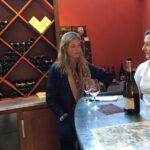
- The human factor: Alex, the owner-guide vibe, and why it matters
- Who should book this tour (and who might not)
- Should you book Languedoc Vineyard Tours?
- FAQ
- What languages is the tour offered in?
- How many people are on the tour?
- How long is the tour?
- What time does the tour start and where does it return?
- Are there pickup options?
- What’s included besides wine tastings?
- Can I buy the wines I taste?
- What if the weather is bad or the tour is canceled?
Key things that make this Languedoc wine tour worth your time

- Max six people, so you’re not lost in a crowd
- Two wineries + vineyard walks, with tastings in the vines and in the cellar
- Up to 12 different wines to sample and compare
- A four-course lunch with wine, plus a light picnic when conditions call for it
- Vins & Vinos connections, which can mean meeting winemakers and hearing the human stories
- Bottles at a special rate after the tour, so you can take home what you really liked
Why a morning wine lesson beats a “grab-and-go” tour

This is the kind of wine day that feels like a guided education with a social pace. You’re not just following a script or racing from one stop to the next. With only a handful of people, your guide can slow down when something matters—grape variety, farming choices, how the wine is made, and what to look for when tasting.
What I like most is that the explanations are tied to what you’re seeing. You taste where the grapes are grown, then you taste again in the winery setting. That simple change makes it easier to connect flavor to place and process, even if you’re brand-new to French wine.
The other big win is how broad the tasting is for one morning. You can try up to 12 wines, which gives you enough range to spot patterns—without turning the day into a blur.
You can also read our reviews of more tours and experiences in France.

Price and value: what $150.60 buys you in the real world

At $150.60 per person for about four hours, this isn’t a budget “casual tasting” situation. You’re paying for a few things that add up fast:
- Private transport in an air-conditioned Volvo XC90 4×4
- A small group size (up to six) that keeps the experience personal
- Two winery visits, including tastings and vineyard time
- A structured tasting experience (up to 12 wines, with guidance)
- A four-course lunch with wine and local food elements
If you compare it to piecemeal costs—train/taxi to wineries, buying tastings separately, and paying for a proper meal—this starts to look like the more efficient way to do Languedoc. Plus, after the tour, all wines tasted are available for purchase at a special rate, which can push the value even further if you find bottles you truly want.
Getting started in Carcassonne: meeting points and pickup timing
The day begins in Carcassonne. Your start point is the Carcassonne Wine Shop, Vins et Vinos at 38 Rue Barbès. Most tours start and finish in Carcassonne, and pickup can also be arranged from La Cité.
Timing matters here. The morning tours run from April to October, and you’ll typically be picked up between 8:30am and 9:00am, then you set off around 9:00am and return around 1:00pm. That’s a sweet spot if you like seeing vineyards without losing your entire day.
One small detail that’s nice: there’s often an easy welcome at the shop before you head out (including coffee and pastry). It’s not a sightseeing stop—it’s just a calm start that gets you ready for wine.
The four-hour flow: what happens from start to finish

This tour is built like a sequence of “see, taste, learn.” Here’s the shape of your morning:
- You meet in Carcassonne and get briefed for the route.
- You visit two wineries.
- You walk in the vineyards and taste in the vineyards and/or cellars.
- You sample up to 12 wines with instruction on how to taste properly.
- You enjoy a multi-course lunch (and there may be light picnic-style food depending on conditions).
- You return to your meeting point in Carcassonne.
The pacing is designed for active learning, but it’s still comfortable. You’re in a car most of the day, so you’re not doing an all-day hike. That said, there’s real walking time in vineyards, so wear shoes you’d be happy using on uneven ground.
Stop 1: Cabardès Wine Region and the “why” behind the flavors

Cabardès is your first taste of the region’s wine personality. What makes the start strong is the way the guide frames the day: the history of Languedoc wine, how winemaking works here, and what you should notice during tastings.
This is where the guide’s teaching style really matters. Instead of handing you a list of facts, you get context—so when you taste, you know what question you’re trying to answer. Is this more about fruit, structure, or the way it was made? You’ll get prompts that help you read the wine rather than just react to it.
A practical upside of starting here: you build confidence early. By the time you reach the later stops, tasting feels less like a guessing game and more like comparisons.



Stop 2: Caunes-Minervois—vineyards, producers, and people

Caunes-Minervois typically brings a change in scenery and pace. The tour focuses on vineyards and producers, so you’re not just looking at signs and buildings—you’re stepping into the working world of wine.
One of the most praised parts of this tour is the connection to the people behind the bottles. The vibe can shift from classroom to conversation, because you may get a chance to meet winemakers or at least hear stories directly tied to their work. That human layer is what turns a tasting into something you’ll actually remember.
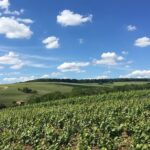
You’ll also get walks in the vineyards and tastings that match the setting. You may taste in the vineyard where grapes are grown, which makes the tasting feel grounded and specific rather than generic.
Stop 3: Corbières—how to compare wines instead of just sampling them

Corbières is where the day starts to feel like a real comparison exercise. By now, you’ve tasted multiple wines or seen multiple styles, and this is when guidance helps you sort out what you’re noticing.
The tour’s format is particularly good for people who want to learn, not just drink. You’ll get an introduction to the art of wine tasting—how to appreciate what you smell, how to think about acidity and structure, and how to connect a wine’s character to how it’s made.
A small drawback to consider: because the goal is comparison and learning, you might not feel “hands-off relaxed” the whole time. If you prefer a totally casual wine stroll with zero instruction, you could find yourself wishing for more downtime. But if you want to get better at tasting, this structure is a plus.
Stop 4: Limoux—where sparkling wine stories can land at the right moment

Limoux is a highlight for many wine lovers, and the tour can include a memorable element around sparkling wine production. One of the standout moments people mention is getting lucky enough to see production linked to sparkling wine.
The key phrase here is “linked to production.” The value isn’t just tasting—it’s seeing how the process fits the region and the style. If you’re curious about how French sparkling wine is made (and not just how it tastes), this stop can click for you fast.
Even without a production “extra,” Limoux still supports the tour’s overall theme: you’re moving across important sub-regions, tasting different expressions, and building a mental map of the Languedoc.
Lunch isn’t an afterthought: four courses and local plates
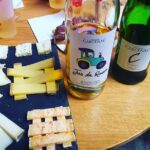
A big part of why this tour works as a full experience is the meal. You’ll enjoy an incredible four-course lunch that includes wine, and the food is tied to the region and its local ingredients.
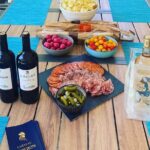
The menu details point to local cheese, charcuterie, olives, pâté or terrine, plus fresh baked bread and olive oil. Vegetarian options are available on request. And depending on weather, there can be light picnic-style food to accompany the final tasting and vineyard visit.
Practical take: with wine included, you’ll want to keep an easy pace. This isn’t a lunch where you run off to do errands afterward. It’s part of the flow of the day—so savor it, then enjoy the ride back.
Tastings up to 12 wines: how the guide helps you taste (not just sip)
Trying up to 12 wines in a single morning can sound chaotic. Here’s why it isn’t: you’re guided through what to look for, and you taste in context.
You’ll taste:
- in the vineyard where grapes are grown
- and in the winery cellars
That matters, because the guide can connect what’s in the glass to what’s happening in the land and in production. You’re getting a full initiation into:
- the history of Languedoc wines
- the basics of wine making
- and how to taste and appreciate wine
If you like wine but feel stuck at the “I like it / I don’t like it” stage, this tour gives you tools to go deeper without sounding pretentious. Think of it as learning the vocabulary and the logic behind your reactions.
One more value point: after the tastings, wines tasted are available for purchase at a special rate. That turns your tasting into an actionable shopping list rather than souvenirs.
The human factor: Alex, the owner-guide vibe, and why it matters
A lot of tours can be pretty mechanical. This one often feels personal because of how the shop and guide operate.
Alex—associated with Vins & Vinos—is described as having spent over 40 years in the wine trade. That’s not just a brag; it shows up in how the tour flows. You get detailed explanations about the areas you pass through, and the day often includes stories that connect wine choices to local realities.
Another thing I appreciate is the sense that the guide has relationships with local winemakers. When those relationships lead to meeting producers and hearing their stories, the wines don’t feel anonymous. They feel like someone’s work, in someone’s corner of the Languedoc.
Who should book this tour (and who might not)
This tour is a strong match if you:
- want a small group experience with real instruction
- are curious about Languedoc beyond the basics
- enjoy tastings with context (vineyard + cellar)
- like the idea of a full lunch day built around wine
It’s also a good choice if you’re on a short trip and want a high-return morning in and around Carcassonne.
You might choose something else if you:
- hate early mornings (it’s a 9:00am start)
- want a long, slow, no-schedule nature walk
- prefer strictly budget tastings with fewer meals included
Should you book Languedoc Vineyard Tours?
If you want to learn while you taste—without sacrificing comfort—this is an easy yes. The mix of two winery visits, vineyard walks, up to 12 wine tastings, and a four-course lunch makes it feel like a complete Languedoc experience rather than a quick stopover.
I’d book this when:
- you can travel April–October
- you’re okay with good-weather dependence
- you want to leave with both wine knowledge and bottles you actually want
If you’re the type who likes stories behind wine and appreciates a guide who connects grapes, geology, and winemaking to what you taste, this morning in the Cabardès–Minervois–Corbières–Limoux zone is exactly the kind of day you’ll talk about long after.
FAQ
What languages is the tour offered in?
The tour is offered in English, French, and Spanish.
How many people are on the tour?
The maximum group size is 6 travelers.
How long is the tour?
The duration is about 4 hours.
What time does the tour start and where does it return?
Tours start around 9:00am from Carcassonne and typically return around 1:00pm, ending back at the meeting point.
Are there pickup options?
Yes. You can meet at 38 Rue Barbès (Vins et Vinos), and pickup is also offered from La Cité.
What’s included besides wine tastings?
You’ll visit two wineries, walk in the vineyards, taste wines, and enjoy a four-course lunch with wine. A light picnic may be served depending on weather.
Can I buy the wines I taste?
Yes. All wines tasted are available for purchase after the tour at a special rate.
What if the weather is bad or the tour is canceled?
The tour requires good weather. If it’s canceled due to poor weather, you’ll be offered a different date or a full refund.
If you cancel, you can cancel for a full refund up to 24 hours before the experience’s start time. After that window, refunds aren’t available.