REVIEW · MACON
Private half day Burgundy Wine and Food Tour by vintage Defender
Book on Viator →Operated by Marrakech Insiders · Bookable on Viator
The best part of this private Burgundy wine tour is its setting. You taste a bottle beside the very vines that produced it, then follow small country roads through Mâconnais in a vintage Defender. It feels less like a bus outing and more like being shown around by a well-connected local friend.
I like the mix of small family domaines and big regional views. I also like that the host can adjust the four-hour outing to suit your pace, including a gentle walk at La Roche de Solutré or extra attention to wine. The main drawback is time: five stops in roughly half a day can feel brisk, especially if you want long tastings and a full walk.
In This Review
- Key points to know before booking
- Why Mâconnais makes a good Burgundy introduction
- Verze: a bottle opened beside the vines
- Vergisson: seeing a winery after seeing the source
- La Roche de Solutré: a famous hill with an optional walk
- Solutré-Pouilly: the most famous wine village on the route
- Leynes: young winemakers and changing ideas
- Food, pacing, and the vintage Defender
- Is $231.36 per person fair?
- Who will enjoy this half-day most?
- Booking and cancellation details
- Should you book this Mâcon wine tour?
- FAQ
- Where does the tour begin and end?
- How long does the experience last?
- Is this a private tour?
- Are alcoholic drinks served to children?
- Is the walk at La Roche de Solutré required?
- What is the cancellation policy?
Key points to know before booking
- Wine beside the vines: Your first tasting takes place at a viewpoint in Verze, with a bottle from that area opened outdoors.
- Five distinct stops: The route includes Verze, Vergisson, Solutré, Solutré-Pouilly, and Leynes.
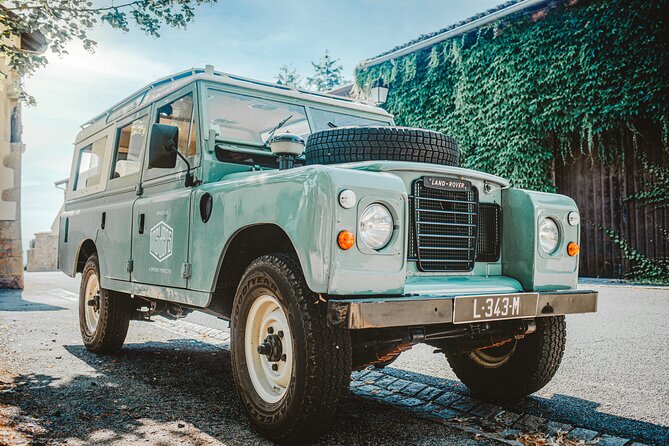
- A vintage Defender: The vehicle adds character and suits the small rural roads, though it may not offer the same space or smooth ride as a modern minibus.
- Small-producer focus: You visit domaines connected to local families, including a young couple working in both Mâconnais and Beaujolais.
- Solutré walk optional: The climb takes about 40 minutes at a slow pace, with roughly 1 hour and 10 minutes allowed at the site.
- Private and flexible: Only your group participates, and the host adapts the half-day to make the best use of your time.
Why Mâconnais makes a good Burgundy introduction
When many people hear Burgundy, they think first of expensive reds from the Côte d’Or. Around Mâcon, the mood changes. The Mâconnais is known mainly for white wine, especially Chardonnay, and it sits near the northern edge of Beaujolais.
Wine here is not simply a product made for export. Small producers work within Burgundy’s rules but often have room to shape their own style. That gives the region a personal feel. You are not just being shown a famous label. You are hearing how a family, village, or young winemaker approaches the same broad tradition.
This tour works well because it connects the wine to its surroundings. You see the vines before tasting in a winery. You visit villages rather than spending the whole morning in a formal tasting room. You also meet producers working across the border between Mâconnais and Beaujolais, which helps explain why these regions can feel close geographically yet different in character.
The tour begins at the Office de Tourisme de Mâcon Sud Bourgogne in central Mâcon. Pickup is offered, so confirm the arrangements when booking if you prefer not to make your own way to the meeting point. The tour ends back at the same meeting point.
You can also read our reviews of more tours and experiences in Macon.


Verze: a bottle opened beside the vines
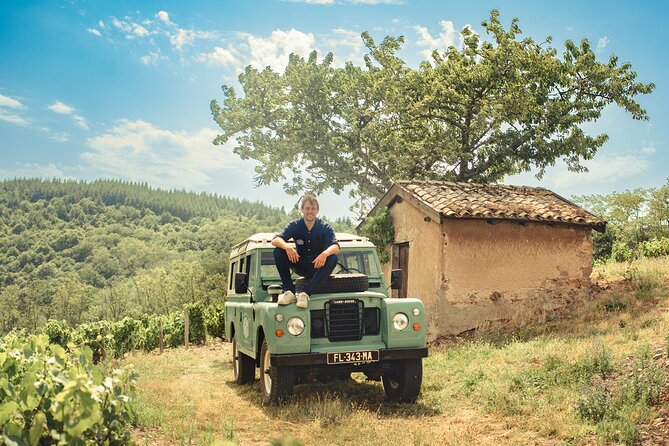
The first stop is Verze, where the host takes you to a vineyard viewpoint. This is a smart way to begin. Instead of tasting a glass with no sense of place, you start outdoors with the vines in front of you and a bottle from that area ready to pour.
You can expect around 40 minutes here. The host explains the local wine and the role it plays in daily life across Mâconnais. The outdoor tasting should help you connect the soil, slopes, and village pattern with what is in your glass.
I especially like this stop for first-time Burgundy visitors. It gives you a simple frame for the rest of the morning. Pay attention to how the host talks about small producers and local freedom within Burgundy’s rules. That context matters more than memorizing a long list of grape names.
The trade-off is weather. An outdoor tasting depends on conditions, and the experience may be less comfortable in rain or strong heat. The supplied details do not promise a particular food pairing at Verze, although a snack is part of the overall experience according to the tour information.
Vergisson: seeing a winery after seeing the source
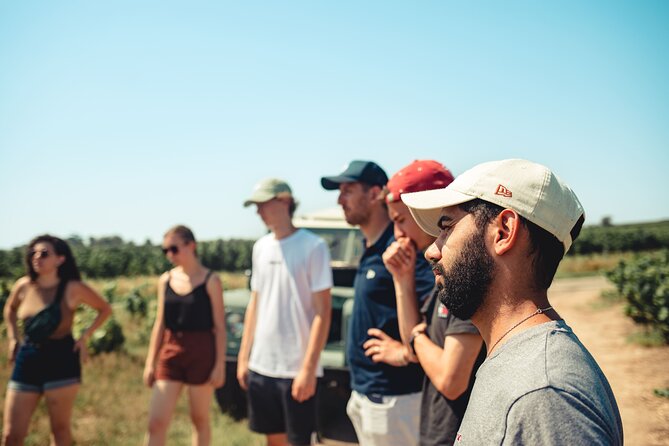
From Verze, the route follows small country roads to Vergisson. The village sits between two hills, and the stop shifts the focus from vineyard views to a working winery.
You spend about 40 minutes tasting a white wine. The order is useful: first you see where the wine grows, then you visit a producer and taste in a more traditional wine setting. If you have only a basic grasp of Burgundy, this sequence makes the subject easier to follow.
Vergisson is also a good place to ask practical questions. You can ask how the producer works, what makes the village different from nearby areas, and how the wine relates to the broader Mâconnais style. Since the tour visits smaller operations, the conversation may feel more direct than a large commercial tasting.
Do not expect a full winery tour with every production step explained in detail. The stop is short, and the half-day includes several other visits. If you are serious about cellar work, vineyard management, or buying specific bottles, tell the host early so the flexible schedule can work in your favor.
La Roche de Solutré: a famous hill with an optional walk
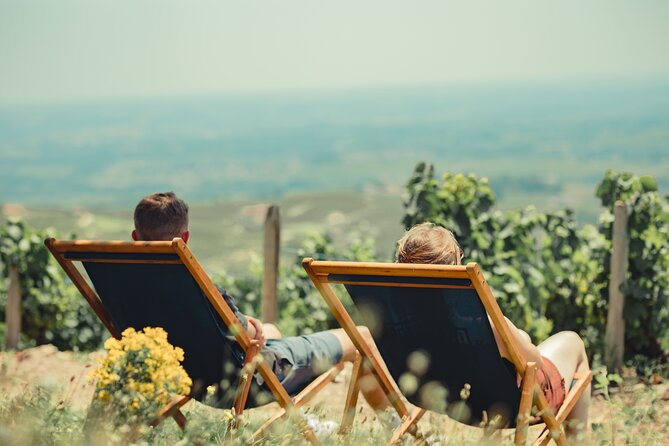
La Roche de Solutré is the tour’s main non-wine stop. The hill has traces of human presence dating to prehistoric times, and its more recent story connects with French President François Mitterrand, who walked up each year in remembrance of the French Resistance during World War II.
The host allows about 1 hour and 10 minutes here. If you want to walk, the climb takes around 40 minutes at a slow pace and is described as easy. That makes it manageable for many people, but you still need sensible shoes and enough energy for an uphill walk.
I like having this choice. A wine tour can become a string of similar tastings, so Solutré gives your palate a break and adds a strong sense of place. From the hill, you get a wider view of the surrounding countryside and a clearer idea of how the villages and vineyards fit together.
The walk is not required. If someone in your group has limited mobility, prefers not to climb, or would rather spend more time tasting, the host can adapt the half-day. The tour details say most people can participate, but they do not provide specific accessibility information for the hill itself. Ask before booking if that point matters to you.
Solutré-Pouilly: the most famous wine village on the route
The village of Solutré-Pouilly is likely to be the most recognizable name on the route. Here, the wine tasting becomes more formal. A professional helps you taste several wines from the region, giving you a chance to compare styles rather than sampling one bottle in isolation.
This stop lasts about 45 minutes. That is enough for a focused tasting, but not a long seminar. I would arrive ready to ask questions and take mental notes. Notice the differences among the wines, then decide which style suits you instead of assuming the most famous name will be your favorite.
The village also has an unusual local story involving a real druid who lives there and grows wine. The host uses this personality to add a human touch to the stop. It is the sort of detail that makes a small village memorable, particularly if you enjoy meeting people who follow their own path.
This is probably the best stop for comparing several regional wines. It is also where the morning may feel most structured. If you prefer relaxed conversation over guided tasting, say so. The private format gives you room to shape the experience, but only if you communicate what you want.


Leynes: young winemakers and changing ideas
The final stop is Leynes, where you visit a domaine run by a young couple. Their work represents a newer generation of winemakers in the area. They produce wine from both Mâconnais in Burgundy and Beaujolais, making this a useful closing stop for understanding the link between the two regions.
You spend roughly 45 minutes tasting and hearing about new techniques and current trends. This adds balance to the earlier focus on local tradition. You are not left with the idea that Burgundy wine is fixed in the past. Producers are making choices about methods, style, and how to work within or around established expectations.
For me, this is one of the tour’s most useful visits. It gives you a chance to see how younger producers handle regional identity. Wine lovers who want to understand change in French wine will get more from this conversation than from another generic tasting.
As at the other stops, the timing is limited. A 45-minute visit can introduce you to the domaine, but it will not answer every technical question. If this producer’s approach interests you, ask whether there is time for a few focused questions rather than trying to cover every detail.
Food, pacing, and the vintage Defender
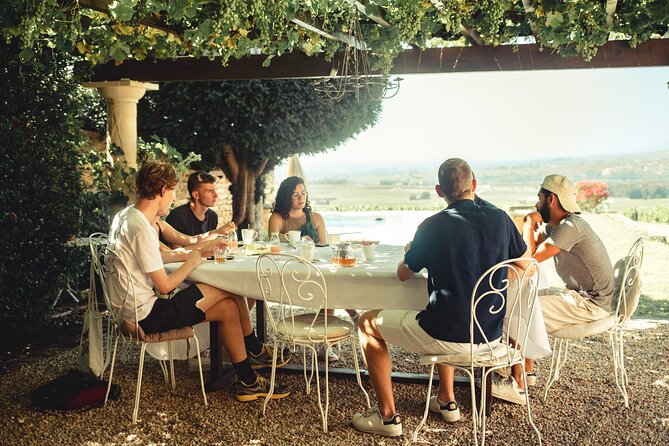
The tour includes a snack along the way, which is welcome during a morning or afternoon of tasting. The available information does not specify the exact food, portion, or dietary arrangements, so contact the provider in advance if you have allergies or strict food requirements.
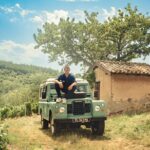
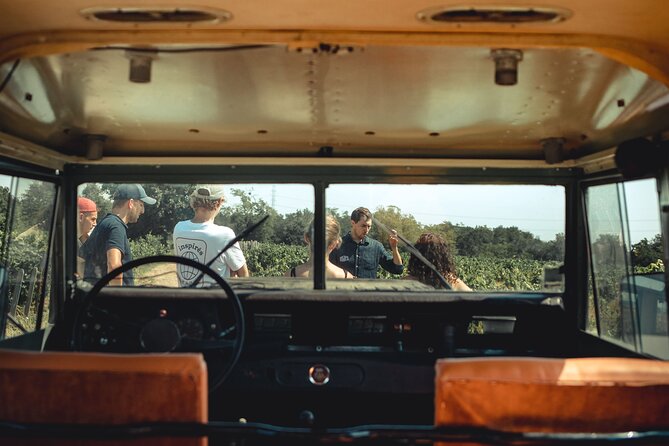
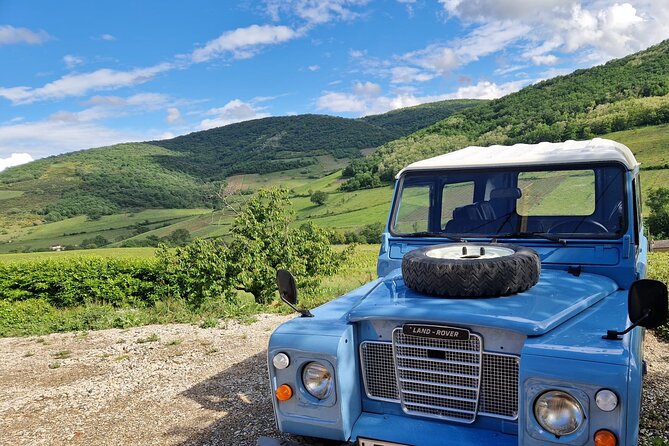
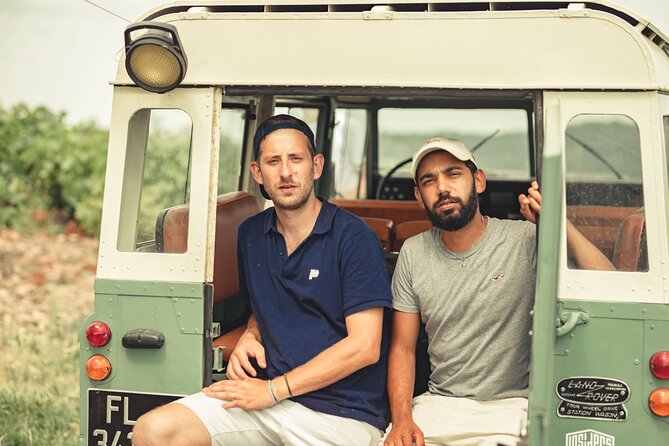
The vintage Defender is part of the experience, not just a way to get from point to point. Small country roads suit the vehicle, and the drive helps keep the outing connected to the rural setting. It also adds a bit of old-fashioned charm that a standard people carrier would not provide.
That said, older vehicles can be less spacious and less refined than modern tour vans. The supplied details do not state the seating layout, luggage capacity, or climate-control arrangements. I would not choose this tour if you need to carry large bags or require a particular vehicle setup unless the provider confirms it first.
Because this is a private outing, your group has more control than on a scheduled group bus. The host describes the route as adaptable, with the goal of making good use of your time and money. You can place more weight on wine, the hill walk, village stories, or meeting producers, depending on your interests.
The five planned stops add variety but also create a full schedule. The stated duration is about four hours, while the individual stop times add up to a little over four hours before allowing for driving. Treat the timing as approximate rather than minute by minute. If you want a slow meal, extensive cellar visits, or a long hike, this half-day format may feel too tight.
Is $231.36 per person fair?
At $231.36 per person, this is not a bargain transportation run. You are paying for a private vehicle, a local host, several tastings, access to small producers, a snack, and a route that would be difficult to arrange efficiently on your own in four hours.
The value is strongest for a couple, family, or small group that wants personal attention. A private tour means you are not sharing the vehicle with unrelated people, and the host can adjust the pace. Group discounts are offered, so the per-person cost may become easier to justify as your group grows.
The price is less compelling if your main goal is simply to drink as much wine as possible. You could likely spend less at a single tasting room, but you would lose the vineyard viewpoint, village-to-village route, Solutré history, and contact with several types of producers.
I would also factor in the cost of convenience. The tour begins and ends in Mâcon, and pickup is offered. Having transport arranged matters in wine country, where driving after tastings is a poor plan and public transport may not connect neatly with small villages.
The current public score is 4.7 out of 5 from three ratings. That is encouraging, though the sample is small. The strongest praise centers on the host, the range of tastings, and the snack along the way. A previous participant described the hostess as excellent and gave the experience a full recommendation. Since no host name is provided, you should not book expecting a particular individual.
Who will enjoy this half-day most?
I would recommend this outing to you if you want Burgundy wine explained through people and place rather than through a formal lecture. It suits visitors staying in or near Mâcon who have limited time but still want several distinct stops.
It is particularly good for:
- Couples who want a private outing with flexible pacing
- Small groups interested in wine, food, and rural scenery
- First-time visitors to Mâconnais who want a clear introduction
- Wine drinkers curious about the connection between Mâconnais and Beaujolais
- People who enjoy local stories and meeting small producers
- Families with older children, since anyone under 18 receives non-alcoholic drinks
Children are allowed, but anyone under 18 will not be served alcohol. Service animals are allowed, and the meeting point is near public transportation. Most people can participate, though the optional hill walk deserves separate consideration if mobility is an issue.
I would hesitate if you want a long, technical wine course, a full day in the vineyards, or a substantial meal. I would also think twice if you dislike bumpy or old-style vehicle rides, although the vehicle details are limited.
Booking and cancellation details
Confirmation is provided when you book, and the experience is offered as a private activity for your group alone. It is booked, on average, about 22 days ahead, so reserving early is sensible if your dates in Mâcon are fixed.
Free cancellation applies when you cancel at least 24 hours before the local start time. Cancellations or changes made inside that 24-hour window are not accepted for a refund. Keep the local time in mind if you are booking from another country.
Should you book this Mâcon wine tour?
Book it if you want a well-paced introduction to Mâconnais, with vineyard views, several small producers, a little food, and the freedom to choose between more tasting and a walk at Solutré. The vintage Defender and village roads give the outing a strong sense of character.
Skip it if your priority is a long sit-down meal, a full technical winery education, or a leisurely day with no fixed schedule. For most visitors with only half a day, though, the combination of Verze, Vergisson, Solutré-Pouilly, and Leynes offers a satisfying look at how wine and daily life fit together in southern Burgundy.
FAQ
Where does the tour begin and end?
The tour begins at the Office de Tourisme de Mâcon Sud Bourgogne, 1 Pl. Saint-Pierre, 71000 Mâcon, France. It ends back at the same meeting point.
How long does the experience last?
The tour lasts approximately four hours. The stop schedule includes time in Verze, Vergisson, La Roche de Solutré, Solutré-Pouilly, and Leynes, with driving between the villages.
Is this a private tour?
Yes. Only your group participates in the activity.
Are alcoholic drinks served to children?
No. Children under 18 are served non-alcoholic beverages only.
Is the walk at La Roche de Solutré required?
No. The walk is optional. It takes about 40 minutes at a slow pace and is described as easy.
What is the cancellation policy?
You can cancel for a full refund up to 24 hours before the experience start time. Cancellations or changes made less than 24 hours before the start time are not accepted for a refund.