REVIEW · MACON
Full Day Private Vintage Land Rover Tour of Beaujolais & Burgundy
Book on Viator →Operated by Marrakech Insiders · Bookable on Viator
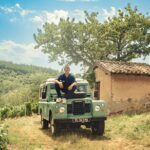
A day like this moves at human speed. You’ll hop between Mâconnais whites and Beaujolais cru red wine while a vintage Land Rover keeps the vibe nostalgic and easy. The best part is the variety: caves-and-vineyard tasting moments, plus history that isn’t just trivia.
I like that the tour feels tailored to your pace and interests. One highlight for me is how the day balances tasting with real stops like La Roche de Solutré and village churches, not just “drive-by photo” moments. I also love the way the guide builds in options, like whether you want an easy walk up to a viewpoint or you’d rather stay more relaxed.
One consideration: with around 8 hours and multiple stops, you’ll want comfortable shoes and a little stamina for short stretches, especially that optional hike.
In This Review
- Key points worth knowing
- A vintage Land Rover day across Mâcon and the Beaujolais crus
- Price and what you’re paying for ($597.76 per person)
- Your day, hour by hour: from Gare de Mâcon1 to back again
- Vergisson: Mâconnais white wine with a first look at the vineyards
- La Roche de Solutré: prehistoric hunting meets a resistance memorial
- Solutre-Pouilly: charming village time and a professional tasting option
- Leynes at the border: a young couple and the Mâconnais-to-Beaujolais transition
- Saint-Amour-Bellevue: first cru energy with lunch or picnic in the vineyards
- Saint-Amour-Bellevue church: travel in time, not just wine in time
- Chénas: second cru, castle-cooperative tastings, and the red wine switch
- Château Moulin-à-Vent: the windmill story and a real 15th-century structure
- Fleurie: the most feminine cru, plus viewpoint tasting with long chairs
- Julienas: the rebel cru finale with a Julienas-only wine stop
- How to prepare: comfort, walking, and tasting pace
- The human touch: a day that adapts, not a script you can’t change
- Who this private Beaujolais Burgundy Land Rover tour suits best
- Should you book this tour?
- FAQ
- FAQ
- Where does the tour start?
- What time does the tour begin?
- How long is the full day tour?
- Is pickup offered?
- Is this a private tour?
- What languages is the tour offered in?
- Are admission tickets included for the stops?
- Is lunch included?
- Is it cancellable for a refund?
Key points worth knowing

- Private vintage Land Rover comfort with pickup from Gare de Mâcon1 and return to the same spot
- Free admission tickets listed for each stop, so your money goes toward the day, not the paperwork
- Two wine styles, two moods: Mâconnais white wine first, then Beaujolais crus for reds
- Easy add-on walks like a roughly 30-minute stroll to La Roche de Solutré’s top
- Lunch is flexible: restaurant meal not included, or picnic in the vineyards if weather cooperates
- Very local wine stops, including a Julienas-only spot that leans toward real, casual authenticity
A vintage Land Rover day across Mâcon and the Beaujolais crus

This is the kind of wine tour that doesn’t feel like a factory schedule. Starting in Mâcon at 9:30 am (from Gare de Mâcon1), you’re in a private vehicle designed for comfort, then you’re out of it often enough to feel the places instead of just passing through them.
The route is built like a story. You begin with Mâconnais, where the only wine produced here is white wine. Then you slowly shift into Beaujolais, where the crus (exceptional wine areas) start stacking up: Saint-Amour, Chénas, Moulin à Vent, Fleurie, and Julienas.
And yes, the “vintage” part matters. It keeps the whole day feeling less formal, more lived-in. One review even called it intimate and relaxing, and that matches the structure: short visits, time to taste, and a guide who can adjust the day to your energy level.
You can also read our reviews of more private tours in Macon


Price and what you’re paying for ($597.76 per person)

At $597.76 per person for about 8 hours, this isn’t a budget wine day. You’re paying for a few specific things the cheaper tours often skip: true privacy, a high-touch guide, and a route that packs both wine and context into the same day.
Here’s how the value shakes out:
- You’re not paying extra for entries at the scheduled stops. The itinerary lists admission tickets as free for each stop.
- The tasting experience isn’t random. The plan explicitly includes wine tastings at multiple points, including a session with a professional and stops designed around the cru style.
- You get the freedom of a private group. That means the guide can keep things comfortable—less waiting, fewer herd moves, and more “you’re here, so let’s make it work.”
The one thing you’ll need to plan for is food. The lunchtime option in Saint-Amour is either a local restaurant (the day price doesn’t include it) or a picnic in the vineyards if weather allows. If you budget a solid lunch meal, the day feels more complete.
Your day, hour by hour: from Gare de Mâcon1 to back again
The tour starts at Gare de Mâcon1 Av. de la Gare, 71000 Mâcon at 9:30 am, and it ends back at that meeting point. Pickup is offered, and the tour is private, so only your group rides along.
The rhythm is simple: drive between places, then get out for short, meaningful blocks of time. Most stops run around 20 to 40 minutes, with a couple of longer moments where lunch and a church visit get their own time.
If you like a steady pace—enough time to taste and ask questions, not so much time that the day drags—this layout tends to work well. Reviews also suggest the guide makes it feel easy to connect with and relaxed, which is exactly what you want on a long wine day.
Vergisson: Mâconnais white wine with a first look at the vineyards
Your first wine stop is Vergisson in Mâconnais. The focus here is white wine—because Mâconnais is described as producing white wine in this area.
You’ll have a choice built into the day: you might visit a wine producer, a winery, or you might simply open a bottle in the vineyards, depending on what fits your interests. That flexibility is a real perk. It lets the morning match your style—learn a bit, taste a bit, and still feel like you’re in the right setting.
One practical tip: start gentle. By the time you reach later Beaujolais tastings, you’ll be glad you began with a relaxed pace and a clear sense of what you like in white wine.
La Roche de Solutré: prehistoric hunting meets a resistance memorial
Then you head to La Roche de Solutré, a small hill with layers of meaning.
This is not just a scenic stop. It was used by prehistoric people to hunt animals—by driving them up and then forcing them off the cliff. And it’s also described as an important remembrance place tied to the French resistance.
If you’re up for it, you can hike to the top. The tour notes this as an easy 30-minute walk. You’ll probably get better views if you do it, but the optional nature matters. If you’d rather keep things easy, you can still enjoy the area without turning the day into an endurance event.
Either way, it’s the kind of stop that makes you look at a vineyard hillside like it’s always been a “stage” for people—first for survival, later for memory.


Solutre-Pouilly: charming village time and a professional tasting option
Next is Solutre-Pouilly, one of the tour’s favorite spots in Mâconnais. It’s described as charming in a way that wine tourists rarely get—more village character than “just another tasting room.”
Here, you’ll either visit another wine producer or do a wine tasting with a professional. Either option keeps you in the right lane: you’re not just consuming wine, you’re learning how people make and share it.
This stop is a good time to ask pointed questions. If you’re trying to figure out what kind of white wine you like, tasting here lets you compare styles while the earlier stops are still fresh in your head.
Leynes at the border: a young couple and the Mâconnais-to-Beaujolais transition
Leynes is your last stop in Mâconnais, and it sits right at the border with Beaujolais. That location is part of the meaning of the stop: you’re standing at the edge of one wine personality and stepping toward another.
You’ll visit a domain run by a young couple making wine a few years now. The day description highlights that they represent a newer generation in both technique and philosophy. Translation for you: this is likely less “old-school routine” and more “new-school thinking,” which can be refreshing after a morning of more classic framing.
Then comes the best part. You’ll taste their wine. I like stops like this because they remind you that wine regions aren’t frozen in time—they’re changing, even when the hills look permanent.
Saint-Amour-Bellevue: first cru energy with lunch or picnic in the vineyards
Welcome to Beaujolais. Your first cru stop is Saint-Amour-Bellevue, described as the first cru (an exceptional wine area) that you’ll visit, and the itinerary builds a proper lunch moment into it.
You’ll either stop in a local restaurant (and note: the restaurant is not included in the day price) or, if the weather cooperates, you can have a picnic in the vineyards instead.
This is also where you slow down. The point isn’t just to drink. It’s to let the region’s rhythm land. If you prefer a more relaxed meal with wide open views, the picnic option can be the most “this is why I came” part of the day.
Saint-Amour-Bellevue church: travel in time, not just wine in time
Right after lunch, you’ll stop at the church in the village for about 30 minutes. The guide is set up to explain what they discovered about this place—so expect more than a quick photo.
It’s a neat pairing with the wine. Vineyards might shape the landscape, but villages shape the culture around the wine. A church stop also helps you see the area as a living community, not just a tasting route.
Chénas: second cru, castle-cooperative tastings, and the red wine switch
Now you’re in deeper red wine country. Chénas is described as the second cru you’ll see.
You can also stop at the castle of the village, which has been changed into a cooperative for wine tastings. That matters. Cooperative tastings tend to feel more communal and less performative. You’re tasting in a setting made for shared work, which fits the Beaujolais vibe.
Also, there’s a timing shift here. By the time you reach Chénas, you’ve moved from white wine to reds, so your palate will likely feel the difference. If you’re the type who loves reds, this is where the day usually starts feeling more like a “Beaujolais tour” rather than a mixed wine sampler.
Château Moulin-à-Vent: the windmill story and a real 15th-century structure
Next up is Château du Moulin-à-Vent, named for a wine style that’s described as the lord of Beaujolais wines. The day also shares a story about its late 19th-century competition with Romane Conti, which gives you a little perspective on how serious these wines have been.
“Moulin à Vent” means windmill, and the itinerary says you’ll see an authentic 15th-century windmill there. That’s the kind of detail I always enjoy because it makes the name feel physical, not just poetic.
This stop is shorter—about 20 minutes—so it’s best to arrive mentally ready for story + photo + one more tasting moment, then move on.
Fleurie: the most feminine cru, plus viewpoint tasting with long chairs
Fleurie is described as the most feminine cru of Beaujolais. The itinerary also notes it was put on the map by a woman last century—an interesting detail because it shifts the usual “male-led wine lore” pattern.
You’ll choose between two tasting styles:
- a cooperative tasting that also acts like a local bar
- or a move uphill to a favorite viewpoint in the vineyards
If you choose the viewpoint, the description is very specific: you’ll pull out long chairs, open bottles for tasting, and one of them is from the vineyard where you’re standing. That’s the kind of moment that makes the day feel like more than a schedule—more like being invited to slow down and enjoy.
Julienas: the rebel cru finale with a Julienas-only wine stop
Your last stop is Julienas, described as the rebel cru. The itinerary notes you’ll visit a building that used to belong to the catholic church, and inside they serve only Julienas wine.
The vibe is the most local-feeling stop in the day. The description even says most tables are occupied by local wine growers, with a sense that some kind of conspiracy is going on. You’ll feel it as a casual, real place where locals keep things moving.
There’s also a practical detail you’ll likely appreciate: the stop serves Julienas wine for less than 2 USD per glass. That’s not about getting cheap wine. It’s about the freedom to taste without feeling like you’re buying a ticket to the next ten minutes.
How to prepare: comfort, walking, and tasting pace
Most people can participate, and service animals are allowed. The walking you should plan for is optional: the only notable hike mentioned is the easy 30-minute walk to the top of La Roche de Solutré.
Even so, bring comfortable shoes and plan for some uneven vineyard ground. Weather can also change the day. The picnic option in Saint-Amour depends on the weather, so have a small backup plan in your mind.
For tasting, go slow. Start with what you like, not with what’s “supposed to be” interesting. By the Beaujolais stops, your preferences will likely sharpen fast.
The human touch: a day that adapts, not a script you can’t change
The standout praise in the experience is how relaxed it feels and how much it adapts to the group. One review highlighted guide Amelie as amazing and tailored the day to the group so they could relax and enjoy the experience. It also mentioned Victor and his dog as a memorable part of the day when visiting Nelly.
That’s useful for you even if you don’t know those names yet. It signals the tour is built around personal connection, not just wine delivery. If you want a day where you can ask questions, pause when something catches your eye, and keep the pace comfortable, this is the right style.
Who this private Beaujolais Burgundy Land Rover tour suits best
This tour fits best if you want:
- A private, guided day with a vintage-vehicle feel and no “mass-group” energy
- White wine first, then Beaujolais cru reds, so you can compare moods across regions
- Stops that mix wine tasting with place-based context, like prehistoric hunting stories and resistance remembrance
- Some flexibility, like optional viewpoints and two lunch styles
It may be less ideal if you want a purely sit-down wine-lecture day with long, formal winery tours, since the day is structured around multiple short stops.
Should you book this tour?
If you’re spending time around Mâcon and you want a wine day that feels friendly, paced, and genuinely local—this is an easy yes. The private setup, the planned tastings across several crus, and the mix of viewpoints plus history make it more than a simple drink-and-go itinerary.
If you’re tight on time, skip it. But if you can give the day a full block and you’re willing to walk a bit (or choose not to), it’s a great way to understand how Mâconnais whites and Beaujolais reds connect on the ground.
FAQ
FAQ
Where does the tour start?
The tour starts at Gare de Mâcon1, Av. de la Gare, 71000 Mâcon, France.
What time does the tour begin?
The start time is 9:30 am.
How long is the full day tour?
It runs for about 8 hours.
Is pickup offered?
Yes, pickup is offered.
Is this a private tour?
Yes. It’s private, and only your group participates.
What languages is the tour offered in?
The tour is offered in English.
Are admission tickets included for the stops?
Admission tickets are listed as free for the scheduled stops.
Is lunch included?
Lunch is not included in the price. You can either stop at a local restaurant (not included) or, if weather allows, have a picnic in the vineyards.
Is it cancellable for a refund?
Yes. There is free cancellation, and you can cancel up to 24 hours in advance for a full refund.