REVIEW · CHINON
Picnic in the Vines – A Unique Loire Wine Experience
Book on Viator →Operated by Château du Petit Thouars - Loire Valley Wines · Bookable on Viator
A vineyard picnic beats a museum every time. This Loire experience pairs a guided château tour with wine tasting, then ends with a romantic picnic lunch overlooking the vines at the family estate that dates back to 1634. I especially loved how terroir is explained in plain words as you walk the vineyards, and I liked the way the lunch feels personal and scenic rather than like a rushed meal in a tasting room. One thing to plan for: it’s outdoors and runs in all weather, so you’ll want to dress smart for wind or cool damp.
You’ll head on your own to Château du Petit Thouars near Chinon (it’s a short drive), meet your hosts, and settle into a 2.5-hour loop that mixes history, hands-on wine talk, and food. The tasting focuses on Cabernet Franc and Chenin blanc, and you’ll even get a chance to select a bottle to take with your lunch.
The biggest “real” value here is the combo: learning + tasting + lunch in one smooth afternoon, at a price that doesn’t feel inflated for what you get. With up to 80 travelers max, it’s still not a huge factory-style crowd, and many guests describe it as intimate and easy to connect with your guide.
In This Review
- Key things to know before you go
- Château du Petit Thouars: the setting that makes the wine make sense
- Guided château and vineyard tour: where the history isn’t just trivia
- Cellars, oak casks, and what happens after harvest
- Wine tasting in the tasting room: Cabernet Franc and Chenin blanc
- The picnic lunch in the vines: food, views, and your chosen bottle
- Price and value: what $92.42 buys you (and why it feels fair)
- Who this tour is best for
- Practical tips so your afternoon goes smoothly
- Should you book Picnic in the Vines?
- FAQ
- Where does this experience start?
- How long does Picnic in the Vines take?
- What language is the tour offered in?
- Is there a vegetarian option?
- Does it run in bad weather?
- Can I get a refund if my plans change?
Key things to know before you go
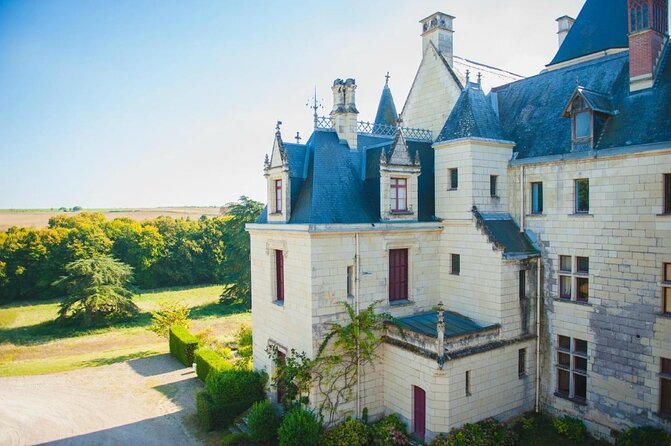
- A family-run château since 1634: you’re touring a living estate, not a staged attraction.
- Terroir walks, not just wine talk: you’ll learn why location and soil matter for taste.
- Tasting includes Cabernet Franc and Chenin blanc: and you get help making sense of the differences.
- Pick your bottle for lunch: so the wine you choose matches what you liked during tasting.
- A proper vineyard-view picnic: you’re eating with the château grounds, dovecote, and rolling vines in sight.
- Weather-proof planning: it operates in all conditions, so bring a jacket and dress for the day.
Château du Petit Thouars: the setting that makes the wine make sense
Chinon is a great base for exploring the Loire, but the magic starts when you step onto the grounds of Château du Petit Thouars. This isn’t a large corporate tasting stop. It’s a family estate with a long timeline, and that changes the vibe. You’re shown how the property works, how the grapes are handled, and why the same grape can taste different depending on where it’s grown.
Your experience begins at 108 Château du Petit Thouars, 37500 Saint-Germain-sur-Vienne, and the activity ends back at the same point. That simplicity matters when you’re touring Loire towns where parking and timing can sometimes get fussy. You’re not sent off to some far-flung meeting place and back again. You drive in, meet your hosts, and you’re done.
I also like that the tour offers choice of departure times throughout the day. If you’re building a day around other Chinon sights (or you’re trying to avoid the hottest or rainiest window), you can usually pick a time that fits your schedule.
You can also read our reviews of more wine tours in Chinon
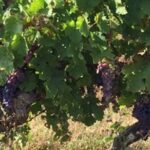

Guided château and vineyard tour: where the history isn’t just trivia
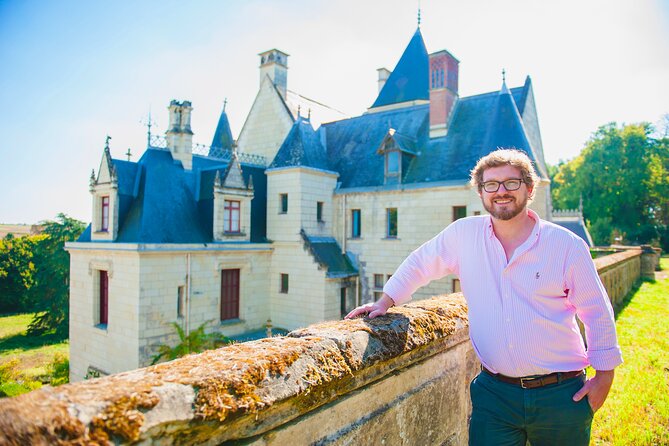
You’ll be greeted by your hosts and taken through the château with a focus on how the estate functions. The tour includes strolling through the vineyards and peeking behind-the-scenes of the winery. The château is historically owned by the du Petit Thouars family since 1634, and you get the kind of storytelling that helps you visualize what has changed—and what hasn’t.
The standout idea you’ll keep hearing is terroir, the Loire concept that the land shapes the wine. In practice, that means the guide doesn’t just name regions and grapes. You’re walking the grounds, then getting explanations tied to what you’re seeing: vineyard conditions, the winery’s workflow, and how these factors show up in the glass later during tasting.
You also get a sense of what it means to manage a historic property. One guest noted parts of the château were under renovation, which is a helpful reminder: you’re seeing something real, still being cared for. It’s not frozen in time for your photo.
If you’re hoping for a “walk, taste, repeat” rhythm, this portion delivers. It’s not a long hike, but it does involve being on your feet at a moderate pace. The tour calls for moderate physical fitness, so if you have mobility limits, plan around that and consider whether outdoor walking on uneven ground will work for you.
Cellars, oak casks, and what happens after harvest
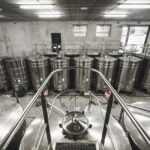
After the vineyard strolling, you shift to the heart of winemaking: the aging cellars. The tour includes the aging process and the equipment used for aging the wine in French oak casks. This is one of those details that matters more than people expect. Oak type and aging method can change aroma, texture, and how the wine evolves over time.
You’ll get to see the cellars where the wines are aged, and some guests highlight an organic underground cellar on site. Even if you’re not a wine technical person, it’s interesting because it shows that wine isn’t only about grapes—it’s about temperature control, storage, and steady handling.
If you like stories tied to real smells and sounds (not just facts), this part is often where the tour feels most hands-on. You’ll be standing in the space where the wine is transformed, and the guide can connect what you saw earlier in the vineyards to what you’ll taste later.
Wine tasting in the tasting room: Cabernet Franc and Chenin blanc
Tasting comes after the château-and-cellar portion, in the winery’s tasting room. The focus is on the estate’s fine Cabernet Franc and Chenin blanc. That’s a smart pairing for this region. Cabernet Franc is one of the Loire’s signature grapes, and Chenin blanc is famous for producing wines with a wide range of styles and personalities.
In some versions of the experience, guides share a broader tasting set—one guest described tasting five wines and being surprised that such a variety of flavors could come from a single grape like Cabernet Franc. Either way, the structure stays the same: you sample, you talk about what you’re noticing, and you learn how the same grape can show different expressions depending on how it’s grown and handled.
Guides can be personable and engaging, and the names Sebastian and D’arcy/Darcy show up in multiple accounts. If you end up with one of them, you’re likely in for a host who explains the process clearly and ties it back to what the estate is doing today.
Tip: take a moment during tasting to decide what you actually like, not just what sounds impressive. Since lunch includes a bottle selection, your tasting notes matter. Your chosen wine should fit the food, the mood, and your preferences.
The picnic lunch in the vines: food, views, and your chosen bottle
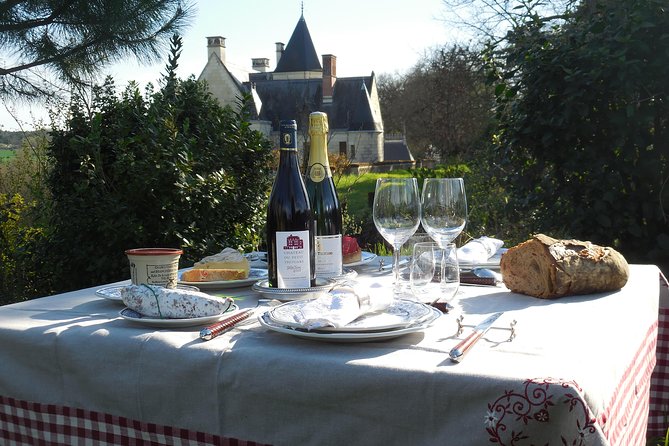
This is the part you’ll remember long after the wine stops. After tasting, you can select a bottle of your favorite wine to accompany your lunch. Then you’re left to enjoy a romantic picnic in the château grounds, with views over the ancient dovecote and the surrounding vineyards.
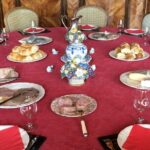
The lunch isn’t a sad plate of bread and cheese. It’s a proper spread with a thoughtful mix of French classics and local specialties. Here’s the sample menu structure:
- Salads: French grated carrot salad and organic tomato salad
- Charcuterie and pâté-style items: artisanal deli meats, rilettes (pulled pork), and terrine (French paté), served with French baguette
- Cheese: Sainte Maure de Touraine (local goats cheese)
- Dessert: La Tarte Vigneronne, described as an apple tart baked with wine jelly
Vegetarian options are available, and you should advise dietary requirements at booking. (So if you’re vegetarian, gluten-free, or have other needs, it’s worth telling them early rather than hoping for a workaround on the day.)
You’ll eat outdoors, so you’ll want to bring a little picnic logic: plan for grass, bring a light layer for temperature shifts, and use sunscreen if the sky clears. Since the experience operates in all weather conditions, a jacket is not optional in the cool months.
One more small detail that adds to the charm: there’s a resident cat named Biscuit that some guests describe as following along. It’s the kind of quirky touch that makes a place feel alive.


Price and value: what $92.42 buys you (and why it feels fair)
At about $92.42 per person for roughly 2 hours 30 minutes, this isn’t the cheapest activity in the Loire Valley—but it often lands in the fair-value zone because you’re getting three connected pieces:
- A guided winery and château tour (including vineyards and cellars)
- A wine tasting focused on local grapes
- A full picnic lunch with multiple foods, local cheese, dessert, and a bottle you select
If you’ve done wine tastings elsewhere where you pay for glassware but then scramble for lunch, this feels smoother. You’re not paying separately for transport time, guided storytelling, and food. The price bundles them, and the result is a long-enough afternoon to feel like you actually experienced the estate instead of just sampling it.
And since confirmation is handled at booking and you receive a mobile ticket, you avoid the most annoying parts of pre-trip logistics. It’s one less thing to think about while you’re bouncing between Loire towns.
Who this tour is best for
I think this works best if you want a wine experience that’s not only about drinking. You’ll get more out of it if you enjoy learning the basics of terroir and hearing how a family estate has operated for centuries.
It’s also a good match for:
- Couples who want something romantic and scenic without overplanning
- Food lovers who appreciate local cheese and classic French picnic items
- People who want a more personal vibe than a large group tasting
It’s not built as a strenuous hike. Still, the tour asks for moderate physical fitness, and it runs in all weather, so plan accordingly if you’re sensitive to outdoor conditions. Children must be accompanied by an adult, and at least some families found it enjoyable for kids too.
Practical tips so your afternoon goes smoothly
A few simple moves help:
- Dress for outdoors, not just for the season on your map. The tour operates in all weather.
- Arrive a bit early so you can park and settle before the host starts.
- Pick your bottle based on what you truly like during tasting, not what you think you should like.
- If you have dietary needs, tell them at booking so you get the correct vegetarian option and menu adjustments.
Also, English is offered. So if you’re not fluent in French, you should feel comfortable throughout the tour and tasting.
Should you book Picnic in the Vines?
If your idea of a great Loire day is wine that comes with context—and a meal that feels like a treat—then yes, book it. This is the kind of experience that mixes history, terroir education, and a real picnic lunch into one coherent afternoon. The Cabernet Franc and Chenin blanc tasting, the option to select your bottle for lunch, and the views over the vineyard are the big reasons it’s such a popular stop.
Book it if:
- You want a romantic, scenic lunch with wine built in
- You like small, personal guidance from hosts who explain the process
- You’re okay with outdoor time in changing weather
Maybe skip it if:
- You only want a quick wine pour and don’t care about the tour portion
- You strongly prefer fully indoor experiences
One last nudge: pick your departure time based on comfort. A comfortable vineyard afternoon makes everything better.
FAQ
Where does this experience start?
It starts at 108 Château du Petit Thouars, 37500 Saint-Germain-sur-Vienne, France, and it ends back at the same meeting point.
How long does Picnic in the Vines take?
The duration is about 2 hours 30 minutes.
What language is the tour offered in?
The experience is offered in English.
Is there a vegetarian option?
Yes. Vegetarian options are available, and you should advise the dietary requirements at booking.
Does it run in bad weather?
Yes. It operates in all weather conditions, so dress appropriately for the day.
Can I get a refund if my plans change?
You can cancel for a full refund up to 24 hours before the experience’s start time. If you cancel less than 24 hours before, the amount paid will not be refunded.