REVIEW · CHINON
Epicurean Discovery Tour with Wine & Local Specialties
Book on Viator →Operated by Château du Petit Thouars - Loire Valley Wines · Bookable on Viator
A quick wine stop beats waiting around. This short, small-group experience at Château du Petit Thouars in Chinon pairs a château visit, vineyard know-how, and a troglodyte cave stop with wine and local specialties in former stable buildings. I love the tight 1 hour 15 minutes format, because you still get the story behind the bottles. I also love the small-group feel, where your questions on Chinon terroir and grape differences actually get answered. One thing to consider: the tasting is designed around a short, curated experience, so if you expect a big meal or lots of wine time, the portions may feel lighter than you want.
What makes the tour work is how it connects place to glass. You’ll move from château history and vineyard practices to cellar-style learning, then finish with tasting pairings in a room that already feels part of the site’s daily life. The overall vibe is relaxed and focused, and the English-language hosting is praised as welcoming and clear. Still, it’s tied to good weather for the outdoor parts, so plan for the possibility of a reschedule.
In This Review
- Key things I’d bet on (before you book)
- A Château + Cave + Tasting combo in 75 minutes
- Meeting at 108 Château du Petit Thouars (and why the location matters)
- Château history, family stories, and Chinon terroir talk
- Cabernet Franc and Chenin blanc tasting with real grape comparisons
- Troglodyte cave visit: why it’s more than a photo stop
- Former stables tasting room: local specialties paired with wine
- Small-group dynamics: better questions, smoother pacing
- Price and what you’re really paying for at about $56.87
- Weather-dependent outdoor stops: plan for flexibility
- Who should book this tour (and who might skip it)
- Should you book the Epicurean Discovery Tour with Wine and Local Specialties?
- FAQ
- How long is the Epicurean Discovery Tour in Chinon?
- What wines will I taste?
- Is the tour offered in English?
- How big is the group?
- Is there a fitness requirement?
- What if the weather is bad or I need to cancel?
Key things I’d bet on (before you book)

- Small group up to 10 people, so you’re not lost in the crowd
- Cabernet Franc and Chenin blanc tastings, tied to Chinon terroir talk
- Troglodyte cave visit, adding a real sense of place beyond the château room
- Local specialties paired with wine, served in the tasting room in the former stables
- English offered, with hosting that’s described as personable and easy to follow
A Château + Cave + Tasting combo in 75 minutes
Chinon has no shortage of wine stops, but this one is built for people with limited time. In about 1 hour 15 minutes, you get the full flow: château context, vineyard and grape learning, a troglodyte cave visit, then a structured tasting paired with local specialties. It’s the kind of format that helps you understand what you’re drinking, not just sample it.
This is also a practical choice if you’re using Chinon as a base and want something closer than a full half-day excursion. You’ll meet at the château itself, which means less time commuting and more time where the wine story actually happens.
You can also read our reviews of more wine tours in Chinon
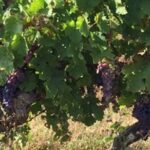

Meeting at 108 Château du Petit Thouars (and why the location matters)

You start at 108 Château du Petit Thouars, 37500 Saint-Germain-sur-Vienne, France. Meeting at the château is more than convenient. It keeps the experience grounded in the property, so when you learn about the vineyard and winemaking, you can picture how the site fits together.
You’ll also get everything in a format that’s easy to manage on the road. A mobile ticket is part of the setup, so you’re not digging through printouts, and the tour is offered in English. It’s a short commitment, which makes it easier to slot into a day of tastings without draining your schedule.
Château history, family stories, and Chinon terroir talk

The first part focuses on the château itself—its past, how the property connects to the wine, and what makes Chinon work as a wine region. You’ll get an overview of the history of the Château du Petit Thouars and learn how vineyard practices connect to the flavors in the glass.
One of the strongest reasons people rate this experience highly is the storytelling tone. A guide named Sebastian is specifically praised for being personable and for sharing passion-rich details about ancestry, the château, and the wine. Even if your host is different, the emphasis on personal connection to the place is clearly part of the appeal.
Here’s what I think you’ll find most useful as a reader: you’re not just being told grape names. You’re learning the logic behind them. The tour covers French vineyard practices and the Chinon terroir, so when you later order a Chinon-style bottle, you’ll have a mental framework for what to pay attention to.
Cabernet Franc and Chenin blanc tasting with real grape comparisons
The wine portion isn’t random. You’ll taste Cabernet Franc and Chenin blanc from the château’s wines, and you’ll hear explanations tied to the vineyard and region. Cabernet Franc is often the star in this area, but the point here is balance: you’re tasting multiple grapes so you can recognize differences instead of just sampling blindly.
In practice, this helps you shop smarter. If you’re trying to bring home one bottle, having both grapes in the same session makes your preference easier to identify. It also helps if you’re comparing styles for dinner later—something many people do when they’re planning what to drink with local food.
One detail worth noting from how the tasting is described: the tasting includes five wines. That’s enough variety to notice patterns, without stretching the tour into something that takes over your entire day.
Troglodyte cave visit: why it’s more than a photo stop
After the château and grape learning, you’ll visit an historic troglodyte cave. This isn’t presented as a decorative stop. It’s there to connect you to the winemaking process and how the site supports the wine.
You’ll learn about winemaking techniques as part of the cave visit. That matters because a tasting can feel abstract if it’s only about flavor. When you connect flavor to process—how the wine is handled, where it sits, and how the cellar environment influences choices—you get a better sense of why two wines from the same region can still taste different.
It’s also a good reminder that Loire Valley wine isn’t just vineyards and sunlight. There’s a whole world in the structures and cellars, and this tour gives you a short, guided look at that side.


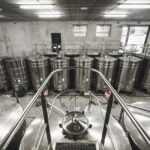
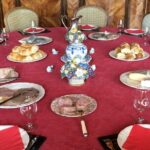
Former stables tasting room: local specialties paired with wine

The finale is the tasting in the tasting room in the former stables. This setting already feels appropriate: it’s part of the property’s working history, so the whole thing doesn’t feel like a separate museum add-on.
You’ll taste the wines paired with local specialties, served as small bites. The pairing approach is the practical part: it shows you how food can highlight different notes in the wine, especially for a short tasting session where you may not have time for a full meal.
If you’re deciding whether you’ll be satisfied, take a look at how the tasting is framed. Many highly rated experiences emphasize the wines plus accompanying bites as delicious and well matched. The most common praise is that the tasting feels informative and generous for a short format.
That said, there’s one caution from a mixed review: at this price point, some people felt the amount of wine and food didn’t match their expectations. The experience can still be enjoyable, but mentally calibrate it as a curated tasting with bites, not a long, heavy pour or full dining experience.
Small-group dynamics: better questions, smoother pacing

This tour is capped at a maximum of 10 people, and that size changes the tone. In a group that small, it’s easier to ask follow-up questions about vineyard practices, terroir differences, or why one grape shifts in character compared to another.
It also helps with pacing. With only about 75 minutes total, you can’t waste time. The small group format makes it more likely you’ll actually see everything on the property without feeling rushed or shuffled through like a ticket number.
If you’re an English speaker, this format helps even more. The hosting is described as welcoming and clear, and in at least one highlighted case, Sebastian’s English is praised as excellent—so you’re not left guessing.
Price and what you’re really paying for at about $56.87

At about $56.87 per person, you’re not just buying wine. You’re paying for a guided walkthrough of the château, the cave stop, the grape education, and the pairing setup.
Here’s how I’d judge the value. This tour is timed to be efficient: about 1 hour 15 minutes. That means you get multiple parts of the site in one visit. If you’re staying nearby and want a high-information tasting without spending a half day on transport, that efficiency can feel like real value.
The balancing factor is quantity. The tasting is structured, and the tour isn’t described as an extended pour session. If your main goal is lots of wine and food, you might feel underfed. If your main goal is understanding Cabernet Franc vs Chenin blanc in Chinon, paired with local bites and anchored to place, you’ll likely feel the experience is worth the cost.
Also, the overall rating is 4.5 based on 30 reviews, which suggests most people leave feeling they got more than a basic tasting. The mixed feedback seems focused on expectations, not on whether the explanations or site elements were interesting.
Weather-dependent outdoor stops: plan for flexibility
This experience has a good weather requirement. That’s common for vineyard and site visits with outdoor elements, but it matters because you’re making a timed commitment.
If conditions are poor, you’ll be offered a different date or a full refund. Practically, I’d treat this as a plan-you-can-swap tour. If your schedule is tight, pick a time window where you can adjust if the weather shifts.
Who should book this tour (and who might skip it)
This is a strong match if:
- You want a short wine education in Chinon
- You enjoy learning the connection between terroir, vineyard practices, and wine style
- You like tasting both Cabernet Franc and Chenin blanc
- You prefer a small-group setting with time for questions
- You’re curious about wine storage and winemaking tools, including the troglodyte cave
You might skip it if:
- You want a long, food-forward meal or a very large tasting quantity
- You only care about buying bottles and tasting without the explanation
- Weather risk would be too hard to accommodate in your schedule
Should you book the Epicurean Discovery Tour with Wine and Local Specialties?
If your goal is to understand Chinon in a single sitting, I’d book it. The best parts are the way the tour links château storytelling, vineyard and terroir learning, and the cave visit to a tasting you can actually interpret. The small-group limit keeps the experience personal, and the English hosting is repeatedly described as welcoming and strong.
Just go in with the right expectations: this is a curated tasting with local bites, not a full-blown wine day. If that fits what you want, it’s a smart use of time in the Loire Valley—especially when you want authentic context without committing hours.
FAQ
How long is the Epicurean Discovery Tour in Chinon?
It runs for about 1 hour 15 minutes.
What wines will I taste?
You’ll taste Cabernet Franc and Chenin blanc from the Château du Petit Thouars.
Is the tour offered in English?
Yes, the tour is offered in English.
How big is the group?
The experience has a maximum of 10 travelers.
Is there a fitness requirement?
The tour recommends a moderate physical fitness level.
What if the weather is bad or I need to cancel?
The tour requires good weather. If it’s canceled due to poor weather, you’ll be offered a different date or a full refund. You can cancel for a full refund up to 24 hours in advance of the experience’s start time.