REVIEW · PARIS
Paris: Louvre Masterpieces Tour with Pre-Reserved Tickets
Book on GetYourGuide →Operated by Walks In Europe · Bookable on GetYourGuide
The Louvre can feel like a maze with a deadline. This tour is interesting because you get pre-reserved priority entry and an expert, licensed guide to steer you straight to the big masterpieces, without losing half your day in lines. One thing to plan for: museum security is still required, and your timed entry has a short window to use it.
What I like most is the shape of the experience. You get a focused, high-impact walkthrough in just two hours, then you’re free to stay inside and explore at your own pace with your reserved tickets.
This is also the kind of visit that works for real people, not just art-history robots. With a group capped at six, your guide can answer questions as you go, and the pace stays human from the Louvre Pyramid area to the works you came for.
In This Review
- Key highlights at a glance
- Where You Meet: Café Le Nemours and a Fast Start
- Priority Access vs Security Lines: How the Louvre Timing Works
- The Louvre Pyramid Pass-By and Your 2-Hour Highlight Plan
- The Masterpieces You’ll See: Mona Lisa, Venus de Milo, and Winged Victory
- Italian Renaissance Power: Wedding Feast at Cana and Michelangelo’s Slaves
- French Romanticism Drama, Then Neoclassical Calm
- Small-Group Size Changes Everything (In a Good Way)
- Price and Value: Why $152 Can Be Worth It
- Who Should Book This Louvre Tour?
- Should You Book This Louvre Masterpieces Tour?
- FAQ
- Where do I meet the guide?
- What is the tour length?
- Does the tour include skip-the-line entry?
- Are the entry tickets timed?
- Can I leave the Louvre and re-enter with the same tickets?
- What should I bring?
- What items are not allowed?
- What languages are offered?
- Is this tour suitable for wheelchair users or mobility impairments?
- What happens if the Louvre is affected by a strike?
Key highlights at a glance
- Priority access with a small-group rhythm so you’re not fighting crowds for every turn
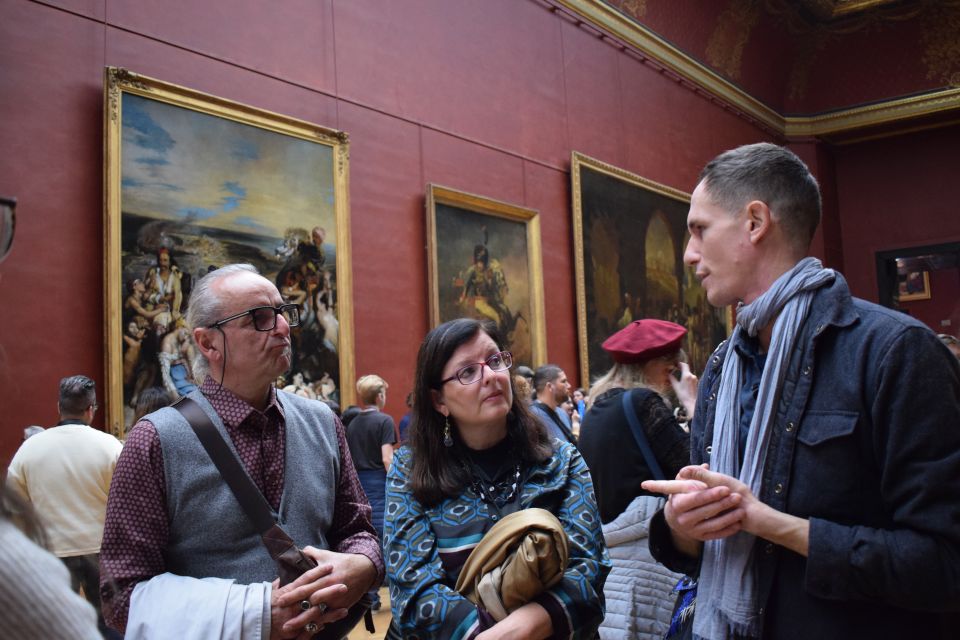
- Louvre Museum–licensed guide who explains what you’re seeing in plain language
- A route built around famous anchors like Mona Lisa, Venus de Milo, and Winged Victory
- Coverage across eras from Italian Renaissance to French Romanticism and neoclassicism
- Extra time after the tour ends so you can linger where you feel pulled in
Where You Meet: Café Le Nemours and a Fast Start
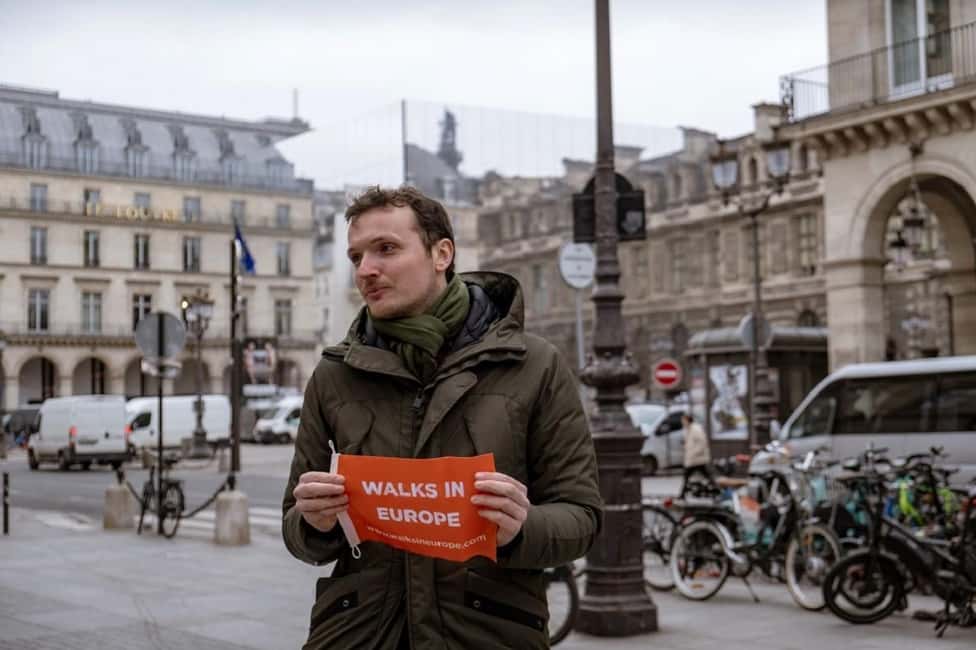
You meet in front of Café Le Nemours, with your guide holding a sign that says Walks In Europe. The nearest metro station is Palais Royal, and you’ll want exit 5 at Place Colette. When you come up, turn around and you should spot the café quickly.
This matters because timing in Paris is not theoretical. Traffic happens. Lines happen. The tour doesn’t wait once it starts, so being early is one of the easiest ways to make the day feel smooth.
You’ll also want to travel light in spirit even if you’re not carrying much physically. The Louvre doesn’t allow luggage or large bags, and umbrellas are off-limits. Bring your ID or passport, since it’s required for monument entrances and security checks.
A few more Paris tours and experiences worth a look



Priority Access vs Security Lines: How the Louvre Timing Works
This tour’s main value is how it handles the first bottleneck: entry. Your tickets are pre-reserved and designed to help you skip the general queue through a separate entrance. In plain terms, it reduces the chaos that usually eats the morning.
But here’s the realistic part: you still go through security, and in high season that line can be long. So while you’re skipping one headache, you’re still facing the other—just usually with a better plan.
Also pay attention to the fine print of time. The tickets are timed and expire within about 5 to 10 minutes. That’s not your whole visit; it’s your entry window. Build in extra buffer for security so you don’t end up chasing a clock.
And once you’re inside, you should know that tickets are single-use. If you leave one wing, you won’t be able to bounce back into the Louvre via the same timed ticket. So think of the tour as your map, and the after-tour time as your chance to wander within the areas you’ve already entered.
The Louvre Pyramid Pass-By and Your 2-Hour Highlight Plan

Even though the tour is only two hours, it’s not a random sprint. You’ll pass the Louvre Pyramid area and then move into the museum with a guide who knows how to keep the story straight and the walking efficient.
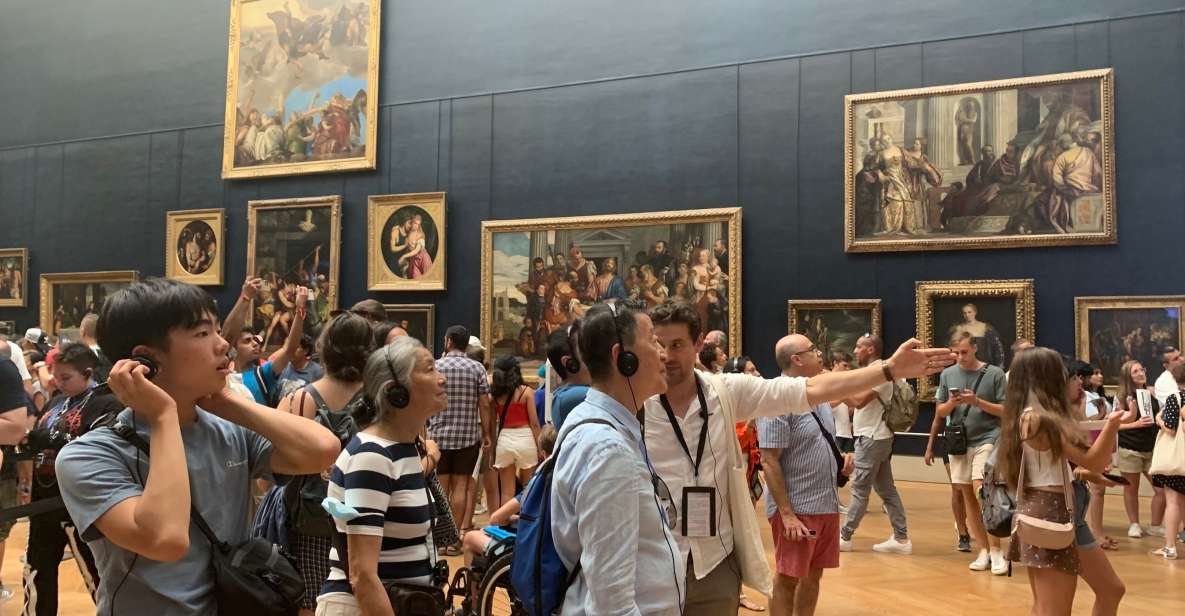
The group size is what makes that manageable. With only up to six people, you’re less likely to get dragged along behind a pack, and your guide can pace the stops based on your questions. That shows up in the way people describe the experience—routes that feel easy, not overwhelming, even inside a building this size.
Expect the tour to take you through a set of key departments and stop at major works tied together by themes and eras. The emphasis isn’t on seeing everything. It’s on seeing the right things in a way that helps the rest of the museum make sense once you start wandering on your own.
One practical note: the tour is offered in English and German. If you’re comfortable with either, you’ll get more out of the explanations and quick context at each stop.
The Masterpieces You’ll See: Mona Lisa, Venus de Milo, and Winged Victory
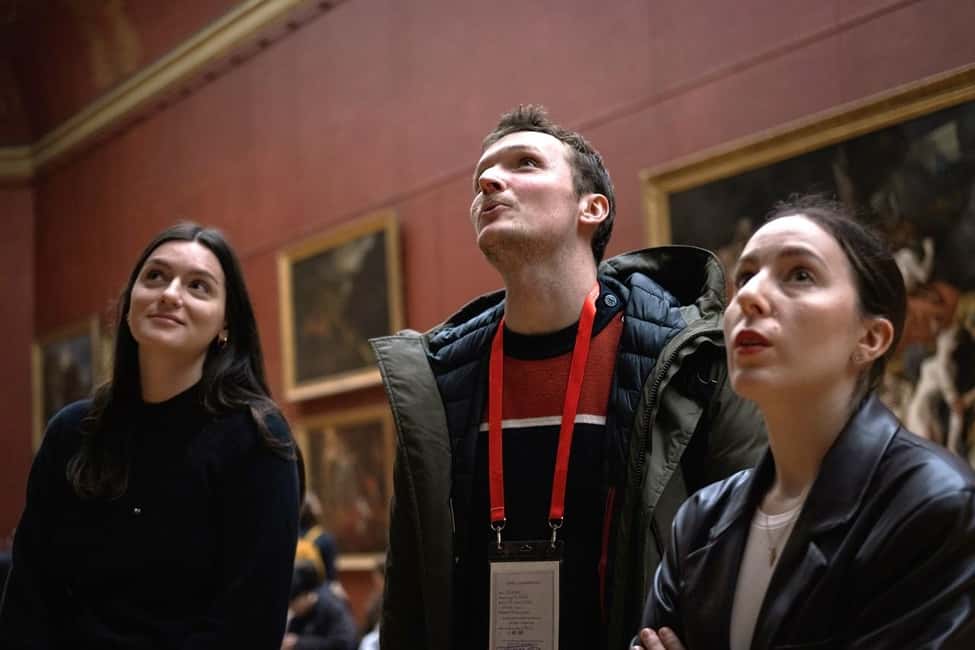
This is why people book. The tour route is built around the icons you want to recognize immediately, including Mona Lisa, Venus de Milo, and Winged Victory of Samothrace.
Why that matters: the Louvre isn’t just a collection. It’s a timeline. When you see these works with the right context—who made them, what they were responding to, and how they were meant to be read—they stop being just famous images and start feeling intentional.
And yes, you can absolutely spot these pieces on your own. But most people end up doing it the hard way: spending time locating them, then spending more time waiting for space to look. With a small group and a guide leading the way, you’re less likely to burn your energy just figuring out where to go next.
You’ll also get the benefit of an order that helps your eyes reset between styles. Renaissance details don’t hit the same way as neoclassical figures, and romantic scenes feel different again. Your guide helps you notice what changes from room to room—and why.
Italian Renaissance Power: Wedding Feast at Cana and Michelangelo’s Slaves
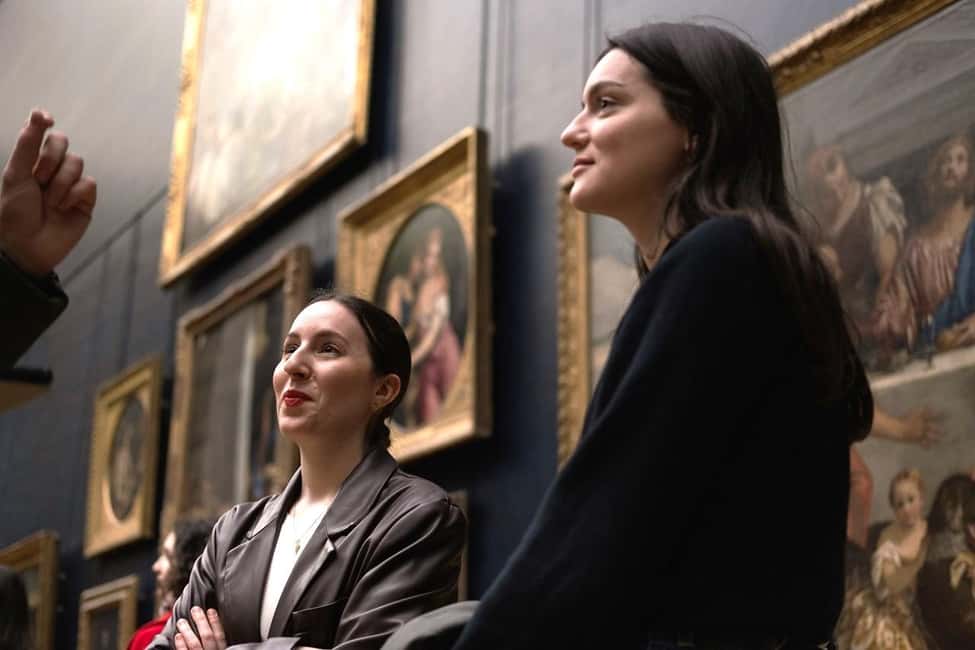
One of the strongest parts of the route is how it anchors you in the Italian Renaissance. You’ll see works tied to dramatic storytelling and human form, including The Wedding Feast at Cana and Michelangelo’s Slaves.
Here’s what I think is useful about including these specific pieces: they show two kinds of Renaissance intensity. Some works pull you toward narrative—what happens and why it mattered. Others pull you toward form—how bodies, movement, and material choices communicate meaning.
When a guide connects those dots in a quick, clear way, you’ll feel the difference even during a short visit. Instead of staring at details in isolation, you start to understand the choices artists were making and the messages they were trying to send.
And because the tour is only two hours, the stops are selected to give you maximum payoff. That selection is a big part of the value of paying for structure rather than trying to DIY a museum this large on limited time.






French Romanticism Drama, Then Neoclassical Calm
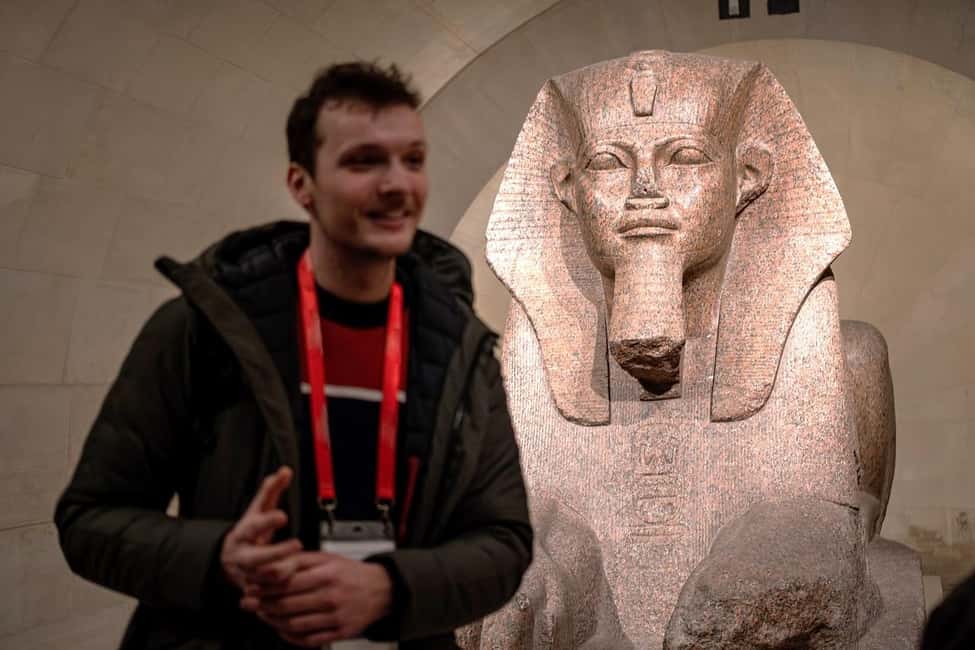
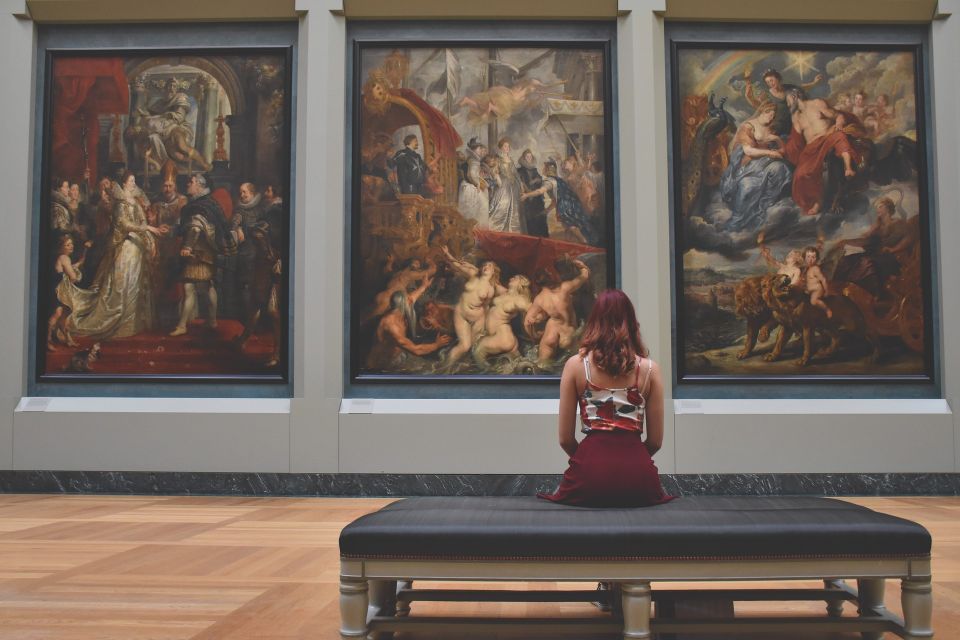
After the Renaissance foundations, the route shifts into French Romanticism, where the mood gets louder and the themes get heavier. You’ll see The Raft of the Medusa, Liberty Leading the People, and The Coronation of Napoleon.
These aren’t quiet works. They’re packed with urgency and symbolism, and they reflect major currents in French history. A guide’s job here is to help you read what you’re seeing without turning the visit into a lecture. The result is that you can stand in front of the painting (or sculpture) and actually understand the stakes.
Then the tour steers into neoclassical beauty and refinement, including Psyche Revived by Cupid’s Kiss, plus architectural and sculptural highlights like the Caryatids and the Salon Carré. This contrast is where many people feel the Louvre become more than a checklist.
Romanticism pushes emotion and spectacle. Neoclassicism often leans toward clarity, structure, and ideal form. When you experience both back-to-back, it’s easier to see how artists responded to their era—and why the Louvre still feels like one living museum story instead of random rooms.
Small-Group Size Changes Everything (In a Good Way)
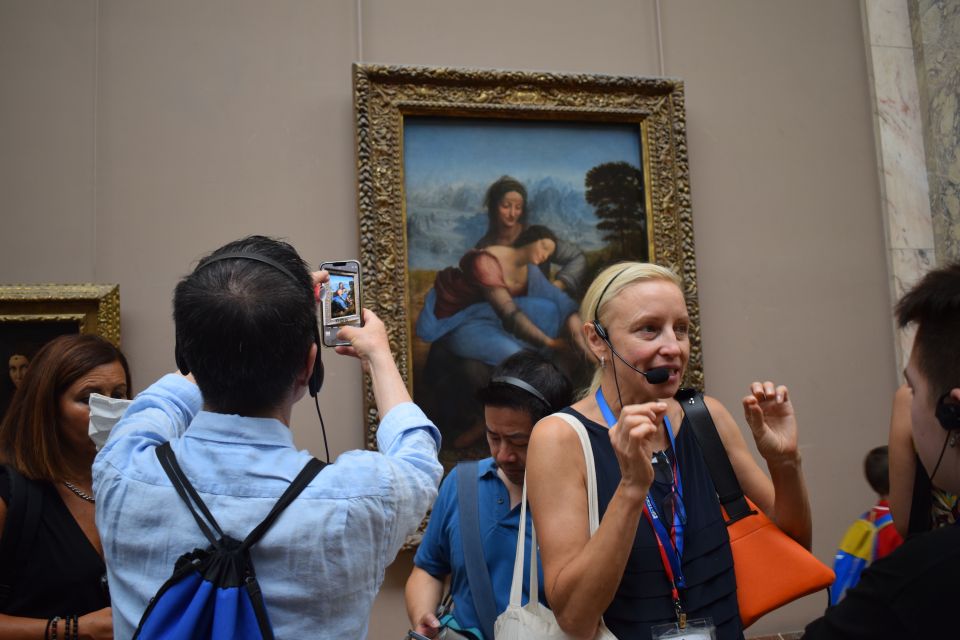
The tour’s “six guests max” setup is the reason it gets described as smooth and personal. In the group size, you get two advantages at once: you’re not lost, and you’re not stuck.
People highlight that guides often keep the experience engaging, including guides known by name such as Jerome, Laura, Patrick, Mattéo, Ashkan, Yseult, and Alban. You’ll also see that guides can tailor explanations on the fly, including when kids are in the group.
That doesn’t mean the tour is only for adults. It means the guide has room to adjust. With six people, you’re more likely to get answers to questions, and less likely to feel like you’re watching from the back.
Balanced note: this tour isn’t set up for everyone. It’s not suitable for people with mobility impairments, wheelchair users, or those who rely on mobility scooters. The museum involves walking, and the rules also restrict mobility aids that might otherwise help.
Also remember the bag rules. If you show up with something large, you’ll lose time dealing with it during the security process.
Price and Value: Why $152 Can Be Worth It
At $152 per person for a two-hour tour, you’re not paying for extra hours. You’re paying for reduced friction.
Here’s the math that makes sense for the Louvre:
- You save time on priority entry planning, which matters in peak crowds.
- You get a guide who helps you choose where to look first, which saves you from the “I found it, now what?” problem.
- You walk away with a map of the museum’s key eras, not just photos of famous art.
If you’re the type who wants to see the big icons and understand what you’re looking at, this price often feels fair. Multiple guides on record are described as bringing stories and keeping the pace fun, which is exactly what you want when time is limited.
If you’re the type who loves roaming with no structure, you might find that a self-guided visit plus a good guidebook gets you 80% of the experience for less money. Still, for first-timers or anyone short on time, paying for a tight route usually means you get more meaningful looking time once you’re inside.
Who Should Book This Louvre Tour?
This tour is a strong fit if:
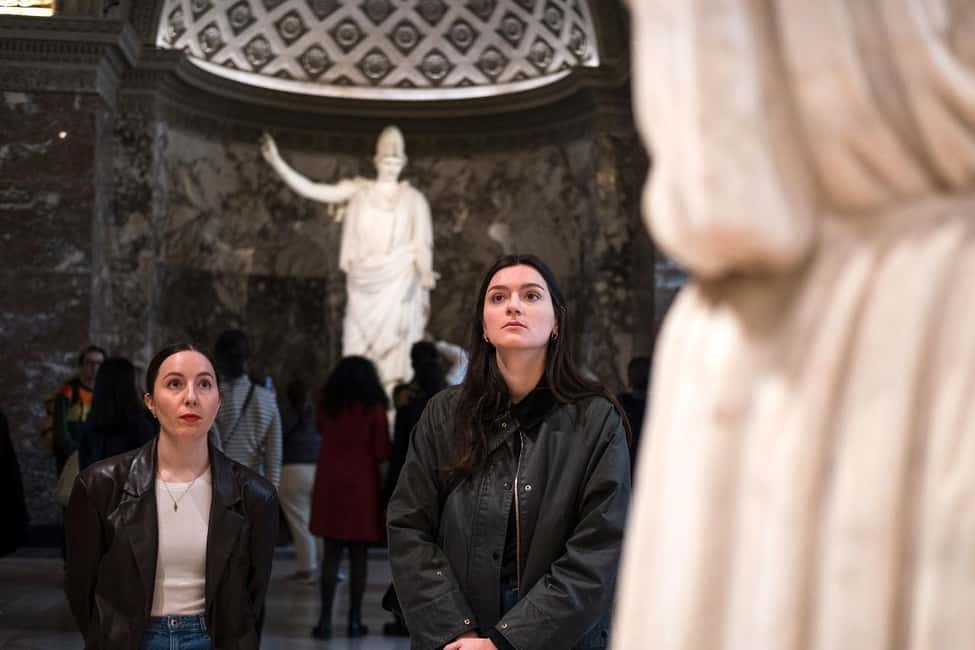
- You’re visiting the Louvre for the first time and want the “greatest hits” with context.
- You have limited time and don’t want to spend it hunting for the right rooms.
- You like learning from a live guide and want fewer dead ends.
- You’re traveling with kids or a group that does better with direction and conversation (the smaller format helps with that).
It’s not a good fit if:
- You need wheelchair access or have mobility limitations that make walking inside the museum difficult.
- You’re hoping to carry luggage or large bags through the day.
- You plan to arrive late and wing entry. The timed window is short, and you can’t join once the tour starts.
Should You Book This Louvre Masterpieces Tour?
I’d book this if your goal is to see the famous works and understand them without spending hours figuring out logistics. The small group of six, the licensed guide, and the priority entry setup combine to turn the Louvre from a stress test into a planned, enjoyable visit.
I’d skip it if you want a slow, flexible museum day where you don’t mind wandering. In that case, you might prefer to pay for tickets alone and go at your own pace, because the tour’s two-hour window is designed to be efficient, not endless.
FAQ
Where do I meet the guide?
Meet in front of Café Le Nemours. Your guide will be holding a sign with Walks In Europe. The nearest metro station is Palais Royal (exit 5, Place Colette), and you can turn around to see the café after you exit.
What is the tour length?
The guided tour is 2 hours.
Does the tour include skip-the-line entry?
Yes. You receive pre-reserved tickets and skip the line through a separate entrance, though you still must go through security.
Are the entry tickets timed?
Yes. The tickets are timed and expire within about 5 to 10 minutes.
Can I leave the Louvre and re-enter with the same tickets?
No. Tickets can only be used once. If you leave one of the museum wings, you won’t be able to get back in.
What should I bring?
Bring your passport or ID card.
What items are not allowed?
Luggage or large bags are not allowed, and umbrellas are not allowed. Mobility scooters are also not allowed.
What languages are offered?
The live tour guide is available in English and German.
Is this tour suitable for wheelchair users or mobility impairments?
No. It is not suitable for people with mobility impairments, wheelchair users, or those who need mobility scooters.
What happens if the Louvre is affected by a strike?
The Louvre may decide to close with no prior notice. If this happens, there will be no refund.