REVIEW · FRANCE
Oenological workshops at La Selve
Book on Viator →Operated by Château de la Selve · Bookable on Viator
The clever part of this 90-minute wine workshop is that the wine arrives in black glasses. You cannot rely on color, so you must judge the aroma and taste before guessing the grape, vintage, and even whether the wine came from a barrel or an amphora.
I like the playful format, which turns a tasting into a small wine puzzle. I also like the access to a team with serious experience, including graduate oenologists and cellar masters who have worked at Château de la Selve since 2002. The main consideration is that the group can reach 20 people, so the session may feel less personal than a private tasting.
In This Review
- Key points
- A wine class that begins by taking color away
- Meeting the Château de la Selve wine team
- How the 90-minute workshop works
- First, you taste without seeing the color
- Next, you consider the grape and vintage
- Then, you examine the aging vessel
- Finally, the winemaker explains the answers
- Why the black-glass test works
- What you can learn about Ardèche wine
- Group size, pace, and personal attention
- The value of $11.58 per person
- Who will enjoy this most
- Practical details before you book
- Should you book the Château de la Selve workshop?
- FAQ
- Where does the Château de la Selve wine workshop take place?
- How long does the workshop last?
- How many people can join the experience?
- What makes the tasting different from a normal wine tasting?
- Who leads the workshop?
- How much does the experience cost?
- Can I cancel for a full refund?
Key points
- Black-glass blind tasting: Try to identify the wine without seeing its color.
- More than a simple tasting: You may assess grape variety, vintage, and aging vessel.
- Experienced instruction: The team includes graduate oenologists and cellar masters with more than 10 years of experience.
- Ardèche focus: Learn about the wines and local grape varieties of the region.
- Small-to-medium group size: The maximum is 20 people.
- Good-value price: At about $11.58 per person, the workshop costs less than many formal wine experiences.
A wine class that begins by taking color away
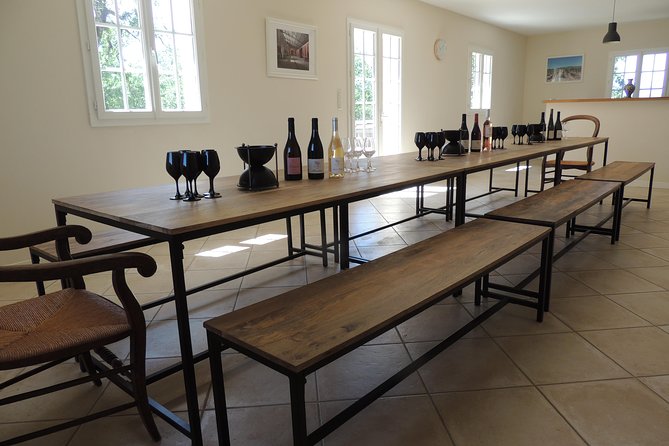
Most wine tastings begin with a look at the glass. You check the shade, clarity, and depth before you smell or taste. Château de la Selve removes that first clue. With wine served in black glasses, you must work from the nose, palate, texture, and finish.
That simple change gives the workshop its character. You are not just told what you are drinking. You make a guess, listen to the explanation, and then rethink what your senses picked up. The format suits curious beginners because you do not need a large vocabulary to take part. It also gives experienced wine drinkers a reason to pay closer attention.
The questions go beyond red or white. You may be asked to identify the grape variety, vintage, and type of vessel used for aging. The barrel-versus-amphora question is especially useful because it connects the taste in your glass with the choices made in the cellar.
A few more France tours and experiences worth a look
Meeting the Château de la Selve wine team
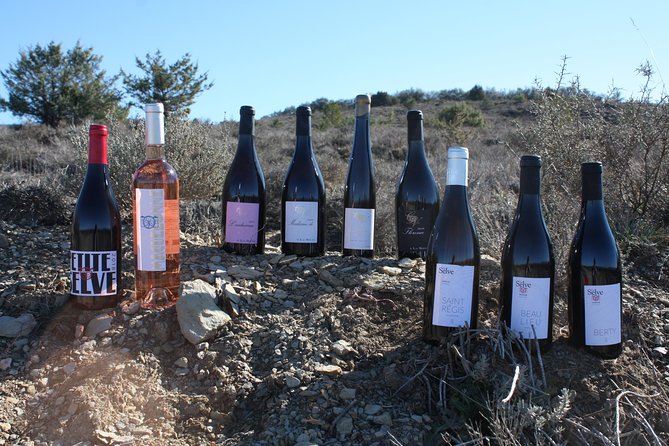
The workshop takes place at Château de la Selve, at the meeting point on D111 in France. The activity begins and ends there, which keeps the arrangement simple. You do not need to coordinate a separate drop-off point or wonder where the session finishes.
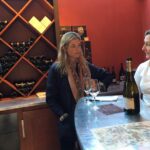
The team has been making wine at the château since 2002. The people leading the experience include graduate oenologists and cellar masters with more than 10 years of experience. That matters because the session is built around actual winemaking practice, not just a set of tasting notes read from a card.
The experience is also tied to Ardèche. You are learning about wines from this part of France while hearing about the grapes and production choices that shape them. The workshop also brings in wines from beyond the region, giving you a wider point of comparison.
Lucile is one of the names associated with the workshop. Her enthusiastic approach to different grape varieties and their flavors is a good fit for this style of tasting. The emphasis is on open discussion, questions, and discovery rather than on passing a test.
How the 90-minute workshop works
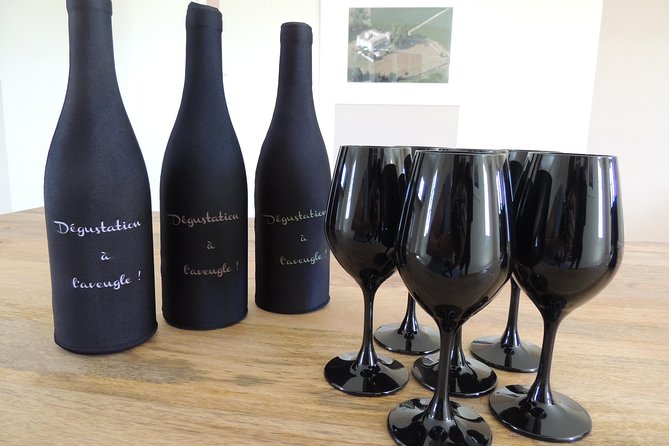
The precise order of each tasting may vary, but the central format is clear. You receive wine in black glasses, then use your senses to work out what is in front of you.
First, you taste without seeing the color
The black glass prevents an easy answer. A pale wine could be white, rosé, or even a red made in a particular style. A deeper wine may suggest one grape, but aroma and structure can point elsewhere.
This is where the activity becomes more than a standard pour-and-explain session. You have a reason to pause. Smell the wine, take a small sip, notice its weight, acidity, fruit, tannin, and finish, then make your best guess.
You do not need to get every answer right. The value comes from learning why the wine gives certain clues and why those clues can sometimes mislead you.
Next, you consider the grape and vintage
The workshop introduces the different grape varieties used in the wines. You may be asked to connect a wine’s flavor and texture with the grape behind it.
The vintage question adds another layer. It encourages you to think about the wine’s age and style rather than treating every bottle from the same producer as identical. Since the available details do not specify the exact wines poured, you should not expect a fixed list of vintages in advance.
This uncertainty is worth keeping in mind if you want to taste one particular bottle. The workshop is designed around learning and guessing, not around guaranteeing a named wine or a set flight.


Then, you examine the aging vessel
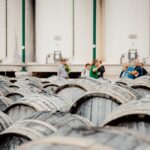
One of the most unusual prompts is deciding if a wine comes from a barrel or an amphora. That makes the cellar part of the tasting.
Barrel and amphora aging can affect the wine’s texture, aroma, and feel in the mouth. You may not always identify the vessel correctly, but the explanation helps you connect production methods with what you taste.
For anyone interested in natural-feeling winemaking methods or the practical side of wine production, this is a useful part of the session. It moves the conversation away from simple grape labels and toward how the wine is made.
Finally, the winemaker explains the answers
After you make your guesses, the team reveals more about the wine and discusses the clues. This is the point where the workshop’s teaching value becomes clearest.
A good explanation can show why a wine smelled fruity but tasted dry, or why its texture suggested one type of aging. You leave with a better way to approach wine, even if you do not remember every grape name.
The format also encourages conversation. The workshop has been described as an open, constructive exchange, so you can ask questions instead of simply listening to a lecture.
Why the black-glass test works
Wine tasting can feel intimidating when you hear people talk about precise aromas and long finishes. The black glasses lower that pressure by making everyone start from the same position.
Even confident wine drinkers lose one familiar clue. Beginners gain permission to guess. Nobody can simply look at the liquid and declare the answer before tasting it.
I like this approach because it shows how much color can influence expectation. A wine may taste sweeter, heavier, or more delicate simply because you think it is a certain color. Removing that visual cue makes the exercise more honest.
The activity also has a light, social side. Guessing gives the group something to discuss, and wrong answers are part of the fun. You are not being graded by a sommelier. You are learning how your own senses respond.
What you can learn about Ardèche wine
The workshop focuses on the wines of Ardèche and the wider wine world. Ardèche is not always the first French wine region people name, which makes the session useful if you want to go beyond the best-known labels.
The team explains different grape varieties and their flavors. This gives you a way to compare wines by taste rather than by reputation. You may find a grape you had not tried before, or recognize that a grape can taste quite different depending on production and aging.
The local focus also gives the tasting a sense of place. You are not simply sampling anonymous wine in a city shop. You are learning from people who make wine at the château and can explain the choices behind it.
The available information does not give a full list of grapes, bottles, or vintages. If you need details for an allergy, a strict preference, or a purchase decision, ask the team before or during the workshop.
Group size, pace, and personal attention
The maximum group size is 20. That is small enough for a shared discussion, though it is not the same as a private appointment.
A group of 10 has taken part in the workshop before, which is a comfortable size for asking questions and hearing the explanations. With a full group of 20, you may have less time for individual conversation, especially if many people want to speak.
The 90-minute duration is well judged for most people. It gives the team time to pour, explain, and compare without turning the session into a full-day wine course. You should still allow extra time around the activity if you want to browse, eat, or spend longer at the château, since the listed experience itself lasts about an hour and a half.
Because the activity returns to the same meeting point, it fits neatly into a day in Ardèche. You can treat it as a focused stop rather than building your whole schedule around it.
The value of $11.58 per person
At about $11.58 per person, this is an inexpensive way to add structure to a wine visit. The value is not only in the amount of wine poured. You are paying for guided instruction, a blind-tasting format, and access to people with professional winemaking experience.
That price compares well with a basic tasting because the workshop gives you something to do. You are not only receiving samples and listening to descriptions. You are testing your judgment and learning how production decisions affect the result.
The low cost also makes it easier to include in a family or regional holiday plan, especially if one person in your group is curious about wine but does not want a long or formal class.
Still, keep your expectations realistic. This is a short workshop, not a detailed cellar tour, private consultation, or full wine education course. The available information does not promise a meal, a vineyard picnic, a bottle included with the fee, or a take-home tasting guide.
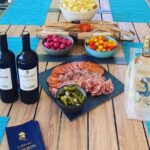
The same château also offers a vineyard picnic and other wine activities, but you should book those separately unless your reservation specifically includes them. Do not assume this workshop covers the picnic.
Who will enjoy this most
I would recommend the workshop to you if you like learning through questions and small challenges. It works particularly well for:
- Beginners who want a friendly introduction to wine
- Couples looking for a short activity with a local focus
- Wine drinkers who want to test their senses
- People curious about grape varieties and aging vessels
- Families or mixed groups where not everyone wants an advanced tasting
- Anyone visiting Ardèche who wants a more meaningful stop than a quick sample
You do not need to be a wine expert. The black-glass format makes the session accessible, and the point is to compare impressions with the winemaker’s explanation.
You may want something else if you prefer to see every bottle before tasting, want a long vineyard walk, or need a private session. The group cap is 20, and the experience is built around a shared workshop.
Practical details before you book
The meeting point is on D111 in France, and the activity ends back at that same location. Check your route carefully before setting out, since the supplied details do not include transport from a nearby town or railway station.
Your booking confirmation is sent at the time of booking. A mobile ticket is provided, which means you can keep the confirmation on your phone rather than needing a printed voucher.
Service animals are allowed. The experience has a maximum of 20 people.
Free cancellation is available if you cancel at least 24 hours before the local start time. If you cancel later, the amount paid is not refunded, and changes made within that 24-hour window are not accepted.
The activity is usually booked about six days ahead. That does not guarantee availability, but it suggests you should not leave it until the final day of a busy Ardèche stay if the timing matters to you.
Should you book the Château de la Selve workshop?
Yes, if you want a short, affordable tasting that feels more active than a standard introduction. The black glasses give the workshop a clear purpose, while the team’s winemaking background adds substance to the game.
I especially like it for people who want to understand how grape choice and cellar methods affect a wine. The discussion of barrels and amphorae gives the session a useful practical angle, and Lucile’s enthusiasm for grape varieties makes it approachable.
I would hesitate only if you are searching for a private tasting, a full vineyard visit, or a meal included in the price. For everyone else, $11.58 buys a lively 90-minute lesson in paying attention to what is actually in your glass.
FAQ
Where does the Château de la Selve wine workshop take place?
The meeting point is on D111 in France. The activity ends back at the same meeting point.
How long does the workshop last?
The workshop lasts approximately 1 hour and 30 minutes.
How many people can join the experience?
The maximum group size is 20 people.
What makes the tasting different from a normal wine tasting?
The wine is served in black glasses, so you cannot use its color as a clue. You try to guess the color, grape variety, vintage, and whether the wine was aged in a barrel or an amphora.
Who leads the workshop?
The Château de la Selve team includes graduate oenologists and cellar masters with more than 10 years of experience. Lucile is one of the team members associated with the tasting workshop.
How much does the experience cost?
The listed price is about $11.58 per person.
Can I cancel for a full refund?
Yes. You can receive a full refund if you cancel at least 24 hours before the experience start time. Cancellations or changes made less than 24 hours before the local start time are not refunded or accepted.