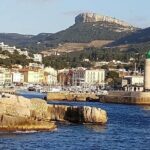
REVIEW · MARSEILLE
Marseille’s Sweetest Bites: Pastry & Chocolate Food Tour
Book on Viator →Operated by HandMedinaCo Tours · Bookable on Viator
Marseille’s sweetest side appears in small bites: a crisp navette, a buttery pastry, a handmade chocolate, and perhaps a local specialty chosen by your guide. This two-hour walk through Le Panier links the old port with bakeries, patisseries, and chocolatiers while giving you a taste of Provençal food culture.
I like the promise of six or more generous tastings, not just a single sample at each stop. I also like the small group, capped at eight people, and the local guidance from hosts such as Flo and Noy, who are praised for warm conversation, food knowledge, and useful Marseille tips.
The main drawback is simple: this is not a good fit for anyone with lactose or gluten intolerance. Drinks cost extra, and the tour depends on good weather, so you should keep a little flexibility in your plans.
In This Review
- Key points at a glance
- Why this Marseille food walk works
- Starting at Vieux-Port at 10 a.m.
- Le Panier, where the food becomes local
- Navettes and the taste of Marseille
- Patisseries with more than just a croissant
- Chocolatiers and the final sweet course
- What the guide adds to the food
- Is $105.63 a fair price?
- Who should book this experience?
- Practical details before you reserve
- Should you book Marseille’s pastry and chocolate walk?
- FAQ
- Where does the Marseille pastry and chocolate tour start?
- Where does the tour end?
- What time does the tour begin?
- How long does the experience last?
- How many people can join the tour?
- Are drinks included?
Key points at a glance
- Six or more substantial tastings: Expect navettes, chocolates, pastries, and guide-selected sweets rather than a token nibble.
- Vieux-Port to Le Panier: The route connects Marseille’s famous waterfront with the city’s old hilltop quarter.
- A small group of eight maximum: You get a better chance to ask questions and keep up with the guide.
- Local hosts including Flo and Noy: Their role goes beyond handing out food, with explanations about recipes, customs, and Marseille’s food scene.
- A 10 a.m. start and two-hour length: This works well as a first-day orientation or a sweet midmorning break.
- End point near Cathédrale La Major: You can continue sightseeing in the cathedral area after the tastings finish.
Why this Marseille food walk works
Many food tours ask you to cross half a city in search of a few small samples. This one keeps its focus narrow and appealing: French pastries, Provençal sweets, and chocolate in the historic center.
That focus gives the experience a clear rhythm. You walk, learn, taste, and move on before any one stop grows dull. With six or more tastings packed into about two hours, you should arrive hungry but not expect a full lunch.
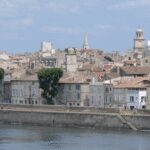
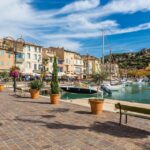
The setting adds value. You begin at 12 Cr Jean Ballard, close to the Vieux-Port, then finish near Cathédrale La Major in the 2nd arrondissement. Along the way, the route enters Le Panier, Marseille’s old quarter, where narrow streets and local shops replace the broad waterfront view.
I see this as a useful introduction to Marseille because food gives the walk a purpose. Instead of hearing a list of dates and landmarks, you get a reason to pause at a bakery or ask why a particular biscuit belongs to this city.
You can also read our reviews of more food & drink experiences in Marseille
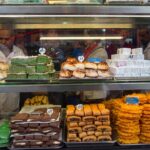
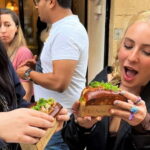
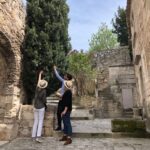
Starting at Vieux-Port at 10 a.m.
The meeting point is E. D’Orves Vieux Port at 12 Cr Jean Ballard. A 10 a.m. start is practical. Bakeries and pastry shops are still in their morning rhythm, and you have most of the day left after the tour.
It also makes this a good first activity in Marseille. You can get your bearings around the port, learn the basic shape of the historic center, and pick up ideas for what to eat later.
The tour ends close to Cathédrale La Major, so it does not return you to the starting point. That is useful if you plan to visit the cathedral or continue toward the waterfront and nearby sights. It is less convenient if you have left bags or a car near the Vieux-Port, so plan your route before you arrive.
Because this is a walking experience, wear shoes suited to city streets. The supplied details do not give a precise distance or hill count, but Le Panier is an old quarter, and Marseille is not known for perfectly flat walking routes. You should be comfortable on your feet for the full two hours.
Le Panier, where the food becomes local
Le Panier is the heart of the route. The neighborhood gives the tasting a sense of place, rather than making it feel like a pastry lesson that could happen in any French city.
Your guide takes you through charming historic streets and points out the places locals use for bread and sweets. The stop is not simply about seeing a shopfront. You learn how the food fits into daily life and Provençal tradition.
The route includes artisanal boulangeries, where the focus begins with bread and classic baking. You can expect to see the golden crust of a baguette and taste baked goods made with care. The information provided does not promise a particular bakery by name, so the exact stops may vary.
That flexibility can be a benefit. A local guide can make choices based on opening hours, freshness, and what is available that morning. It also means you should not book this expecting a fixed list of named shops or guaranteed pastries.
Le Panier is also where the tour’s cultural side has the most weight. The guide can point out streets and shops that you might miss on a self-guided walk, then connect them to the foods in front of you. The best part is the conversation: you are not only asking what something tastes like, but why it belongs in Marseille.
Navettes and the taste of Marseille
The navette is the signature bite to watch for. This small Marseille biscuit is traditionally associated with the city, and it gives the tour a local anchor.
Compared with a standard croissant or chocolate, a navette feels more specific to the destination. It is the kind of food you can remember after the tour and seek out again during the rest of your visit.
The description identifies traditional navettes as one of the planned tastings, but it does not specify the exact flavor or bakery. Your guide’s explanation matters here. You can ask about the biscuit’s ingredients, shape, and place in Provençal food customs without guessing from a display case.
The tour also includes the guide’s secret choices. That wording suggests some tastings may change according to the day, the shop, or the host’s personal favorites. I like that idea because it leaves room for discovery, though it makes the experience less predictable for anyone who wants a strict menu.
Be adventurous, but pace yourself. Six or more generous tastings can add up quickly, especially when several include butter, sugar, or chocolate. A light breakfast before the tour is wiser than arriving after a large meal.
Patisseries with more than just a croissant
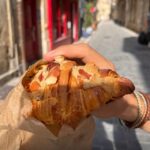
The patisserie section brings the classic French pastry lineup into the walk. The planned examples include flaky croissants and decadent éclairs, along with other pastries selected by the guide.
This part should appeal to anyone who enjoys texture. A good pastry stop lets you compare crisp layers, soft fillings, glossy chocolate, and delicate dough. You are not just eating something sweet. You are noticing the work behind it.
The guide provides context about how the pastries are made and why they matter in French food culture. The experience is not advertised as a baking class, so you should not expect to prepare anything yourself. Instead, you learn by looking, tasting, and talking.
I would especially value this section if you are unsure how to choose from a French pastry counter. A local can explain what is typical, what is seasonal, and what deserves your attention. The supplied information does not promise specific seasonal items, so keep your expectations open.
One point deserves emphasis: the tour description sometimes uses Parisian baking language, but the experience takes place in Marseille and centers on Provençal tastes. That distinction is part of its appeal. You get familiar French pastries alongside foods tied more closely to the south.
A few more Marseille tours and experiences worth a look




Chocolatiers and the final sweet course
The chocolate portion shifts the mood from everyday bakery food to careful confectionery. You visit chocolatiers and taste handmade chocolates described as rich and sun-kissed.
Again, the exact chocolate selection is not listed. You might find different shapes, fillings, or styles depending on the shop and the guide’s choice. The useful question is not whether you will receive one specific bonbon, but whether you enjoy trying small samples with an explanation of how they fit into Marseille’s sweets culture.
This stop is likely to be a highlight for anyone who prefers intense flavors to light pastries. It also gives the tour a good change of pace. After bread and flaky dough, chocolate offers a denser, slower bite.
The group limit helps here. With no more than eight people, you should have room to ask the guide about ingredients, production, and local favorites. Flo and Noy are both described as attentive hosts who keep the group involved, and that personal approach is important on a tasting walk.
Keep allergies in mind. The experience is specifically not suitable for people with lactose or gluten intolerance. The available information does not describe substitutions, so you should not assume the guide can redesign the tasting menu around dietary needs.
What the guide adds to the food
The guide is the difference between a snack crawl and a useful local introduction. You are shown where to eat, but you also hear about the history of desserts and the food traditions of Provence.
The guide names Flo and Noy appear in connection with this experience. Both are described as approachable and attentive, with Flo noted for tailoring the walk to the group and Noy praised for combining local food knowledge with Marseille recommendations.
That personal touch can matter more than the number of stops. A guide who notices whether you are enjoying yourself can make the pace comfortable and give you time for questions. One especially thoughtful detail is the guide stopping for photos, useful if you want to remember the streets or send a few pictures home.
You should still keep your expectations realistic. The tour lasts only two hours, so it cannot explain every part of Marseille’s food culture. It offers a focused introduction to sweets, not a complete survey of Provençal cooking, seafood, wine, or savory market food.
If you want restaurant suggestions for later, ask during the walk. The guide is positioned to offer local advice, and the tour ends in an area where you can continue exploring.
Is $105.63 a fair price?
At $105.63 per person, this is not a cheap way to buy pastries. You could spend less by visiting one bakery on your own.
The price makes more sense when you count the service around the food. You are paying for at least six generous tastings, a two-hour guided walk, local recommendations, neighborhood context, and the chance to visit several types of food businesses without planning the route yourself.
The maximum group size of eight improves the value. A large group can make a food tour feel like a queue with a guide at the front. A small group gives you more access to the host and makes it easier to hear explanations inside shops and on narrow streets.
I would consider the price fair for a visitor who values guidance and wants a ready-made introduction to Marseille. It is less compelling for a serious budget traveler who is happy to research bakeries independently, or for someone mainly interested in a full meal.
Drinks are not included, so budget for anything you want along the way. The provided details do not state how many drinks stops there are, or whether water is available, so do not treat beverages as part of the package.
Who should book this experience?
This tour suits food-focused visitors, first-time visitors to Marseille, couples, and small groups who want an easy introduction to the old center. It also works for culture lovers who prefer learning through everyday food rather than spending two hours in a formal museum.
Families may enjoy the variety, though the information does not specify a child price or minimum age. You should check those details before booking if children are joining.
It is a strong choice for anyone who wants local direction early in a trip. Your guide can show you the streets between Vieux-Port and La Major, explain what to look for in a pastry shop, and point you toward later food stops.
It is not the right pick if you need a substantial savory meal, dislike sweet foods, have gluten or lactose restrictions, or want a fully fixed tasting menu. It may also frustrate visitors who prefer to move at their own pace and linger at each bakery.
The tour has a 100 percent recommendation rate from 39 ratings, with an overall score of 5. The most consistent praise centers on delicious pastries, varied treats, friendly guides, and clear explanations of Marseille’s food culture. That pattern suggests the human side of the walk is as important as the sweets.
Practical details before you reserve
You receive confirmation at booking, and the experience uses a mobile ticket. The start point is near public transportation at E. D’Orves Vieux Port, 12 Cr Jean Ballard.
The tour begins at 10 a.m. and lasts about two hours. It finishes near Cathédrale La Major, not back at the port, so think of it as a one-way sightseeing route.
A maximum of eight people keeps the group compact. Most people can participate, but you should be ready for continuous city walking and tasting.
Free cancellation is available until 24 hours before the start time for a full refund. Changes or cancellations made within 24 hours are not accepted for a refund. The tour can also be canceled if the minimum number is not reached or if weather is poor, in which case you are offered another date or a full refund.
Should you book Marseille’s pastry and chocolate walk?
Book it if you want to understand Marseille through its bakeries and sweet shops, and if six or more tastings sound better than one formal meal. The combination of Le Panier, local guides such as Flo and Noy, navettes, pastries, and chocolate gives you a pleasant way to see the old center while learning what to order later.
Skip it if you cannot eat gluten or dairy, want drinks included, or are looking for savory Provençal food. For everyone else, the small group and generous tastings make the $105.63 price easier to justify, especially at the start of a Marseille stay.
FAQ
Where does the Marseille pastry and chocolate tour start?
It starts at E. D’Orves Vieux Port, 12 Cr Jean Ballard, 13001 Marseille, France.
Where does the tour end?
The tour ends near Cathédrale La Major at Place de la Major, 13002 Marseille.
What time does the tour begin?
The scheduled start time is 10 a.m.
How long does the experience last?
The walking and tasting experience lasts approximately two hours.
How many people can join the tour?
The tour has a maximum of eight participants.
Are drinks included?
No. Drinks are not included in the tour price.