REVIEW · MARSEILLE
Marseille: E-Bike and Food Tour
Book on GetYourGuide →Operated by FADA BIKE CAFE, TOURS & Rentals MARSEILLE · Bookable on GetYourGuide
Marseille’s food culture makes more sense when you taste it while moving through the city. This 3.5-hour e-bike tour links old neighborhoods, the Old Port, a fish market, and Pharo Palace with olive oil chocolate, navettes, wine, cheese, cold cuts, panisses, street food, and ice cream.
I like the way the electric bicycles help you cover Marseille’s hilly streets without wearing yourself out, and I like the local scale of the food stops. Guides including Iris, Laurence, Laurent, Elizabeth, and Lucy are warm, engaging, and good at making the outing feel personal. The main consideration is that the food stops can change with the season and local partnerships, so you should not expect a fixed menu.
In This Review
- Key Points
- Why Food and E-Bikes Work So Well in Marseille
- Starting with Olive Oil Chocolate and Navettes
- Wine, Cheese, and a Shop Dating to 1899
- The Old Port, Fish Market, and Pharo Palace
- Panisses, Garlic Bread, and Local Street Food
- Finishing with Organic Ice Cream by the Old Port
- What the Guides Add to the Morning
- Is the $125 Price Good Value?
- Who Should Book This Marseille Food Tour?
- Practical Details Before You Reserve
- Should You Book It?
- FAQ
- How long does the Marseille E-Bike and Food Tour last?
- How much does the tour cost?
- What food and drinks are included?
- Is an electric bicycle included?
- What if I cannot ride a bicycle?
- Which languages are available?
- Where does the tour start and finish?
- Can the tour accommodate food allergies?
Key Points
- Olive oil chocolate and navettes provide a quick introduction to Provençal flavors.
- The wine shop founded in 1899 offers local wine with cheese and cold cuts.
- Electric bikes make Marseille’s hills manageable while letting you cover more ground than on foot.
- Panisses, garlic bread, and street food bring you closer to everyday Marseille eating.
- Pharo Palace and the Old Port supply the main sightseeing views between tastings.
- Seasonal stops and friendly guides keep the experience flexible and personal.
Why Food and E-Bikes Work So Well in Marseille
Marseille is spread across hills, waterfront roads, old lanes, and broad streets around the harbor. Walking gives you plenty of atmosphere, but it can also leave you tired before lunch. An electric bicycle is a smart middle ground: you still move at street level, but the motor takes the sting out of uphill stretches.
I especially like this format for a first morning in Marseille. You get a basic map of the city through your senses: sweet biscuits, salty chickpea fritters, local wine, fish-market scenery, and the wide harbor view from Pharo Palace. After three and a half hours, you should have a better idea of where to return for a longer meal or an evening drink.
The group is small when that option is available, which matters at tasting counters and in narrow older streets. A small group also gives you more time to ask about food, neighborhoods, and French customs. The guides speak English and French.
This is not a formal cooking class or a restaurant crawl built around large sit-down meals. It is a moving tasting tour with sightseeing mixed in. You ride, stop, sample, and continue. That rhythm keeps the morning lively, although anyone hoping to linger over every dish may find the schedule brisk.
You can also read our reviews of more food & drink experiences in Marseille
Starting with Olive Oil Chocolate and Navettes
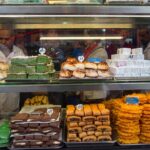
The first food stop sets the tone. You begin with a sweet chocolate made with olive oil, an unusual Provençal combination that shows how local ingredients can appear in unexpected forms. It is a small taste, but it gives your guide an easy way to introduce regional food without beginning with a heavy meal.
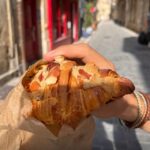
You also taste navettes, Marseille’s traditional biscuits. These dry, firm biscuits are tied closely to the city and are more about local custom than sugary indulgence. I like this opening because it starts with foods you may not think to order on your own.
The tour begins with a short briefing on how to use the electric bicycle. That is important if you have not ridden one before. You do not need to treat the bike like a racing machine. The useful feature is the assistance on hills, not speed.
Some bicycle familiarity will help, especially when riding in a city environment. The tour is not suitable for wheelchair users. If you cannot ride a bicycle, a tuk tuk may be available instead, which makes the experience possible for some people who cannot use the bike.
Wine, Cheese, and a Shop Dating to 1899
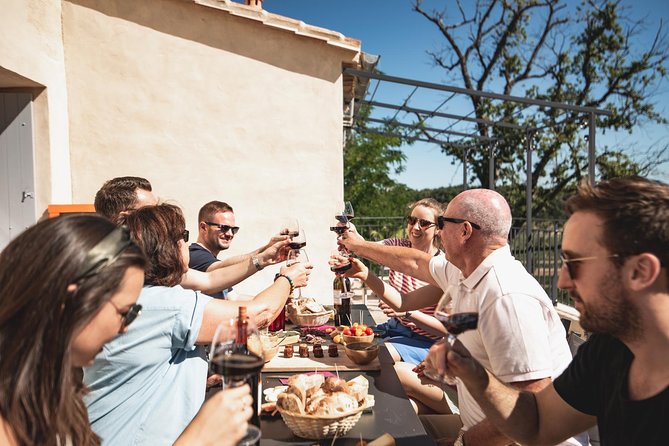
One of the more distinctive stops is Marseille’s oldest wine shop, established in 1899. The age of the shop gives the tasting a sense of place that a generic wine bar cannot match. You taste a local wine with cheese and cold cuts, making this the most substantial early stop.
I would treat this as a chance to learn what Provence tastes like at a simple table, not as a full wine education. The emphasis is on local flavor and conversation. Your guide can help connect the food to the region, and the small-group format should make it easier to ask questions about what you are tasting.
The wine stop also gives the tour a useful pause after the first bike ride. You are not eating continuously, which helps keep the morning comfortable. Still, the included food is designed to fill you without leaving you overstuffed. If you want extra drinks or more food, those costs are not included.
Food restrictions need advance attention. Contact the operator about allergies or other dietary needs before booking. Gluten-free needs have been accommodated successfully, but you should not assume every stop can meet a restriction without notice.
The Old Port, Fish Market, and Pharo Palace
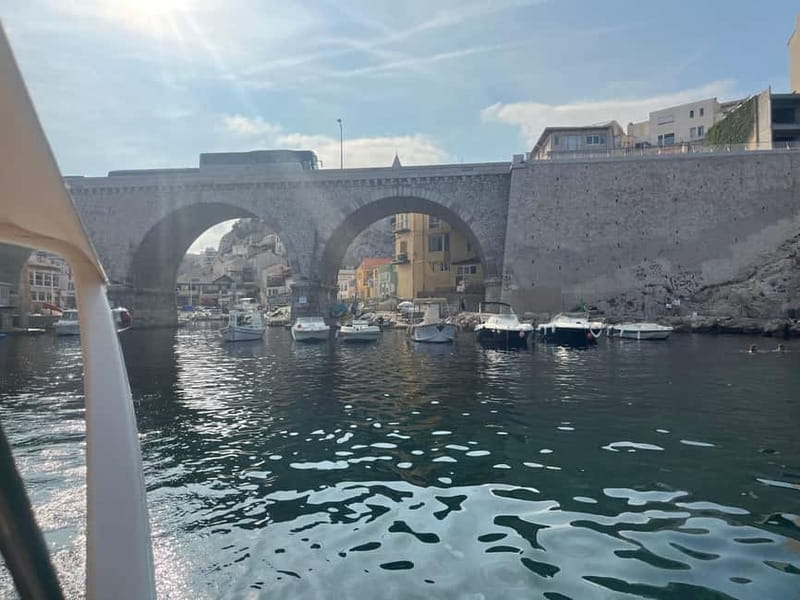
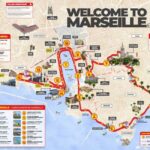
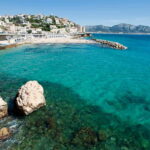
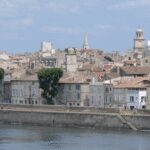
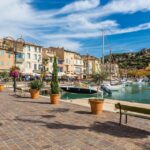
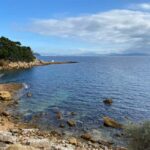
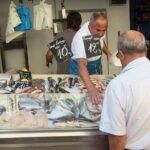
The route then brings you through the Old Port, Marseille’s central waterfront area. The typical fish market adds a strong local note, particularly if you enjoy seeing food in its everyday setting rather than only on a plate. This part of the route is as much about watching the city work as it is about taking photographs.
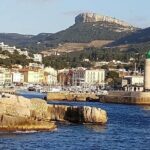
From the harbor, the tour continues to Pharo Palace. The stop provides an impressive view across Marseille Port and gives you a break from the tighter streets. I consider this one of the tour’s best balances: you get a major city view, but you reach it as part of a working route rather than by simply being dropped at a viewpoint.
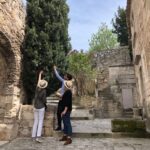
The cycling also helps explain Marseille’s shape. You are not just checking off the Old Port and a palace. You are connecting them by bike, seeing how quickly the scenery changes from old streets to open water. The motor assistance is especially useful here because Marseille’s terrain can be deceptive. A distance that looks short on a map may include a tiring climb.
The sightseeing commentary can vary by guide. Guides such as Iris and Laurence have been praised for being personable, funny, and well informed about local culture and French history. One practical point for history-minded visitors: the food and route are consistently central, but the amount of detailed historical explanation may depend on your guide and the pace of the group.
Panisses, Garlic Bread, and Local Street Food
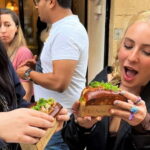
The next tasting turns toward casual Marseille eating. You try a local street-food sandwich, panisses, and garlic bread, with a beer or soda. Panisses are slices of fried chickpea dough, a simple southern French specialty with a crisp outside and soft center.
This is the part of the tour that feels least formal and most connected to ordinary city life. You are not being asked to analyze a tasting menu. You are trying food that makes sense as a quick meal or snack, then getting back on the bike.
The sandwich and panisses also add savory weight to the morning. Earlier sweets and wine are balanced by fried chickpea dough, bread, and a drink. Several people have found the total amount of food generous without being excessive, which is useful if you plan to have a later lunch.
Do keep the beer or soda detail in mind. The included drink is not necessarily a wine pairing at every stop. If you prefer something else, additional drinks are at your own expense.
A few more Marseille tours and experiences worth a look




Finishing with Organic Ice Cream by the Old Port
The final stop is near the Old Port, where you taste organic ice cream. It is a cheerful finish and a good contrast to the salty foods and wine earlier in the morning.
I like the placement of this stop. After several savory bites and a ride through the city, ice cream feels like a proper ending rather than another heavy course. The exact flavor selection can change, and the broader tasting plan may shift with seasonal products and partnerships.
That flexibility is worth understanding before you book. The tour promises a range of Marseille and Provençal tastes, but it does not promise a rigid list of restaurants or dishes. If a certain local specialty is your main goal, ask about current stops before you reserve.
A seasonal change can be a benefit. It means the experience is tied to what is available rather than forcing the same menu year-round. It also means you should approach the tour as a guided introduction, not a guarantee of one particular dish.
What the Guides Add to the Morning
The guides are a major part of the experience. Iris has been especially appreciated for being friendly, easy to talk with, and informative. Laurence has been described as warm, funny, and strong on French history and culture. Laurent and Elizabeth have also led groups successfully, with Elizabeth connecting well with younger family members.
That range of guide styles matters. A food tour can feel mechanical if the guide only points to the next bite. Here, the best version includes conversation about Marseille’s neighborhoods, local products, and daily life.
You should also know that the guide’s style may shape your experience. One assessment found the route and tastings enjoyable but wanted a more connected story about Marseille’s culture and past. I think that is fair. The tour’s strongest feature is its combination of food, cycling, and local contact. If you want a detailed historical lecture at every stop, this may feel lighter than a dedicated city history tour.
The guides have also kept the outing enjoyable in poor weather. Rain is never ideal on an e-bike, but a friendly guide can make a difference. Still, check the forecast and dress sensibly. Food tastes better when you are not cold and wet.
Is the $125 Price Good Value?
At $125 per person, the tour is not a cheap way to grab a few snacks. The price includes the electric bicycle, helmet, food, drinks, guide, and a 3.5-hour route. You are also paying for the planning that links the tastings with Marseille’s harder-to-cover sights.
I think the value is strongest if you would otherwise pay separately for bike rental, food stops, and a guided introduction to the city. The electric bicycle is important here. A standard walking food tour might cost less, but it would cover less ground and leave you facing Marseille’s hills on foot.
The value is weaker if you mainly want a large restaurant meal or a serious wine tasting. This is a series of samples, not an all-day feast. Additional food and drinks are not included, so the final cost can rise if you keep ordering beyond the planned tastings.
For many people, the best way to judge the price is to count the time saved. In one morning, you see the Old Port, fish market, and Pharo Palace while sampling several local foods. You also get practical orientation for the rest of your stay. I would book it early in a Marseille visit, then use what you learn to plan later meals.
Who Should Book This Marseille Food Tour?
I would recommend it to first-time visitors who want a friendly introduction rather than a formal lecture. It works well for couples, families, and small groups who enjoy trying different foods and do not mind changing from bike to tasting stop several times.
It is also a good choice for anyone concerned about Marseille’s hills. The e-bike lets you cover more ground with less effort, while still giving you the feel of being outside in the city. Beginner riders can enjoy it, but some basic bike comfort is helpful.
Food-focused visitors should book with realistic expectations. You will sample many local specialties, but the stops are short and the menu can change. The tour may suit you less if you need a fixed dietary program, dislike riding in city streets, or want long periods seated at a restaurant.
I would also consider this a useful family outing. Elizabeth has worked well with younger participants, and the variety of food gives children several chances to find something they like. Parents should contact the operator about allergies before arrival.
Practical Details Before You Reserve
Meet in front of the restaurant L’Alimentation Générale. The tour ends back at the same meeting point, which makes planning the rest of your day easier.
The activity lasts 3.5 hours, but starting times vary, so check availability before you arrange trains, museum visits, or lunch. English and French tours are available, and a small group option is offered.
A helmet and electric bicycle are included. Food and drinks are included as described during the route, but personal body insurance is not included. You can cancel up to 24 hours ahead for a full refund, and reserve now while paying later if you want to keep your plans flexible.
The tour is not suitable for wheelchair users. If you cannot ride a bicycle, ask about the tuk tuk alternative before booking rather than assuming it will be available for every departure.
Should You Book It?
Book this tour if you want to taste your way through Marseille while seeing more than you could comfortably cover on foot. The strongest reasons are the electric-bike access to hilly areas, the old wine shop, the local street food, and the guides’ friendly personal approach.
Skip it if you want a fixed menu, a long restaurant meal, or a history-heavy tour with extensive commentary at every stop. For most first visits, though, the mix is appealing: sweets, wine, cheese, panisses, harbor views, and ice cream, all in one well-paced morning.
FAQ
How long does the Marseille E-Bike and Food Tour last?
The tour lasts 3.5 hours. Starting times vary, so check availability when booking.
How much does the tour cost?
The listed price is $125 per person.
What food and drinks are included?
The tour includes olive oil chocolate, navette biscuits, local wine, cheese, cold cuts, a local street-food sandwich, panisses, garlic bread, beer or soda, and organic ice cream. Stops may change according to the season or local partnerships.
Is an electric bicycle included?
Yes. The tour includes an electric bicycle and helmet.
What if I cannot ride a bicycle?
A tuk tuk may be available if you cannot ride a bicycle. Contact the operator before booking to confirm the arrangement.
Which languages are available?
The tour is offered in English and French.
Where does the tour start and finish?
Meet in front of the restaurant L’Alimentation Générale. The activity ends back at the same meeting point.
Can the tour accommodate food allergies?
You should contact the operator about food restrictions and allergies before the tour. Gluten-free needs have been accommodated, but advance notice is important.