REVIEW · BORDEAUX
Make your own cuvée of Bordeaux wine
Book on Viator →Operated by Le Pied à Terre · Bookable on Viator
A Bordeaux blending workshop is not just sipping. You learn the logic behind Merlot, Cabernet Sauvignon, and Cabernet Franc, then you get to steer the blend yourself. The setting helps: Le Pied à Terre feels like a real winemaking space, not a loud tasting room.
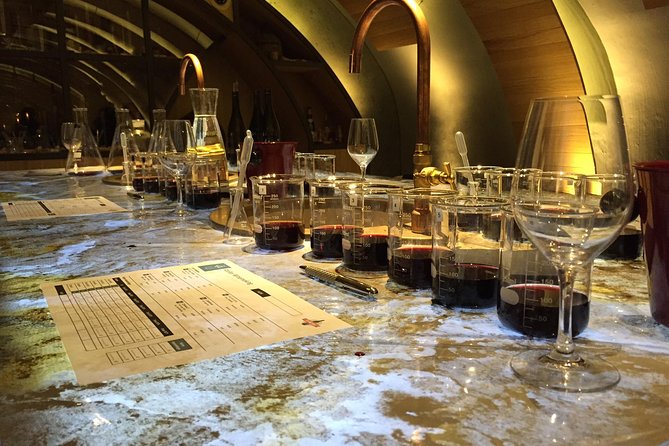
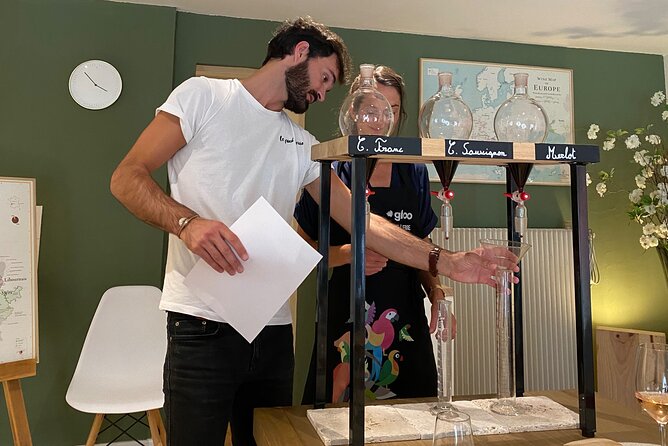
I especially like the hands-on format: tasting comes first, then you use tubes and pipettes to experiment with your own proportions. I also like the way the teaching stays practical, with guided and even blind tasting rounds that help you connect aromas and structure to your final choices. The main drawback to keep in mind is that the experience runs as a red-wine focused class, and a couple of people reported confusion about whether they actually made a cuvée on the day (the provider apologized when schedules got mixed up).
In This Review
- Key highlights at a glance
- Entering Le Pied à Terre: cellar blending in central Bordeaux
- The 2.5-hour flow: tasting lessons that lead to your own blend
- Basque cheese and charcuterie: the starter that keeps tasting grounded
- What you learn about Bordeaux grapes (and why blending exists)
- Tasting like a winemaker: guided, assisted, and blind rounds
- Making your own Bordeaux cuvée: your blend goes from idea to bottle
- Getting the bottle home: the souvenir that actually teaches you
- Price and value: what $71.20 buys you in Bordeaux
- Who should book this workshop (and who might want to skip)
- Practical tips so your blending session feels smooth
- Should you book this Bordeaux cuvée workshop?
- FAQ
- How long is the workshop?
- What happens during the blending part?
- Do I take home a bottle of my blend?
- Is the workshop offered in English?
- How large is the group?
- What if the experience is canceled due to weather or not enough travelers?
- Can I get a refund if I cancel?
Key highlights at a glance
- Small group size (max 12), so you can ask questions while you taste and blend
- Hands-on blending tools like tubes and pipettes, not just discussion
- Multiple tasting stages, including a blind tasting round to train your palate
- Named takeaway bottle, so your final blend leaves with you
- English-led instruction, with guides including James, Pierre, and Geoffroy
Entering Le Pied à Terre: cellar blending in central Bordeaux
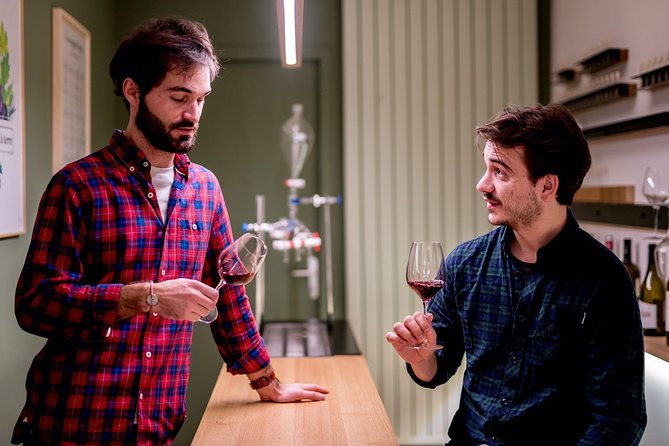
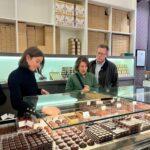
Your workshop starts at Le Pied à Terre, Cave à vin & atelier dégustation, 22 Rue Judaïque, in Bordeaux’s city center. This matters more than it sounds. When you’re close to transit and the start point is easy to find, you can arrive calmer and focus on the class.
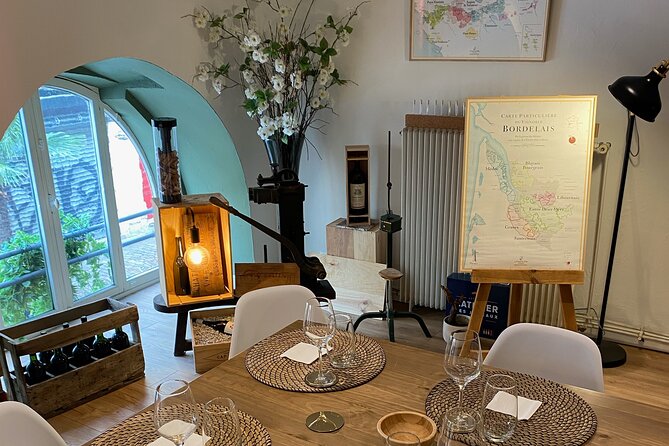
Inside, the vibe is warm and workshop-like. It feels built for learning, where you can move around a bit and pay attention to what you’re smelling and tasting. And because the group is capped at 12, it doesn’t turn into a demo where you watch from the back.
You’ll be with an English-speaking host. The experience overview says James guides you, and multiple reviews also mention Pierre and Geoffroy as instructors. Either way, you should expect a lively teaching style that mixes wine education with a playful, hands-on structure.
You can also read our reviews of more wine tours in Bordeaux

The 2.5-hour flow: tasting lessons that lead to your own blend
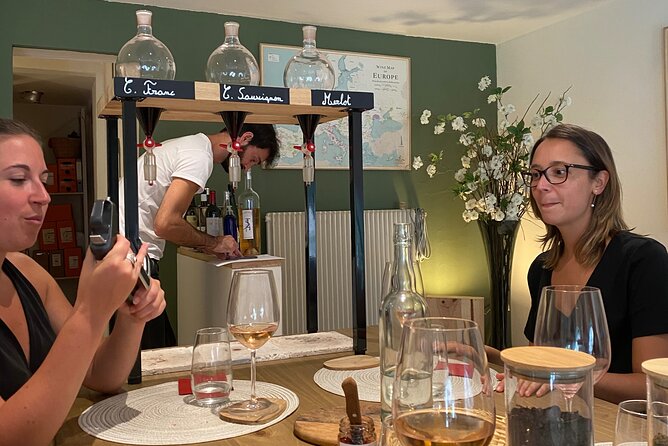
The workshop runs about 2 hours 30 minutes. That time window is tight enough to stay fun and focused, but long enough to actually build skill. The structure is usually:
You start with an introduction to Bordeaux grapes and what they tend to taste like. Then the tasting rounds train you to notice differences in aroma, flavor, and texture. After that, you create your own blend using the bottles you’ve sampled as your building blocks.
I like this sequence because it prevents the most common wine-tour problem: you taste first and learn nothing. Here, you’re guided to connect the dots before you make your cuvée.
One more practical note: a few reviews also mention the timing can feel under the advertised 2.5 hours depending on the group that day. So if you’re racing another reservation, give yourself a little buffer after the class.
Basque cheese and charcuterie: the starter that keeps tasting grounded
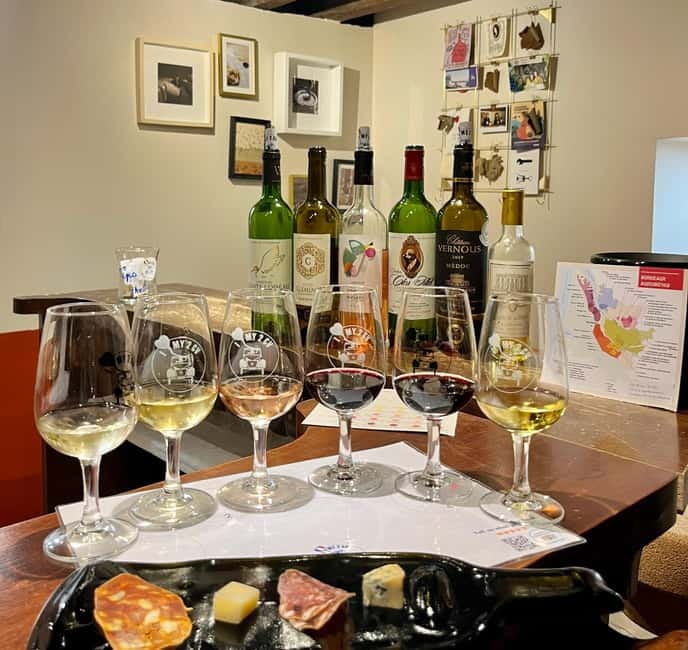
Before blending, you’ll get a starter of cheese and charcuterie from the Basque Country. This is a smart pairing choice for two reasons.
First, salty, savory bites keep you from getting bored or dulled by only drinking wine. Second, the food helps you taste with a little more clarity. When you’re trying to identify what Merlot vs. Cabernet Sauvignon vs. Cabernet Franc is doing, it’s easier if your palate isn’t just floating.
In real-world terms, this means you can go back into the tasting stage without feeling empty-stomached or overwhelmed. It’s not a full meal, but it’s enough to make the workshop comfortable.
What you learn about Bordeaux grapes (and why blending exists)
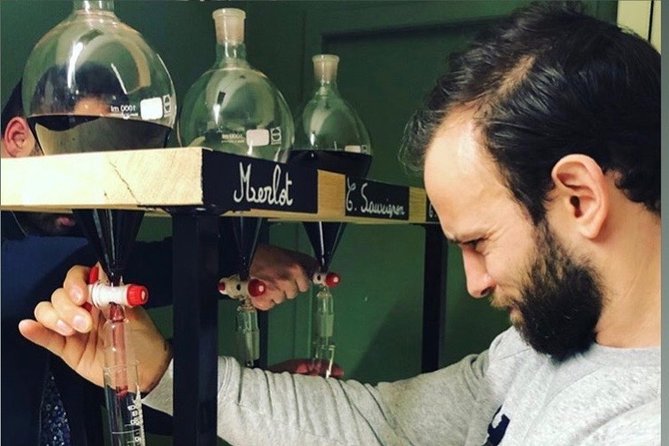
The heart of the class is blending Bordeaux style. You’ll work with emblematic varieties: Merlot, Cabernet Sauvignon, and Cabernet Franc. The goal isn’t to memorize grape trivia. The goal is to understand how these grapes interact so the final wine tastes balanced, expressive, and true to your preferences.
A key concept that comes through in the teaching is that each grape tends to bring a different role:
- You’re guided to notice how Merlot can add roundness and fruitiness.
- You’re coached to recognize how Cabernet Sauvignon often contributes more structure and tannins.
- You’ll also learn what Cabernet Franc tends to contribute to the overall personality of the blend.
You’ll also hear historical context about Bordeaux wine culture and how the region’s approach to blending became a signature. That context is useful because it explains why Bordeaux wines aren’t just made of one “hero” grape.
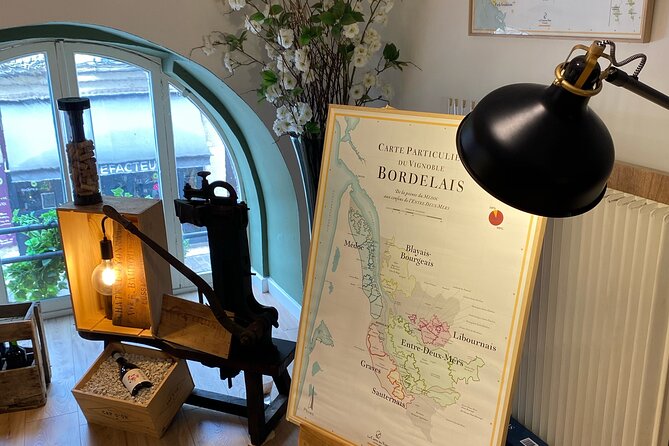
Some reviews mention learning about Left Bank and Right Bank styles and how Bordeaux zones vary. You don’t need to be a Bordeaux nerd for that to click. Even a basic map in your head helps when you later compare bottles you see in shops.
Tasting like a winemaker: guided, assisted, and blind rounds
Here’s one of the most praised parts: you don’t just taste three wines and call it a day. The class is designed in stages.
You’ll have guided tasting, then an assisted tasting, and then a blind tasting round. That blind portion is a big deal if you’re new to structured tasting. It trains your brain to focus on smell and mouthfeel rather than expectations based on label or hype.
You’ll also practice wine basics that make you a better shopper later:
- how to smell for aromatic cues
- how to taste for balance
- how tannins show up on the palate
- how texture and structure change the way the wine finishes
One review also mentions a fun addition with soil samples, which helps you connect why grapes behave differently depending on where they grow. Even if you’re not an agronomy person, it gives you a more complete picture than wine alone.
Making your own Bordeaux cuvée: your blend goes from idea to bottle
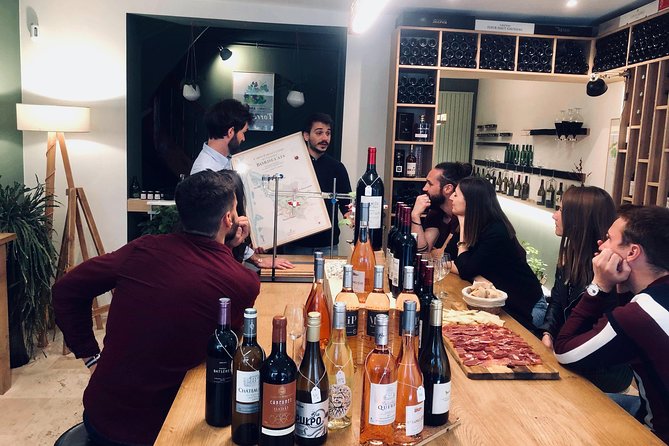
This is the part most people book for: creating your own Bordeaux blend. In the workshop, you experiment using tubes and pipettes, then you build a final cuvée from the selected single-varietal wines.
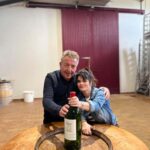
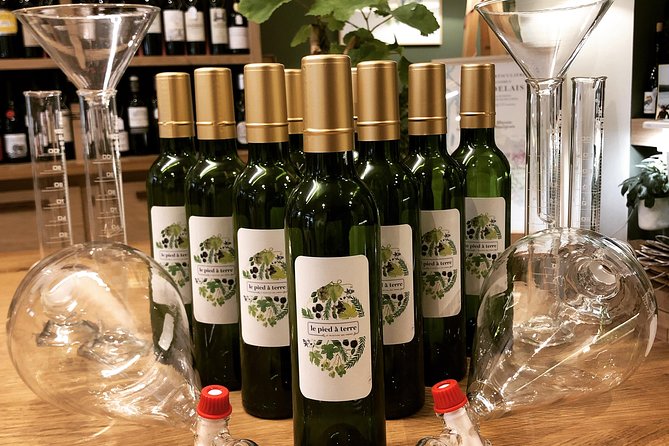
The experience overview is clear about the goal: you create a personalized Bordeaux cuvée and you can take home a bottle labeled with your name. Reviews back up that experience—many guests say it was the highlight, and they loved bringing home a bottle made by their own choices.
That said, there are two important caution flags from the reviews. In a couple of cases, guests said they expected full cuvée creation but felt it turned into more of a lecture and tasting. In those instances, the provider apologized and pointed to a mix-up in the tasting agenda.
So what should you do?
- Assume the main activity is hands-on blending, as advertised.
- But if you have strict expectations about the take-home bottle, double-check your booking details before you go. And on the day, ask early how the blending portion works and when you’ll have your final percentages.
Getting the bottle home: the souvenir that actually teaches you
A lot of wine souvenirs are just pretty. This one tends to feel different because you participated in the blend.
When you take home a bottle labeled with your name, you get a reference point for later. Over the next weeks, you can taste it and remember what you were chasing: more structure, more fruit, more aromatic lift, or a softer finish. That makes the workshop useful even after you return home.
It also helps you keep learning. Several guests describe feeling more confident about judging Bordeaux wines afterward. That makes sense because the blind tasting and the guided practice give you a framework you can reuse.
One more plus: since the workshop stays small, you’re not just getting wine. You’re also getting feedback, explanations, and the chance to compare your choices with others in the group.
Price and value: what $71.20 buys you in Bordeaux
At $71.20 per person, you’re paying for more than a standard tasting. You get:
- a guided Bordeaux wine education in English
- multiple tasting rounds, including a blind tasting
- a food starter (Basque cheese and charcuterie)
- the chance to create and take home a personalized blend in a bottle labeled with your name
Reviews repeatedly frame this as good value, and many guests call out that it’s priced sensibly for the experience. The servings are described as generous, and people seem to feel like they actually did something, not just drank.
Is it cheap? No. But it’s also not a bare-bones tasting. It’s a class with a takeaway, designed for people who want to understand Bordeaux blending rather than just sample it.
Who should book this workshop (and who might want to skip)
This workshop fits best if you:
- like red wine and want to learn how Bordeaux blends work
- enjoy hands-on activities where you make a real choice
- want a memorable Bordeaux souvenir that isn’t just a sticker or a brochure
- want a structured learning experience, not a casual tasting stop
It may be less ideal if you’re mainly a white wine drinker. One review specifically warns that this is a red wine experience, so if that’s your whole preference, you might feel out of sync.
Also, if you’re the type who wants a purely low-key tasting with no “class” feel, the staged tasting (including blind tasting) may feel a bit more structured than you want. But if you do like learning by doing, you’ll probably enjoy the momentum.
Practical tips so your blending session feels smooth
A few things will help you get the most from the day:
- Go hungry enough for the starter. The Basque cheese and charcuterie helps, and you’ll be sampling multiple wines.
- Pay attention to aroma and tannins. The class is built around smell and texture, not just sweet vs. dry.
- Don’t rush your own choices at the blending stage. Using tubes and pipettes is quick, but your best blends come from thinking about what each grape contributed.
- Bring curiosity, not a fixed idea. Many people enter thinking they want one style. The blind tasting and guided structure often change what they end up preferring.
- If it’s your first Bordeaux, treat this as a training course. You’ll get a framework you can use while shopping later.
Should you book this Bordeaux cuvée workshop?
I’d book it if you want a true hands-on Bordeaux experience: guided tasting, a blind tasting round, and a blending session that leads to a take-home bottle labeled with your name. The small group size and the repeat praise for fun learning make it a strong match for couples, friends, and first-time Bordeaux learners.
I’d pause or at least confirm expectations before booking if you’re very sensitive to timing or you expect a perfectly consistent, fully hands-on cuvée creation every single day with zero risk of schedule confusion. The lesson is great, but it depends on the day running exactly as planned.
If you can meet it on its own terms—red wine focused, classroom plus creativity, small group—you’re likely to leave with both a bottle and a better palate.
FAQ
How long is the workshop?
The workshop is approximately 2 hours 30 minutes.
What happens during the blending part?
You taste selected Bordeaux single-varietal wines and then create your own Bordeaux cuvée using the blending process with tools like tubes and pipettes.
Do I take home a bottle of my blend?
Yes. You can take home a bottle labeled with your name, based on the experience description.
Is the workshop offered in English?
Yes. The tour is offered in English.
How large is the group?
The activity has a maximum of 12 travelers.
What if the experience is canceled due to weather or not enough travelers?
If it’s canceled due to poor weather, you’ll be offered a different date or a full refund. If it’s canceled because the minimum number of travelers isn’t met, you’ll also be offered a different date/experience or a full refund.
Can I get a refund if I cancel?
You can cancel for a full refund if you cancel at least 24 hours in advance of the experience start time.