REVIEW · GIVERNY
Guided tour Monet’s house and gardens/small group
Book on Viator →Operated by guide-giverny · Bookable on Viator
Monet’s lilies feel bigger up close. This guided visit turns Giverny from a pretty stop into a story you can follow, with prepaid admission tickets that help you avoid the worst waiting and a small group setup that keeps the pace calm. I also love how the guide connects the house and gardens to Monet’s choices in a way that makes the whole place easier to understand. The main trade-off: with a group of up to 10 and no headset setup, you’ll want to position yourself so you can hear.
You’ll meet at Les Nymphéas, right at 109 Rue Claude Monet, and spend about two hours moving through Monet’s home and garden spaces with a licensed local guide. Expect seasonal flowers—especially around the lily ponds—and lots of stop-and-look moments for photos. If you’re visiting on a peak day, go in with patience; the gardens can get crowded fast, even when the tour stays small.
In This Review
- Key Highlights to Know Before You Go
- Why Monet’s Home and Gardens Click Better with a Guide
- Meeting at Les Nymphéas and Starting on Time
- Price and Value: What You’re Really Paying For
- The House: Monet’s Life Told Through Objects and Layout
- The Gardens and Lily Ponds: Seasonal Color with a Plan
- Pacing, Questions, and Getting Great Photos
- Small Group Size: Why Up to 10 Feels Better
- What This Tour Gives You (and What It Can’t)
- Who Should Book This Monet Tour
- Should You Book It?
- FAQ
- How long is the Monet’s house and gardens small-group tour?
- What time does the tour start?
- How many people are in the group?
- Is the tour in English?
- Where do we meet?
- Is transport included in the price?
Key Highlights to Know Before You Go
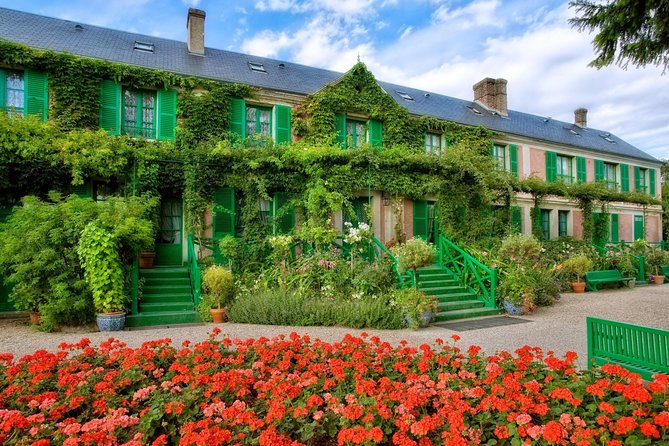
- Skip-the-line with prepaid admission so your time goes to the house and gardens, not waiting outside.
- Small group size (max 10) for a more conversational, less chaotic feel.
- Licensed local guide who explains Monet, impressionism, and what you’re seeing in the gardens.
- Seasonal blooms and lily ponds that change the mood of your visit day to day.
- Photo-friendly pacing with time to stop, look, and take pictures without feeling rushed.
Why Monet’s Home and Gardens Click Better with a Guide
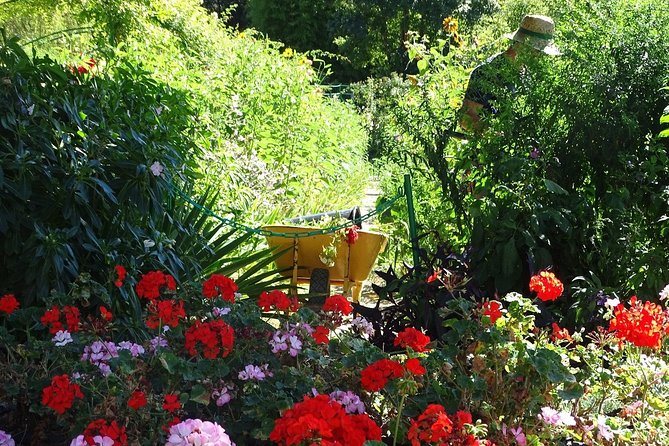
Giverny can feel like sensory overload at first: walking paths, streams of visitors, and a garden designed to draw your eye again and again. What changes everything here is the way the guide helps you read the place. Instead of you guessing why a view is framed a certain way or why specific plantings matter, you’re given the connections—Monet’s life, his art, and how the garden became part of his creative world.
Two things I’d prioritize: learning the story behind what you’re seeing, and getting enough time to actually look. The tour is built around a commented walk, so you’re not stuck in a rigid script. It also helps that guides can take the time to answer questions rather than rushing you onward.
One possible drawback to plan for: you may not catch every word if you’re toward the back of a group in the busiest sections. This isn’t a “headset tour,” so being able to hear matters. If sound is a big concern for you, try to place yourself closer to the guide when you arrive.
You can also read our reviews of more guided tours in Giverny



Meeting at Les Nymphéas and Starting on Time
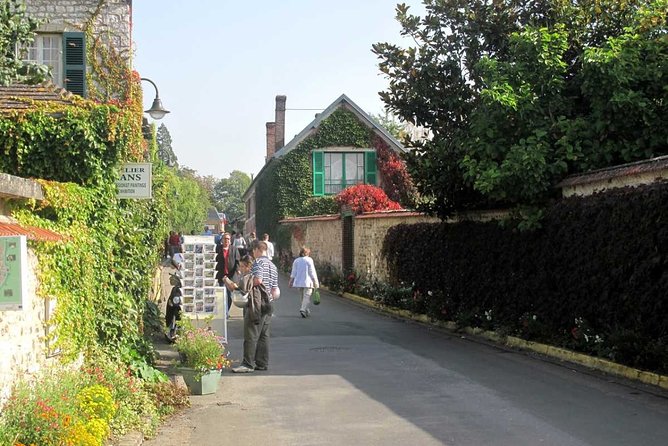
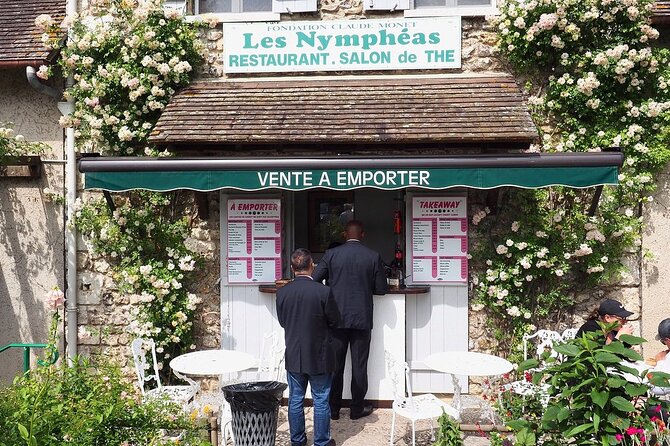
The meeting point is very specific and easy to find once you’re there: Les Nymphéas (109 Rue Claude Monet, 27620 Giverny, France). The start time is 1:00 pm, and the tour ends back at the same meeting point.
Why this matters: Giverny is compact, but it’s also busy. Meeting at a recognizable spot helps you avoid stress when you’re juggling trains, buses, or local walking. The good news is it’s also near public transportation, so you’re not forced into a complicated logistics puzzle just to get there.
A practical tip for your day: wear comfortable shoes. Even though the tour is only about two hours, you’ll be walking the garden paths and moving between viewing areas where you’ll likely stop multiple times for photos.
Price and Value: What You’re Really Paying For
At $71.20 per person for about 2 hours, the cost can look steep until you break down what’s included. This price covers the licensed local guide plus all fees and taxes, and it’s tied to prepaid admission tickets meant to help you skip the long lines.
So you’re not just buying entry. You’re buying:
- less time trapped in queues,
- guided interpretation that makes the house and gardens easier to understand,
- and a smaller-group experience where you’re not lost in a crowd.
The tour is typically booked well ahead of time (an average booking window of about 80 days). That’s a clue about demand. If your dates are firm, booking earlier often helps you lock in a spot without gambling on last-minute availability.
The House: Monet’s Life Told Through Objects and Layout
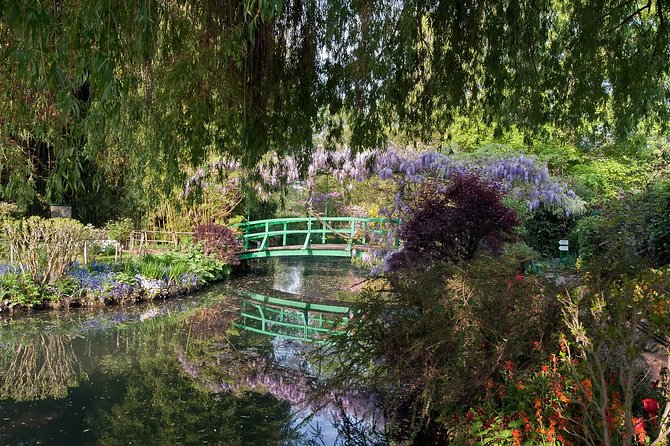
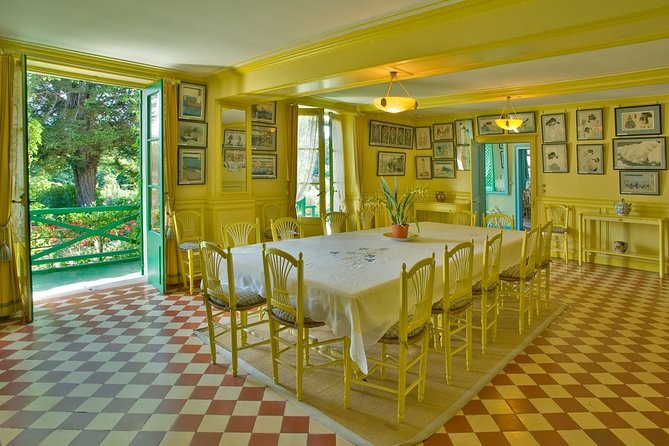
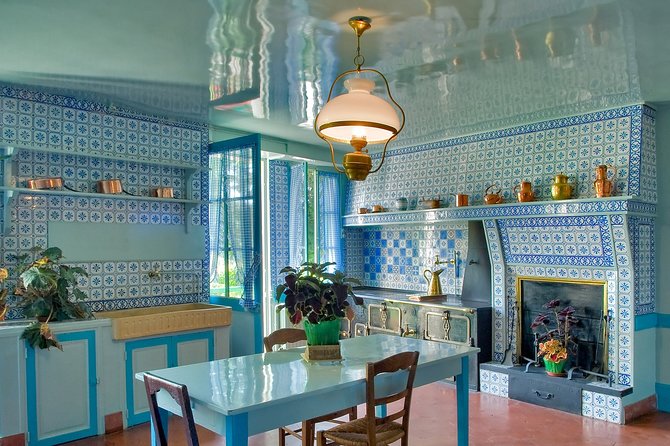
You’ll start with a guided tour of Monet’s gardens and home, then continue through a commented walk that helps stitch it all together. The home portion matters because it grounds the garden in a human story.
Instead of treating the property like a backdrop for photos, the guide uses the house to explain Monet’s approach: how he lived, what he valued, and how the spaces relate to his work. In practice, this tends to mean you’ll pause at meaningful areas and get context that you would likely miss if you toured alone.
There’s also a helpful teaching style you can expect from past guides, including people like Brigitte and Marie, who have been praised for pacing and clarity. Some guides also use a small visual aid, like a portfolio of Monet’s work, to link the art to the scenes you’re standing in. Even if the garden is the main attraction, the home gives you the why behind it.
The Gardens and Lily Ponds: Seasonal Color with a Plan
When the tour hits the gardens, you’re moving through the parts that make Giverny famous: pathways, plantings, and—often the highlight—the lily ponds. What makes the garden section special is that you’re not just scanning flowers. You’re learning how Monet made choices that shaped your view.
This is where the seasonal aspect becomes real. The blooms can be different depending on the time of year, and the guide’s commentary helps you notice what’s in season and how it fits into the bigger picture. If you love plants, you’ll likely enjoy the way guides describe the varieties and placement, not just the fact that something is pretty.
Crowds are the main reality check here. Even with a small group, the grounds can still be busy. The most useful mindset is: slow down when the guide stops. Those pauses are when you get the best explanations—and the best photos—because you’re not rushing past the exact view someone is describing.



Pacing, Questions, and Getting Great Photos
A lot of garden tours feel like a race with scenery. This one is built to avoid that. The tour is described as relaxing and un-rushed, with guides making room for questions and giving you time to take pictures.
A couple of details from real-world experience you can plan around:
- Guides have been praised for answering questions and keeping a steady rhythm so everyone participates.
- You may get help with group photos, including guides offering to take pictures so you both appear in them.
This is a big quality-of-day factor for couples and families. At sites like Giverny, it’s easy to lose track of what you wanted to capture. Having a guide who knows where to stop and what to look for helps you get the shots you care about, without turning the visit into a photo scavenger hunt.
Small Group Size: Why Up to 10 Feels Better
The tour is max 10 travelers, which keeps it from turning into a long line of headsets and flag-waving. That smaller size is a major reason the experience tends to land well: you can actually ask something, hear the guide at least most of the time, and keep a visual connection to what’s being pointed out.
That said, there’s one consideration: in busier sections, guides may not be heard as easily from the back. Some groups have noted it can be hard to hear if you’re at the far end. This doesn’t mean the tour is bad—just that you should take responsibility for your own hearing. When you arrive, try to position yourself where you can hear clearly, especially during the stops.
If you know you struggle with hearing in noisy outdoor spaces, you might consider a different style of tour that uses headsets. But if your priority is conversation and a human-scale pace, this format is built for that.
What This Tour Gives You (and What It Can’t)
Here’s the honest balance. This tour is strong at:
- turning the garden into a readable story,
- connecting the house to Monet’s creative choices,
- and keeping your time efficient with prepaid entry.
It isn’t designed to be a self-paced wandering festival where you can linger forever in one corner. The visit is about two hours, so you’ll cover key areas, then move on. If you want to spend extra time in the village, around the property, or at additional nearby spots (like you might do on a longer independent visit), you’ll need to treat this as a structured “core experience” rather than the whole day.
Who Should Book This Monet Tour
This is a great fit if:
- Monet is your main interest and you want the story behind the scenes,
- you prefer small-group travel over big mass tours,
- you’d rather spend time learning than fighting the ticket line.
It’s also helpful if you’re bringing a child and want a guide who can keep the pace manageable. Families have found the pace works well, and the explanations can stick because the guide pauses where the meaning is.
If you’re the type who just wants to stroll and absorb visually with zero explanation, you might not feel the added value of a guided format. But if you like context—why certain plantings are where they are, how the garden reflects impressionism, how Monet’s life shaped his work—this tour is aimed right at you.
Should You Book It?
I’d book it if you want the quickest path to a more meaningful Monet day. Prepaid admission is a real time-saver, and the licensed guide turns the visit from pretty into understandable. The small group size (up to 10) helps the experience feel personal, and the pacing gives you room for questions and photos.
Book sooner rather than later if your dates are fixed, since spots are often taken about 80 days in advance. Also, plan for the garden’s busiest mood by choosing the right time of year if you can; shoulder season visits tend to feel calmer.
If you’re sensitive to hearing outdoor noise and you hate missing words, consider whether you’d rather trade conversation for a headset-style tour. Otherwise, this is a strong, practical way to see Monet’s home and gardens without losing time—or your place in the story.
FAQ
How long is the Monet’s house and gardens small-group tour?
It runs for about 2 hours.
What time does the tour start?
The start time is 1:00 pm.
How many people are in the group?
This experience has a maximum of 10 travelers.
Is the tour in English?
Yes, it’s offered in English.
Where do we meet?
You meet at Les Nymphéas, 109 Rue Claude Monet, 27620 Giverny, France.
Is transport included in the price?
No, transport is not included. The tour also requires good weather, and if it’s canceled for poor weather you’ll be offered a different date or a full refund.