REVIEW · GIVERNY
Giverny Village Walking Tour & Skip-the-Line to Monet Garden
Book on GetYourGuide →Operated by UTG EXPERIENCE · Bookable on GetYourGuide
Monet’s garden, minus the queue drama. This Giverny walking tour pairs a local guide for the village with skip-the-line entry to Monet’s House and Gardens. I like that you get the backstory while still having freedom to wander. One catch: the house isn’t wheelchair accessible, even though the gardens are.
After the village walk, you’re handed a priority ticket and can go at your own pace through the flower gardens, the Japanese bridge, and the water lily pond scenes that made Monet famous. Expect a guided experience that feels helpful, not rushed, especially since the group stays together during the explanation time and then relaxes into self-guided exploring.
In This Review
- Key points I’d plan around
- Start at Les Capucines and Get Oriented in Giverny
- The Village Walk: Color, Streets, and Monet’s Real-Life Connections
- Skip-the-Line to Monet’s House and Gardens: Where Time Really Matters
- Japanese Bridge and Water Lily Pond: Your Pace, Your Photos
- Flower Gardens and Monet’s Home: What the House Adds (and What It Doesn’t)
- How Guides Keep the Group Together Without Killing Your Freedom
- Price and Value: Is $64 Worth It?
- Who Should Book This Tour?
- Should You Book This Giverny + Monet Skip-the-Line Tour?
- FAQ
- How long is the Giverny Village Walking Tour and Monet Garden experience?
- Where do I meet the guide?
- Is the skip-the-line ticket for Monet’s House and Gardens included?
- Do I get a guided tour inside the house and gardens?
- Is this tour wheelchair accessible?
- Do I need to bring a face mask or protective covering?
Key points I’d plan around
- Skip-the-line priority keeps your day moving when the public queues are brutal
- Local village guide time helps you understand what you’re seeing before you see it
- Japanese bridge + water lily pond are yours to revisit without sticking to a schedule
- Earpieces make it easier to hear the guide even in a group
- Photo-friendly pacing: guides often position the group and suggest good spots
- Wheelchair note: gardens work well; the house does not
Start at Les Capucines and Get Oriented in Giverny
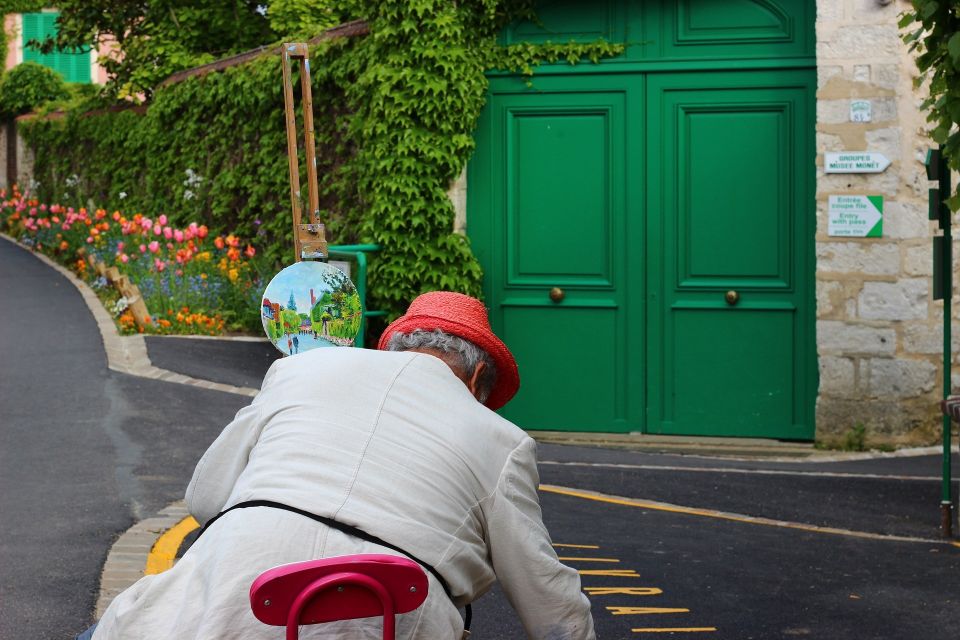
This tour begins outside Les Capucines (80 Rue Claude Monet), so you’re not scrambling for the right starting spot mid-day. I like the clarity of that setup: you know exactly where to meet, and once you’re gathered, the guide immediately starts placing Giverny in context.
The value here is timing. If you arrive at Monet’s gardens without a story, you’ll still enjoy the beauty, but you’ll miss the “why.” With a guide walking you through the village first, the streets and landmarks start to feel connected to Monet’s life instead of just being a scenic detour.
Also, because it’s a live guide in English or French, you don’t feel like you’re reading your way through a museum. People often mention guides who stay friendly and approachable. Names that have come up in past groups include Marine M, Bernard, Bertrand, and Sheila/Sheela/Shila (spelled slightly differently in different notes), and the common theme is that they answer questions instead of racing ahead.
Practical tip: If you’re the kind of person who likes good photos, arrive a few minutes early. One small note that pops up is that signage to the start point could be clearer, so extra buffer time saves stress.
You can also read our reviews of more walking tours in Giverny



The Village Walk: Color, Streets, and Monet’s Real-Life Connections
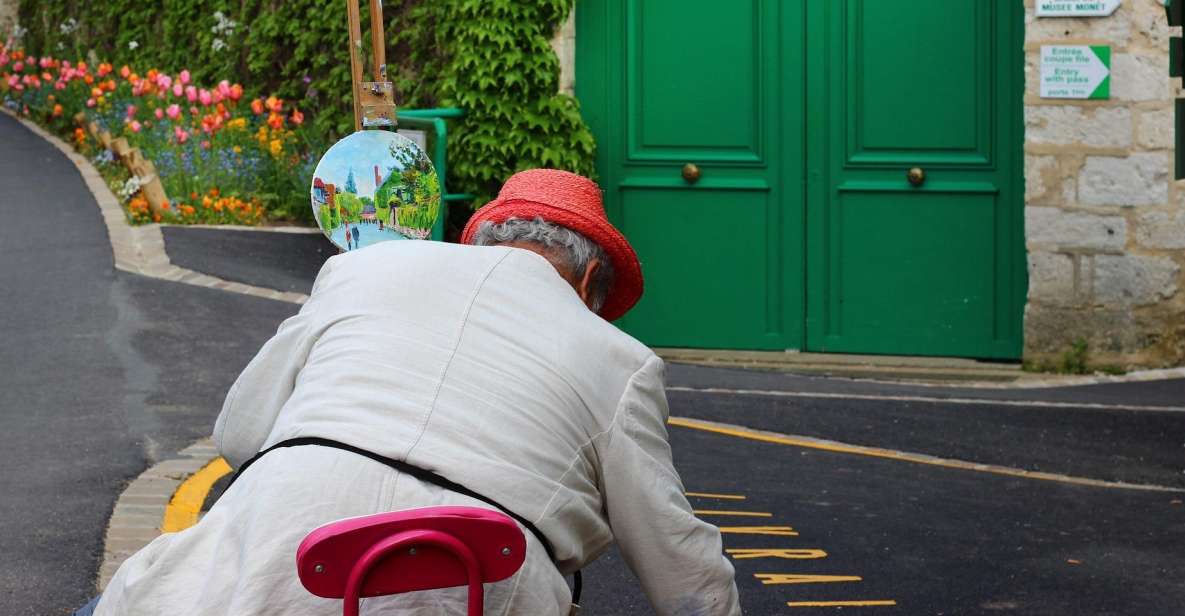
The first part is a guided walking tour of Giverny village. Think of it as your map for the mind, not just the map for your feet. You’ll see lovely streets, colorful houses, and local landmarks, and you’ll hear how Giverny became a place where artists gathered and where Monet found inspiration.
What makes this segment worth doing is the way it turns the visit into a conversation with the place. You’re not only looking at pretty buildings; you’re learning what made the area important to Monet and other artists. That context helps later when you stand at the pond and realize how carefully he shaped the view.
You’ll likely get the sense of Monet’s timeline too: the guide’s stories cover his life and why he created and changed the garden over time. People specifically call out explanations of why Monet grew the garden and how the planting choices connect to his creative process. That type of narrative is what makes the gardens feel intentional instead of random.
One more practical benefit: the guide can help you avoid common time-wasters. On your own, you might zigzag through the gardens and repeat the same views. With the village framing done first, you’re more likely to move with purpose when it’s time to enter.
Skip-the-Line to Monet’s House and Gardens: Where Time Really Matters
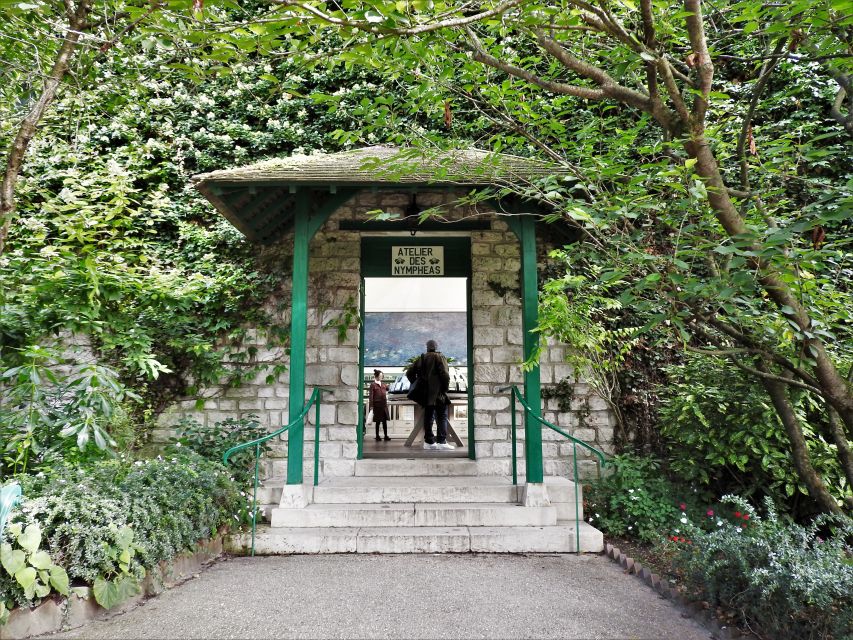
After the village walk, you get a skip-the-line ticket with priority access to Monet’s House and Gardens. This is one of those “yes, it’s worth paying for” choices, because queues at popular sites can swallow an entire chunk of a day.
A priority ticket doesn’t just mean speed. It means you arrive at the key areas with less fatigue, more daylight, and less pressure. And Monet’s gardens are a place where you want to slow down. The whole point is to linger by the pond, walk the paths, and step back to look again.
Once you’re inside, you explore at your own pace. The tour guide helps with the transition, but you’re not trapped in a second round of narration. That balance is a big deal for comfort. Some people want the story; others want space. This format gives both.
If you’re coming with kids, friends who don’t love long guided speeches, or anyone who gets cranky when a group move is constant, this “guided intro then free roaming” setup is a smart fit.
Japanese Bridge and Water Lily Pond: Your Pace, Your Photos
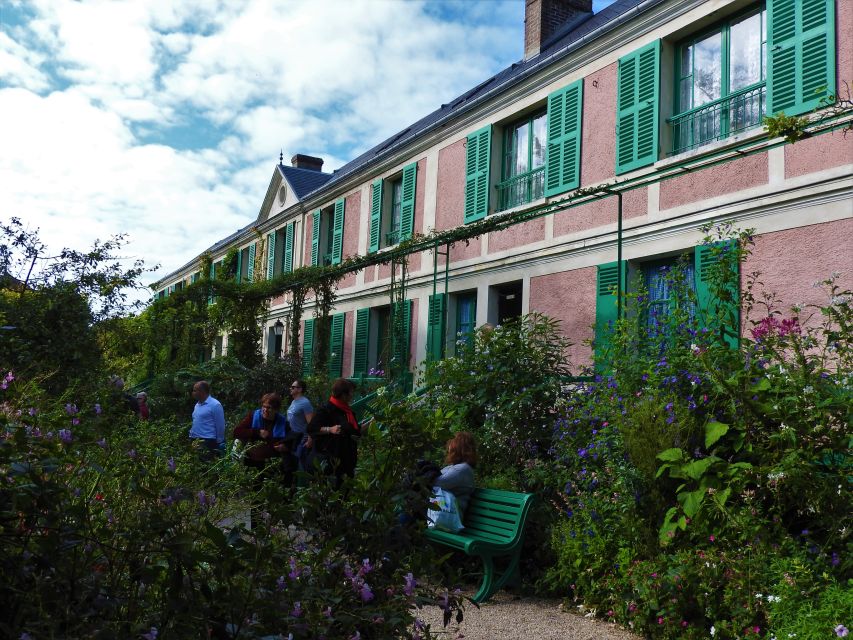
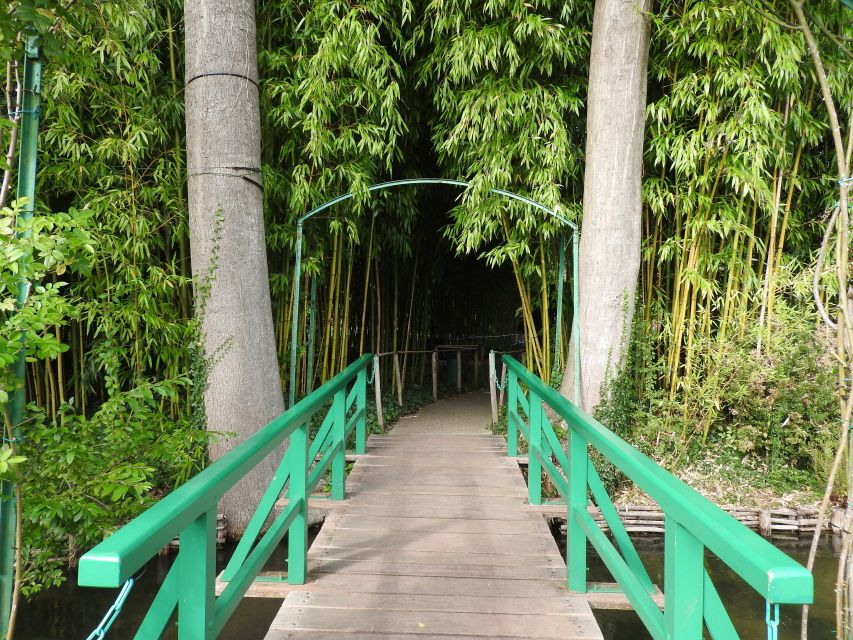
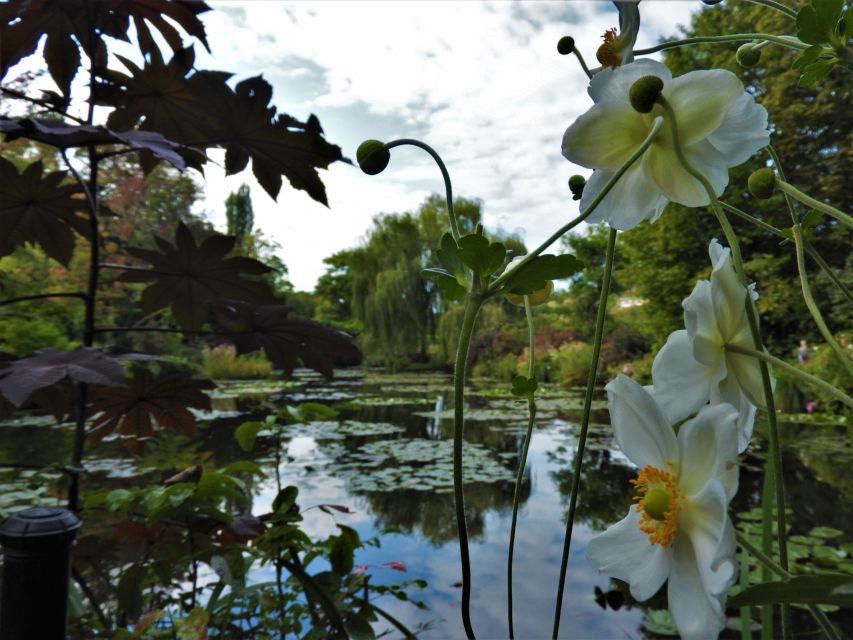
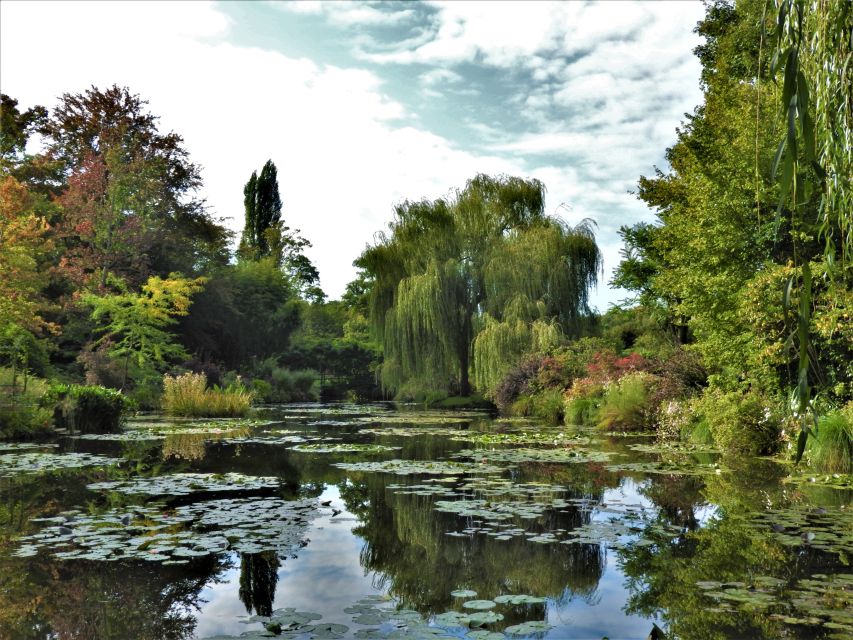
This is the big stage. You’ll have time to visit the Japanese bridge and the water lily pond at your own pace. Monet painted these views again and again, so it’s easy to feel like you’re standing inside a familiar image.
What you’ll enjoy most is the freedom to time your looking. You can pause at different angles, take a breath, then return to the view when the light shifts. With a self-guided portion after the guided walk, you don’t have to catch up with the group while you’re still noticing details.
The bridge-and-pond combo is also the part where you’ll most appreciate hearing Monet’s story earlier. When you understand what he was trying to capture and how he thought about the garden, the scenes stop being “postcard views” and start feeling like artwork in real time.
Tip for photos: If your group is together during the guided portion, listen when the guide suggests photo spots. Several guide notes mention helping the group with placement for better shots, especially when it’s busy. Then, after you break free, take a few extra minutes for your own composition instead of only relying on what the guide shows.
Flower Gardens and Monet’s Home: What the House Adds (and What It Doesn’t)
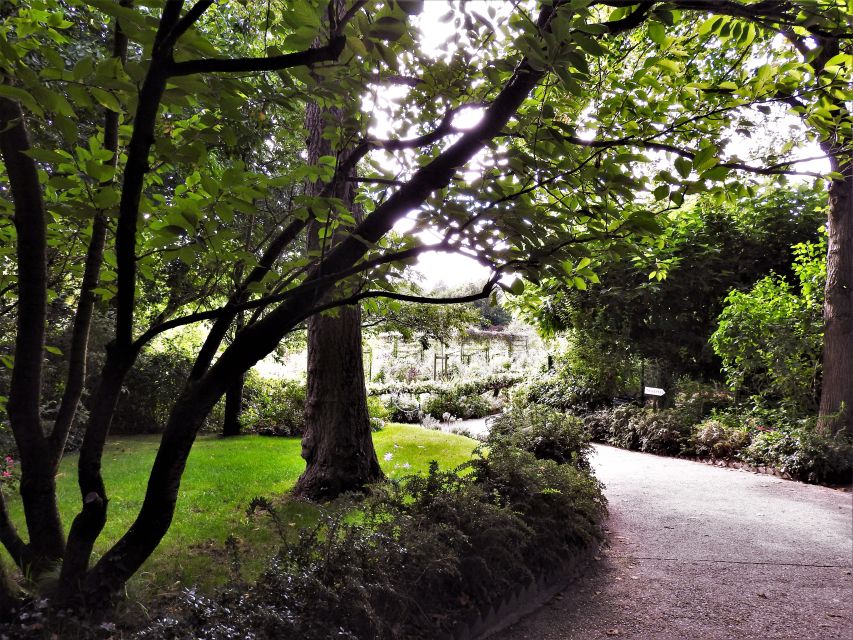
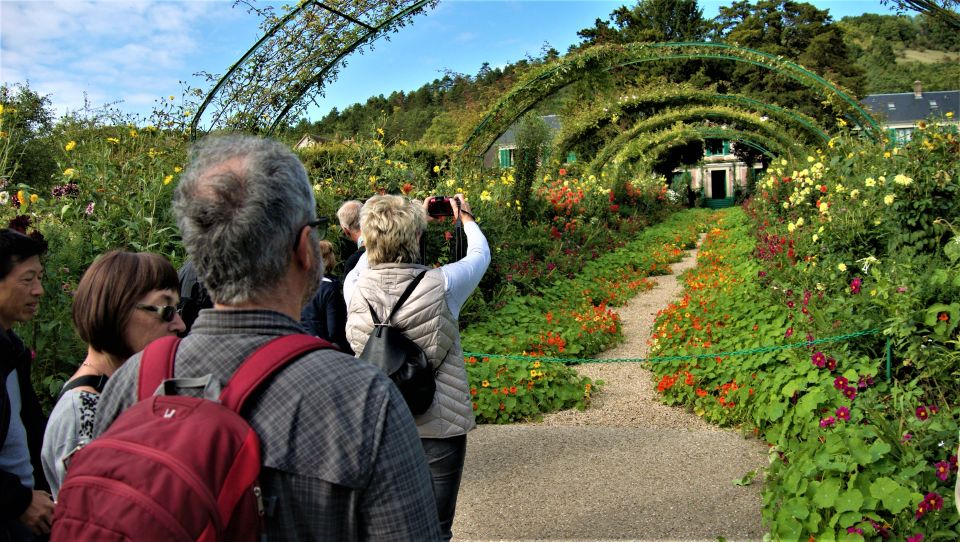
You’ll also explore Monet’s flower gardens and his house on your own. The gardens are the star, but the home helps you connect the visual world to the person who created it.
Here’s the practical limit: the house isn’t wheelchair accessible. The gardens are wheelchair and stroller accessible, but the house access restriction matters for anyone with mobility needs. If that’s your situation, plan to focus your time on the paths, ponds, and garden spaces where movement is easier.
If you’re visiting with a stroller, the gardens being accessible is good news. Just be aware that the “house time” might not be part of the plan, so think of the house as optional rather than required.
During your self-guided exploration, you can also revisit the views you liked most. That matters because Monet’s garden isn’t one fixed angle. It’s a series of connected sightlines. Walking it slowly gives you the chance to see how the same pond can look different as you move.
A few more Giverny tours and experiences worth a look

How Guides Keep the Group Together Without Killing Your Freedom
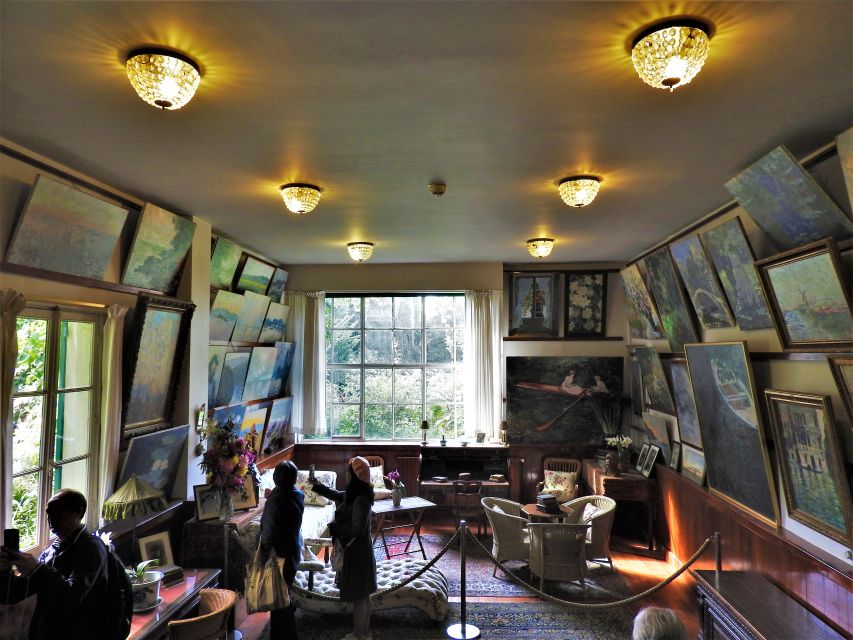
Even though you explore independently after the entry, the guide still shapes how your visit feels. Many notes highlight guides who are friendly, funny, and genuinely invested in making the experience work for the group.
A recurring detail: earpieces are provided. That helps a lot. You can stay part of the tour when the guide is explaining key ideas, but you don’t have to stand shoulder-to-shoulder or strain to hear. It also means the group can include different walking paces without turning into chaos.
Another thing that stands out in past guide write-ups is group care when it’s crowded. Guides reportedly watch headcounts and adjust pacing so everyone sees the important parts without getting separated. Even the practical stuff—like pointing out where to stand for photos or keeping the pace manageable—makes the difference between a frustrating visit and a calm one.
One small timing note: the guided portion can run slightly shorter than the maximum you might expect, depending on how everyone arrives. Don’t panic if it feels like it’s moving quickly at first. The trade-off is that you still get time in the gardens after the guided segment.
Price and Value: Is $64 Worth It?
At $64 per person for a 1–2 hour experience (plus the priority ticket time inside), the question isn’t whether the price is low. It’s whether you’re buying stress relief and context.
Here’s the value math that makes sense for most people:
- You pay for a guided village walk that adds meaning to what you’ll see later
- You pay for skip-the-line entry, which saves time and helps you avoid a slow start
- You then get self-paced time inside, so you don’t feel forced to stay “on” the whole day
If your biggest fear is wasting hours in a queue, priority access can be worth the cost immediately. If your biggest hope is to understand Monet instead of just admiring the gardens, the village storytelling is the part that pays off over and over while you walk.
One more value angle: since transportation to and from Giverny isn’t included, your total trip cost depends on how you plan to get there. If you’re already making a Normandy day around Giverny, this tour becomes a focused add-on rather than a complicated logistics project.
Who Should Book This Tour?
This is a great match if you:
- love art and want the human story behind the paintings
- want the key Monet visuals (bridge and pond) without the line burnout
- prefer a guided start followed by independent exploring
- appreciate small touches like photo guidance and easier listening through earpieces
It’s also a good pick for mixed groups: one person can be fully into the Monet narrative, while someone else can enjoy the space to wander at their own pace once inside.
The main reason to think twice is accessibility. Gardens are accessible, but the house isn’t. If the house is the whole point for you, you may want to plan accordingly.
Should You Book This Giverny + Monet Skip-the-Line Tour?
If you’re going to Giverny anyway, I’d book this. The combination is practical: a guide gets you oriented in the village so Monet’s place makes sense, and priority entry protects your time when the queues can be intense.
I’d especially recommend it if you want more than a quick stroll. The gardens reward patience, and the guided context makes your slower walking feel purposeful.
Before you book, just sanity-check your mobility needs (gardens yes, house not). If that’s aligned, this tour is one of the better ways to experience Monet’s world without turning your day into a line-and-stand-and-wait routine.
FAQ
How long is the Giverny Village Walking Tour and Monet Garden experience?
The duration is listed as 1 to 2 hours. Check available starting times to match your schedule.
Where do I meet the guide?
Meet your guide outside Les Capucines at 80 Rue Claude Monet, 27620 Giverny.
Is the skip-the-line ticket for Monet’s House and Gardens included?
Yes. The tour includes a skip-the-line ticket to Monet’s House and Gardens.
Do I get a guided tour inside the house and gardens?
No. You explore Monet’s House and Gardens on your own after receiving the ticket. The guided part is the village walking tour.
Is this tour wheelchair accessible?
The gardens and paths are described as wheelchair and stroller accessible, but the house is not.
Do I need to bring a face mask or protective covering?
Yes. You’re advised to bring a face mask or protective covering.