REVIEW · PROVENCE
Grape Stomping in Provence
Book on GetYourGuide →Operated by Les Pastras · Bookable on GetYourGuide
The best part of this Provençal outing is also the silliest: you climb into a waist-high antique oak barrel and stomp grapes with your bare feet, with Mount Sainte Victoire in view. Before that, you pick grapes yourself and learn how the farm turns them into wine.
I like the family-farm setting and the generous food afterward. Cheese, pâté, charcuterie, red wine, olive oil, and truffle oil make this feel like a proper Provençal welcome, not a quick novelty stop. I also like that Johann, who leads the activity, mixes harvest tales with practical lessons about grapes, wine, and truffle growing.
The main catch is timing. Grape stomping runs only from September 1 through September 30, weather permitting, and the farm asks you to book at least one week ahead. There is no transportation included, so you must arrange your own way to Les Pastras.
In This Review
- Key points at a glance
- Starting with the grape harvest at Les Pastras
- Learning the hard side of wine making
- Climbing into the antique oak barrels
- Tasting the grapes, wine, and farm products
- Why the three-hour length feels right
- The September timing matters
- The value of $88 per person
- Who will enjoy this most
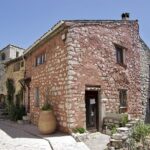
- What makes the farm setting special
- Should you book Grape Stomping in Provence?
- FAQ
- Where does the grape stomping experience take place?
- How long does the experience last?
- What is included in the price?
- Is transportation included?
- When does grape stomping season take place?
- Is the activity offered in English?
- How far in advance should I book?
Key points at a glance
- Stomp grapes in giant oak barrels: The barrels are roomy enough for four or more people and sit at a height that makes the activity easy to see and photograph.
- Pick grapes by hand: You take part in the harvest before hearing how local grapes become wine.
- Enjoy a full Provençal buffet: Cheese, pâté, charcuterie, red wine, olive oil, and truffle oil follow the grape stomping.
- Learn from Johann in English: The guide explains grape varieties, wine making, olive oil, and truffle growing while sharing local harvest stories.
- See Mount Sainte Victoire: The mountain provides a striking backdrop while you stomp, eat, and take photos.
- Plan around September: The activity lasts three hours, costs $88 per person, and depends on harvest conditions and weather.
Starting with the grape harvest at Les Pastras
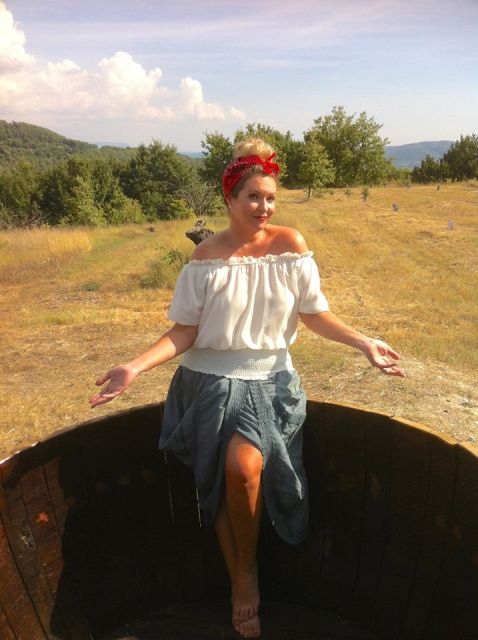
At Les Pastras, the experience begins with the working side of wine making. You pick grapes yourself, which gives the afternoon a useful sense of purpose. You are not simply looking at rows of vines or listening to a talk. You handle the fruit that will be discussed later.
That small bit of work helps you understand the harvest season. Grapes are not an abstract ingredient here. They are something you gather, sort, taste, and eventually crush under your feet.
The exact order of every explanation may vary, but you can expect a tour of the Provençal farm and an introduction to grape cultivation. You learn how local grapes differ from one another and how those differences affect the wines made from them.
I find this kind of introduction more useful than a long technical lecture. You leave with a few simple points to watch for when you taste wine later: the grape type, the way it is grown, and the character of the finished drink.
You can also read our reviews of more tours and experiences in Provence.

Learning the hard side of wine making
The session is not limited to cheerful harvest stories. Johann also talks about the darker side of wine making, along with stories passed down through generations of local farmers.
That detail gives the activity more weight. Farming is often presented as a postcard scene of sunny fields, old tools, and smiling producers. The reality includes hard work, uncertain weather, and the pressure of turning a seasonal crop into a saleable product.
You should not expect a formal wine-school lesson. This is a hands-on farm visit with a relaxed English-speaking guide. Still, the explanations add context to the fun. You learn not only how wine is made, but also something about the people and work behind the bottle.
The tone appears to be lively rather than stiff. Johann is described as funny and well informed, and the owner also leads and explains the experience. That matters because the person guiding you is closely tied to the farm and its products.
Climbing into the antique oak barrels
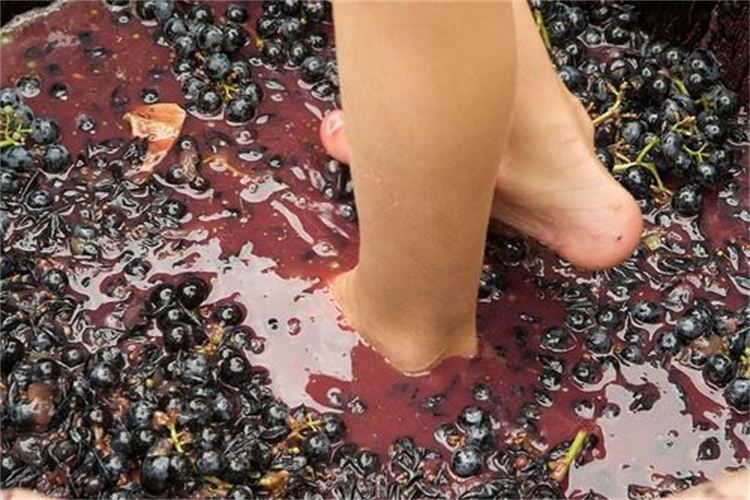
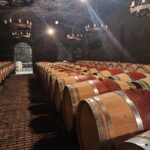
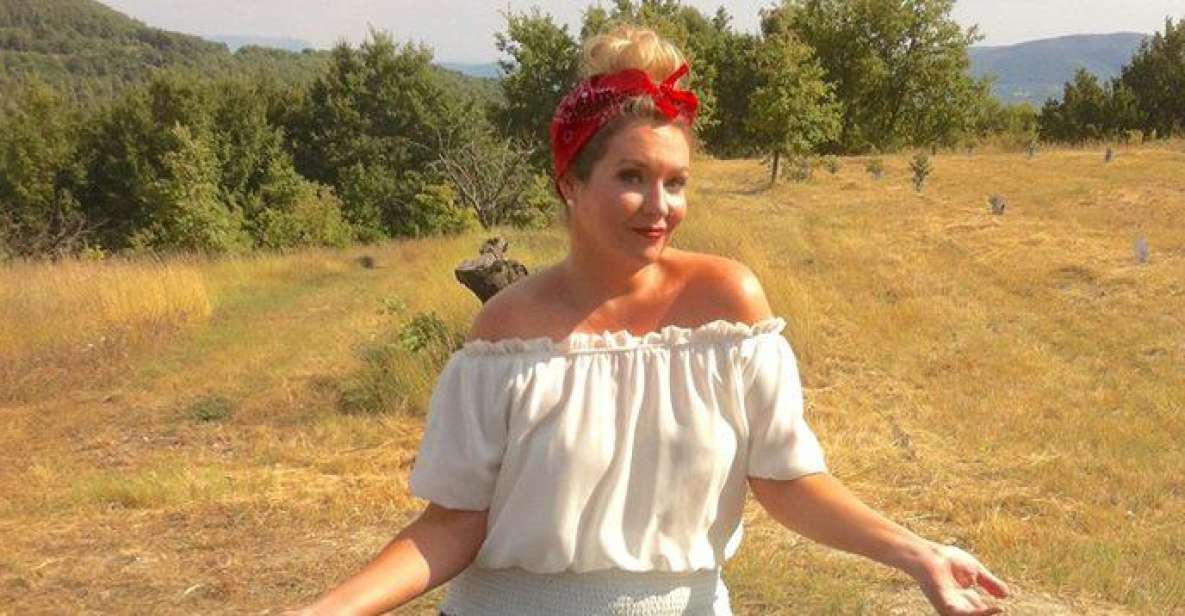
Then comes the part everyone remembers. The grape barrels are enormous, antique, and made of oak. They are waist-high and large enough for four or more people, so this is a shared activity rather than a private performance.
You climb in and stomp the grapes with your feet. It is messy, physical, and intentionally a little ridiculous. That is precisely why it works so well for families, couples, and groups of friends.
The barrels also create a good setting for photos. With Mount Sainte Victoire in the background, you get more than the usual close-up of purple toes. You have an unmistakable Provence scene, with the mountain behind the farm and the harvest taking place in front of you.
The activity is suitable for all ages according to the supplied details, but you should be comfortable with a little mess and close participation with other people. This is not the right choice if you want a quiet, polished tasting where you remain seated throughout.
You may sing, laugh, or simply concentrate on keeping your balance. The experience has room for all three approaches. Some people will want to make a show of it, while others will be happy to step in, stomp for a few minutes, and let the more enthusiastic members of the group take over.
Tasting the grapes, wine, and farm products
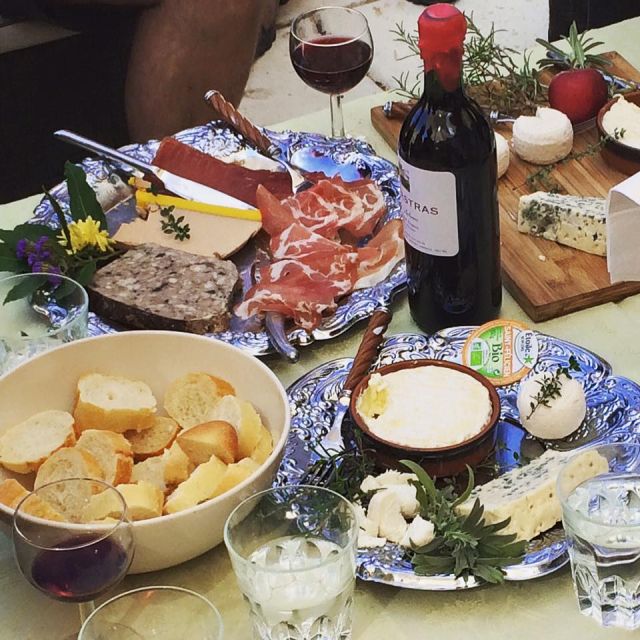
After the stomping, the pace changes. You sit down for food and drinks, with a buffet of cheese, pâté, charcuterie, and red wine.
This is one of the strongest parts of the experience because it turns the grape activity into a complete Provençal outing. You are not rushed out after the photos. The meal gives you time to talk, taste, and let the farm visit settle in.
The food is generous in style rather than formal in presentation. Expect the familiar pleasures of a French country spread: savory cured meats, pâté, cheese, and wine that suits the setting.
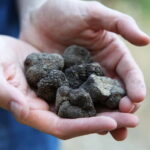
You also taste the farm’s olive oil and truffle oil. These tastings broaden the visit beyond grapes. Olive oil is a central part of southern French cooking, while truffle oil adds another local specialty to the table.
You can use this part of the outing to compare flavors and ask questions. The experience includes food and drinks, so the $88 price is not only paying for the barrel activity. It covers the farm visit, instruction, grape stomping, and a substantial tasting session.
I would not book this expecting a full meal replacement unless you know that the buffet suits your appetite. The supplied details call it a buffet, but they do not give a menu, serving size, or dietary information. If you have food restrictions, ask before booking rather than assuming every item will work for you.
Why the three-hour length feels right
Three hours gives the outing enough space for several distinct parts: farm introduction, grape picking, explanations about wine making, grape stomping, and the final buffet.
A shorter visit could easily feel like a photo stop. Here, the combination of work, learning, play, and food gives the afternoon a natural rhythm. You start by understanding the crop, take part in the harvest, celebrate it with your feet, then sit down to eat.
The length also means you should protect the time in your itinerary. This is not a quick activity to squeeze between two major sightseeing stops. Add your own transportation time because getting to and from the farm is not included.
Starting times vary, so you need to check availability for the date you want. The experience is offered in English, which makes it a practical choice if you want explanations without relying on translation.

The September timing matters
Grape stomping season runs from September 1 through September 30, weather permitting. This is a narrow window, so you cannot treat the activity as a year-round Provence option.
September can be a good time to visit southern France, but harvest work follows the crop, not your vacation calendar. Poor weather or changing farm conditions can affect the activity.
You should book at least one week ahead. That is especially important if you have a fixed itinerary or are visiting during a busy period. The reserve-now-and-pay-later option allows you to hold a place without paying immediately, which can help while you finalize your plans.
Free cancellation is available up to 24 hours in advance for a full refund. That gives you some protection, but it does not remove the need to watch the weather and confirm the schedule.
The value of $88 per person
At $88 per person, this is more expensive than a simple wine tasting. The value depends on what you want from the day.
If you only want to drink a glass of wine, this is not the economical choice. If you want a three-hour farm experience with instruction, hands-on grape picking, grape stomping, a scenic setting, and food and drinks, the price is easier to justify.
The buffet is important to the calculation. Cheese, pâté, charcuterie, red wine, olive oil, and truffle oil turn the visit into more than a single activity. You are paying for a social meal as well as the farm program.
Transportation is not included, and that is the main extra cost to consider. Depending on where you are staying in Provence, arranging your own route may require a car or another paid option. The supplied details do not give a transfer service, meeting point, or travel time, so confirm those points before you commit.
I also see value in the personal connection. The owner leads the explanations, and the farm’s products are part of the tasting. That can make the experience feel more direct than a large commercial wine attraction.
Who will enjoy this most
This is a strong choice for families because the grape stomping is active, funny, and easy to understand. Children may not remember a technical wine lecture, but they will remember climbing into a huge barrel and squishing grapes.
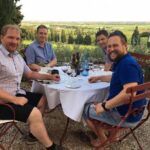
It also suits couples and groups of friends who want photos and a relaxed meal. The barrel holds several people, so the shared nature of the activity is part of the fun.
Food lovers will appreciate the olive oil and truffle oil tasting, while wine enthusiasts will get a basic introduction to grape varieties and local wines. You do not need advanced wine knowledge to take part.
I would be more cautious about booking it for a solo visitor who prefers quiet, private experiences. The activity is built around group participation, laughter, and shared food. It may be enjoyable alone, but the social side is clearly part of the design.
You should also think about your footwear and clothing. The activity involves grape stomping, so wear something practical and avoid clothing you would be upset to stain. The supplied information does not specify changing facilities or cleanup arrangements, so it is sensible to ask Les Pastras what to bring.
What makes the farm setting special
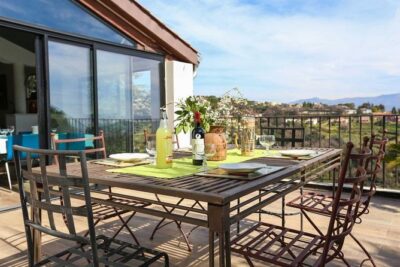
The view of Mount Sainte Victoire gives the activity a strong sense of place. You are not stomping grapes in an anonymous indoor room. The mountain connects the harvest to Provence and provides a memorable backdrop for the barrel scene.
The farm setting also helps tie together the different tastings. Grapes, wine, olive oil, and truffle oil may seem like separate products on a standard food tour. Here, they belong to one agricultural visit and one family-run operation.
That connection is why I would choose this over a generic wine tasting if you want something personal and playful. You learn about the products while taking part in the work and then sharing food at the table.
The experience also seems to leave room for celebration. Singing, dancing, laughter, and a picnic-style meal may happen naturally during the gathering, but you should treat those as part of its informal character rather than a guaranteed performance or scheduled event.
Should you book Grape Stomping in Provence?
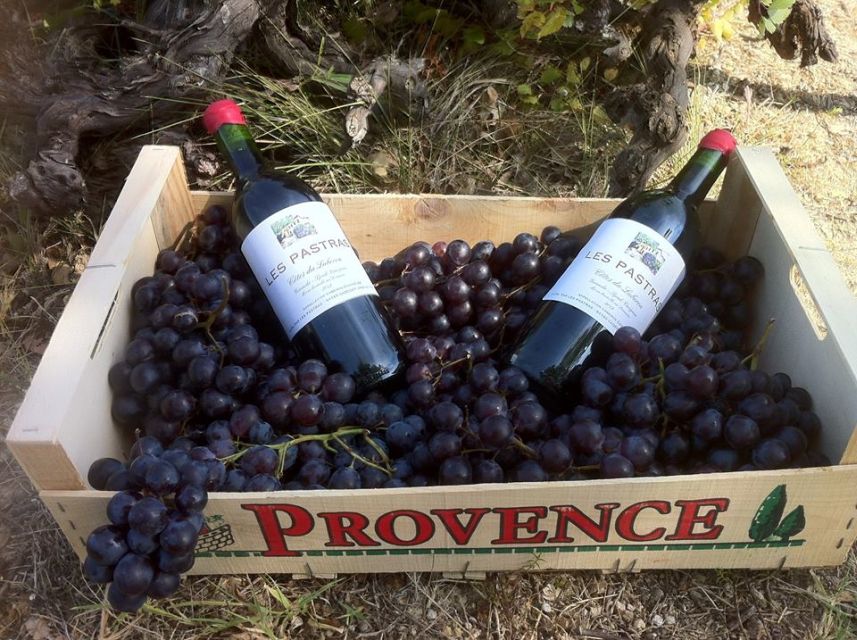
Book it if you want hands-on fun, local food, and a farm setting rather than a formal winery tour. The combination of grape picking, antique barrels, Mount Sainte Victoire, and the buffet gives you a memorable three-hour activity with plenty of photo opportunities.
I would especially recommend it for families, couples, and friends visiting Provence in September. The $88 price is fair when you value the included food and drinks, though you must add the cost and effort of your own transportation.
Skip it if your dates fall outside September, if you dislike messy group activities, or if you want a serious tasting focused only on wine. For everyone else, book early, confirm the meeting and transportation details, and bring clothes that can handle a little grape juice.
FAQ
Where does the grape stomping experience take place?
The activity takes place at Les Pastras, a Provençal farm in the south of France.
How long does the experience last?
The experience lasts three hours. Starting times vary, so check availability for your preferred date.
What is included in the price?
Grape stomping, food, and drinks are included. The tasting features cheese, pâté, charcuterie, red wine, the farm’s olive oil, and truffle oil.
Is transportation included?
No. You must arrange your own transportation to the farm.
When does grape stomping season take place?
The grape stomp season runs from September 1 through September 30, weather permitting.
Is the activity offered in English?
Yes. The instructor and activity language are English.
How far in advance should I book?
You should book at least one week in advance. You can cancel up to 24 hours before the activity for a full refund.