REVIEW · PARIS
Giverny Small-Group Half Day Trip with Monet’s Gardens from Paris
Book on Viator →Operated by Blue Fox Travel - Blue Bike Tours - Paris · Bookable on Viator
Monet’s garden hits fast. This half-day from Paris is built for a small group, with priority entry so you step into Monet’s world early instead of losing time to lines. I especially like the small group of up to 8 and the priority entrance at the Claude Monet Foundation. The one caution: the paths are gravel with some steps, so it is not a good fit if walking is tough.
The drive from Paris is part of the fun, too. Guides such as Kenny, Lucy, Michael, and Frankie have a knack for turning the scenery into context, so when you spot the purple iris paths and the orange capucines, you understand why Monet kept returning to these exact kinds of color and light. You end up looking longer, not just snapping photos and moving on.
One more thing I like: you get both guidance and breathing room. The garden highlights are guided, but you also get real time to stroll, take photos, and explore the house area on your own, since space inside is limited. If you want a full room-by-room narration inside the home, this format may feel more hands-off than you expect.
In This Review
- Key takeaways
- From Paris to Giverny without the day getting away from you
- Getting to the tour: La Flamme and a smooth minivan ride
- Priority entrance at the Claude Monet Foundation: start fast, see more
- Stop 1: Clos Normand and Monet’s color “road map”
- Stop 2: The water lily pond and the Japanese bridge view
- Stop 3: Monet’s house and how the day balances inside time
- Stop 4: Sainte-Radegonde churchyard visit and Monet’s resting place
- The small-group size: why it feels different in real life
- Price and value: what $157.21 actually covers
- Timing and crowds: go early when you can
- Practical tips that make the visit easier
- Who should book this Monet gardens half-day
- Should you book the Giverny Small-Group Half Day Trip?
- FAQ
- How long is the Monet’s Gardens trip from Paris?
- What is the group size for this tour?
- Is the tour offered in English?
- What’s included in the ticket price?
- Are any parts of the itinerary free?
- Where do I meet for the tour?
- Is the tour suitable if I have limited mobility?
- Does the tour run in all weather?
Key takeaways
- Small group, calm pace: Max 8 people, so it feels more like a shared afternoon than a cattle ride.
- Priority entry right away: You use a special group entrance at the Claude Monet Foundation.
- Paintings-to-place comparisons: You’ll see the spots Monet painted and what they look like in real life.
- Guided garden highlights plus free time: You get direction, then room to linger.
- Comfortable round-trip transport: An air-conditioned minivan takes you to and from Paris.
- Not great for limited walking: Gravel paths and steps are part of the deal.
From Paris to Giverny without the day getting away from you
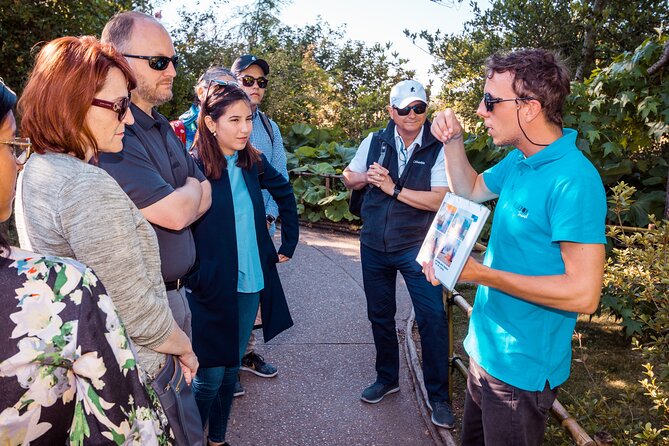
Giverny is famous, so it can also feel like a giant day-trip machine. This tour avoids that by keeping the group small and using priority access. You are not stuck in long queue lines trying to guess where to go. Instead, the day starts with momentum, then settles into a slower rhythm once you are in the gardens.
The timing also helps. At roughly 4 hours 30 minutes, you get a concentrated hit of Monet without sacrificing an entire day in Paris. That matters if you also want to do museum time, a Seine walk, or dinner reservations. You get back to the starting area in central Paris, so the trip does not swallow your evening.
A few more Paris tours and experiences worth a look



Getting to the tour: La Flamme and a smooth minivan ride
Meet at La Flamme, 6 Av. de Wagram, 75008 Paris. It is in a convenient part of town and near public transportation, which reduces stress when you are trying to coordinate with transit schedules. You also do not have to navigate trains or transfers to reach the Normandy countryside.
The transport is by air-conditioned minivan, with an expert chauffeur. In reviews, guides like Lucy and Nicholas were praised not just for driving, but for keeping the ride calm and well-managed in Paris traffic. That is not a small detail. If you are prone to travel stress, a comfortable ride sets the tone for the whole afternoon.
Tip I’d follow: use the ride time to be present. Even if you think you know Monet, a bit of framing before you arrive makes the gardens feel less like a theme park and more like a real creative place.
Priority entrance at the Claude Monet Foundation: start fast, see more
The big operational win here is the special group entrance. You work with the Claude Monet Foundation, and the setup is designed so you can get inside right away. That changes your experience immediately. When you arrive early and without delay, you start seeing the gardens while your brain is still fresh.
This also helps you with pacing. The tour is tight enough that you likely will not want to spend time wandering aimlessly trying to orient yourself. Priority access buys you the first advantage: time. Then your guide can help you get the lay of the land and point you toward the key viewing areas.
Stop 1: Clos Normand and Monet’s color “road map”
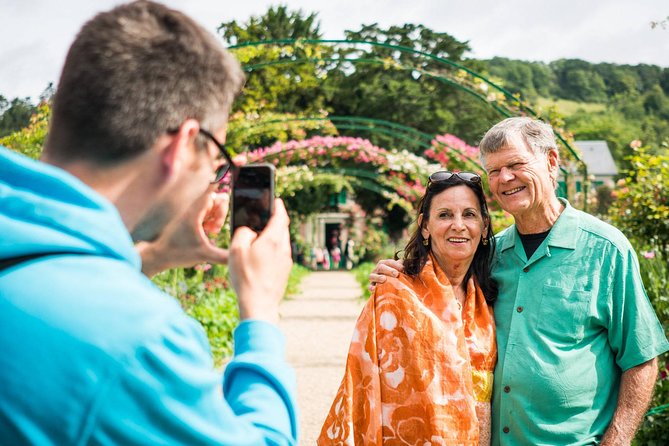
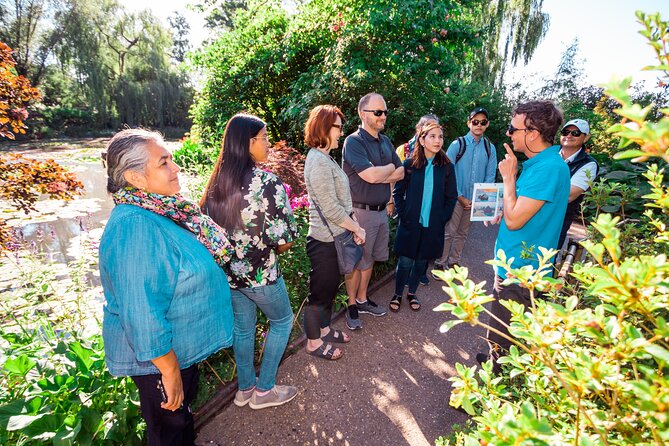
You start with the Clos Normand, Claude Monet’s garden with hundreds of plants that can bloom across seasons. Even if you visit in a gray month, you still get structure: paths, flower beds, and repeated visual cues that Monet used for composition.
This stop runs about 1 hour 30 minutes, so it is not a quick glance. You will hear what to look for and then be able to look longer. In particular, the bold purple iris-lined pathways are a signature you should track with your eyes. Another easy-to-find highlight is the capucines climbing on the arches in spicy orange and yellow, right in front of his pink house with green shutters.
Practical note: the paths here are gravel, and there are steps. You do not need to be an athlete, but you should be comfortable walking on uneven surfaces and climbing when needed. If you are with someone who struggles on steps, plan for slower movement and consider whether this garden format fits.
Stop 2: The water lily pond and the Japanese bridge view
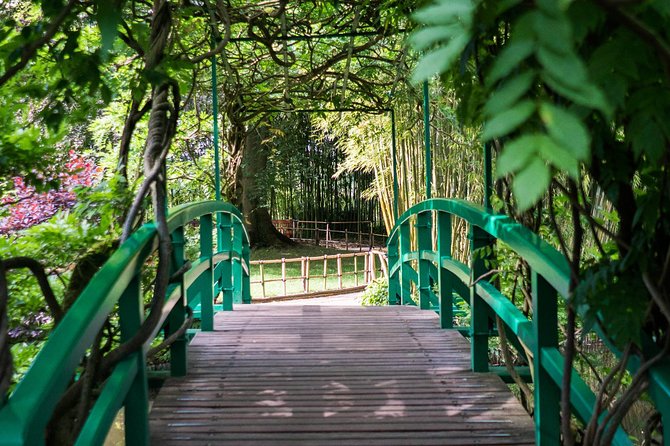
Next comes the famous Japanese garden section, with the water lilies. This is where you get the most iconic “Monet moment,” including the green bridge and a waterlily-filled pond. The guide helps you reach the best viewpoints quickly, and you also get help with souvenir photos.
What makes this stop special is the painting-to-place idea. You are led to the precise spots where Monet painted and then encouraged to compare what you see now to what you may have seen in museums. That comparison is the whole point. The pond is not just pretty; it is engineered through angle, reflection, and light.
Timing matters here. If you love photos, spend a little time settling in before you start shooting. Reviews frequently call out that going early helps you avoid peak crowds. Even if you arrive in overcast weather, the pond reflections can look different and still stunning. You are not chasing a single kind of light; you are watching how Monet’s subjects shift with conditions.
This stop is about 30 minutes. That’s enough to see the main views and take photos, but not enough to turn it into a long personal art retreat. If you want longer time at the pond, keep your questions short and save extra lingering for the free moments later.




Stop 3: Monet’s house and how the day balances inside time
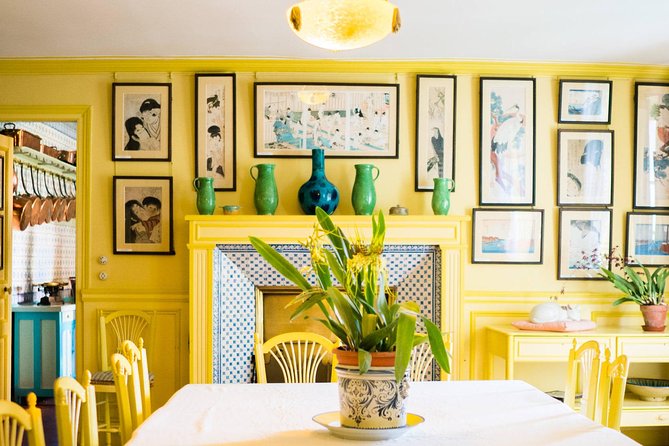
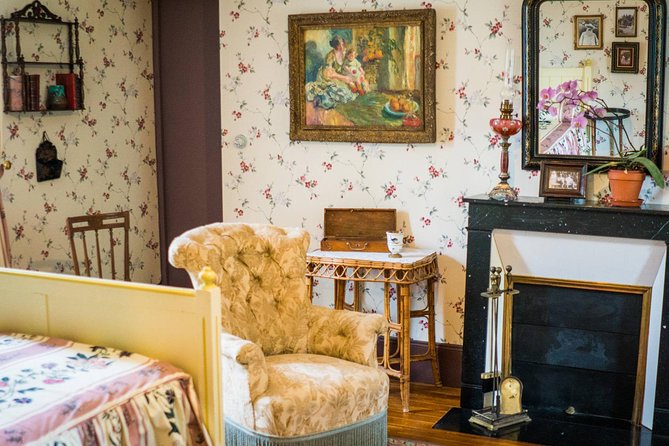
After the pond, you move to Monet’s home area. Claude Monet lived here for more than 40 years and raised eight children, so the house is not just a display of art. It is a lived-in creative space, full of personal décor and the colorful paint that shows up across rooms.
There is a key limitation: groups are not allowed inside the home because space is very limited. Instead, you get free time to explore inside on your own for about 30 minutes. That means you are not getting a full guided walkthrough of every room, but you can move at your own speed.
This part is a strong fit if you enjoy learning by looking. You can pause when something catches your eye, then circle back without worrying that you are holding up the group. In reviews, people often highlight that the mix of guided garden moments plus independent time inside is a real sweet spot.
What to watch for: your guide should set you up with what to notice before you go in. If you have one or two questions, ask them right before your free time. Then use that half hour to connect the dots between what you saw in the gardens and what you see in the studio and rooms.
Stop 4: Sainte-Radegonde churchyard visit and Monet’s resting place
You finish with a visit connected to Monet’s final resting place at Eglise Sainte-Radegonde de Giverny. This is about 30 minutes, and the tomb is hidden away in the church’s graveyard. Your guide accompanies you and shares life stories that go beyond the art.
It’s a short stop, but it adds emotional context. You go from seeing Monet’s visual obsession with light and color to hearing how his life shaped that focus. If you care about artists as people, this is a meaningful landing point.
Also: it is a nice pacing break. The day is mostly sensory and visual, then the tone shifts. Even if you are not a deep-history person, the guide’s stories can make the cemetery visit feel like part of the narrative instead of a quick checkbox.
The small-group size: why it feels different in real life
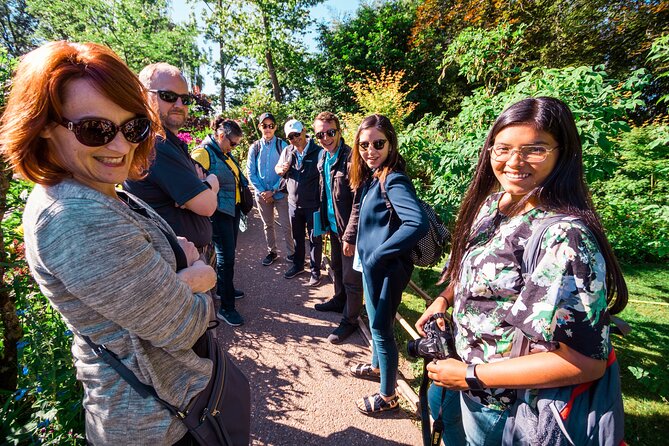
The tour caps at 8 travelers, with an expert guide and chauffeur. That small size shows up in everyday moments. When you ask a question, you can actually hear the answer. When your group needs a moment to regroup, you do not have to force a big crowd to slow down.
In reviews, people frequently praise guides for sharing the right amount of information without taking over. Names that came up include Marceau, Augustine, Martijn, Laurent, and John. The best versions of these tours give you just enough art context to improve your looking, then let you enjoy the garden at your own pace.
For me, the value is not only reduced crowds. It is the way guidance gets tailored. If your group is more photo-focused, you get the best routes for viewpoints. If your group is more history-focused, the guide can give you extra background while still keeping time moving.
Price and value: what $157.21 actually covers
At $157.21 per person, the price is less about luxury and more about convenience and access. You get:
- Small-group tour limited to 8
- Expert guide and chauffeur
- Transport by air-conditioned minivan
- Priority entrance onto Monet’s estate
- Tickets included for the garden and home-related areas
- A calm, structured half-day format
What is not included is the usual extras: tips and food or drinks. The tour ends back at the meeting point in central Paris, and you can head toward the Champs-Élysées area for meals afterward.
So, is it worth it? If you try to DIY this with buses or trains, the day can become a coordination puzzle, especially if you want priority entry and enough time to enjoy each area. With the included transportation and timed pacing, you spend your energy on looking, not logistics.
If you already know you want a guided art context plus real free time, this price feels reasonable. If you only want to wander around without any explanation, you might decide you can skip the tour. But if Monet’s work is the reason you are going, the guide framing is where the value lives.
Timing and crowds: go early when you can
One strong piece of advice from experience is to plan for early light. People consistently say the gardens are easier and more pleasant in the morning, with fewer crowds. Another smart note: even if you are not going at the first possible time, crowd levels can soften later in the afternoon.
In one set of notes, a late-afternoon-style visit around 3:30 to Giverny was described as a sweet spot, with lighter crowds and great photo conditions. Another review praised early morning for avoiding peak congestion. Even on a gray day, the gardens still deliver, because the structure and color planting remain, and water reflections can look different rather than worse.
My practical recommendation: if you are flexible, choose the earliest departure you can manage. You will likely spend less time waiting and more time actually enjoying the views.
Practical tips that make the visit easier
First, pack for walking. Gravel paths and steps are part of the layout. Wear shoes with grip. Keep your route simple: follow your guide’s cues, then slow down where something catches your eye.
Second, plan for photos. You will likely spend time on the water lily pond and bridge views. Your guide helps you get to the best angles, but you still should take a moment to watch reflections and not just shoot continuously.
Third, use your free time wisely. The house visit is not guided inside, due to limited space rules. That means you should go in with a couple of things you want to find. Ask your guide a question before free time starts, then search for the answer with your own eyes.
Finally, consider pace and mobility in your group planning. This tour is not recommended if you have trouble walking. If mobility is a concern, you may want to look for a less step-heavy option.
Who should book this Monet gardens half-day
This tour is a great match if you:
- Want a guided art connection without spending all day traveling
- Enjoy structured time plus freedom to wander
- Care about seeing Monet’s garden views and comparing them to famous paintings
- Prefer a small group setting where questions are welcome
It is a weaker fit if:
- Walking on gravel and steps is difficult
- You want a fully guided, room-by-room tour inside the home
- You would rather spend the entire day in Giverny at your own tempo
If you are visiting Paris and trying to fit in a countryside highlight without turning your trip into a marathon, this balances well.
Should you book the Giverny Small-Group Half Day Trip?
I’d book it if Monet’s paintings are on your list and you want to connect the artwork to the exact garden views that inspired it. The priority entrance and small group size do real work here, especially when you consider how crowded Giverny can get. It also helps that you get both guided stops and time to explore, so you are not constantly being “walked through” everything.
Skip it only if mobility is a big issue for your group or if you are the type of traveler who needs a nonstop guide narration. For most people, this is one of those Paris day trips that feels like a proper art outing, not just a transport service.
FAQ
How long is the Monet’s Gardens trip from Paris?
The tour runs about 4 hours 30 minutes.
What is the group size for this tour?
It is a small-group experience limited to a maximum of 8 travelers.
Is the tour offered in English?
Yes, the tour is offered in English.
What’s included in the ticket price?
Included are the small-group tour with an expert guide and chauffeur, air-conditioned minivan transport, priority entrance onto the Monet estate, and admission tickets for the garden areas and Monet’s home-related visit stops.
Are any parts of the itinerary free?
The churchyard visit to Eglise Sainte-Radegonde de Giverny is free of charge.
Where do I meet for the tour?
The meeting point is La Flamme, 6 Av. de Wagram, 75008 Paris.
Is the tour suitable if I have limited mobility?
The paths are gravel and there are steps. It is not recommended for travelers who have trouble walking on their own, and walkers are not very helpful.
Does the tour run in all weather?
Yes, it operates in all weather conditions. You should dress appropriately for the day.