REVIEW · TOURS FRANCE
Full Day Loire Valley Wine Tour with lunch: Vouvray & Chinon
Book on GetYourGuide →Operated by VinoLoire wine tours · Bookable on GetYourGuide
The best part of this full-day outing is the range: you move from sparkling Vouvray to Cabernet Franc country in Bourgueil and Chinon, with cellar visits, vineyard walks, local food, and up to 20 Loire wines along the way. The tuffeau limestone caves give the day a real sense of place. These are working wine estates, not just tasting rooms.
I like the small group of eight, which gives your guide room to adjust explanations to your wine knowledge. I also like the generous food pairing: cheese in Vouvray, a three-course farm-to-table picnic at a château, and charcuterie with organic reds in Chinon.
The main caution is price. At $330 per person, this is not a bargain wine bus. One recent tasting found the wine quality below expectations for the cost, so book it for the full experience, expert guiding, food, and transport rather than for guaranteed prestige bottles.
In This Review
- Key points to know before you book
- Why this route works so well in nine hours
- Vouvray: limestone caves and sparkling Chenin Blanc
- Bourgueil: Cabernet Franc with a château picnic
- Chinon: organic reds and a hand-carved cellar
- The guides are a major part of the experience
- What $330 buys you
- Group size, transport, and practical comfort
- Who will enjoy this Loire wine day most
- Should you book this Vouvray, Bourgueil, and Chinon tour?
- FAQ
- How long does the Loire Valley wine tour last?
- Where does the tour begin and end?
- How many wine estates will I visit?
- How many wines will I taste?
- Is lunch included?
- What food is served with the tastings?
- What language is the tour offered in?
- How large is the group?
- What should I bring?
Key points to know before you book

- Three appellations in one day: Visit estates in Vouvray, Bourgueil, and Chinon, each with a different wine identity.
- Up to 20 tastings: Expect dry, semi-dry, sparkling, white, red, and organic wines paired with regional food.
- Tuffeau cellars: Walk through caves carved into the soft limestone used across the Loire Valley.
- A proper château picnic: Lunch is a three-course gourmet meal built around locally sourced ingredients and paired wines.
- Guides make a difference: Sophie received especially strong praise for her warmth, wine knowledge, and flexibility. Other guides named in the tour feedback include Louise and Aurélie.
- Comfortable small-group transport: You travel in an air-conditioned Mercedes minivan, with bottled water provided.
Why this route works so well in nine hours

Loire wine country is spread across several towns and appellations. Trying to connect Vouvray, Bourgueil, and Chinon by public transport in one day would be awkward, especially if you want to visit rural estates and drink wine responsibly.
This tour solves that problem with a chauffeured Mercedes minivan and a maximum group size of eight. You leave from the Tours Loire Valley Tourist Office in the morning and return there at about 6:00 pm. The driving time becomes part of the experience, since you can watch the Loire scenery through the windows while your guide explains the region.
The day is also paced sensibly. Each wine estate receives about two hours, enough time for a walk, an explanation of the cellar or vineyards, and a substantial tasting. You are not rushed through three unrelated stops in a few hours.
Still, nine hours is a long day. You should be comfortable with repeated tastings and walking on uneven surfaces. Comfortable shoes are the only required item, but they matter. Wine cellars and vineyard paths are practical places, not polished museum floors.
You can also read our reviews of more wine tours in Tours France

Vouvray: limestone caves and sparkling Chenin Blanc

The first stop takes you into the Vouvray area, east of Tours. Vouvray is best known for wines made from Chenin Blanc, a grape that can produce dry, semi-dry, sweet, and sparkling styles. This first tasting gives you a useful introduction to the range rather than treating white wine as one single category.
Your visit begins outdoors, with a walk through the vineyard and an explanation of the local geography, soil, and winemaking process. The guide tailors the commentary to your level, so you can ask basic questions without feeling out of place or move into more technical detail if you already know your way around wine.
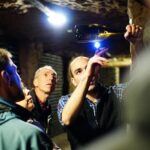
The cellar is the memorable part. It is carved directly into tuffeau, the soft limestone found throughout this part of the Loire. These caves are cool, quiet, and practical spaces for storing wine. They also help explain why the region has such a strong connection between geology, architecture, and winemaking.
You taste several Vouvray styles, including dry, semi-dry, and sparkling wines. Local cheese is served alongside them, and that pairing is more than a snack. Cheese helps you notice how acidity, sweetness, and texture change the way a wine tastes.
I would pay attention here to the differences between the wines rather than trying to pick a favorite immediately. If you normally drink only dry white wine, the semi-dry and sparkling examples may give you a better sense of why Vouvray is so varied.
Bourgueil: Cabernet Franc with a château picnic

The second estate is in the Bourgueil area, where Cabernet Franc is central to the local wine style. You tour the château grounds and vineyard before sitting down to lunch, so this stop has a broader feel than a simple tasting appointment.
The lunch is one of the strongest reasons to consider the tour. It is described as a three-course gourmet picnic built around a zero-kilometer approach, meaning the chef focuses on ingredients sourced close to the estate. You are not handed a packaged sandwich between visits. The meal is treated as a central part of the day.
Wine is served with the food, and the tasting includes sparkling, white, and red wines from different local terroirs. That wider selection makes this stop useful even if you came mainly for red wine. It also gives you a chance to see how the same meal changes with different wine styles.
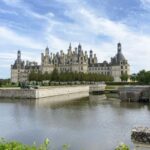
The setting is part of the pleasure. The picnic takes place at a château in a flowering meadow, according to the tour details. A reported stop for coffee at a produce farm, where visitors could buy local goods while geese wandered nearby, added an informal rural touch on at least one outing. You should treat that sort of extra stop as guide-dependent rather than a guaranteed part of every departure.
This is likely the longest seated break of the day, which helps. After the first cellar and tasting, a proper lunch gives you time to eat, talk, and reset before the afternoon wines.
The possible weakness is that a picnic, even a carefully prepared one, may not suit someone expecting a formal restaurant meal. The description points to high-quality local food, but the format remains picnic-style. If you prefer a long indoor restaurant lunch, this may feel casual.
Chinon: organic reds and a hand-carved cellar

The final estate is in the Chinon appellation area. Here the focus shifts to an organic vineyard and red wines, with charcuterie served during the tasting.
The cellar has a very personal story. The winemaker spent 30 years digging it by hand. That detail changes the way you experience the space. You are not simply looking at an old cave; you are seeing the result of decades of patient work tied directly to one producer.
The tasting centers on organic red wines, with local charcuterie on the side. Chinon is strongly associated with Cabernet Franc, and this stop provides a useful contrast with the earlier Vouvray whites and the Bourgueil wines.
You may also get a panoramic view of Chinon if the guide can fit it into the afternoon. One guide, Sophie, was specifically praised for adding that view to the day, but it should not be treated as a fixed stop. The confirmed elements are the organic vineyard, the unusual cellar, the red wine tasting, and the charcuterie.
By the third estate, your palate may be tired. I suggest using this tasting comparatively. Notice how the Chinon reds differ from the Bourgueil examples, and ask about soil, vineyard position, aging, and the effects of organic farming. That approach makes the final stop feel like the conclusion of a wine lesson rather than simply another set of glasses.
The guides are a major part of the experience

The tour is sold as an English-language experience with live guiding, but the quality of the day depends heavily on the person leading it. Sophie is the guide most strongly associated with the positive feedback. She was praised for her warmth, humor, wine knowledge, driving, and willingness to adjust the day.
Her small touches mattered. She brought out cheese in Vouvray and a small charcuterie board in Chinon, and she made an effort to accommodate the Chinon viewpoint. Those additions show why a good guide matters on a countryside tour. The schedule gives you the framework, but the guide determines how much personality and context you receive.
Other named guides include Louise and Aurélie, both described as helpful and informed. Vincent is mentioned as a tour manager who handled a pickup change and a date mistake with flexibility. If you are able to select a departure led by Sophie, that may be worth considering, particularly if you want a lively English-language explanation.
The guide is also your link between the estates. You will hear about local geography, terroir, vineyard methods, cellar construction, and wine styles while moving between stops. The commentary is intended to match your knowledge, so the tour can work for a curious beginner as well as someone with some wine experience.
A few more Tours France tours and experiences worth a look
What $330 buys you

At $330 per person, the price is high enough to deserve careful thought. You are paying for nine hours, transportation, three guided estate visits, up to 20 tastings, food pairings, bottled water, and a three-course lunch. The small group is important here. A maximum of eight people allows for a more personal day than a large coach tour.
You also avoid the cost and trouble of arranging a designated driver across three wine areas. The minivan connects places that are difficult to combine independently in one day. That convenience has real value, especially if you are staying in Tours without a car.
The lunch adds more value than a basic included meal would. It is a chef-prepared, locally sourced picnic with wine pairings, not merely a stop for refreshments. The cellar visits and vineyard walks also give the day substance beyond drinking.
But the price does not guarantee that every bottle will match your taste or expectations. One participant found the wine quality only average for the cost, even while enjoying the lunch and guide. You should not book this expecting a luxury collector’s tasting or famous château names. This is a regional education and food-focused outing, with access to smaller estates and local producers.
For many people, the value will depend on how much they would pay for a private-feeling day in the countryside. If three estate visits, local food, and a well-run route sound worth $330, the price is defensible. If your main goal is to buy prestigious bottles or taste rare vintages, you may want a more specialized wine experience.
Group size, transport, and practical comfort

The group is limited to eight participants, and the tour uses a comfortable, air-conditioned Mercedes van. That makes the route much easier than self-driving, especially once the tastings begin.
Bottled water is available in the minivan and during the wine visits. You should still wear comfortable shoes because the day includes vineyard walks, cellar floors, and estate grounds. No special equipment is listed.
The meeting point is outside the Tours Loire Valley Tourist Office, at the intersection of Boulevard Heurteloup and rue Bernard Palissy. Your guide waits outside the van and wears a jacket with the VinoLoire logo. That is useful in a busy city-center meeting area.
The tour is offered in English, and starting times vary by availability. Cancellation is free up to 24 hours before departure, and you can reserve while paying later. Those terms help if your Tours schedule is still shifting.
Who will enjoy this Loire wine day most

I would recommend this tour to you if you want a broad introduction to Loire wine without spending time planning rural transport. It is especially suitable for couples, small groups of friends, and curious wine drinkers who enjoy food, scenery, and conversation as much as the tasting itself.
It also suits beginners. You do not need to know the difference between dry and semi-dry Vouvray before arriving. The guide explains the basics and can add detail as your questions become more specific.
Experienced wine drinkers may enjoy the range of appellations and the organic Chinon estate, but should keep expectations in check. The focus is regional variety and access, not rare or elite bottles.
I would be cautious if you dislike long days, repeated tastings, informal outdoor meals, or walking through working cellars. I would also think twice if $330 feels steep unless you place a high value on the small group, the guide, and the convenience of a chauffeured route.
Should you book this Vouvray, Bourgueil, and Chinon tour?

Book it if you want one well-organized day that connects three different Loire wine areas with local food and hands-on cellar visits. The combination of Vouvray bubbles and whites, Bourgueil tasting and château picnic, and organic Chinon reds gives the day a clear shape.
If possible, check who is guiding your departure. Sophie seems to bring particular warmth and flexibility, while Louise and Aurélie have also led well-regarded outings. The guide can make the difference between a pleasant tasting schedule and a memorable day in the Loire countryside.
Skip it if your priority is famous labels, rare wines, or the lowest possible cost. At $330, you are buying access, transport, food, and expert time. For the right kind of wine lover, that is a fair exchange. For a bargain hunter, it may feel expensive.
FAQ
How long does the Loire Valley wine tour last?
The tour lasts nine hours and returns to the Tours meeting point at about 6:00 pm.
Where does the tour begin and end?
It begins and ends at the Tours Loire Valley Tourist Office, at the intersection of Boulevard Heurteloup and rue Bernard Palissy.
How many wine estates will I visit?
You will visit three wine estates, in the Vouvray, Bourgueil, and Chinon areas.
How many wines will I taste?
You may taste up to 20 local wines, including red, white, sparkling, dry, semi-dry, and organic wines.
Is lunch included?
Yes. A three-course gourmet picnic lunch is included, with locally sourced ingredients and paired wine tastings.
What food is served with the tastings?
Vouvray wines are paired with local cheeses, Bourgueil tastings accompany the picnic lunch, and Chinon organic reds are served with local charcuterie.
What language is the tour offered in?
The tour is conducted in English with a live guide.
How large is the group?
The group is limited to a maximum of eight participants.
What should I bring?
Bring comfortable shoes for the vineyard walks, estate grounds, and wine cellars. Bottled water is provided in the minivan and during tastings.