REVIEW · TOURS FRANCE
From Tours or Amboise: Loire Valley Wine Tour
Book on GetYourGuide →Operated by VinoLoire wine tours · Bookable on GetYourGuide
Wine lessons in Loire countryside beat a museum. This small-group Touraine tour is built for real learning while you taste, with a minimum of 10 wines and thoughtful pairings that actually teach your palate. The main catch: in 3–4 hours you’re tasting enough to feel like a mini-course, so go easy if you prefer slower, longer meals.
I like that you’re not stuck in one place. You’ll tour two different wine estates in the Touraine appellation area, first in a vineyard setting and then at a second stop that can include dramatic cellar environments like underground caves or a historic chateau backdrop. You’ll also get commentary shaped around your wine comfort level, with bilingual English/French guidance that keeps questions coming.
If your idea of a perfect wine day is pure wandering with no structure, this may feel a bit tightly timed. But if you want a guided “how it’s made, why it tastes this way, what to pair it with” afternoon, it’s a strong match.
In This Review
- Key things I’d circle before you book
- Tours or Amboise to Touraine: how the tour is actually structured
- Who this works best for
- Who might find it less ideal
- The Mercedes minivan ride: comfort, timing, and Loire scenery
- Practical note
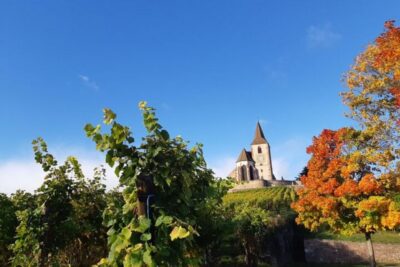
- Stop 1: the vineyard walk and Touraine tasting with charcuterie
- What you can learn from tasting across multiple grape types
- A small sanity tip
- Stop 2: a second estate perspective with a cheese board pairing
- Estate variety you may notice
- The tasting lineup: 10+ Touraine wines, grape variety, and why pairing matters
- Pairing is not just snacking
- Guides make or break it: bilingual storytelling that fits your level
- How to get more out of the guide
- Duration reality check: what you’ll feel after 3–4 hours
- The walking level
- Price and value: is $171 per person worth it?
- Tips for a smoother, better tasting afternoon
- Should you book the Loire Valley Wine Tour from Tours or Amboise?
Key things I’d circle before you book

- Small group up to 8 people means more back-and-forth and fewer rushed conversations.
- Minimum of 10 Touraine wines across white, red, and rosé so you can compare styles.
- Two estate visits for contrast: vineyard terroir first, then a second perspective on wine production.
- Pairings that teach (charcuterie with the first tasting, cheese board with the second).
- Bilingual guide in English/French who answers questions and adjusts the commentary to your level.
- Comfortable Mercedes minivan transfers plus Loire scenery from the windows between stops.
Tours or Amboise to Touraine: how the tour is actually structured

This tour is designed as a half-day loop that starts in either Tours or Amboise and focuses on one region: Touraine. That matters because it keeps the tastings coherent. You’re not hopping between random wine areas with totally different grape logic. Instead, you build a mental map of how Touraine works—its geography, winemaking approach, and why the wines fall into recognizable patterns.
The pacing is also intentional. You’ll leave the meeting point by minivan, spend time at the first estate for a vineyard tour and a tasting, then head to the second estate for another tasting with different pairings. Along the way, you’re riding comfortably in an air-conditioned Mercedes and watching the Loire area roll by through the windows.
You’re tasting a minimum of 10 wines, and the tour isn’t just about drinking. The format includes learning about terroir and the “art of winemaking,” so your tasting has context. You’ll see how the guide ties what’s happening in the vineyard to what lands in your glass.
You can also read our reviews of more wine tours in Tours France

Who this works best for
- First-timers who want confidence fast: you’ll learn the vocabulary and tasting cues without feeling lost.
- People who like guidance: the commentary is tailored to your wine knowledge.
- Groups of friends or couples who want a small-group day without planning transport or entry tickets.
Who might find it less ideal
If you’re the type who wants a long, slow lunch and a scenic walk without structured stops, a 3–4 hour format can feel a little compressed. It’s still a nice amount of time for two tastings, but it’s not a full-day food-and-wine festival.
The Mercedes minivan ride: comfort, timing, and Loire scenery

One underrated part of any wine tour is how you get between places. Here, the transfers are handled in a comfortable, air-conditioned Mercedes minivan, with bottled water along the way. That means you can spend the ride listening, looking out the window, and getting oriented instead of negotiating bus schedules or parking.
You also get small glimpses of the Loire area scenery from the windows while you travel between the two estates. It’s not “free time” wandering, but it does break up the day and keeps the mood relaxed.
Expect the tour to return around 5:30 pm to Tours or Amboise. For a half-day experience, that timing is convenient if you still want dinner plans afterward.
Practical note
Wear comfortable shoes. You’ll be walking in vineyard and estate environments, and you’ll enjoy it more if your feet aren’t fighting you.
Stop 1: the vineyard walk and Touraine tasting with charcuterie

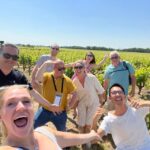
The first estate experience starts the day the way good wine education should: with the setting. Your guide leads you through the property and explains the geography, terroir, and the basics of how wine is made. Even if you already know a little, this kind of guided framing helps you taste with purpose instead of guessing.
Then comes the tasting. You’ll sample a selection of local whites, reds, and rosés from Touraine. The grapes listed for this experience include Chenin, Malbec, Cabernet, Gamay, Grolleau, and more, so you’re not just drinking one lane. That variety is useful because it forces comparison: you can notice how style shifts when grape character changes.
What makes this stop feel extra worth it is the pairing format. Your first tasting includes local charcuterie, which helps you learn how salt, fat, and spice interact with wine. It’s one thing to sip; it’s another to taste the same wine with food that belongs to the region.
What you can learn from tasting across multiple grape types
You’re getting a mini education in how grapes behave in this appellation. Chenin is often tied to crisp, aromatic whites; Cabernet and Malbec can bring darker-fruit depth; Gamay tends to show fruit-forward energy; Grolleau can add a different rosé or red personality depending on how it’s handled. Your guide’s job is to connect those usual grape traits to what you’re actually tasting today.
A small sanity tip
If you’re planning to buy bottles after, don’t commit too early. Taste a few wines, then ask your guide what pairs best with the kind of food you actually eat at home. That turns the experience into something you can use later, not just a fun afternoon.
Stop 2: a second estate perspective with a cheese board pairing

After the first tasting and vineyard time, you head to the second Touraine estate. This stop is where the tour gets more “compare and contrast,” because you’ll revisit the region through a different lens.
At the second estate, you’ll get another guided look at the winemaking world and a second tasting selection. This time, the pairing is a cheese board rather than charcuterie. That shift is smart: cheeses emphasize different textures and flavors—creamy, nutty, aged notes—so the wines have another stage to perform on.
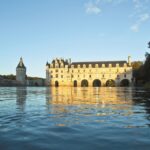
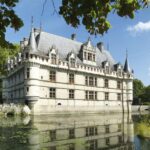
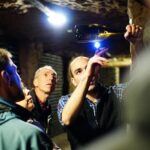
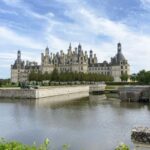
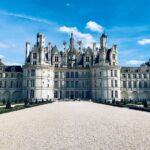
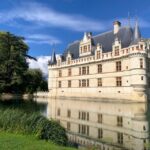
One of the most memorable parts of this second stop, based on past guide experiences, is the setting. At times, the tasting can happen in an underground cave environment dating to 1100, which means cool, steady conditions and a sense of time-warped winemaking. In other cases, one of the estates can be set in a mid-17th-century chateau style setting, adding visual grandeur to the wine education. You should treat these as examples of what the estates can be like, not a guarantee that every departure has the same exact architecture.
Either way, the second tasting is designed to deepen your understanding of Touraine wines. You’re not just repeating the first stop. You’re building a broader picture of how the region’s producers express their choices differently—again, through a tasting you can directly connect to terroir and process.
Estate variety you may notice
Because the tour visits two estates, you often get contrast in how wine is made and presented. Some departures can include a mix like a family-run vineyard style approach paired with a cooperative model experience. Even when you don’t know what those terms mean, the guide typically makes the differences feel practical, not academic.
The tasting lineup: 10+ Touraine wines, grape variety, and why pairing matters

This tour’s most praised element is the tasting itself: you’ll enjoy an extensive tasting with a minimum of 10 wines from Touraine. It’s not a “two glasses and done” situation. The goal is breadth enough that you can actually tell what you like and why.
You’ll taste across white, red, and rosé, and the grape list includes Chenin, Malbec, Cabernet, Gamay, and Grolleau. That range is your best shortcut to understanding Touraine as a region. You get to spot patterns: which wines feel crisp versus weighty, which are more fruit-forward versus structured, and which pair best with your preferred food flavors.
Pairing is not just snacking
The first tasting’s charcuterie and the second tasting’s cheese board are there for a reason. Food changes how you taste wine. Fat and salt can soften harsh edges. Acidity can cut through rich textures. Aging styles can shine when matched with the right cheese intensity. When your guide talks through the pairing logic, you stop thinking of wine as something you drink alone.
That’s also why the tour works well even if you’re not a wine geek. You’ll still get value: you’ll leave with better instincts for what to choose next time you’re staring at a wine list.
Guides make or break it: bilingual storytelling that fits your level

A big reason this tour earns such high marks is the guide experience. The tour is run with a qualified bilingual guide who speaks English and French, and the commentary is tailored to your wine knowledge.
In practice, that means you can ask questions and not feel like you’re interrupting. The guide can explain concepts clearly without drowning you in jargon, and if you’re more advanced, you can push for more detail on how producers handle vines, grapes, and the finished bottle.
Some guides have stood out for specific strengths. One guide, Simon, has been praised for friendly, high-quality English and for connecting topics like Chenin blanc to limestone caves and regional context. Emmanuel has been noted for explaining everything from vineyard to cave settings with clarity. Aurelie has been described as super friendly and deeply knowledgeable about Touraine wines, delivering that information in easy, polished English.
You won’t know which guide you’ll get until you join the tour, but the consistent promise is that you’re not stuck with canned explanations. You’re getting real answers.
How to get more out of the guide
- Tell the guide what you like: crisp whites, fruity reds, or dry rosé.
- Ask one “why” question at each estate: why this style here, why this pairing, why this structure.
- Listen for the pattern between the two stops, then name it to yourself. That’s how the region starts making sense.
Duration reality check: what you’ll feel after 3–4 hours

The timing is 3–4 hours total, and it’s compact in a good way. You’ll do two estate visits, two tastings, and the pairings in between. Because it’s small group (up to 8 people), the schedule usually doesn’t feel like a factory line.
That said, tasting a minimum of 10 wines plus food is active. If you’re sensitive to alcohol, plan to sip slowly and drink the bottled water provided. And if you’re driving yourself later, double-check local rules and be responsible.
The walking level
This is not an aggressive hike, but you should expect enough walking in vineyard and estate areas to benefit from comfortable shoes. If you have mobility limits, this is something you’d want to confirm before booking, since the data here only specifies shoes and doesn’t mention accessibility details.
Price and value: is $171 per person worth it?

At $171 per person for a 3–4 hour tour, the value comes from what’s included. You’re getting:
- Guided visits to two wine estates
- A vineyard tour at the first stop
- Minimum 10 wine tastings from Touraine (white, red, rosé)
- Regional pairings: charcuterie and a cheese board
- Transportation in a comfortable, air-conditioned Mercedes minivan
- Bottled water during the ride and tastings
You could book tastings at wineries on your own, but you’d still need transport between them, and you’d miss the benefit of having one guide connect terroir, winemaking, and food pairing in real time. This tour trades your planning time for a guided structure that’s built to help you understand the region quickly.
If you enjoy learning while tasting, this price is easier to justify. If your goal is mostly to drink and you don’t care about guidance or pairings, you may feel it’s more “educational” than you want. But for most people landing in Tours or Amboise with limited time, it’s a fair way to get quality access.
Tips for a smoother, better tasting afternoon

These are small things, but they matter:
- Take a few notes during the tasting. Even a quick ranking like 1–10 for your favorites helps later if you’re buying bottles.
- Taste in order, not randomly. If you jump around, you’ll miss how the wines evolve across styles.
- Use the pairing cues. If charcuterie makes a wine feel brighter, remember that for your next meal.
- Ask for guidance on what to remember. A good guide can help you reduce the chaos of multiple wines into a couple key takeaways.
- Wear comfortable shoes and dress for walking, since you’re moving through estate areas.
Should you book the Loire Valley Wine Tour from Tours or Amboise?
I’d book it if you want a small-group, guide-led way to understand Touraine without spending your day sorting logistics. The format hits the sweet spot: vineyard context, then tastings with food pairings that teach you what you’re tasting. The bilingual guide adds real value, and the two-estate contrast helps you leave with more than just a pleasant buzz.
I’d think twice if you want a long, free-form day with minimal tasting structure. This experience is built for guided stops and multiple wines, which means you’ll move through the afternoon at a set pace.
If you fit the first group, you’ll probably appreciate the balance here: education without the lecture, tastings without the chaos, and two different estate settings that make the region feel real.