REVIEW · BORDEAUX
Château Olivier: One Hour Vineyard Tour with Wine Tasting
Book on GetYourGuide →Operated by Château Olivier · Bookable on GetYourGuide
Who knew vineyards could teach wildlife lessons? I like how Château Olivier makes its winemaking story about biodiversity and real habitat, then caps it with a well-paced wine tasting of 2 reds and 2 whites. It’s a smart way to understand the Bordeaux region without getting stuck in classroom mode.
Two things I really enjoyed: first, the guided walk is centered on the estate’s environmental choices, not just grape talk. Second, the tasting is small and focused, so you can actually connect the flavors to what you learned. One consideration: this is not a full château visit, so don’t expect to tour the château interior.
In This Review
- Key highlights you’ll care about
- Château Olivier is a one-hour lesson in Bordeaux land management
- Entering Château Olivier: where the tour actually starts
- The vineyard walk: 220 hectares of wildlife habitat, explained in human terms
- Cultivated land map: 60 hectares across 13 soils and Bordeaux-style grapes
- HVE 3, ISO 140001, and organic conversion: what sustainability means on the ground
- Wine tasting: four wines, two reds and two whites, and how to taste with the tour
- When you might feel a little disappointed: château interior is not the focus
- Meeting your expectations: who this one-hour tour fits best
- Timing, weather, and the small rules that keep things smooth
- Price and value: why $23 makes sense for four wines plus a guided walk
- A quick logistics reality check: plan for how you’ll get there
- Should you book Château Olivier’s one-hour vineyard tour?
- FAQ
- How long is the Château Olivier tour?
- What’s included in the ticket price?
- How many wines will I taste?
- Which grapes are used for the red and white wines?
- Is the château interior part of the experience?
- Where do I meet the guide?
- Is the tour suitable for wheelchair users or people with mobility impairments?
Key highlights you’ll care about

- A vineyard-first tour focused on habitat and how the estate supports wildlife
- 4 wines in one hour: 2 reds (Merlot, Cabernet Sauvignon, Petit Verdot) and 2 whites (Sauvignon, Sémillon)
- Biodiversity at scale: 220 hectares of fauna and flora, with cultivated land across 13 soil types
- Sustainability credentials explained through HVE 3 and ISO 140001, plus organic conversion started in 2022
- Bordeaux about-to-became-wildlife: the tour connects vineyard management to environmental protection
Château Olivier is a one-hour lesson in Bordeaux land management

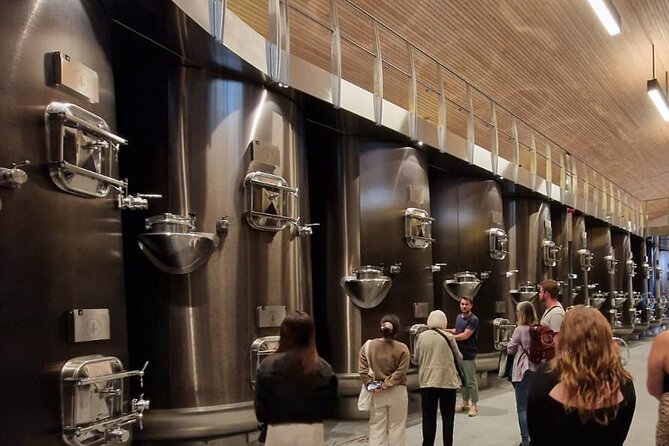
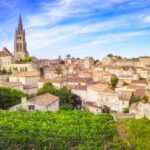
This is the kind of tour I like when you want Bordeaux flavor plus something practical and grounded. Château Olivier sits about 11 kilometers from Bordeaux, but the experience feels more like a working estate with living nature than a theme park. You get a guided look at the vineyard, then you taste the results with a structured tasting of four wines.
The setting is tied to a big claim: the estate is treated as a nature reserve for its fauna and flora. On this tour, you’re not just told that the vineyard is “green.” You’re shown how the property is managed with environmental protection in mind.
And the timing matters. At one hour, you’re not stuck waiting around or losing focus. You still get the core pieces: vineyard walk, estate philosophy, grape context, then a tasting that ties it all together.
You can also read our reviews of more food & drink experiences in Bordeaux
Entering Château Olivier: where the tour actually starts

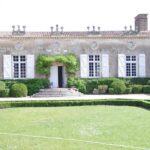
Your visit begins at the reception area. Enter the driveway, follow the signs, and look for the entrance in the building opposite the visitor parking lot. That simple setup helps, because you’re not wandering around guessing where the group meets.
A few on-site rules matter for comfort and flow: no smoking, no littering, and pets aren’t allowed (assistance dogs are fine). Photography is allowed, which is great because the vineyard walk gives you plenty of chances to capture the environment and grape-growing landscape.
Come with comfortable walking shoes. The tour includes walking on the grounds, and one guide-led experience is only as good as how steady your footing is when the path gets uneven.
Also note the language options: the tour runs in French and English. If you want English, check the available language when you book.
The vineyard walk: 220 hectares of wildlife habitat, explained in human terms

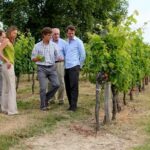
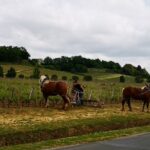
The heart of this tour is the estate’s focus on the environment and wildlife. Château Olivier covers 220 hectares of rich and diverse fauna and flora, and the guiding idea is protection of that living system alongside wine production.
Here’s what I like about the way this is presented to you: the biodiversity part isn’t a vague poster on a wall. You’re shown how the estate frames itself as a protected nature area, and you hear how vineyard practices connect to conservation.
You’ll also learn about the De Bethmann family, who have owned the estate for 138 years. That kind of long ownership matters because it changes the tone. Instead of “look at our latest marketing,” the story becomes “we’ve managed this place over generations,” and you hear how the environment has influenced those decisions.
Even if you’re not a bird-and-insect person, this section helps you understand why vineyards don’t operate like sealed, sterile factories. You’re seeing a working farm that still makes room for wildlife.
Cultivated land map: 60 hectares across 13 soils and Bordeaux-style grapes
Not all of Château Olivier is cultivated. The tour focuses on the cultivated area—about 60 hectares—with 52 hectares planted in red and 8 hectares in white. What makes this interesting for wine lovers is the detail: the vineyards are spread across 13 different soils.
That’s a useful detail because soil is one of the main reasons two wines from the same grape can taste different. The tour gives you that context without getting overly technical. You hear which soils and planting choices matter, and then the wine tasting ties it back to what’s in your glass.
You’ll also get a quick rundown of the grape varieties the estate uses, and this is where the tour becomes satisfying. Red wines are made from classic Bordeaux varieties: Merlot, Cabernet Sauvignon, and Petit Verdot. White wines come from Sauvignon and Sémillon.
If you’ve visited Bordeaux before, you’ll recognize the lineup immediately. If you haven’t, it helps you decode the region fast: this is Bordeaux in grape form, then Bordeaux in conservation form.
HVE 3, ISO 140001, and organic conversion: what sustainability means on the ground
Sustainability talk can turn into empty slogans. Here, it’s more practical. Château Olivier is associated with HVE 3 and ISO 140001 certification, and it also mentions organic conversion that started in 2022.
For you, the value of this section is clarity. You learn that environmental protection isn’t just an attitude—it’s part of how the vineyard is operated and monitored. HVE 3 and ISO 140001 are names you may not remember perfectly after the tour, but you’ll remember the idea: the estate is measuring and managing its impact.
The organic conversion part is also important. The vineyard notes that the organic conversion was naturally imposed in 2022, which frames it as a logical next step rather than a sudden branding move.
And here’s the best part: these aren’t separate topics. The guide connects environmental protection to the biodiversity and wildlife focus you’ve already been hearing about. That connection makes the whole experience feel coherent, not like random facts.
You can also read our reviews of more wine tours in Bordeaux

Wine tasting: four wines, two reds and two whites, and how to taste with the tour

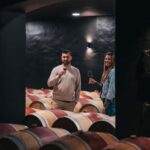
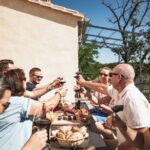
After the walk and explanations, you’ll move into the wine tasting session. You’ll taste 2 red and 2 white wines. The lineup is designed to match the Bordeaux varietals you learned earlier: reds from Merlot, Cabernet Sauvignon, and Petit Verdot, and whites from Sauvignon and Sémillon.
I like that the tasting is included in the one-hour format. You’re not separated by hours of time, and you’re less likely to forget the vineyard context before you taste. It also means the guide can point out flavor characteristics that connect back to the environment and grape choices.
Practical tip for getting more out of the tasting: take a quick sniff, then ask yourself what stands out—fruit, spice, freshness, weight. Then listen to the guide’s explanation. With Bordeaux-style blends and regional whites, small differences can be noticeable if you’re paying attention early.
If you’re the type who usually tastes and moves on, this tour helps you slow down enough to make the experience stick.
When you might feel a little disappointed: château interior is not the focus
One drawback to keep in mind: this tour doesn’t center on touring the château interior. Some visitors are excited to see the château itself, and if that’s your main goal, you could end up feeling like the experience is mostly outside.
That said, I’d frame it this way: the tradeoff is you get more time devoted to the vineyard, the environment, and the wine connection. If you love views, walking, and learning how the estate operates, that tradeoff works in your favor.
Meeting your expectations: who this one-hour tour fits best

This is a great match if you want a guided Bordeaux experience that doesn’t drag. It works well for:
- Wine beginners who want a clear route through grapes, soils, and taste
- Bordeaux regulars who want something different beyond the usual city-and-chateau circuit
- Nature-minded travelers who like learning how farming and wildlife can coexist
It’s not a good fit if you have mobility challenges. The tour is not suitable for people with mobility impairments or wheelchair users, and it’s also not suitable for hearing-impaired people. If that applies to you, it’s worth choosing a different activity where accessibility is better supported.
Timing, weather, and the small rules that keep things smooth
Because the tour lasts 1 hour, you’ll want to show up ready to walk. Check the weather conditions before your visit and dress for comfort. Comfortable shoes are the main gear upgrade you can make here.
Photography is allowed, so if you like vineyard photos, you should have plenty of chances. Just keep it respectful and follow the on-site behavior rules—no smoking, no littering, and no pets.
Also, bring an eye for details. The estate’s whole pitch is that the vineyard environment matters. If you walk in thinking only about wine names, you’ll still leave with a tasting. If you walk in ready to notice the living habitat theme, you’ll leave with a deeper sense of why the wines taste the way they do.
Price and value: why $23 makes sense for four wines plus a guided walk
At about $23 per person, this tour lands in the “reasonable for a guided, wine-included experience” category. You’re getting:
- A guided tour of the vineyard
- A tasting session with four wines
- Time spent on biodiversity and the estate’s conservation approach
- Explanation of organic conversion processes
Where value really shows up is in the structure. Many wine tastings either focus only on sipping, or they focus only on touring. Here, you get both in one tight hour, which helps you connect the dots quickly.
It’s also close enough to Bordeaux that you can realistically fit it into a day without building your entire schedule around it—especially if you’re already spending time in the Bordeaux area.
A quick logistics reality check: plan for how you’ll get there
You’ll need transportation to and from Château Olivier. The tour information doesn’t include transfers, and that’s something to think about before you book.
One practical note I’d take seriously: a visitor asked for help with getting to the site from a nearby bus stop area, and they described the walk as long. That doesn’t mean everyone will have the same experience, but it does suggest you should plan your arrival with comfort in mind. If you’re relying on public transport, build in extra time.
Should you book Château Olivier’s one-hour vineyard tour?
I think you should book this tour if you want a short, guided Bordeaux experience that blends wine with environmental thinking. The big wins for me are the biodiversity focus and the tasting structure—2 reds plus 2 whites—all wrapped into a one-hour format that stays coherent.
Skip it if your top priority is touring château rooms and interiors. This experience is about the vineyard estate and what’s growing around it, not a full indoor architectural visit.
If you’re choosing between doing another long countryside excursion and a fast, focused stop near Bordeaux, Château Olivier is the kind of booking that feels efficient without feeling rushed.
FAQ
How long is the Château Olivier tour?
The tour lasts 1 hour, including the guided vineyard portion and the wine tasting.
What’s included in the ticket price?
Your ticket includes a guided tour, a wine tasting session, exploration of the vineyard’s biodiversity, and insight into the organic conversion process.
How many wines will I taste?
You’ll taste 4 wines total: 2 red wines and 2 white wines.
Which grapes are used for the red and white wines?
Red wines use Merlot, Cabernet Sauvignon, and Petit Verdot. White wines use Sauvignon and Sémillon.
Is the château interior part of the experience?
This tour is focused on the vineyard and tasting. You should not expect an interior château visit.
Where do I meet the guide?
Enter the driveway and follow the signs to the reception area. The entrance is in the building opposite the visitor parking lot.
Is the tour suitable for wheelchair users or people with mobility impairments?
No. The tour is not suitable for people with mobility impairments or wheelchair users, and it is also not suitable for hearing-impaired people.