REVIEW · CHAMPAGNE
Champagne: Canard-Duchêne Champagne House Tour
Book on GetYourGuide →Operated by Champagne Canard-Duchêne · Bookable on GetYourGuide
Canard-Duchêne’s best surprise is below your feet. You descend into 19th-century cellars cut 40 to 60 feet underground, where nearly four miles of passages stretch across four levels. The cool, quiet setting makes champagne production feel less like a factory process and more like a slow craft shaped by time, temperature, and patient storage.
I like the way this tour combines cellar architecture and vineyard life in a single hour. I also like the choice of tastings, from a simple brut or demi-sec to Cuvée Léonie Brut and Rosé, Cuvée Bio P181, or Cuvée Charles VII. The main catch is physical: you must manage 130 steps each way, there is no elevator, and the cellars stay at a chilly 50°F.
In This Review
- Key points to know before you book
- Why Canard-Duchêne’s cellars are the main event
- Following champagne from grape to bottle
- Walking through the vineyards
- The old chapel and Simon-Marq stained glass
- Choosing the right champagne tasting
- Is $25 good value for one hour?
- Who will enjoy this visit most?
- Useful planning tips for the day
- Should you book the Canard-Duchêne tour?
- FAQ
- How long does the Canard-Duchêne Champagne House tour last?
- How much does the tour cost?
- What languages are available?
- How many steps are in the cellar visit?
- Is there an elevator to the cellars?
- How cold are the wine cellars?
- What tasting choices are available?
- Is lunch included?
- Can I cancel the booking?
Key points to know before you book
- Four levels underground: Walk through hand-carved cellars that reach nearly four miles in total.
- A real vineyard visit: You do not stay indoors. The guided walk shows where the champagne grapes are grown.
- A restored chapel window: The old chapel features stained glass renovated by the Simon-Marq workshop.
- Several tasting choices: Select one or two glasses, depending on the Decouverte, Liberté, or Charles VII option.
- A compact one-hour visit: This suits a short stop, but the schedule leaves little time for lingering.
- Steep access: Expect 130 steps down and 130 steps back up, with no lift and limited suitability for people with mobility problems.
Why Canard-Duchêne’s cellars are the main event
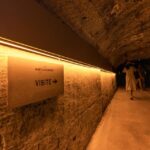
The cellar visit gives you the clearest sense of what makes this house different from a quick tasting counter. You walk down into a network of passages that reaches almost four miles across four levels. The cellars sit 40 to 60 feet below the surface, far from the sun and daily temperature swings.
That underground setting is not just old-fashioned scenery. Your guide explains how stable temperature and humidity help champagne mature. The cellar’s maximum temperature is 50°F, so bring a warm layer even if the day above ground is mild.
I enjoy tours like this because the surroundings explain the product. You are not simply told that champagne needs time. You see the place where that time is spent. The low temperature, dark corridors, and hand-carved 19th-century details all help you understand why bottle storage is such a central part of production.
The cellar passages also give the visit a strong sense of place. You will see the architecture and atmosphere of the underground rooms rather than only modern equipment. Since the route covers several levels, listen closely as the guide links each part of the visit to the wider process of making and maturing champagne.
The steps are the clear tradeoff. The tour requires 130 steps each way, and there is no elevator access. That makes this a poor choice for anyone with mobility impairments, and the stated guidance also says it is not suitable for people over 70. If you are unsure about the stairs, ask before booking rather than discovering the problem at the cellar entrance.
You can also read our reviews of more wine tours in Champagne


Following champagne from grape to bottle
The guide covers the main stages of champagne production while you tour the house facilities. The value here is not in memorizing every technical term. It is in seeing how the grapes from the vineyard become the bottle you taste at the end.
You will hear about the conditions that help the wine reach maturity and about the underground atmosphere that contributes to flavor and complexity. The explanation connects the physical cellar to the character of the finished champagne.
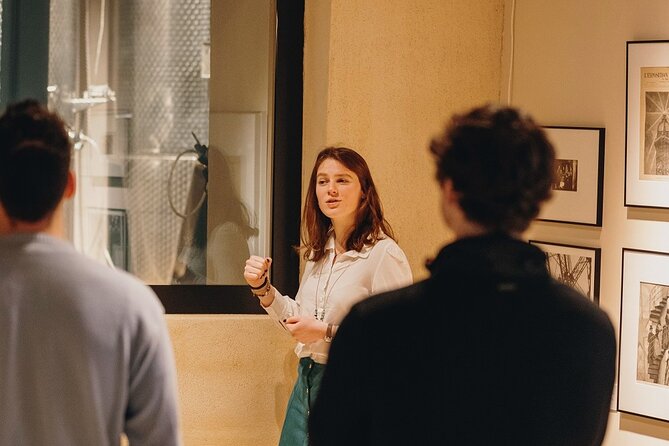
The tour is led in English or French. No guide names are provided, so you should expect a rotating house guide rather than a visit built around a particular specialist. The guide’s role is central, though. A friendly, clear presentation matters in a one-hour tour because there is no spare time for a slow start.
The visit has been described as complete and informative, which fits the format. You get the production story, the cellar walk, vineyard access, architecture, and a tasting without committing half a day. The drawback is that each part receives only a short share of the hour. If you want a detailed lesson on dosage, blending, or bottle aging, choose a longer champagne class instead.
Walking through the vineyards
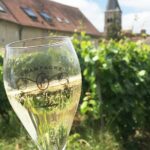
The vineyard portion brings the champagne story back into the open air. You stroll through the rows where the grapes are grown and receive a guided explanation of vineyard work. This matters because the cellar can make champagne production seem like an underground operation, while the vineyard reminds you that the process begins with farming.
The vineyard walk is likely to be simple rather than strenuous. The supplied details do not promise a long hike, seasonal views, or a particular grape variety, so you should treat it as a short educational stroll, not a full countryside trek.
I like having this outdoor section included because it adds balance. You see both ends of the process: grapes growing in the soil and bottles resting in cool darkness. If you are comparing this with a city tasting in Reims, the vineyard access gives you a more grounded look at the region.
Wear comfortable clothes and shoes. Warm clothing is essential for the cellar, while practical clothing will serve you well outdoors. Arrive 15 minutes before the start, since a one-hour visit leaves little room for a late arrival.
The old chapel and Simon-Marq stained glass
Canard-Duchêne offers more than production rooms and bottles. The house’s renovated old chapel includes a restored stained glass window completed by the Simon-Marq workshop, a respected master glassmaking name in the region.
This is a small part of the tour, but it gives the property character. The chapel adds art and architecture to a visit that could otherwise focus only on tanks, bottles, and cellar walls. Pause here instead of rushing toward the tasting room.
The chapel is especially useful for visitors who want more than a technical winery tour. It gives your guide a chance to explain the house’s past through a visible piece of its buildings. The tour information does not specify the full chapel history or how long you stop there, so expect a brief viewing rather than a separate architectural tour.
Still, these little details often shape your memory of a place. A restored window can tell you as much about care and craftsmanship as a production diagram.
Choosing the right champagne tasting
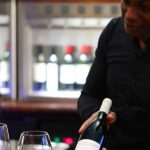
Your tasting depends on the option you select. The simplest choice is the Decouverte option, which includes one glass of brut or demi-sec. It is the most straightforward pick if you mainly want to sample the house style after the cellar visit.
The Liberté option offers a broader comparison. You taste Cuvée Léonie Brut and Cuvée Léonie Rosé, or Cuvée Bio P181, according to the option available when you book. This choice makes more sense if you want to compare styles rather than take a single sip at the end.
The Charles VII option includes a taste of Cuvée Charles VII. Select it if that named cuvée is the bottle you most want to investigate.
The supplied details specify one or two glasses depending on the option selected. Check the exact choice during booking so you know what is included. Lunch is not included, and the tasting is not presented as a meal. Bring your expectations down to a focused champagne sample, not a food pairing session.
One small practical point: there is no stated biscuit or toast accompaniment. If you prefer a bite with champagne, plan accordingly rather than expecting a snack. That may seem minor, but a dry cellar walk followed by alcohol can feel better with food later in the day.




Is $25 good value for one hour?
At $25 per person, this is a fair price for a guided cellar and vineyard visit with champagne included. You are paying for access to a substantial underground network, a live explanation of production, a look at the chapel, and one or two glasses.
The value depends on what you want from Champagne. If your aim is a quick, well-rounded introduction, the price works well. You get more than a tasting room appointment because the visit includes the physical places behind the wine.
If you want several producers, a long vineyard drive, lunch, or an advanced tasting lesson, $25 will not buy that. You would need to compare it with a half-day tour from Reims or Epernay, where transportation and multiple tastings may be included at a much higher cost.
The one-hour length is both a strength and a limit. It fits neatly into a day of sightseeing and works well as a first stop. It also means the tour cannot spend much time on questions. If you are passionate about champagne, use the tasting to ask focused questions and consider a longer class elsewhere for deeper study.
The house offers reserve now and pay later booking, which helps if your Champagne plans are still shifting. Free cancellation is available up to 24 hours before the activity for a full refund. These terms add useful flexibility, but the main decision should still be the stairs and the cellar temperature.
Who will enjoy this visit most?
I would recommend Canard-Duchêne to you if you want a short, well-rounded introduction to champagne production. It suits first-time visitors who want to see cellars, vineyards, architecture, and a tasting without spending a full morning or afternoon on one property.
It is also a good fit for visitors who enjoy atmosphere. The hand-carved passages and restored chapel window give the tour more personality than a plain industrial walk-through. You can expect the guide to explain both the house’s story and the practical steps behind the wine.
This is less suitable for people who dislike stairs, cold rooms, or compact schedules. The 130-step descent and return are not minor details. Anyone with a mobility impairment should choose another activity, and the stated restrictions say the tour is not suitable for people over 70.
Families and mixed-age groups should think about the physical demands before booking. The supplied information does not give a child age policy, group size, or exact starting times, so check availability and house rules for your date.
Useful planning tips for the day
Wear warm clothing. Fifty degrees Fahrenheit may sound mild, but the cellar can feel colder after several minutes underground. A sweater or light jacket is a sensible choice even in summer.
Choose comfortable clothes and shoes for both the stairs and the vineyard walk. You will not need special gear, but this is not the place for footwear that makes 260 total steps unpleasant.
Arrive 15 minutes early. The tour lasts only one hour, so arriving at the meeting point just before the start can create unnecessary stress. The exact starting time depends on availability, so confirm it when selecting your date.
Plan lunch separately. Lunch is not included, and no food accompaniment is promised with the tasting. The visit can fit neatly before or after a meal, but do not treat the champagne glasses as a substitute for one.
Allow time for the shop only if you enjoy browsing without a large selection. The house shop has been described as offering limited choice, so it may not be the place for an extensive souvenir hunt. Buy a bottle there if you find what you want, but keep your expectations modest.
The tour is offered in English and French. Select the language that lets you ask questions comfortably, since the guide’s explanation is the main way you connect the cellar, vineyard, and tasting.
Should you book the Canard-Duchêne tour?
Book it if you want an affordable one-hour introduction with real cellar access, a short vineyard walk, and a choice of champagne tasting. The underground passages, cool aging conditions, and Simon-Marq chapel window give the visit enough variety to feel worthwhile.
Skip it if stairs are a concern, if you want lunch included, or if you are looking for a long technical masterclass. For most physically able visitors with a free hour in Grand Est, $25 is a sensible way to see how the wine is made and taste the result in the same place.
FAQ
How long does the Canard-Duchêne Champagne House tour last?
The guided visit lasts one hour.
How much does the tour cost?
The listed price is $25 per person.
What languages are available?
The live guide provides the tour in English or French.
How many steps are in the cellar visit?
You climb down 130 steps to enter the cellars and climb 130 steps back up afterward.
Is there an elevator to the cellars?
No. The cellars have no elevator access.
How cold are the wine cellars?
The maximum cellar temperature is 50°F. Warm clothing is recommended.
What tasting choices are available?
The Decouverte option includes a brut or demi-sec. The Liberté option includes Cuvée Léonie Brut and Cuvée Léonie Rosé or Cuvée Bio P181. The Charles VII option includes Cuvée Charles VII.
Is lunch included?
No. Lunch is not included in the tour.
Can I cancel the booking?
You can cancel up to 24 hours before the activity for a full refund. Reserve now and pay later booking is also available.