REVIEW · CHAMPAGNE
Epernay: Guided Tour of Champagne Cellar with Tastings
Book on GetYourGuide →Operated by Champagne Vollereaux · Bookable on GetYourGuide
Chiller than you expect, that cellar tour is the point. At Champagne Vollereaux in the Marne Valley, you get a guided walk through the historic cellars and the working production side of the house, plus a 3-champagne tasting to connect the story to what’s in your glass. You’re also stepping into a family operation with real continuity: the Vollereaux house was founded in 1805, and today the 6th generation keeps it running.
What I like most is how the experience stays personal, with enough time to ask questions and get clear explanations of the Champagne-making process. And the other win is the tasting setup: it’s not just sip-and-go—it’s built as the finish line after the cellar tour, so you can put details to flavor fast. One thing to plan for: the cellar is cold, around 10°C, so wear a sweater or vest even in warmer weather.
In This Review
- 5 Things That Make the Vollereaux Cellar Tour Worth Your Time
- Champagne Vollereaux in Epernay: What This Tour Really Feels Like
- The Meeting Point in Epernay: Easy to Find, Short on Fuss
- Stop 1: Your 40-Minute Guided Tour Through the Cellars
- What you’re likely to see and why it matters
- A useful cold-weather tip
- Stop 2: The 20-Minute Tasting of 3 Champagnes
- Why tasting three is better than tasting one
- What the tasting experience feels like in practice
- Guides You’ll Actually Remember: Friendly, Clear, and Up for Questions
- Price and Value: What $20 Buys You in Epernay
- Who Should Book This Tour (and Who Might Skip It)
- A Quick Note on One Common Friction Point
- Should You Book the Champagne Vollereaux Cellar Tour?
- FAQ
- How long is the Champagne Vollereaux guided tour with tastings?
- What’s included in the ticket price?
- Do they offer the tour in English?
- How cold is the cellar, and what should I wear?
- Is the tour wheelchair accessible?
- Are pets allowed on the tour?
5 Things That Make the Vollereaux Cellar Tour Worth Your Time
- Historic cellars, with context: you learn what the house does and why, starting from their roots in 1805.
- A focused 40-minute guided route: you’re not stuck wandering. The tour has structure and pacing.
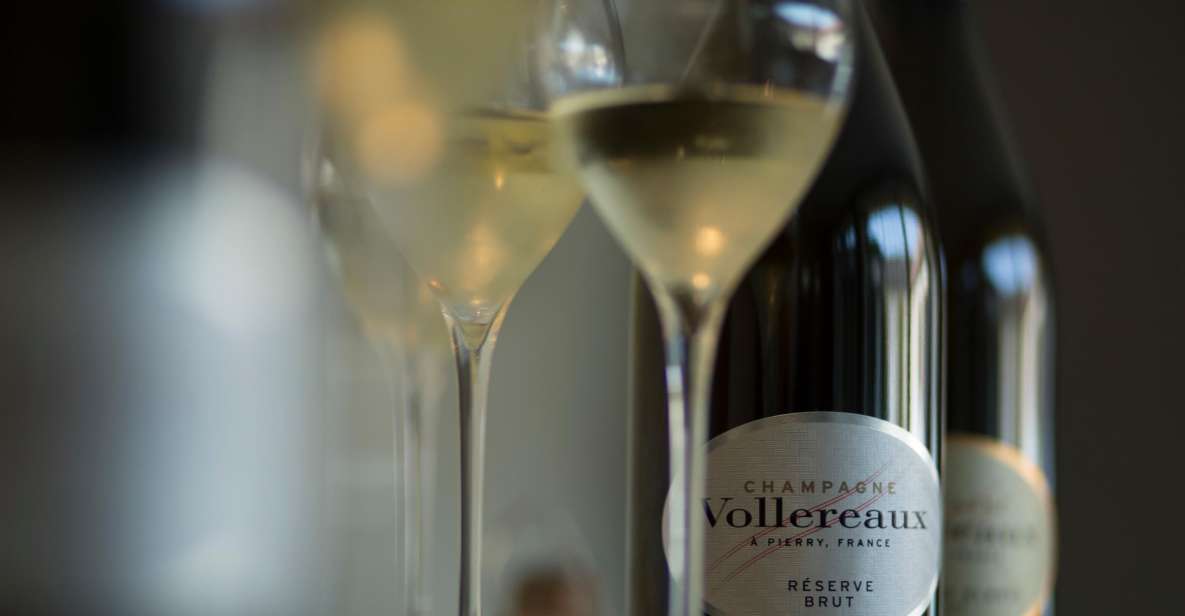
- 3 different champagnes, explained: you taste multiple styles so you can compare what changes in the process.
- Family-run, 6th-generation management: a 200-year legacy isn’t just marketing here—it shapes the vibe.
- Cold but manageable: the cellar runs about 10°C, and the tour makes it easy to dress for it.
Champagne Vollereaux in Epernay: What This Tour Really Feels Like
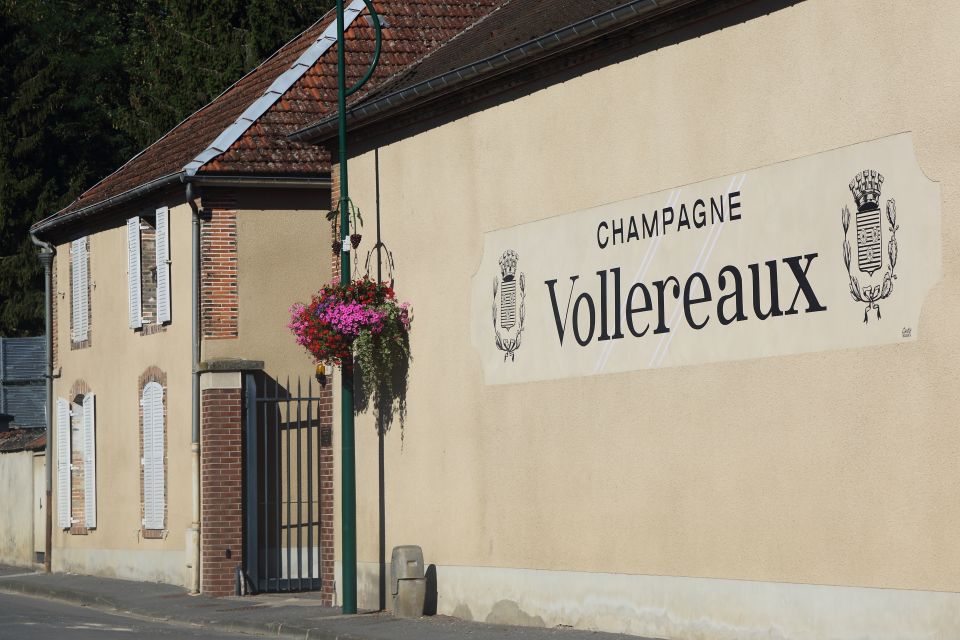
Epernay is full of Champagne houses, but this one has a different rhythm. Champagne Vollereaux is a working house in the Marne Valley, covering more than 100 acres across 13 villages in the Coteaux Sud d’Epernay area. That matters because Champagne isn’t only a cellar product—it’s vineyards, time, and consistent process.
On this tour, you get a clear “story arc.” First you see where Champagne matures and how the house works day to day. Then you taste three champagnes at the end, so you can connect the steps you just heard about to the glass in your hand. It’s simple, but it works.
The other big feel-good factor is size. Many visitors talk about the tour feeling personal, with small groups (often around a dozen or fewer). That usually means you can actually ask questions and get answers without the tour guide shouting over a crowd.
You can also read our reviews of more tours and experiences in Champagne.


The Meeting Point in Epernay: Easy to Find, Short on Fuss
The meeting point can vary depending on the option you book, but the address shown is 48 Rue Léon Bourgeois. I’d treat the location as your anchor and double-check your confirmation details before you head out—Epernay logistics are straightforward, but tours sometimes use different entrance points.
Plan to arrive a few minutes early. The whole experience is about one hour, split between the guided cellar visit and the tasting, so there’s no “extra time buffer” built in.
Stop 1: Your 40-Minute Guided Tour Through the Cellars
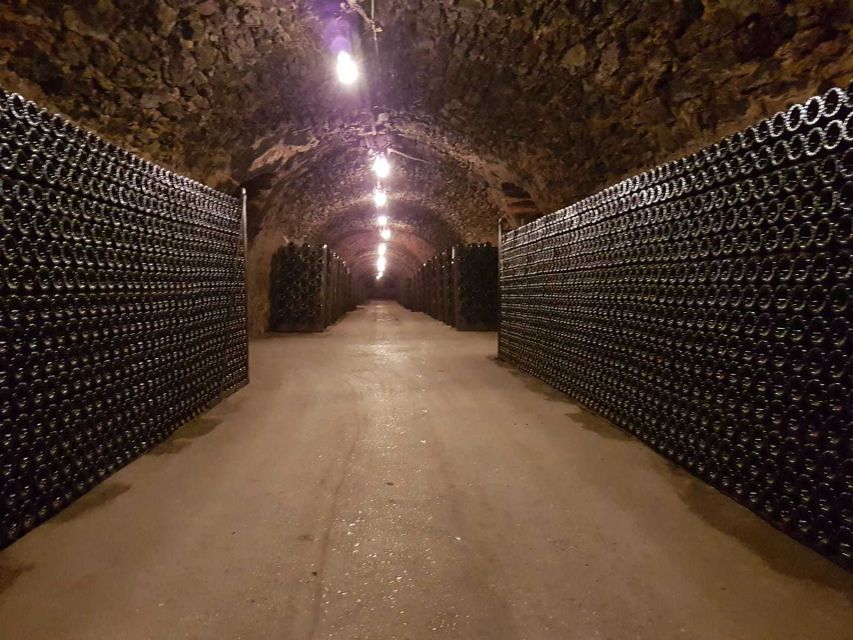
This is the core of the experience. You’ll start with a guided visit (about 40 minutes) inside the cellar areas, where the house history and the Champagne-making process get explained in plain language.
You’re told how Vollereaux was founded in 1805, then shown how the house evolved into something much larger in footprint—over 100 acres, across 13 villages tied to the Coteaux Sud d’Epernay designation. That’s a lot of vineyard ground, but the tour brings it back to what you can actually see and understand: storage, aging, and the logic behind the Champagne method.
What you’re likely to see and why it matters
Even if your background is limited, you won’t feel lost. The tour is designed to connect the “how” to the “why,” and that’s where it turns into more than sightseeing.
Based on feedback from multiple guides and recent visitor experiences, you may get to see production-stage details such as:
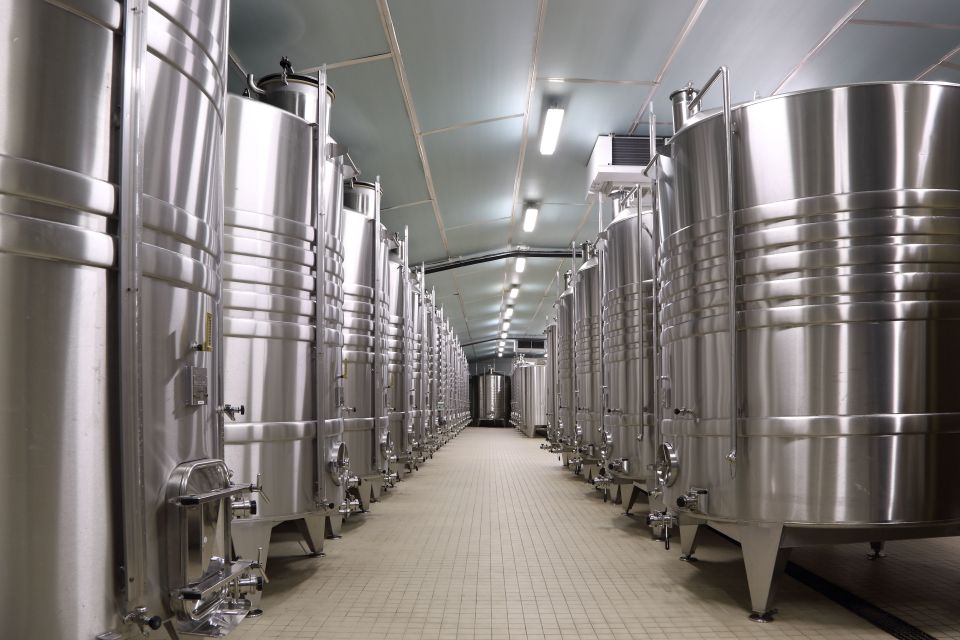
- early processing steps linked to making base wine,
- mechanical parts used for aging workflows (including riddling-related equipment),
- and industrial steps involved in handling bottles like washing and labeling.
Not every house tour gives you this kind of production proximity. Here, it’s part of what visitors praise: you get both the cellar atmosphere and practical production context, so you leave understanding what’s happening behind the scenes.
A useful cold-weather tip
This cellar is chilly—about 10°C—so dress like you’re going into a cool basement. A vest or sweater is specifically recommended. If you run hot, fine. If you don’t, you’ll want layers so you stay comfortable through the full walk.
You can also read our reviews of more wine tours in Champagne


Stop 2: The 20-Minute Tasting of 3 Champagnes
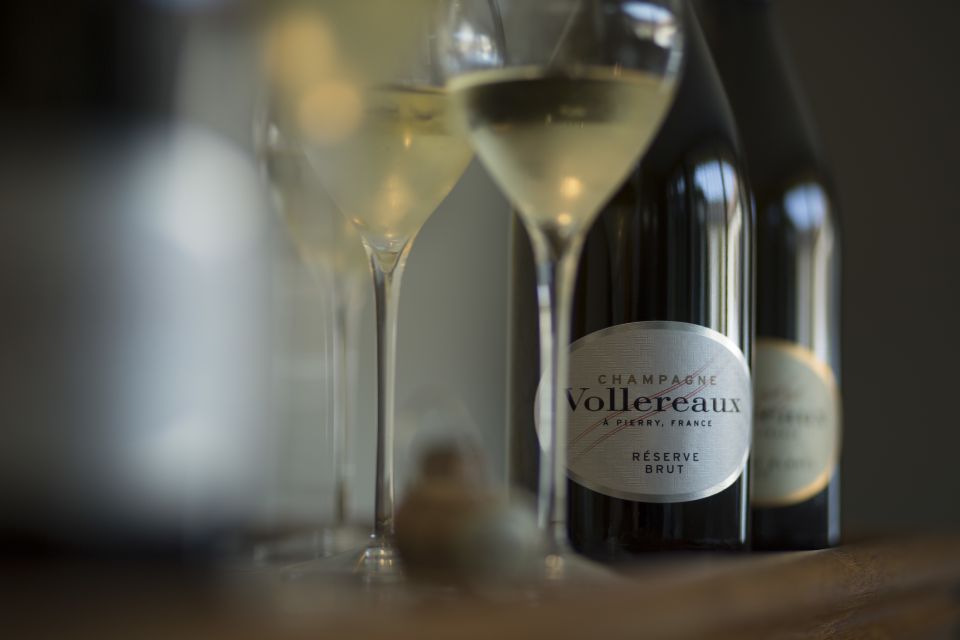
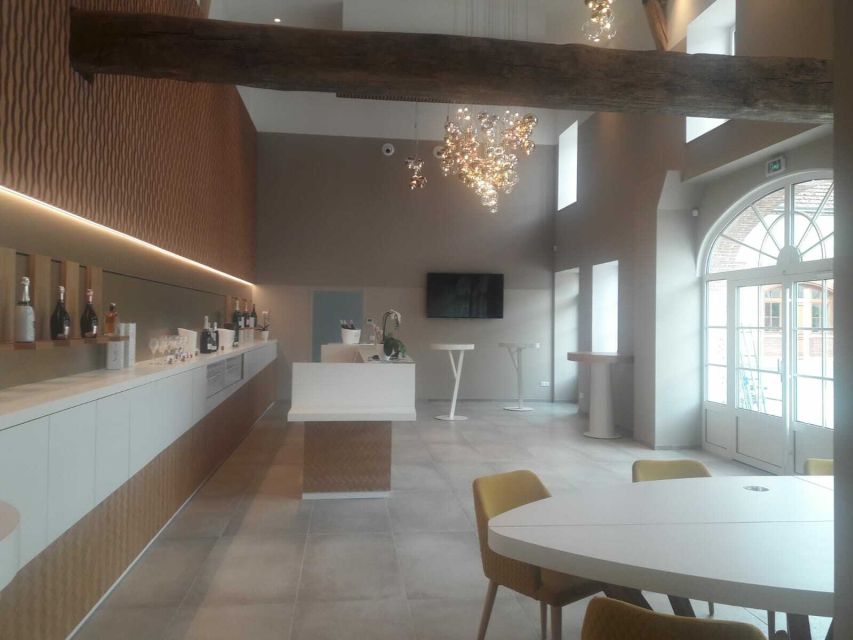
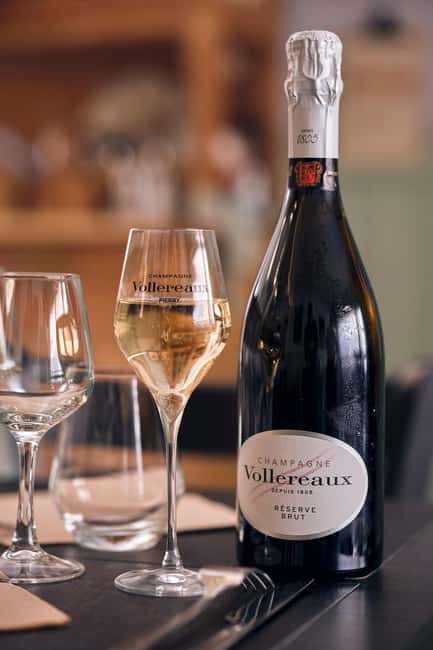
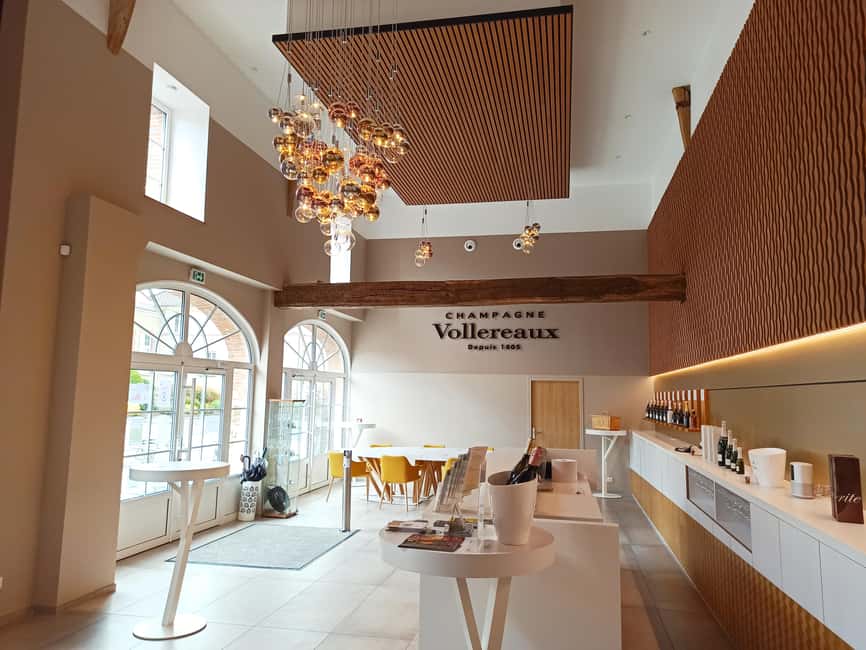
After the cellar tour, the pacing changes. The tasting portion is about 20 minutes, and it’s served in their boutique or bar area. This is where you compare flavors you just learned about, instead of tasting randomly.
Why tasting three is better than tasting one
A single glass can be nice, but three glasses lets you pick up patterns:
- how different styles taste even when they’re from the same house,
- how acidity, bubbles, and texture can shift,
- and how the house’s approach shows up in the glass.
You’re not just passively sipping. The guide format encourages questions, and visitors often highlight that the guide explains what you’re drinking and why those differences matter.
What the tasting experience feels like in practice
Many people describe the tasting as generous for the time and price, and they also note there’s not a pushy hard-sell vibe. That’s important. Champagne tours can sometimes feel like sales presentations wearing a hard-hat. Here, the tasting is treated as the educational finish.
You’ll typically have enough time to taste, talk, and form opinions before the tour wraps.
Guides You’ll Actually Remember: Friendly, Clear, and Up for Questions
One of the strongest repeated themes is how approachable the tour guide experience is. People mention guides who speak both English and French and who explain the Champagne method step by step.
Some guide names that come up in feedback include Antoine and Aurore. Different guides, same goal: make the process understandable and answer questions without making you feel rushed.
If you enjoy asking “why” questions—like why certain steps take time or how the method influences flavor—this tour is built for you. That small-group size helps with that.
Price and Value: What $20 Buys You in Epernay
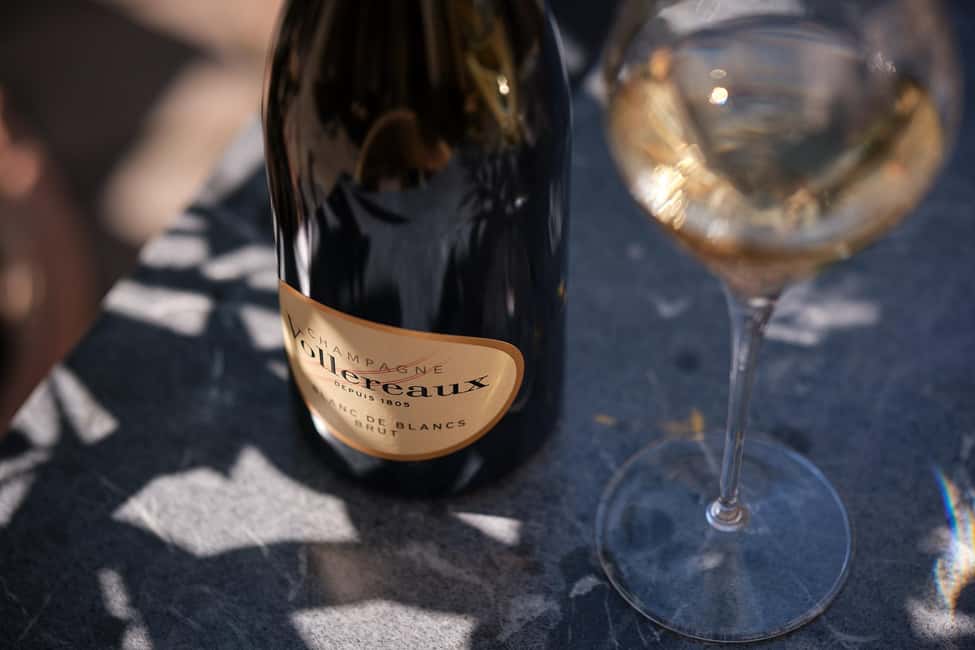
At about $20 per person and a total duration of 1 hour, you’re getting two things that cost extra time and money if you do them separately: a guided cellar visit plus a tasting of three champagnes.
Here’s how I think about the value:
- The cellar tour is the education component, which is usually where you’d spend more on a specialized guided activity.
- The tasting of three turns the visit into a decision-making experience. You can actually compare and decide what you like, instead of guessing later from bottle names.
- The small-and-personal structure means your time isn’t wasted.
If you love Champagne but want something efficient—one hour, structured, and not too heavy—this is good value. If you’re specifically chasing the most famous mega-house experience with famous monuments, this won’t be that. But if you want understanding, tastings, and a more human scale, it fits.
Who Should Book This Tour (and Who Might Skip It)
This tour is a strong match if you:
- want a compact, high-utility Champagne experience in Epernay,
- like family-run operations and prefer a more personal feel,
- enjoy the process side of food and wine (not only the sipping),
- and want to compare multiple champagnes in one sitting.
You might think twice if you:
- run cold easily and forget to dress for the cellar temperature,
- want a super “theater show” style tour with lots of dramatic moments (this is more practical and process-focused),
- or expect every specific machine to be running on the day you go.
A Quick Note on One Common Friction Point
Some visitors have mentioned the tour includes production elements like a bottle-freezing-related machine, but on at least one tour it wasn’t operating at the time of the visit. That’s not something you can control. If you’re the type who builds your expectations around one particular piece of equipment, keep it flexible. The cellar tour and the 3-champagne tasting are the consistent heart of the experience.
Should You Book the Champagne Vollereaux Cellar Tour?
If your goal is a well-run, one-hour Champagne education with a real tasting payoff, I’d book this. The combination of historic cellars, a clear explanation of how Champagne is made, and a tasting of three different bottles gives you enough information to form real preferences without turning your day into a wine marathon.
Book it especially if you like the idea of a long-running family house—Vollereaux has been doing this since 1805, and the current management is tied to that 200-year continuity. And if you want a calmer, smaller-group pace, this is the kind of tour that tends to deliver.
Dress for the cold, arrive on time, and come hungry for questions. You’ll leave with a much clearer sense of what Champagne is doing between vineyard and bottle—and you’ll taste the proof.
FAQ
How long is the Champagne Vollereaux guided tour with tastings?
The total experience lasts about 1 hour, with a guided tour of around 40 minutes and a tasting period of about 20 minutes.
What’s included in the ticket price?
You get a guided tour and a tasting of 3 different champagnes.
Do they offer the tour in English?
Yes. The live tour guide is available in English and French.
How cold is the cellar, and what should I wear?
The cellar temperature is around 10°C. You’re advised to wear a vest or sweater.
Is the tour wheelchair accessible?
Yes, it’s listed as wheelchair accessible.
Are pets allowed on the tour?
No. Pets are not allowed.