REVIEW · AUXERRE
Chablis: Visit of the Grand Cru vineyard
Book on GetYourGuide →Operated by Domaine Céline et Frédéric Gueguen · Bookable on GetYourGuide
Grand Cru walking beats classroom wine lessons. In a tight two hours with Domaine Céline et Frédéric Gueguen, you get into the Chablis Grand Cru vineyards, hear how viticulture and the AOC system connect, and finish with a guided tasting of five Gueguen wines. I love the on-ground teaching, where the guide points out details that actually explain the wine in your glass. I also love that the tasting links each wine’s profile to where it’s from (Chablis or Auxerre), plus ageing potential and the grape variety choices behind it. One thing to keep in mind: tasting service can feel less ideal if the shop is busy, and you may not get the fullest pacing you expect.
The $58 per person price buys more than a quick sip. You’re paying for a commented vineyard walk, plus a structured tasting session with a guide who can handle questions in English or French. The format is simple: a short van transfer, about 50 minutes walking in the vineyard, then back to the domaine for the tasting.
Wear walking shoes. This is a real walk through the vines, not a drive-by photo tour. If you like your Burgundy with practical explanations and honest timekeeping, this is a very good use of an afternoon.
In This Review
- Key things I’d circle on your Chablis plan
- Chablis Grand Cru feels personal when you walk it
- Meeting at Domaine Céline et Frédéric Gueguen (and why that matters)
- The 50-minute Grand Cru walk: what you should look for
- How the AOC system becomes useful (not just confusing)
- The tasting: 5 Gueguen wines, origin plus ageing potential
- Timing, comfort, and weather reality in Chablis
- Price and value: what $58 covers (and what to watch)
- Who should book this Chablis Grand Cru walk?
- Should you book the Chablis Grand Cru vineyard visit with the Gueguens?
- FAQ
- How long is the Chablis Grand Cru vineyard visit?
- What’s included in the tour?
- Where does the tour start?
- Do I need walking shoes?
- What languages are available?
- How many wines will I taste?
- Is there free cancellation?
- Does the booking offer reserve now and pay later?
Key things I’d circle on your Chablis plan

- A guided walk in Chablis Grand Cru with commentary you can see and ask about
- Terroir explained through how vines are grown, not just sales talk
- AOC Chablis guidance presented in plain, usable terms
- Five Gueguen wines tasted with focus on origin (Chablis or Auxerre), ageing and grape variety
- English and French live guiding so you can follow the details
- Two hours total with a short, easy van ride that keeps it efficient
Chablis Grand Cru feels personal when you walk it

Chablis can be one of those places where you hear big words—Grand Cru, terroir, AOC—until they start to feel like marketing. This tour helps those words behave. Instead of learning only from a label, you learn from what’s in front of you: the way vineyards are laid out, how the grower’s work fits the site, and why those rules around an appellation exist in the first place.
I especially like that the visit ties wine to the year-round work behind it. The vineyard teaching isn’t just a general slideshow in walking form. You get the idea of viticulture as a system: decisions made across seasons that shape what ends up in the glass. That makes the tasting part easier, because you already have mental “hooks” for what to notice.
You’ll also get a more grounded sense of terroir—what terroir means in practice. Not just “the soil is special,” but how the vineyard characteristics translate into differences you might taste. That’s valuable if you’re choosing bottles later and wondering why two wines from the same region can still feel different.
One more plus: this is compact. You don’t need a full day in Burgundy to get the Grand Cru basics. With two hours and a guided pace, you can fit it between train stops, meals, and village wandering.
You can also read our reviews of more tours and experiences in Auxerre.


Meeting at Domaine Céline et Frédéric Gueguen (and why that matters)

Your tour starts at Céline et Frédéric Gueguen, which is exactly the kind of setup I prefer in wine country. You’re not just being brought into the area and pointed around. You’re meeting the people behind the bottles, then moving as a group to the vineyard areas they farm.
That connection pays off during the learning part. The tour is designed around viticulture and the AOC system, then the tasting follows the same logic: you taste wines from Gueguen’s lineup and get help interpreting them. When the tasting comes from the same place you walked, the explanations stay relevant. You don’t have that awkward feeling of being taught one topic and tasting another.
You’ll also do a short van transfer early on—about 5 minutes—to get you to the right starting point for the vineyard walk. For many visitors, that’s a good trade: you spend time where it counts (the vines), not only on transportation.
The 50-minute Grand Cru walk: what you should look for

The heart of the experience is a guided vineyard walk with sightseeing along the way, lasting about 50 minutes. This is where you’ll get the “terroir by observation” part. The guide’s job isn’t to overwhelm you with technical terms. It’s to connect what you can see and what’s happening in the vineyard to what shows up later in wine.
Here’s the kind of value you’ll likely get from this segment:
- You learn how viticulture decisions relate to site conditions.
- You understand what makes a Grand Cru site distinctive in the way vines are managed.
- You get cues for tasting later, so the wine tasting isn’t random.
If you like questions, bring them. The format is built for a live guide—English and French are offered—so it’s realistic to ask about what you’re noticing. One of the best outcomes of a guided walk is that you stop asking for information at the winery and start asking for meaning in the vineyard.
Two practical notes so you’re not surprised:
- This is walking time. You’ll need walking shoes, especially if the ground is uneven or you’re visiting in cooler/wetter weather.
- Expect the tour to move at a steady pace. You’re there for the combination: walk + tasting, not a long meander.
Also, the vineyard segment includes scenic viewing moments on the way. That matters because Chablis views are part of the wine story here. Even if you’re not a “scenery person,” those stops help you orient yourself—so the terroir explanations land.
How the AOC system becomes useful (not just confusing)

One of the stated goals of the tour is to explain the Appellation d’Origine Contrôlée (AOC) system. If AOC sounds like paperwork, you’ll be glad they frame it around how growers think and work.
Here’s what I’d expect you to walk away with:
- How appellation rules protect the character of a place.
- Why those rules exist when it comes to style, origin, and allowable production approaches.
- How knowing the AOC background changes how you read wine in the glass.
In practical terms, this means you’re less likely to treat Chablis as a single “type of white.” Instead, you’ll see the logic behind differences within the region. When the guide connects AOC concepts to what you experienced in the vineyard, it becomes a tool you can reuse later—when you’re comparing bottles, choosing what to bring home, or talking with other wine travelers.
If you’re the kind of visitor who likes structure—how things fit together—this is a real win. If you only care about tasting and not rules, you’ll still benefit because AOC context makes the five-wine tasting more coherent.
The tasting: 5 Gueguen wines, origin plus ageing potential
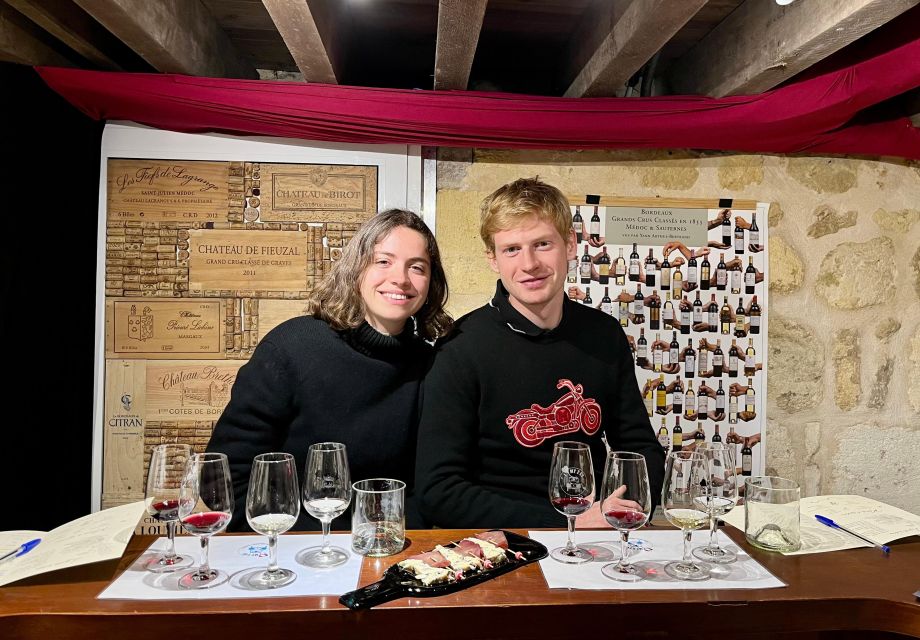
After the walk, the group heads back to the domaine for the tasting session. You’ll taste 5 wines from Gueguen’s selection, with commentary on each wine’s profile and why it tastes the way it does.
What makes this tasting more than a standard “try these” experience is the way it’s described:
- You’ll learn their origins from Chablis or Auxerre.
- You’ll hear about ageing potential, so you understand whether you’re drinking something young or whether you’re seeing a future path.
- You’ll get discussion of the grape varieties that define each selection.
You should treat this tasting as an interpretation session. The guide isn’t just handing out impressions; they’re walking you through how to think. That’s exactly what you want when you’re visiting a place like Chablis, where site differences and appellation rules can create distinct styles.
Now, a balanced heads-up. Some wine-tasting experiences go wrong for reasons that have nothing to do with the wine itself—timing, temperature, and how busy the shop gets. If you’re the kind of person who expects everything to be perfectly paced and served at ideal conditions, you may be a little sensitive to bottlenecks. The good news is that the tour format is designed around guidance and tasting structure, so you’re not left on your own.
If you’re buying wine, plan to slow down after the tasting. Use the knowledge you picked up in the vineyard and the AOC explanation to compare what you like versus what you understand. A quick trap in Burgundy is buying only what tastes good that minute, instead of what matches your plans for drinking later.


Timing, comfort, and weather reality in Chablis
This experience is built for efficiency: about 2 hours total. The flow is straightforward—short van to the vineyard area, roughly 50 minutes walking, then a return transfer and tasting.
That short schedule is great if:
- you have limited time between trains and meals,
- you want Grand Cru context without giving up an entire day,
- you’re balancing multiple stops in Burgundy.
The main comfort requirement is simple: walking shoes. Beyond that, I’d treat the day like typical northern Burgundy weather. If conditions are wet or cold, the vineyard walk can feel longer and require more care underfoot. Dressing in layers is usually the smart call, especially because you’ll move between outside walking and indoor tasting.
One subtle point: because the tour ends at the domaine and includes tasting, the day’s rhythm can affect your enjoyment. If you’re hungry, consider eating before. If you’re thirsty, drink water between segments. The tour is centered on wines, so your enjoyment will be better if your body isn’t already running on low energy.
Price and value: what $58 covers (and what to watch)

At $58 per person for about two hours, you’re paying for two things that many casual tours bundle poorly: a guided Grand Cru vineyard walk and a guided tasting of five wines at the producer.
The value angle is this: your money goes toward interpretation. You’re not only buying wine access. You’re buying a structured explanation of terroir, AOC logic, and what to notice in the wines afterward. If that’s the sort of visit you want, the price makes sense.
That said, wine tourism is tricky because expectations vary. Some people want bigger pours, longer tasting, and extra food support. This experience is clearly a walk-and-taste format. If you expect a larger meal pairing or a very long, leisurely tasting with multiple rounds, you might feel it’s tight on time.
Also, because it’s a producer-based visit, there can be an inherent shopping atmosphere in any domaine setting. If you feel pressure to buy, it can color the experience. My advice: keep your decision process separate from the moment. Taste carefully, ask questions, and if you buy, make it based on what you learned from the vineyard walk—not on how the room energy feels.
Finally, check your own tolerance for being guided through a schedule. This tour is timed and structured. If you prefer spontaneous strolling or unplanned time in the village, you might feel a bit “managed.” If you like knowing where you’ll be next and what you’ll learn, you’ll probably love the flow.
Who should book this Chablis Grand Cru walk?
I think this tour fits best if you’re one of these visitors:
- You want Chablis Grand Cru context but don’t want a full-day production.
- You enjoy learning how vineyards are farmed and how that connects to wine style.
- You plan to buy bottles and want to make smarter choices using ageing potential and origin cues.
- You like guided experiences where you can ask questions in real time, in English or French.
It may feel less ideal if:
- You want extra food pairing or a longer tasting menu format.
- You don’t like walking on uneven ground or prefer fully seated, minimal-footwork tours.
- You’re only there to taste without caring about AOC or viticulture explanations.
In other words: if you want to understand what you’re drinking, this is a strong choice. If you only want a quick sip and a stamp in your passport, you may want something shorter or more flexible.
Should you book the Chablis Grand Cru vineyard visit with the Gueguens?
I’d book it if your goal is to connect Chablis Grand Cru labels to something real: the place, the growing choices, and a guided tasting of five wines with origin and ageing explained. The structure is efficient, the learning focus is clear, and the producer setting keeps it grounded.
Skip it or reconsider only if you know you’re sensitive to small pacing issues (like service tempo during busy moments) or if walking time is a problem for you. Otherwise, this is a very practical way to spend two hours in Chablis and walk away with wine knowledge you can actually use.
FAQ
How long is the Chablis Grand Cru vineyard visit?
The experience lasts about 2 hours.
What’s included in the tour?
You get a commented walk in the Chablis Grand Cru vineyard and a commented tasting of 5 wines.
Where does the tour start?
It starts at Céline et Frédéric Gueguen.
Do I need walking shoes?
Yes. The tour information specifically notes you should bring walking shoes.
What languages are available?
The live guide speaks English and French.
How many wines will I taste?
You’ll taste 5 wines.
Is there free cancellation?
Yes. You can cancel up to 24 hours in advance for a full refund.
Does the booking offer reserve now and pay later?
Yes. You can reserve now and pay later to keep your plans flexible.