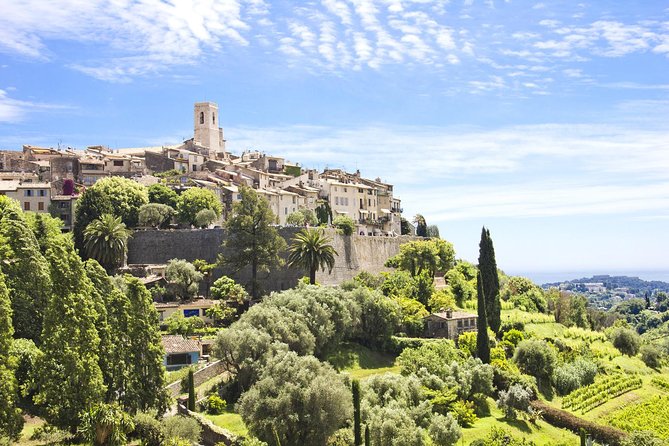
REVIEW · AUXERRE
Visite et Dégustation Chablis Clotilde Davenne en français
Book on GetYourGuide →Operated by Domaine Clotilde Davenne · Bookable on GetYourGuide
A vineyard walk in 80 minutes. At Domaine Clotilde Davenne in Préhy, you get the vineyard context first, then taste the wines that come from it. Expect a tight, friendly Chablis-focused experience led in French.
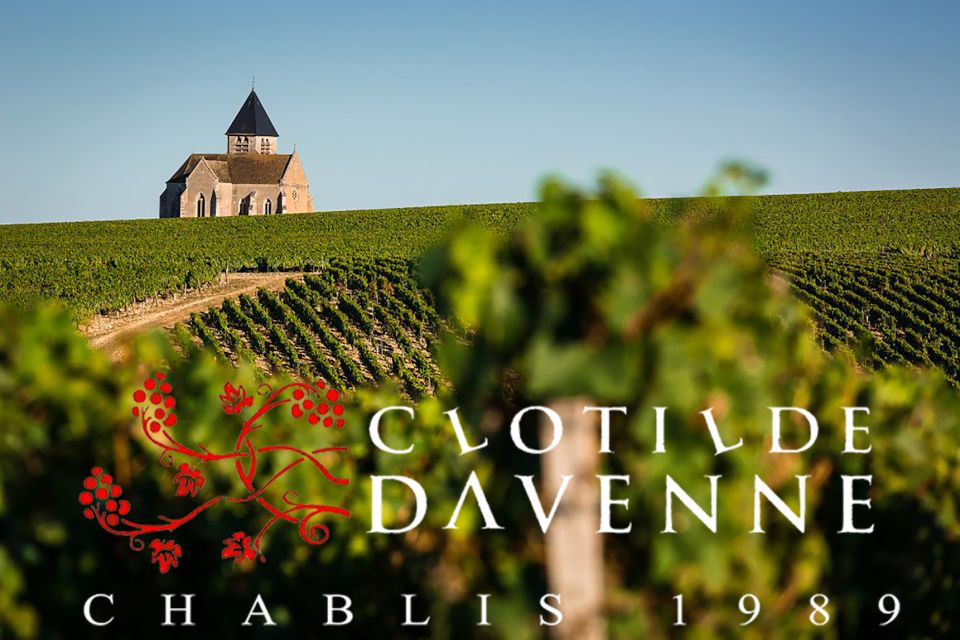
I love how this isn’t just a generic tasting room stop. The winemaker (Clotilde Davenne) has been working in Chablis since 1989 and tends 30 hectares of small plots across Saint-Bris, Chablis, and Irancy, so the explanations stay rooted in real vineyards. I also like that the tasting is your choice from their range, including Chablis and Auxerrois styles.
One thing to consider: it’s only 80 minutes. This tour moves quickly, so it’s best if you want a focused introduction rather than a long, slow deep-dive. And you should bring water—none is included.
In This Review
- Key highlights you’ll actually care about
- Entering the domaine in Préhy: what the first minutes feel like
- Vineyard-foot visit: how the terroir talk stays practical
- From Chablis to Saint-Bris: tasting as a comparison exercise
- Your tasting choice: what you can try (and how to pick)
- Auxerrois and cremants: the smart way to explore beyond the stereotype
- 80 minutes on the clock: how to plan your day
- Price and value: why about $21 can work for Chablis beginners
- Who should book, and who should skip
- A word on cancellation and language (quick FAQ-style)
- Should you book this Chablis dégustation tour?
- FAQ
- How long is the Chablis visit and tasting?
- Where does the tour start?
- What language is the tour guide?
- Is water included?
- What’s included in the tasting?
- Can I choose what wines to taste?
- Is the tour wheelchair accessible?
- Is it suitable for children?
- What’s the cancellation and payment flexibility?
- How do I know what time it starts?
Key highlights you’ll actually care about
- Three villages, one tasting framework: Saint-Bris, Chablis, and Irancy help you compare differences without getting lost.
- Terroir explained from where the grapes grow: you start with the vineyards at the foot of the estate.
- Choice-based tasting: you pick what you want to taste from their names, including Chablis and Auxerrois.
- A small-group, laid-back format: the tasting happens in a small group setting in an authentic place.
- More than just Chablis: expect options that also cover Burgundy and cremants.
- Short on time, strong on focus: 80 minutes works well for a tight schedule.
Entering the domaine in Préhy: what the first minutes feel like
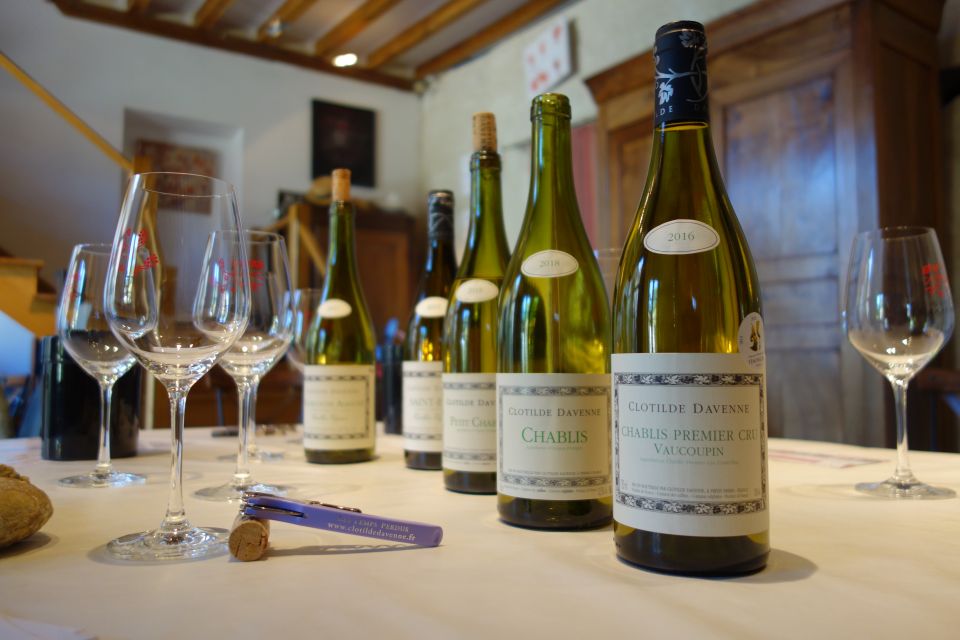
This experience is built to be low-stress and easy to plug into a day in Burgundy. You meet at Domaine Clotilde Davenne in Préhy, and it runs from there on a steady clock. Show up about 5 minutes before departure so you can start on time with your group and not feel rushed.
Because the guide is live and in French, it’s smart to come ready to listen more than to read. If your French is basic, you’ll still get plenty from the vineyard walk and the tasting structure—wine people tend to explain clearly, and the aromas and textures do a lot of translation for you.
You can also read our reviews of more tours and experiences in Auxerre.


Vineyard-foot visit: how the terroir talk stays practical
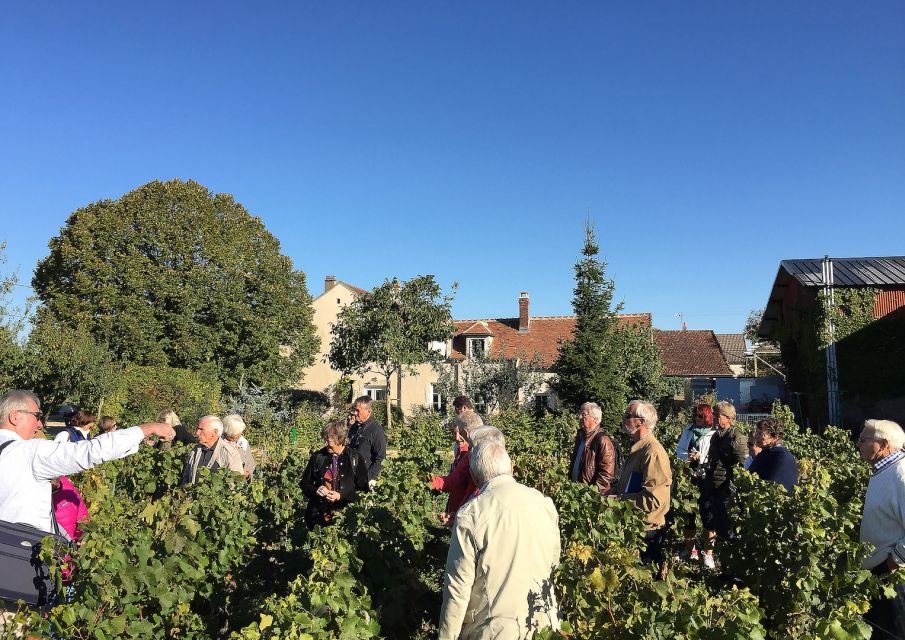
The heart of the tour begins outside, at the foot of the estate. You’ll walk through the vines and get explanations about the terroir and its history, tied directly to what grows in the area. This matters because Chablis is often discussed in terms of purity, acidity, and mineral notes—but the real story is that those traits come from specific slopes, soils, and parcels.
What I like about this setup is the way it connects “place” to “glass.” Since Clotilde Davenne and the team handle vines across Saint-Bris, Chablis, and Irancy, the guide can point out how different sites create different expressions, even when the overall region is familiar to you.
You also get a part focused on the vintage—what that season means for the wines. Even if you don’t know a lot about wine years yet, you’ll start learning how winemakers think: weather and timing lead to decisions, and those decisions show up in how the wine tastes.
From Chablis to Saint-Bris: tasting as a comparison exercise
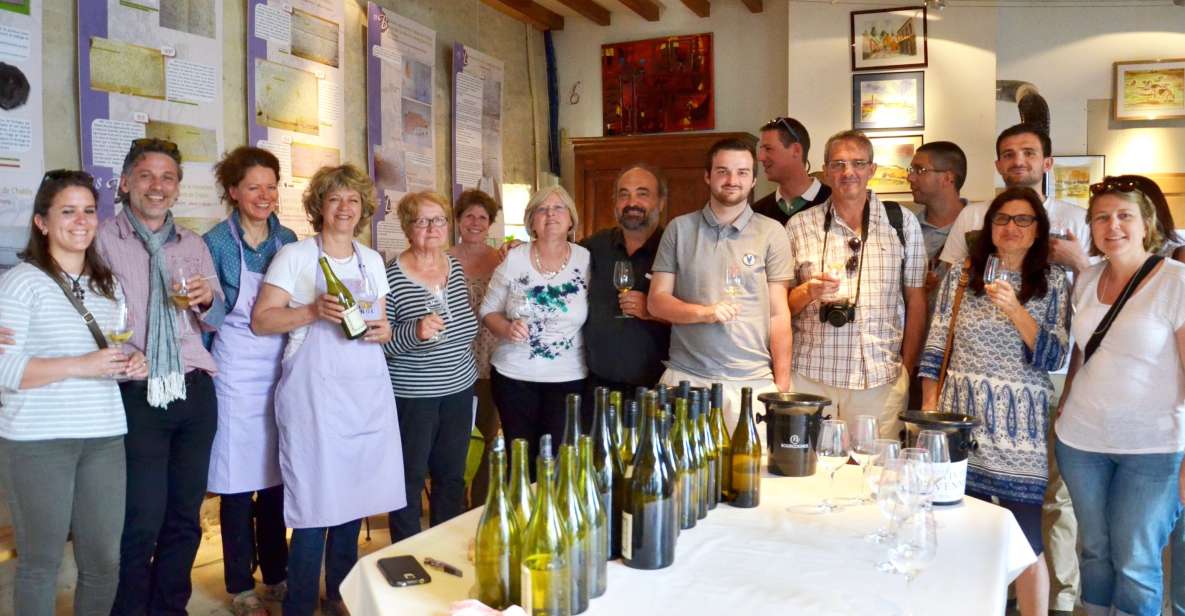
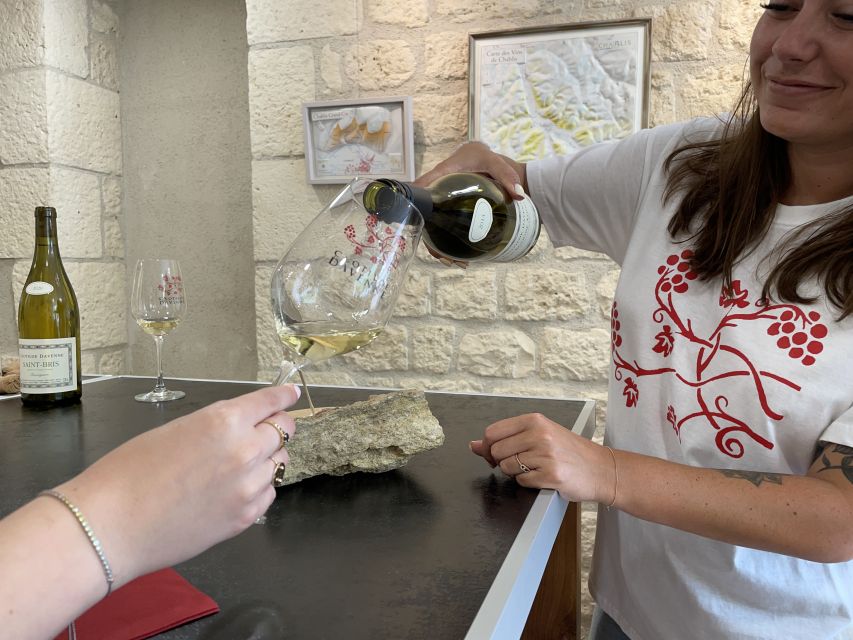
After the vineyard walk, you shift into tasting mode. The format is designed so you don’t just drink; you compare. You’ll taste wines from the domaine’s own production, and your tasting includes options associated with Chablis, Saint-Bris, and Irancy.
Here’s how this helps you as a visitor: it turns the “how do I choose at a wine shop?” question into something you can answer with your own palate. Chablis is often treated as one category, but Saint-Bris and Irancy are different lanes. That difference becomes obvious once you’ve got the terroir explanations in your head.
One more detail that adds value: the tour includes a friendly moment in a small group setting. That makes it easier to ask questions without the feeling that the guide is racing to get through a script. If you’re the type who likes to ask quick follow-ups (like why a wine tastes more stone-dry vs. more rounded), you’re in the right place.
Your tasting choice: what you can try (and how to pick)
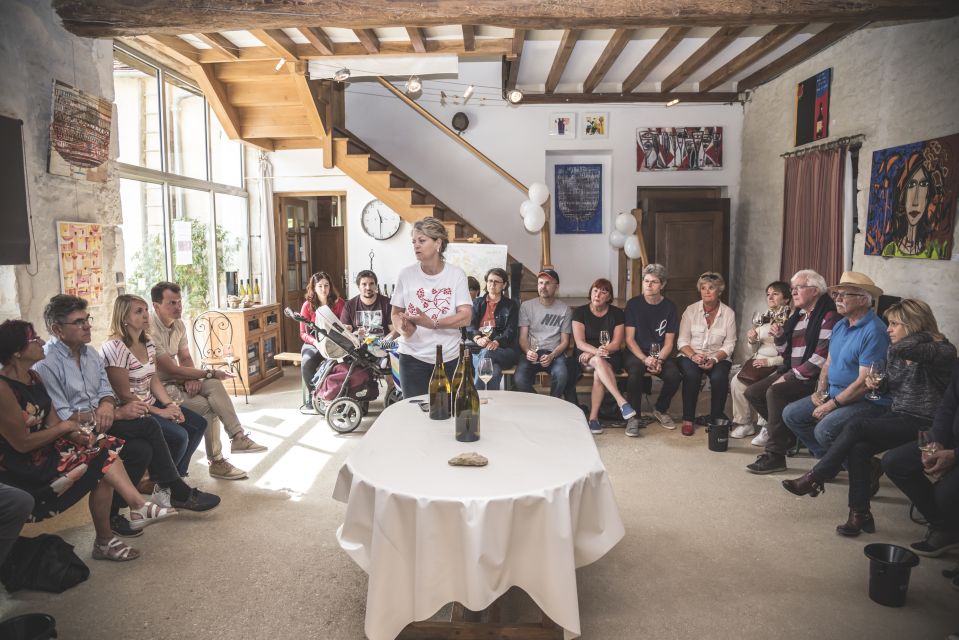
Tasting is a key part of the experience, and it’s not locked into one single flight. You’ll do a tasting of your choice on the names offered, including Chablis, Saint-Bris, Irancy, Burgundy, and cremants.
Since the wine list isn’t laid out here as a numbered set, your best strategy is simple: pick a mix that lets you compare.
- If you want a classic Chablis baseline, start with a Chablis selection.
- If you’re curious about edges and nuance, add a Saint-Bris option.
- If you like reds with character, include an Irancy tasting (it’s one of those names that helps you see Chablis as more than “just white wine”).
- If you want something celebratory and lighter on the “still wine” scale, choose a cremants pour.
Tasting glasses are included, so you don’t need to worry about anything except showing up ready to taste. The wines are the point—keep expectations realistic and you’ll have a great time.
Auxerrois and cremants: the smart way to explore beyond the stereotype
A lot of wine travel in France can accidentally teach you tunnel vision: everyone talks about one famous style and you forget the rest exists. This tasting helps you avoid that.
You’ll have access to Auxerrois (along with Chablis wines). Auxerrois is a good “bridge” choice if you want to compare styles without going far outside Burgundy. You’ll also see cremants in the mix, which is helpful if you’re the kind of person who likes bubbles but doesn’t want to jump to Champagne to satisfy that craving.
This portion is valuable because it widens your understanding quickly. Instead of memorizing one tasting note, you start building a mental map of what different grapes and methods feel like on your palate.


80 minutes on the clock: how to plan your day
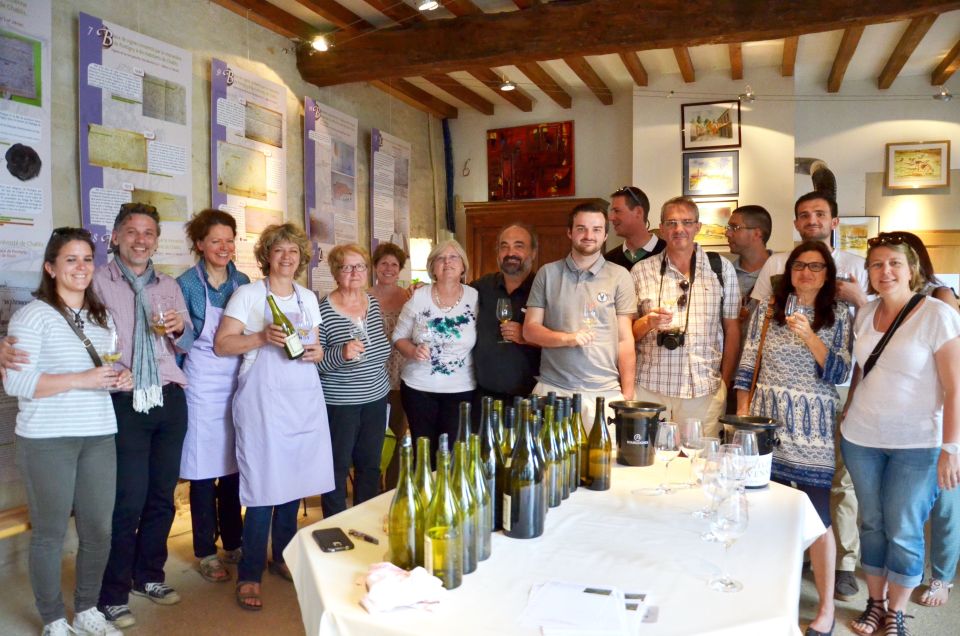
An 80-minute tour is a sweet spot in a region like Burgundy. It gives you a real experience—vineyard context plus tasting—without stealing half your day.
It’s also short enough that you can pair it with other nearby stops in the area, as long as you keep travel time realistic. The biggest planning tip: don’t schedule it as your final stop with a long drive afterward. You’ll want a calm buffer, especially because you’ll be tasting.
And do yourself a favor: bring a bottle of water. Water isn’t included, and tasting works better when you can refresh between pours.
Price and value: why about $21 can work for Chablis beginners
At $21 per person for an 80-minute experience that includes a vineyard visit plus tasting, this is the kind of pricing that makes sense if you want a smart start in Chablis without committing to a full tour day.
Here’s the value logic I’d use as you decide:
- You’re paying for time with the people behind the wine, not just glassware and a poster.
- You’re getting context (terroir, vintage) before you taste, which improves your ability to remember what you liked.
- The tasting includes a range of names (Chablis, Saint-Bris, Irancy, Burgundy, cremants), so you get options rather than one narrow sample.
If you’re the kind of traveler who always ends up buying a bottle later and wishing you’d taken better notes, this structure helps you leave with clear preferences.
Who should book, and who should skip
This is best for adults who want a compact, focused wine experience in Chablis. It’s also ideal if you enjoy learning in small groups, especially when the explanation starts at the vines.
A couple practical fit notes:
- Not suitable for children under 18.
- The tour is wheelchair accessible, which is a big plus if mobility needs are part of your planning.
- The guide speaks French, so plan on understanding through the conversation and the tasting cues.
If you want a very long cellar crawl with lots of logistics and a slow pace, this may feel too tight. But if your goal is to taste your way into Chablis and related names, it’s a solid match.
A word on cancellation and language (quick FAQ-style)
The experience offers free cancellation up to 24 hours in advance for a full refund, and you can reserve now and pay later if you want flexibility. Check availability for starting times, since schedules can vary by date.
Should you book this Chablis dégustation tour?
I’d book it if you want:
- a short, well-paced introduction to Chablis that starts in the vineyards,
- a guided tasting across Chablis, Saint-Bris, and Irancy (plus Auxerrois and options like cremants),
- and a small-group setting where you can actually ask questions.
Skip it if you need:
- a child-friendly activity (it’s not suitable under 18),
- a long all-day itinerary,
- or water provided on-site (bring your own).
FAQ
How long is the Chablis visit and tasting?
It lasts about 80 minutes.
Where does the tour start?
You meet at Domaine Clotilde Davenne in Préhy. Plan to arrive about 5 minutes before departure.
What language is the tour guide?
The live tour guide speaks French.
Is water included?
No. Water is not included, so bring your own.
What’s included in the tasting?
You’ll receive tasting glasses.
Can I choose what wines to taste?
Yes. The tasting includes wines of your choice from their range tied to names like Chablis, Saint-Bris, Irancy, Burgundy, and cremants.
Is the tour wheelchair accessible?
Yes, it is wheelchair accessible.
Is it suitable for children?
No, it is not suitable for children under 18.
What’s the cancellation and payment flexibility?
You can cancel up to 24 hours in advance for a full refund, and you can reserve now and pay later.
How do I know what time it starts?
Starting times depend on availability, so you’ll need to check available slots when you book.