REVIEW · CASSIS
Cassis – La Ciotat : Climbing class on the Cap Canaille
Book on GetYourGuide →Operated by Monde Vertical · Bookable on GetYourGuide
Cap Canaille gives this climbing class its real appeal: you are not working on an indoor wall, but learning on dramatic rock above the Mediterranean. I like the spectacular setting and the way the instruction is adjusted to different abilities. You get climbing technique, belaying practice, and encouragement rather than a simple photo stop.
I also like that the class lasts three and a half hours, giving you time to learn, warm up, and try harder routes if you are ready. The main drawback is practical: you must arrange your own transport to the meeting point between Cassis and La Ciotat, and the activity is not suitable for children under 13 or people with mobility impairments.
In This Review
- Key points to know before booking
- Why Cap Canaille makes a strong climbing classroom
- Meeting between Cassis and La Ciotat
- The first lesson: equipment, movement, and trust
- Routes adjusted to your level
- What the 210 minutes really gives you
- Safety and the guide’s role on the rock
- The views, the effort, and the sense of progress
- Is $84 a fair price?
- Who should book this Cap Canaille class?
- What to pack and how to prepare
- Should you book it?
- FAQ
- Where does the climbing class take place?
- How long does the activity last?
- Is climbing equipment included?
- Are beginners allowed to join?
- What languages are available?
- What should I bring?
Key points to know before booking
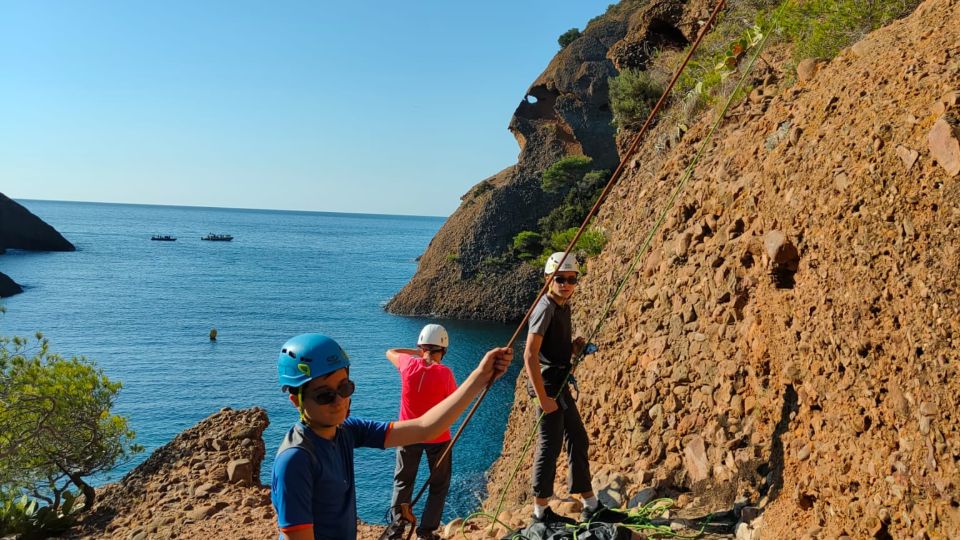
- Cap Canaille setting: Climb on famous cliffs high above the Mediterranean, with open views as part of the experience.
- Instruction for mixed abilities: Beginners are welcome, while experienced climbers can work on movement, strength, and more demanding pitches.
- Safety first: A professional guide provides the equipment and teaches belaying and climbing basics throughout the class.
- Dorian’s local experience: One named guide, Dorian, grew up climbing in the area and is familiar with the local rock.
- Three-and-a-half-hour format: The 210-minute session leaves room for instruction, practice, warm-up climbs, and personal challenges.
- Bring your own essentials: Pack drinks, sportswear, sports shoes, and a daypack. Food, drinks, and transport are not included.
Why Cap Canaille makes a strong climbing classroom
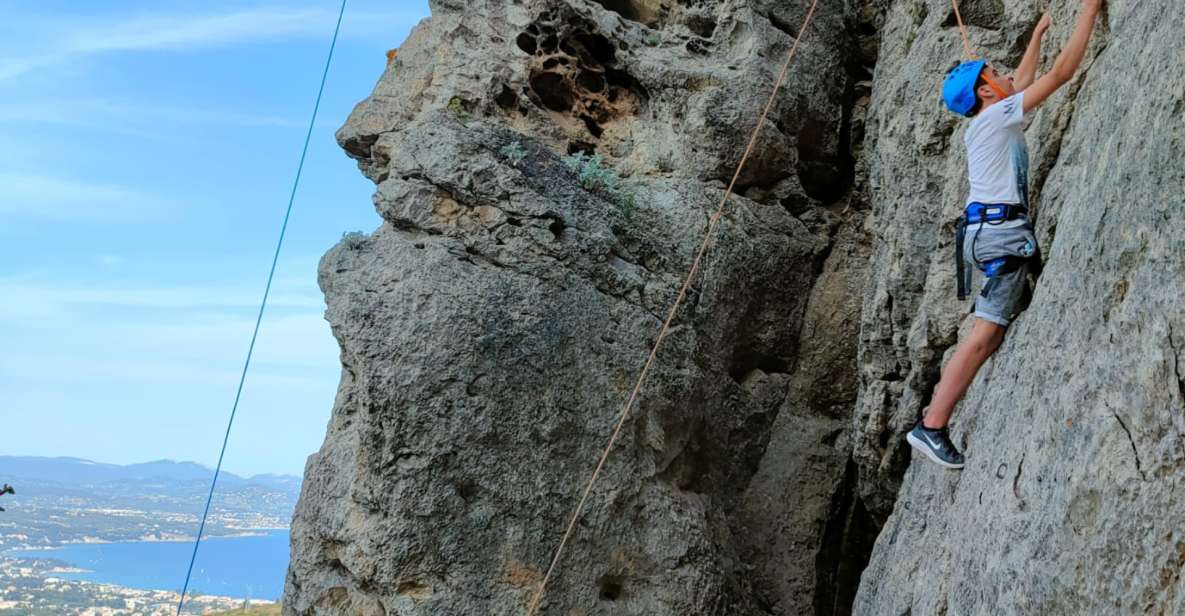
Cap Canaille is famous for its steep cliffs between Cassis and La Ciotat. Here, the setting is not background decoration. It shapes the whole experience, from the first look at the rock to the final climb with the Mediterranean spread out below.
I like this kind of introduction to climbing because the surroundings give the sport a clear sense of place. You are learning a physical skill in one of southern France’s most striking outdoor areas, rather than spending your first hours on an anonymous wall.
The views also give the session a natural rhythm. Climbing requires concentration, but you will have moments to look out, catch your breath, and take in the coast. That mix suits people who want an active outing with a strong visual payoff.
The setting does bring a small tradeoff. Outdoor rock is less controlled than an indoor climbing gym. Conditions, available pitches, and the pace of the group can affect what you do, so you should arrive ready for an outdoor class rather than a fixed, perfectly predictable program.
You can also read our reviews of more tours and experiences in Cassis.


Meeting between Cassis and La Ciotat
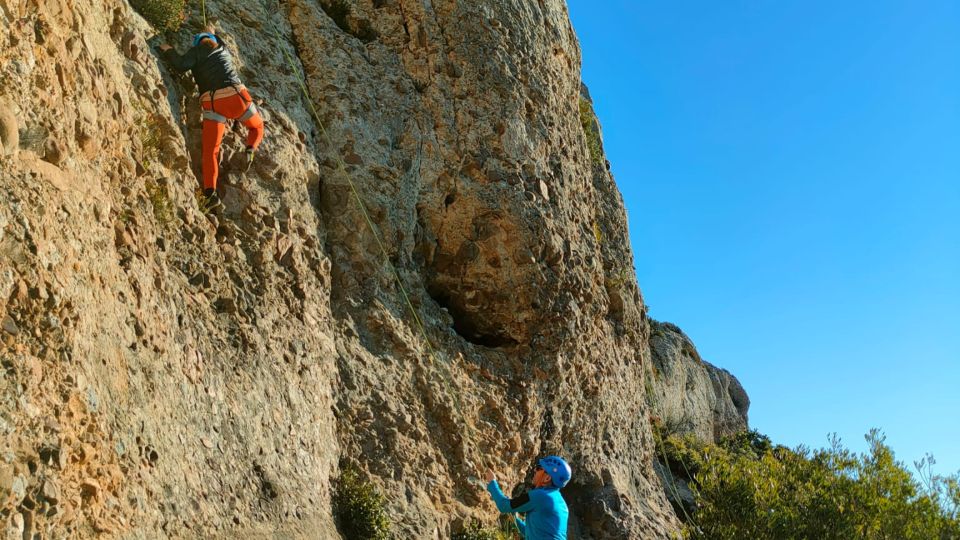
You meet your guide at a point between Cassis and La Ciotat. The information provided does not include transport, so plan your route to the meeting point before booking. This matters more than it might for a city tour because the experience begins outside the two towns, on or near the Cap Canaille climbing area.
Monde Vertical supplies the climbing equipment: helmet, harness, and climbing shoes. That saves you from bringing specialist gear, and it makes the class a practical option for visitors who want to try climbing without investing in equipment.
You should still bring sportswear, sports shoes, drinks, and a daypack. The climbing shoes are included, but sports shoes are listed among the items to bring, so you will want comfortable footwear for arriving, walking around the area, or changing before and after the climbing session.
Food and drinks are not included. Pack what you need for the 210-minute outing, especially water. A three-and-a-half-hour physical activity can feel demanding even when the routes are adjusted to your ability.
The first lesson: equipment, movement, and trust
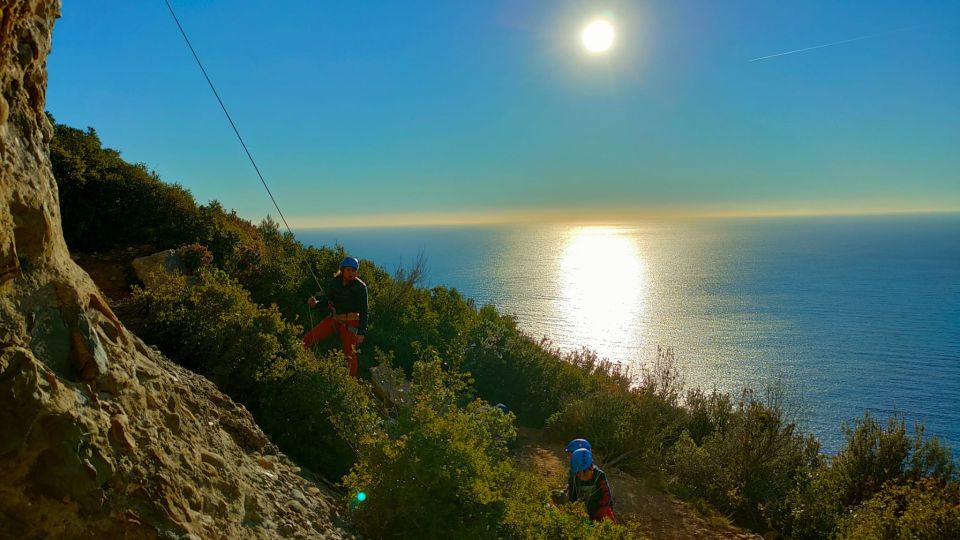
Your guide welcomes you and provides the necessary gear before explaining how the session will work. The early instruction covers climbing movements and belaying techniques, which are the foundation of a safe and useful first lesson.
Belaying is important because climbing is not only about pulling yourself upward. You must also understand how the rope system supports the climber and how the person on the ground helps manage safety. The guide handles this teaching directly, giving you a better sense of how climbing partners work together.
The class also focuses on movement, strength, and agility. Good climbing is not simply a test of arm power. You learn how to place your body, use the rock, and move with more control. That makes the session worthwhile even if you discover that you are not naturally strong at the start.
The guide’s role is especially important for first-timers. A good instructor needs to explain technical points in plain language, watch how you move, and suggest manageable next steps. The available feedback points to careful supervision and a calm, encouraging approach, including from Dorian, one of the named guides.
Routes adjusted to your level
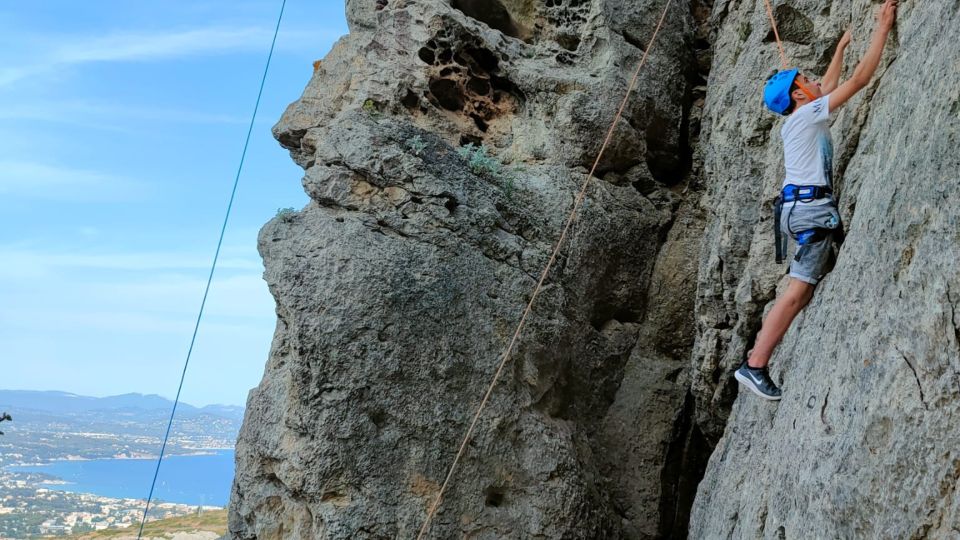
The class welcomes both beginners and experienced climbers. That does not mean everyone follows the same route. The guide selects pitches suited to your level and can offer different challenges as your confidence grows.
For a beginner, the first climb is about getting used to the harness, rope, rock, and height. You might find that the hardest part is not the physical effort but trusting your feet and continuing to move when the wall feels unfamiliar. Patient instruction can make a large difference here.
More experienced climbers can use the session to sharpen technique or test themselves on routes that demand more strength and agility. The class is not presented as a basic demonstration for people who already climb regularly. The guide can adapt the selection of pitches so you have room to work.
One useful detail comes from a session led by Dorian, where a small group with different abilities was given several climbs. The group could warm up, then choose to challenge itself as much as it wanted. That is a good sign for mixed parties, though the precise group size and route selection can vary.
You should not expect a private lesson unless your booking says so. Still, the emphasis on adapted routes means the activity can work well when one person in your party is new to climbing and another already has some experience.
What the 210 minutes really gives you
Three and a half hours is a sensible length for this sort of class. A shorter session might leave you with only a quick introduction, while a much longer one could become tiring, especially for first-time climbers.
The time allows the guide to cover safety before climbing begins, introduce basic movement, and give you more than one attempt. You can start with a manageable pitch, learn from the first effort, and then decide how far you want to push yourself.
The session also has room for pauses. Climbing uses concentration as well as physical effort, and stopping briefly helps you listen to advice and recover before the next route. You will not be expected to climb continuously for 210 minutes.
The pace depends on the group and the ability levels involved. If several people need instruction, less time may be available for individual attempts. On the other hand, mixed abilities can work well when the guide sets up routes that let each person make progress.
I would book this as a half-day outdoor activity, not as a quick add-on between tightly scheduled sightseeing stops. The meeting point, equipment fitting, instruction, and climbing all need breathing room.


Safety and the guide’s role on the rock
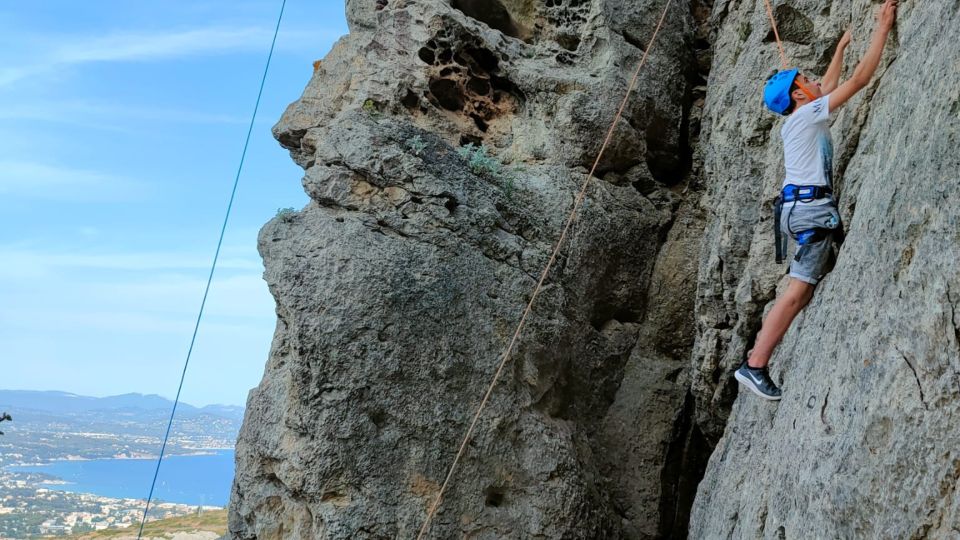
Safety is the central reason to book a guided class rather than simply turn up at the cliffs with no plan. Your guide provides the equipment, explains belaying, watches the activity, and selects pitches appropriate to the group.
The available information describes the instruction as serious and careful, with no compromise on safety. Dorian is also described as someone who knows the area well and has climbed locally since childhood. That local familiarity matters because a guide’s value is not limited to tying knots or handing out helmets.
You should still take the safety briefing seriously. Listen to every instruction, ask if you do not understand a technique, and do not feel obliged to attempt a route simply because someone else is climbing it. The class is meant to encourage you, not force you past a sensible limit.
The guide can help you judge the difference between a useful challenge and an unreasonable one. That is one of the best reasons for choosing an instructor-led class, particularly if you are new to outdoor climbing.
The views, the effort, and the sense of progress
Cap Canaille gives you something many beginner climbing sessions lack: a powerful reward while you are still learning. As you gain height, you can look across the Mediterranean and see the coast from a different angle.
The scenery will appeal to non-climbers in your party too, though everyone taking part must be comfortable with the physical demands of the class. This is not a sightseeing viewpoint with a little climbing added. You will be using your body, following instructions, and spending time on rock.
The class is designed to build confidence. That may mean completing your first pitch, learning to belay correctly, or attempting a harder route after an easier warm-up. Progress does not have to mean reaching the highest point. For many beginners, controlled movement and trust in the rope are the real wins.
I like that the experience gives you a way to push yourself without turning the outing into a contest. The guide encourages improvement, but the route choice is adapted to your level. You can work on strength and agility while keeping the experience approachable.
Expect some tired muscles afterward. The activity is active enough that you should wear proper sportswear and bring water. The information does not specify the difficulty of individual routes, so anyone unsure about their fitness should ask the provider before booking.
Is $84 a fair price?
At $84 per person, the price is reasonable if you want a guided introduction rather than a simple equipment rental. It includes a professional guide and the main climbing gear: helmet, harness, and climbing shoes.
You are also paying for instruction and route selection. A guide who can teach belaying, watch safety, and adjust pitches to different abilities adds real value, especially for a first outdoor climbing experience. The setting itself is a major part of the appeal, but the equipment and supervision are what make it usable.
The value is strongest for people who would not otherwise have access to climbing gear or local knowledge. If you already own equipment and climb independently, you may find the price less compelling unless you specifically want an organized session on Cap Canaille.
Remember to budget for transport to the meeting point, since it is not included. Food and drinks are also extra. The price is therefore not an all-in day cost, but it covers the central activity and professional instruction.
Free cancellation up to 24 hours before the activity and the reserve-now, pay-later option make the booking less risky for a changing holiday plan. Check the available starting times before committing, since the class lasts 210 minutes and may take up a substantial part of your day.
Who should book this Cap Canaille class?
This activity is a good fit for:
- Adults and teenagers aged 13 or older who want a first outdoor climbing lesson.
- Beginners who want instruction before trying rock climbing on their own.
- Climbers with some experience who want routes selected to their level.
- Active visitors who prefer a half-day outdoors to a passive coastal excursion.
- Small parties with mixed ability, provided everyone is willing to follow the guide’s pace.
It is not suitable for children under 13 or people with mobility impairments. The class requires physical participation, so it is not a good choice if you are looking only for a scenic outing.
French and English instruction is available. That makes the activity practical for international visitors, particularly when technical safety instructions need to be clear.
What to pack and how to prepare
Bring drinks, sportswear, sports shoes, and a daypack. Since food and drinks are not supplied, pack enough water and any food you need for the half-day outing.
Wear clothing that lets you move freely. You do not need to bring a helmet, harness, or climbing shoes because the provider supplies them. Arriving with the right personal clothing keeps the equipment fitting and the first lesson focused.
Give yourself time to reach the meeting point between Cassis and La Ciotat. Transport is not included, and the supplied information does not specify a pickup service. Confirm the exact meeting details before setting out.
Most important, arrive ready to learn rather than prove yourself. The best use of the class is to listen to the guide, try the routes suited to you, and take on a harder pitch only when you feel prepared.
Should you book it?
Book this Cap Canaille climbing class if you want a real outdoor activity with expert supervision, striking Mediterranean views, and enough time to make progress. The combination of included gear, adaptable routes, and careful instruction makes the $84 price fair for beginners and useful for climbers who want a guided session in the area.
I would be more cautious if your schedule is packed, you have no easy way to reach the meeting point, or you are looking for a relaxed coastal tour rather than a physical challenge. For everyone else, this is a strong choice between Cassis and La Ciotat, especially if your idea of a memorable Provence outing includes learning something new while standing on the rock itself.
FAQ
Where does the climbing class take place?
The class takes place on Cap Canaille, at a meeting point between Cassis and La Ciotat in southern France.
How long does the activity last?
The climbing class lasts 210 minutes, or three and a half hours.
Is climbing equipment included?
Yes. The professional guide provides a helmet, harness, and climbing shoes.
Are beginners allowed to join?
Yes. Beginners and experienced climbers are welcome, and the guide provides instruction and pitches adapted to your level.
What languages are available?
The instructors provide guidance in French and English.
What should I bring?
Bring drinks, sportswear, sports shoes, and a daypack. Transportation, food, and drinks are not included.