REVIEW · AY CHAMPAGNE
Aÿ-Champagne: Champagne House Tour and Tasting Class
Book on GetYourGuide →Operated by Le Clos Corbier · Bookable on GetYourGuide
Champagne tastes better when you see the cellar first. At Le Clos Corbier in Mareuil-sur-Ay, I like that the experience starts with the 1850s cellars and traditional press before you taste, and I like that the class turns learning into a hands-on quiz and olfactory workshop. You come away with a clearer sense of what makes Champagne taste the way it does.
One thing to plan for: no pickup or dropoff, so you’ll need solid local transport to get there. The live guides run the show in English and French (names you may see include Alvaro and Charlotte), and the pace stays friendly for a 90-minute stop.
In This Review
- Key highlights I’d circle on your itinerary
- Le Clos Corbier in Mareuil-sur-Ay: a smaller-house feel with real education
- Entering the press and cellars dug in the 1850s
- The traditional Champagne-making story you can actually follow
- The olfactory workshop and quiz: how to train your nose in 90 minutes
- Blind-style tasting of 3 Champagnes (and one Grand Cru Vintage)
- Snacks and pairings: what you eat while you taste
- Price and value: why $47 for 90 minutes is often a smart buy
- Getting there: the one logistics issue worth planning early
- Who should book this Champagne house tour (and who might not)
- Should you book the Aÿ-Champagne Champagne House Tour at Le Clos Corbier?
- FAQ
- How long is the Champagne House Tour and Tasting Class?
- What’s included in the tour besides the tasting?
- Do I need to arrange transportation because pickup and dropoff aren’t included?
- What languages is the tour guide available in?
- Can the food and tastings be adapted for allergies or specific diets?
- Is there free cancellation?
Key highlights I’d circle on your itinerary
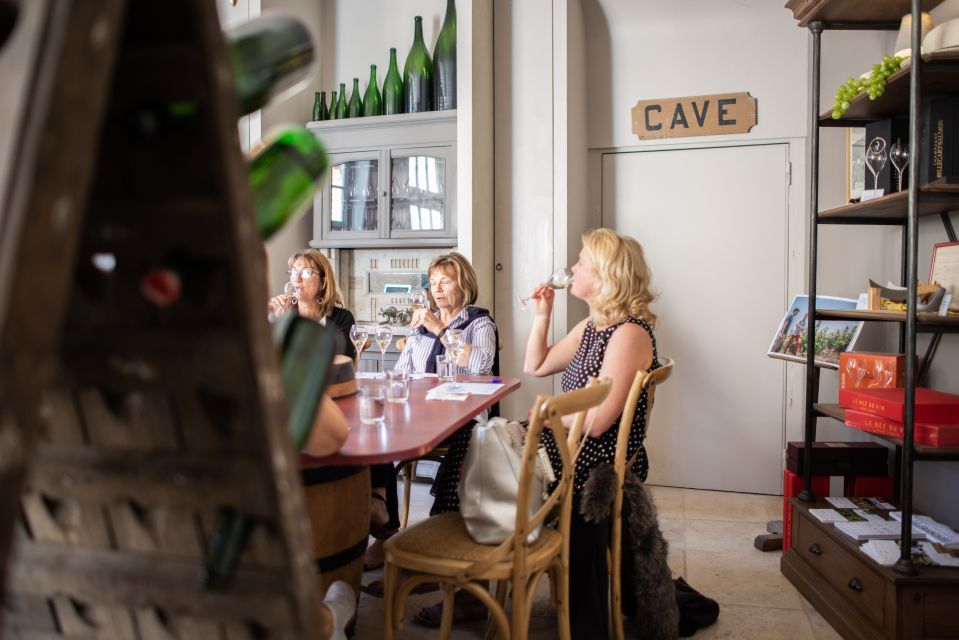
- Le Clos Corbier location: a family Champagne house set among vineyards in Mareuil-sur-Ay
- Press room + 1850s cellars: you see how the wine moves before you start tasting
- A guided tasting class that feels like a game: quiz time and a blind-style round
- Olfactory workshop: you train your nose to recognize aromas in Champagne
- 3 tastings with one Grand Cru Vintage: learn by comparing, not just sipping
- Snacks paired with your pours: local sweet treats and finger food, with diet adjustments possible
Le Clos Corbier in Mareuil-sur-Ay: a smaller-house feel with real education
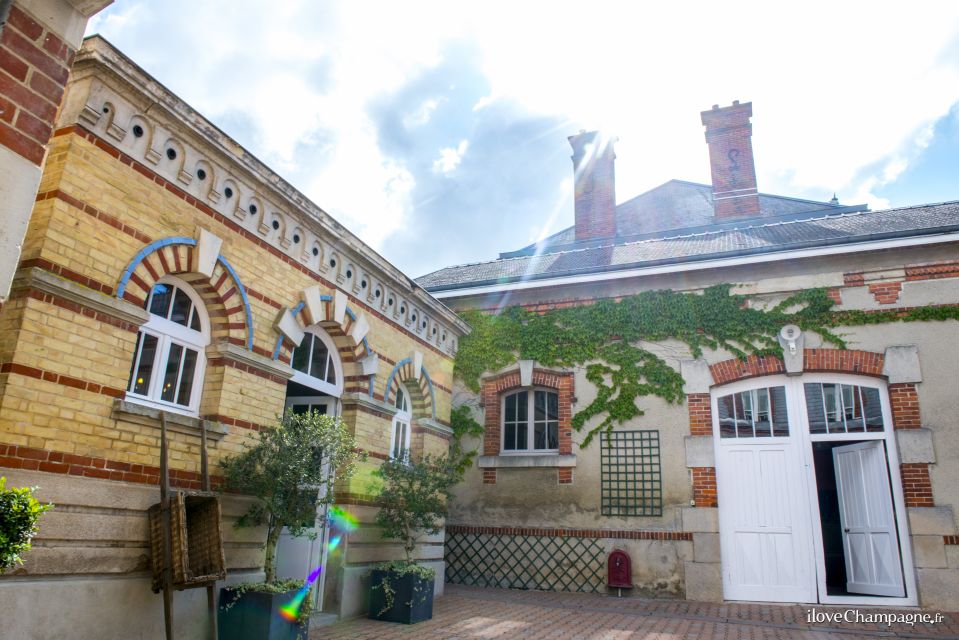
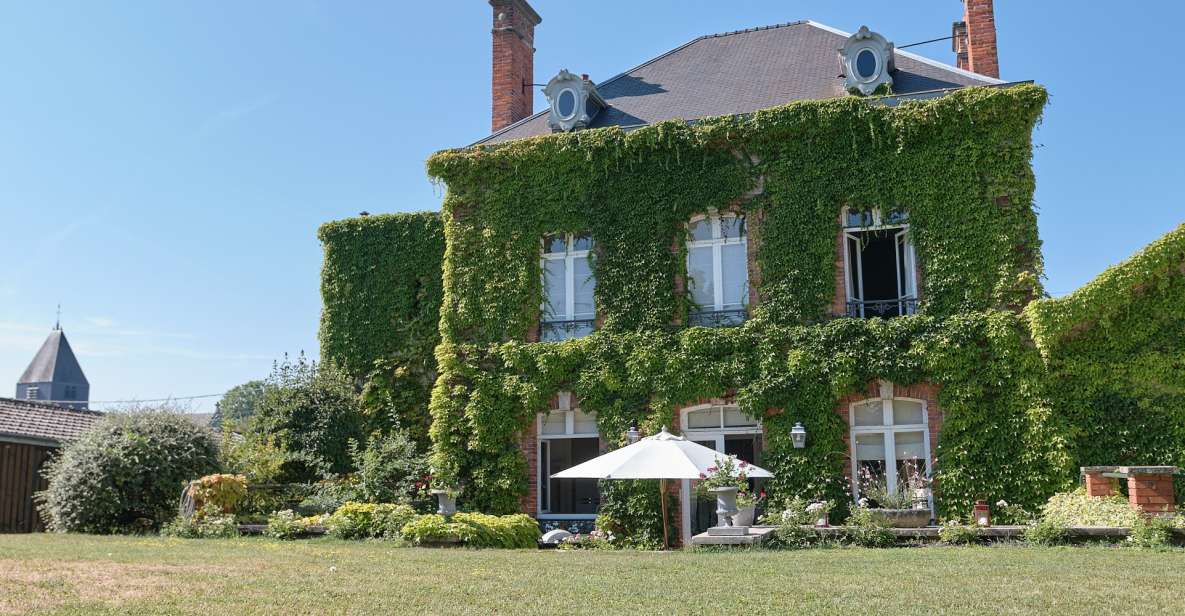
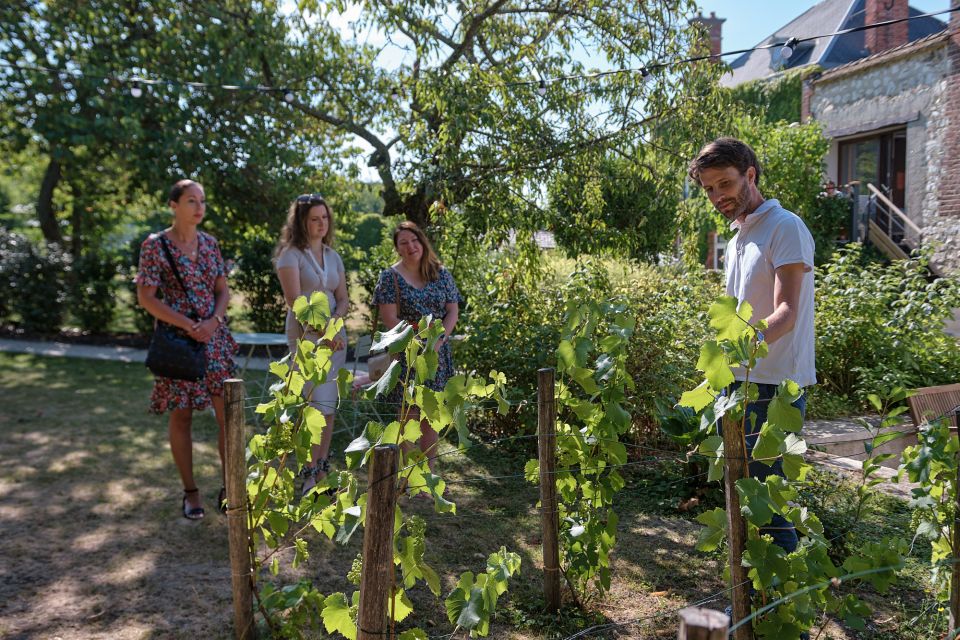
If you picture Champagne tasting as a fancy room where someone pours from a tall bottle, this tour gives you something better: context. You’re in Mareuil-sur-Ay, inside a classic Champagne House setting at Le Clos Corbier, surrounded by the vineyard world that shapes the bottles.
What I enjoy most is the tone. This doesn’t feel like a giant production. It feels more like you’re being brought into how the house works—plus, you’re not just listening. You’re doing. That matters, because Champagne is subtle. Without a framework, it’s easy to drink three glasses and remember only that it was good.
The guide also sets expectations early, and the group activity style keeps people engaged. From the names I’ve seen associated with this experience—Alvaro, Charlotte, Amanda, and others—it’s clear they tend to mix warmth with structure, including the little learning moments that make the final tastings click.
You can also read our reviews of more food & drink experiences in Ay Champagne
Entering the press and cellars dug in the 1850s
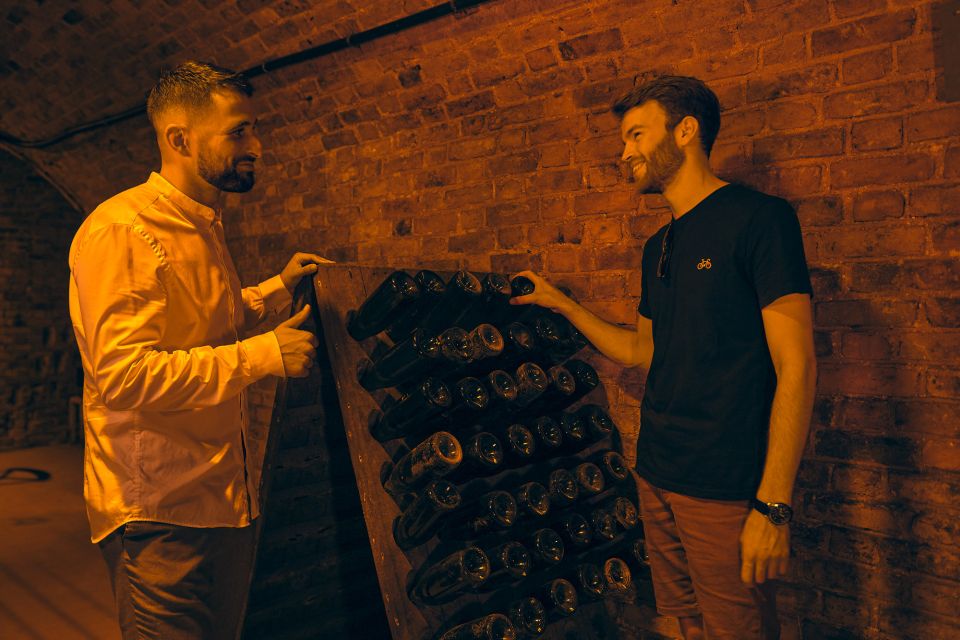
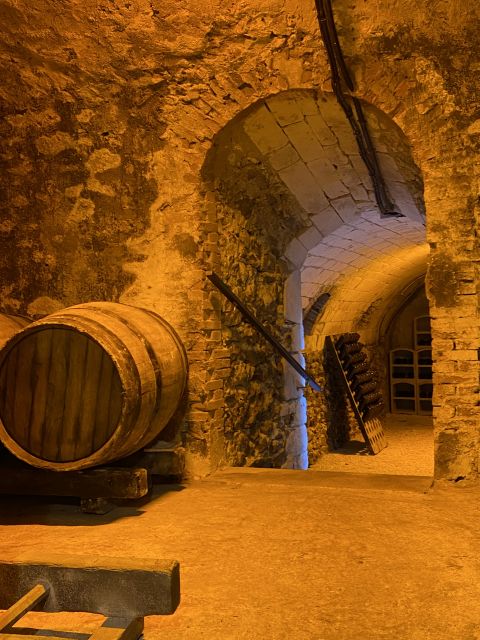
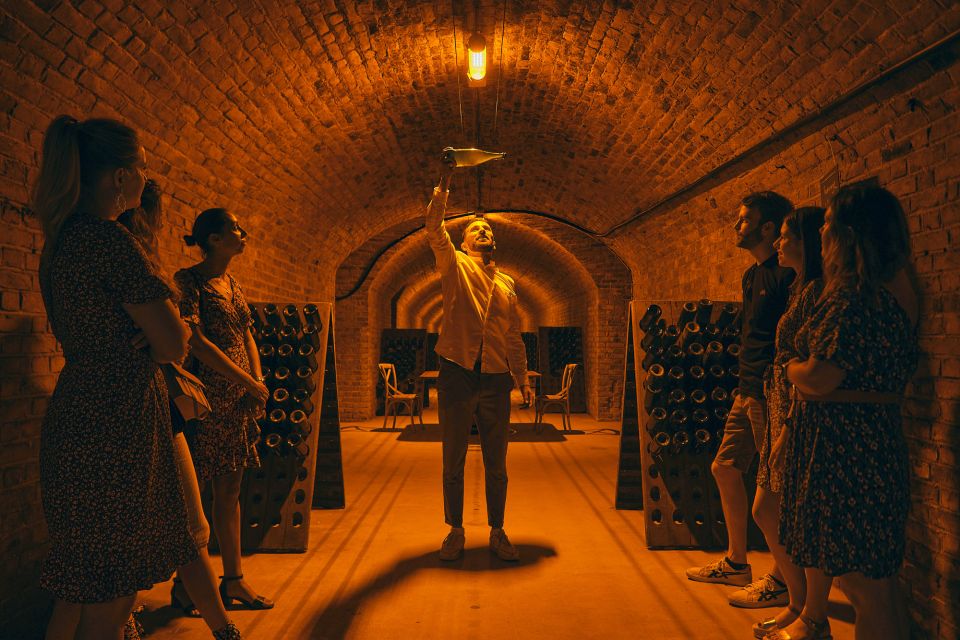
The best part of a Champagne tour is what happens before tasting. Here, you get that. You start with a visit that includes the press room and then the cellars dug in the 1850s. That gives you a sense of why Champagne culture is built around patience and controlled conditions.
In the press room, you’re not just looking at old equipment. You’re learning how Champagne grapes are processed so the house can build the base for its sparkling wine. The goal isn’t to memorize machinery names. It’s to understand the flow: what comes in, what gets extracted, and why that extraction step matters later.
Then you move into the cellars. The setting is cool, quiet, and naturally timed for storage. This is where you start connecting the dots between vineyard choices and bottle character. If you’ve ever wondered why two champagnes can both be dry yet taste different, the cellar visit is the moment where those differences start to make sense.
Practical tip: wear something comfortable. You’ll be walking around a Champagne house environment, and you’ll want your nose and attention fresh for the tasting section.
The traditional Champagne-making story you can actually follow
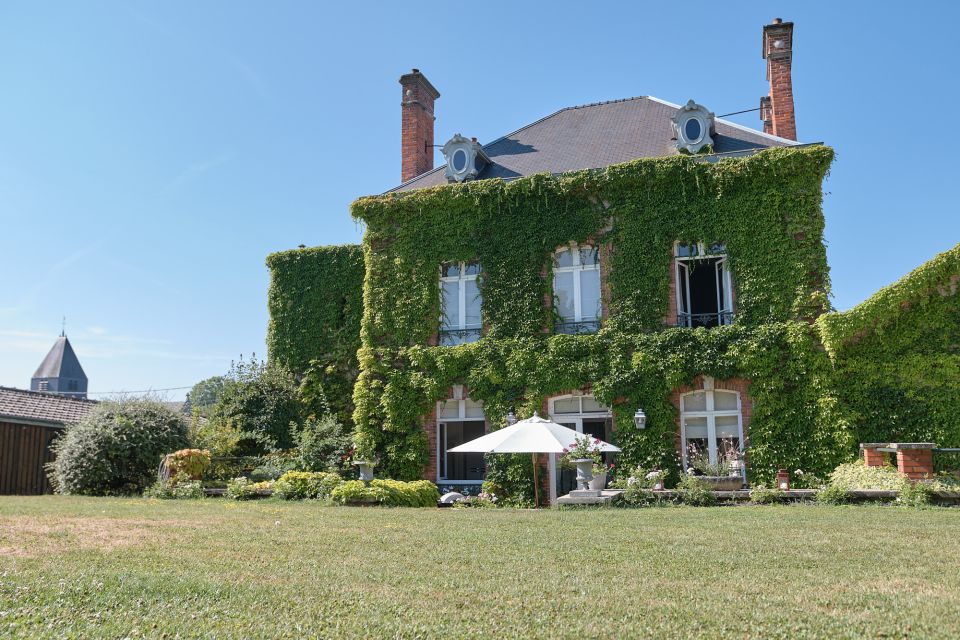
Once you’ve seen the press and cellars, the tasting class works because it builds on what you saw. You’ll hear the explanation of the champagne-making process in a way that’s meant to be followed, not studied.
The house portion focuses on the traditional steps that shape aroma and structure. Even if you don’t go deep into technical terms, you’ll come away with a working picture of how Champagne is made from harvested grapes to finished bottles.
And here’s why that education feels useful: Champagne is a blend of craft choices. Those choices show up in what you smell first and what you notice on the finish. The tour’s structure sets you up to taste with purpose.
One more thing I liked: the guide isn’t just talking at you. You’ll have space for questions, and the energy stays friendly. It’s one of those tours where the Q&A can genuinely change what you notice in the glass.
The olfactory workshop and quiz: how to train your nose in 90 minutes
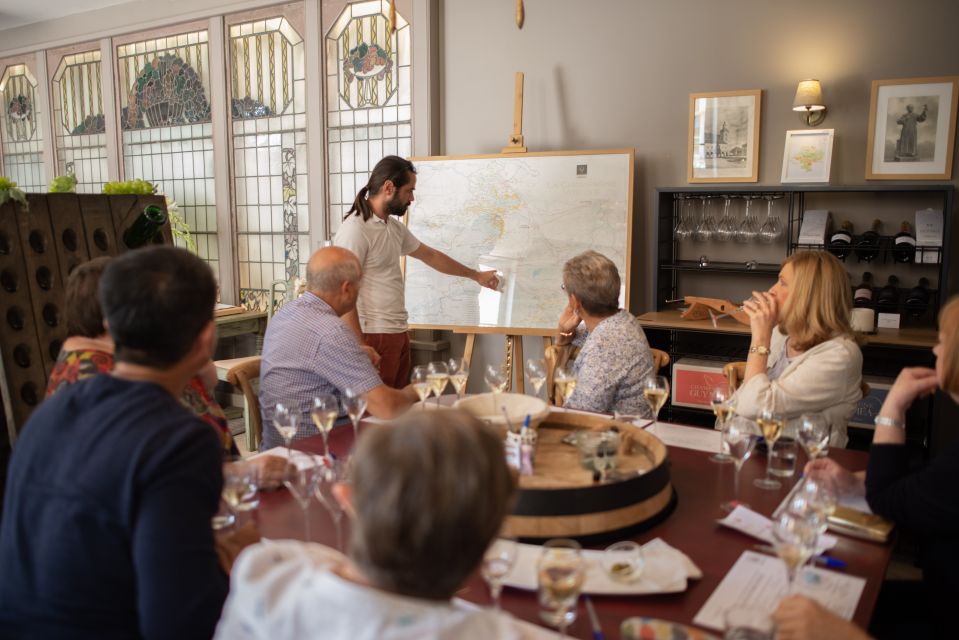
This tour isn’t shy about getting interactive. There’s a tasting class that includes a champagne quiz, and there’s also an olfactory workshop aimed at training you to identify aromas you can find in Champagne.
That matters because most first-time tasters struggle with the same problem: you drink something sparkling and fruity, but you can’t describe it. The nose workshop helps you put words to sensations you already experience, like baked bread notes, apple/citrus impressions, floral hints, or something that feels more toasty and structured.
Then comes the quiz portion. It’s described as competitive and fun, with guests encouraged to participate—so it feels less like a test and more like a guided tasting conversation. One highlight that shows up in the experience feedback is that it’s used as a teaching tool: the questions reinforce what you heard earlier during the tour.
If you’re the kind of person who worries about group activities, don’t. The vibe is down-to-earth, and the quiz is designed to make tasting easier, not to make anyone feel behind.
Blind-style tasting of 3 Champagnes (and one Grand Cru Vintage)
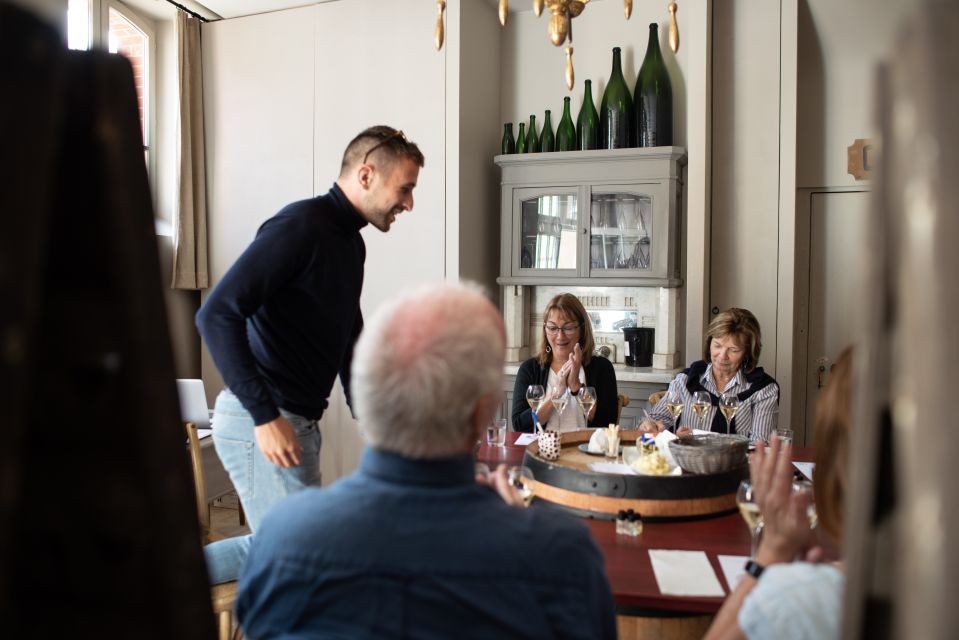
Now for the part you came for: tasting. During the class, you’ll complete 3 tastings of the family Champagnes. One of those is a Grand Cru Vintage—so you get a chance to compare how a top-tier classification and a vintage expression can change the experience.
The format is especially effective because it’s not just sip-and-smile. You’ll be asked to identify the Champagnes, described as blind tasting, which pushes you to rely on your nose and palate rather than guessing based on brand cues. That’s how you learn faster.
In practical terms, here’s what you’ll be doing while you taste:
- Swirling to help aromas rise
- Smelling with the olfactory workshop techniques in mind
- Noting texture and balance (not just flavor)
- Comparing sweetness level, acidity feel, and finishing character across the three pours
And getting one Grand Cru Vintage in the lineup is a big deal for two reasons. First, it gives you a real benchmark for what Grand Cru can taste like when the house chooses to show it. Second, it makes the comparisons more meaningful, because you’re not only tasting variety—you’re tasting classification and expression.
You can also read our reviews of more wine tours in Ay Champagne

Snacks and pairings: what you eat while you taste
Tasting is better when your stomach isn’t empty. This class includes some local sweet treats and finger food paired with the champagnes. The pairing approach also helps you separate flavors: food can highlight acidity, soften bubbles, or make fruit notes feel brighter.
It also has real-world flexibility. The experience information states it can be adapted for allergies or specific diets. If you have dietary needs, this is one of the setups where you’re not stuck with only bread and water.
After the tasting, you’ll likely have a chance to enjoy the grounds, depending on timing and the flow of the day. A couple of accounts associated with this experience mention enjoying a glass in the outdoor setting—so if the weather cooperates, it’s a nice way to close the loop.
Price and value: why $47 for 90 minutes is often a smart buy
At around $47 per person for a 90-minute experience, this can be good value—especially if you’re new to Champagne and want structure. The price isn’t just buying bubbles. You’re paying for:
- A guide-led tour of the press and 1850s cellars
- A guided tasting class with aroma training
- Multiple champagnes to compare (3 tastings, including a Grand Cru Vintage)
- Pairing snacks to keep things comfortable
So the cost makes more sense when you look at what you get for learning. If you’re only buying tastings at a larger house, you might get similar bottles but less focused instruction. Here, the guided quiz and aroma workshop are built into the experience, which helps you remember what you tasted instead of leaving with vague impressions.
Two small practical notes that affect value:
- You’re not getting pickup or dropoff, so factor in the effort of reaching Mareuil-sur-Ay.
- The day trip timing matters. Because the tour is 90 minutes, it fits well between other Champagne-region stops.
Also, the booking options are flexible: there’s free cancellation up to 24 hours in advance for a full refund, and the reserve-and-pay-later option helps you lock in a spot without immediately paying.
Getting there: the one logistics issue worth planning early
The biggest friction point is transport. Since pickup and dropoff aren’t included, you’ll need your own plan to reach the house in Mareuil-sur-Ay.
I’d suggest planning around this in one of two ways:
- Rent a car if you want an easy Champagne-day route and minimal waiting
- If you’re using taxis or rides, build in extra time and some backup, since it may not be as simple as calling for a ride in the smallest villages
One practical piece of advice: don’t treat timing casually. If you’re pairing this tour with trains back to Paris or another city, give yourself slack. Champagne tastings move fast, and you’ll want to leave with zero stress so you can catch your next connection.
Who should book this Champagne house tour (and who might not)
This is a strong pick if you:
- Want a first serious Champagne education without turning it into a lecture
- Like hands-on learning like the quiz and aroma workshop
- Prefer smaller-house energy and direct interaction with the guide
- Appreciate comparing champagnes side-by-side, including a Grand Cru Vintage
It may be less ideal if you:
- Want a full-day tour with a long itinerary and lots of walking beyond 90 minutes
- Need guaranteed transportation from major hubs (since pickup/dropoff isn’t part of this)
- Are only interested in purchasing Champagne with minimal discussion—this tour is built around learning and tasting together
If you’re traveling in a small group, it also tends to work well because the class style encourages participation.
Should you book the Aÿ-Champagne Champagne House Tour at Le Clos Corbier?
Yes, if your goal is to leave with more than a happy buzz. I’d book it when you want a tight, high-value 90 minutes that combines a real house visit (press and 1850s cellars), a guided tasting class, and structured comparison across 3 champagnes, including a Grand Cru Vintage.
Book it especially if you like learning by doing. The quiz and olfactory workshop take the guesswork out of tasting. By the end, you’re not just drinking—you understand what you’re tasting and why it differs.
One last checklist for your decision:
- Can you get yourself to Mareuil-sur-Ay without pickup?
- Are you okay with a guided group activity style?
- Do you want a focused education plus tastings in under two hours?
If you said yes to those, this is the kind of Champagne experience that leaves you confident ordering your next bottle.
FAQ
How long is the Champagne House Tour and Tasting Class?
The experience lasts 90 minutes.
What’s included in the tour besides the tasting?
You get a discovery of the Champagne House Le Clos Corbier, a visit to the press room and cellars, and a Champagne tasting class with Champagne tastings.
Do I need to arrange transportation because pickup and dropoff aren’t included?
Yes. Pickup and dropoff are not included, so you’ll need your own way to get to Le Clos Corbier in Mareuil-sur-Ay.
What languages is the tour guide available in?
The live tour guide speaks French and English.
Can the food and tastings be adapted for allergies or specific diets?
Yes. The local sweet treats and finger food can be adapted for allergies or specific diets.
Is there free cancellation?
Yes. You can cancel up to 24 hours in advance for a full refund.