REVIEW · AY CHAMPAGNE
Champagne: Champagne Tasting Class with Lunch
Book on GetYourGuide →Operated by Le Clos Corbier · Bookable on GetYourGuide
Champagne lessons should feel like a game. At Le Clos Corbier in Aÿ-Champagne, the fun comes from training your nose, doing blind tastings, and then rewarding it all with lunch. I really like how this turns Champagne from a mystery into something you can actually taste and explain.
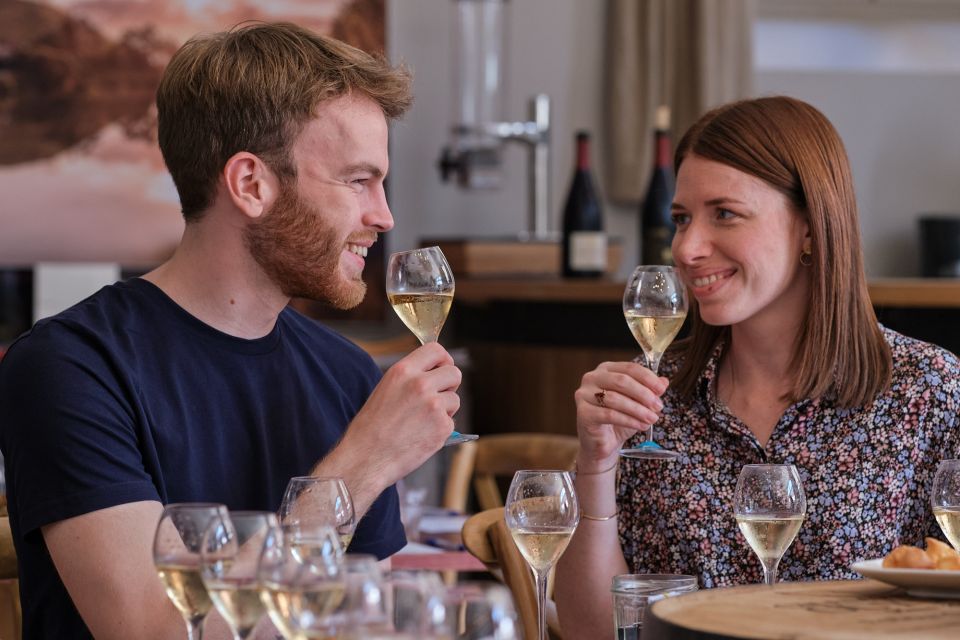
What I love most is the hands-on tasting work: olfactory exercises, a Champagne quiz, and a competitive blind comparison of multiple bottles. Then comes the part that keeps people smiling—the lunch pairing with regional specialties like pâté en croute, Langres cheese, and even pink biscuit cake. One thing to consider: this is a smaller, family-focused experience, not a big, flashy, multinational show, and the cellar is cool enough that you’ll want your jacket.
In This Review
- Key points to know before you go
- Le Clos Corbier in Aÿ-Champagne: the setting that feels personal
- The 3-hour flow: cellar tour, quiz, blind tasting, lunch
- How the nose-and-palate workshops actually teach you to taste
- Lunch at a Champagne house: regional food with serious pairings
- The tastings after lunch: Côteaux Champenois and Ratafia
- Price and value: why $106 can make sense here
- Who this tour suits best (and who might skip it)
- What to bring and what to expect on site
- Should you book this Champagne class with lunch?
- FAQ
- How long is the Champagne tasting class with lunch?
- How much does it cost?
- What’s included in the tour?
- What do I taste during the experience?
- Where is the meeting point?
- What should I bring?
- Is the tour wheelchair accessible?
- Are children allowed?
- Are pets allowed?
- Is free cancellation available?
Key points to know before you go
- A 1850s cellar and traditional press visit at Le Clos Corbier
- Olfactory workshop that trains your nose, not just your taste buds
- Blind tasting game to compare 3 champagnes with snacks in between
- Lunch at the winery with regional food and multiple Champagne pairings
- Beyond Champagne tastings include Côteaux Champenois and Ratafia
- Bilingual hosts have a strong track record, from guides like Emma and Charlotte to Marie and Estelle
Le Clos Corbier in Aÿ-Champagne: the setting that feels personal
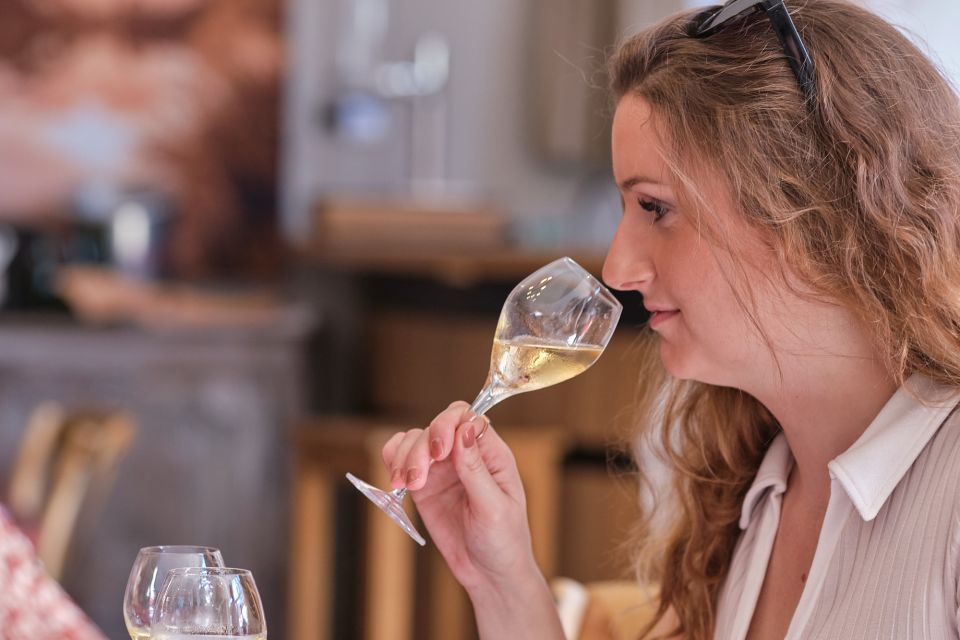
This experience is based in Grand Est, centered in Aÿ-Champagne, at Le Clos Corbier—a family domain in the vineyards. That matters because the whole day has a lived-in feel. You’re not just watching Champagne happen on a tour clock; you’re getting taught how it’s made and tasted in a place that treats it like craft.
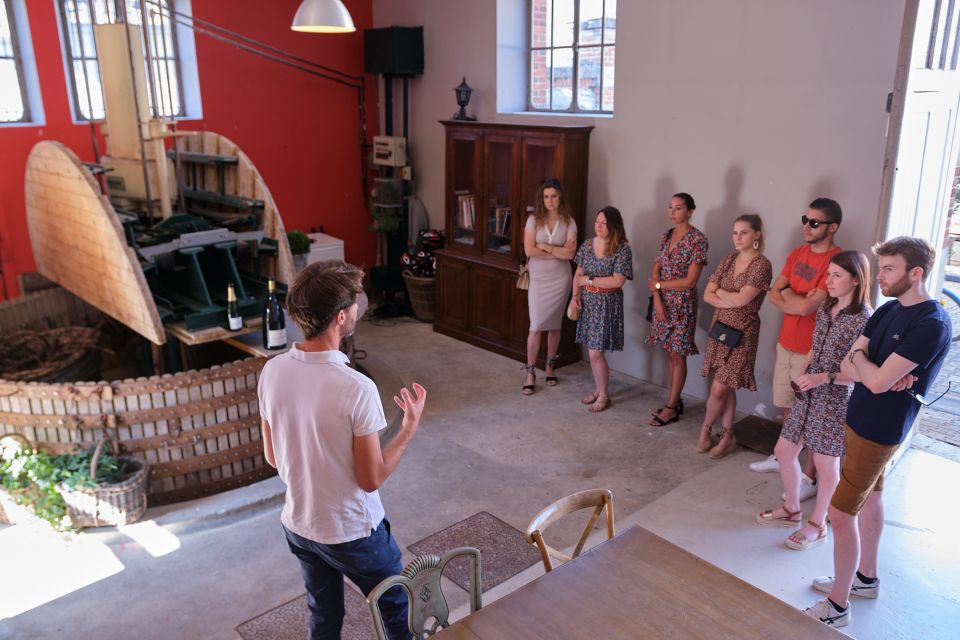
The most memorable part for me is that the tour moves between the “where it’s made” side and the “how to taste it” side. You start with the fundamentals—what Champagne is doing in the glass—then you walk into the cellars with history behind them. One detail that keeps popping up is that the cellars are dug in the 1850s, and you’ll also see a traditional press. It’s old-school winemaking, but explained in a way you can follow.
I also like the vibe: small-group energy and a guide who talks like a teacher, not a lecturer. From what I’ve seen in the way this is hosted, guides like Emma (often described as a Champagne Sensei), Charlotte, Marie, Estelle, and Amanda show up with strong English/French skills and an ability to keep things moving without rushing.
You can also read our reviews of more food & drink experiences in Ay Champagne
The 3-hour flow: cellar tour, quiz, blind tasting, lunch
The day is built like a neat arc: you learn, you practice, you eat, and you practice again. It’s designed to keep your attention without turning into a rigid lecture.
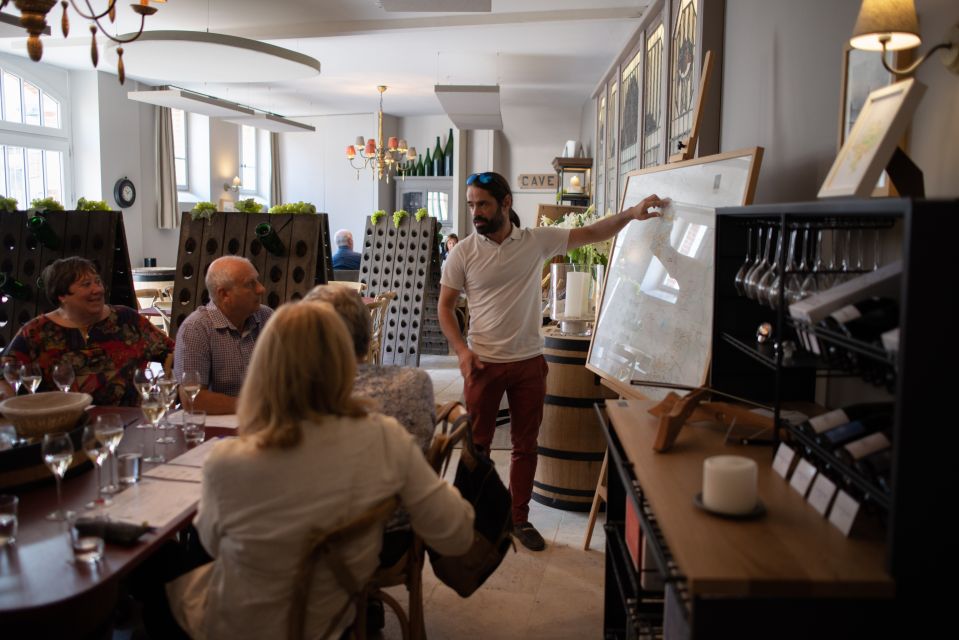
First, you arrive at the winery and settle in for the tasting class. There’s a Champagne quiz, and in some sessions you even get a small “certificate” style finish after the quiz portion. You’ll get the baseline ideas first—what to look for when you taste, how to think about aromas, and what questions to ask as you move through different bottles.
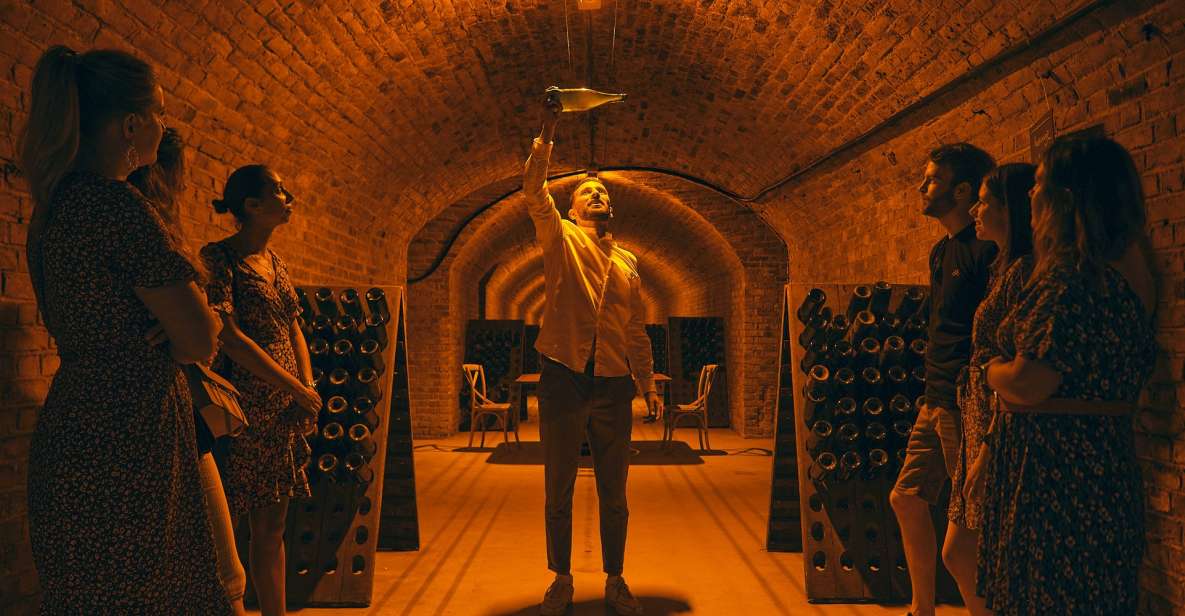
Next comes the cellar visit at Le Clos Corbier. Plan for a proper winery feel here: the average cellar temperature is about 10°C, so it’s not just “cool,” it’s cool enough to notice. This is also where you’ll see the 1850s dug cellars and a traditional press, giving context to why Champagne has the profile it does.
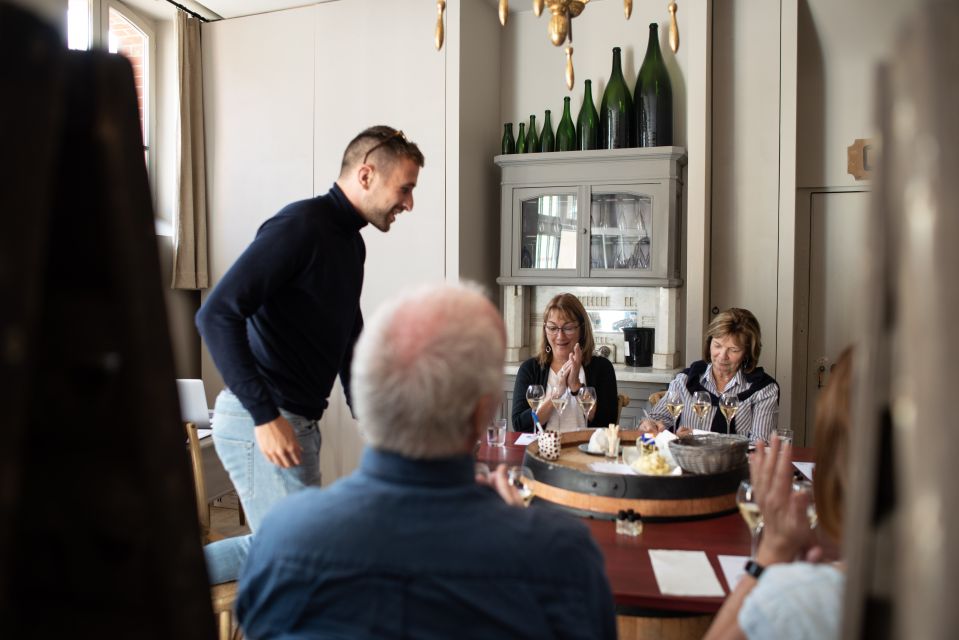
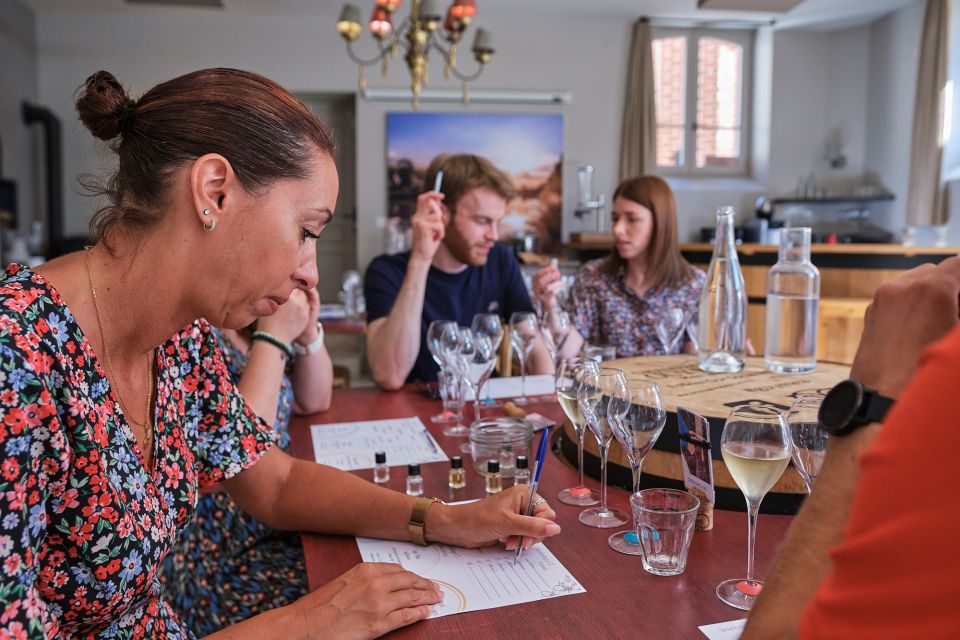
Then you shift into the fun zone. You’ll do an olfactory workshop to train your nose to identify aromas you can actually connect to flavors in the glass. After that, you’ll get competitive with a blind tasting of 3 different champagnes, using local snacks as your grounding between pours. This is not about being a wine expert; it’s about learning a method fast enough that you can guess what you’re tasting.
After the tastings, you eat lunch at the winery—casual French food, regional specialties, and pairings. The afternoon portion continues with extra tastings beyond Champagne, including Côteaux Champenois and Ratafia, before the experience wraps up in the early afternoon.
How the nose-and-palate workshops actually teach you to taste
If you’ve ever had Champagne once and thought, I like it, but I can’t say why, this is the fix. The tastings are built around turning vague impressions into specific notes.
The core training is the olfactory workshop. You’re not just smelling a wine and hoping for the best. You’ll practice identifying aromas you can find in Champagne—basically training your brain to map smell to taste. It’s a simple idea, but it works because it gives you vocabulary and a repeatable approach.
Then the blind tasting game takes that training and forces decisions in real time. You taste three champagnes without the labels guiding you, so you learn to rely on structure and character—things like what you perceive on the nose first, how the flavor unfolds, and what finishes feel dry, bright, or rounded.
A nice bonus is that the guides tend to explain with a calm, practical tone. In multiple runs, hosts like Emma and Charlotte have been praised for making the process feel like a group activity instead of a test. If you’re a beginner, that’s huge. You’re not going to feel lost.
One practical consideration: because it’s English and French hosted, and in some sessions both languages get covered, the pacing can feel a bit longer if you’re only comfortable in one language. That said, it’s often worth it for the clearer explanation and the inclusive vibe.
Lunch at a Champagne house: regional food with serious pairings
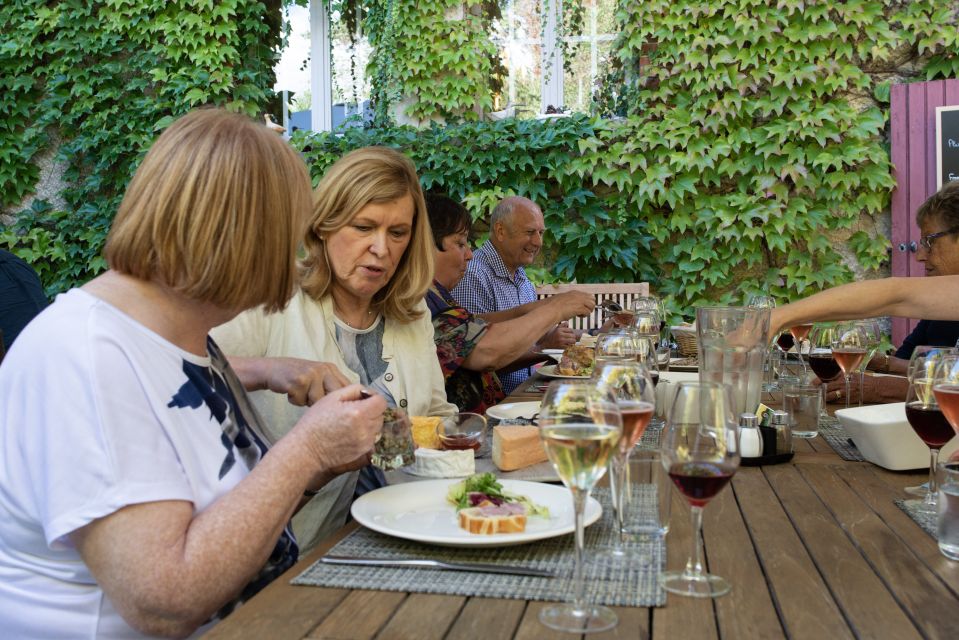
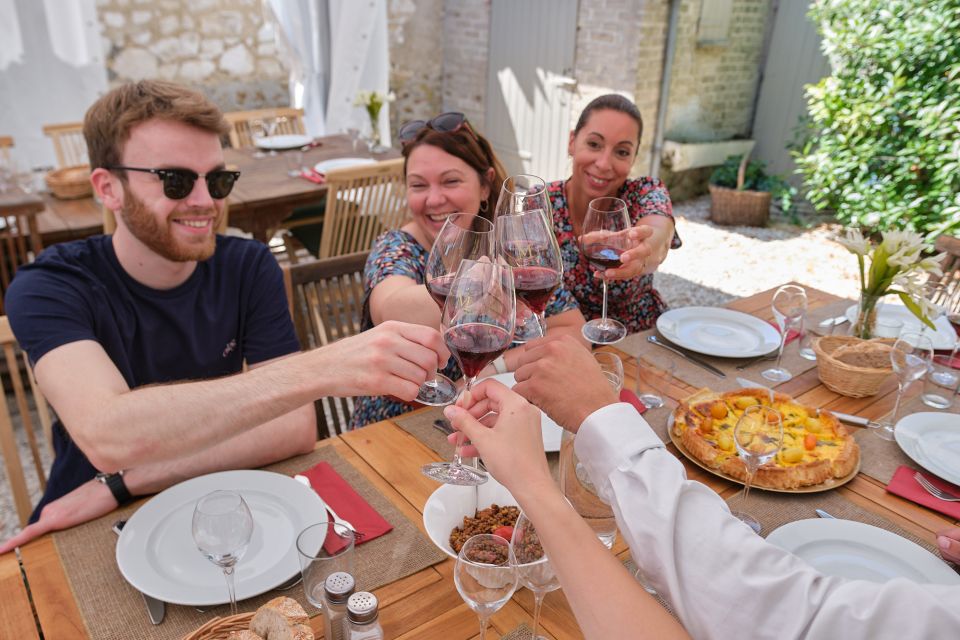
Lunch is where this tour goes from educational to genuinely satisfying. You’re eating at a typical Champagne house with regional specialties, and the food is paired with multiple pours—so you get to feel how Champagne (and other drinks) handle different flavors.
The lunch menu can include items like pâté en croute (meat-filled pastry), Langres cheese, and pink biscuit cake. That’s a nice spread because it covers savory, rich, and sweet. Pairing Champagne with the first two helps you understand how acidity and bubbles cut through fattiness. Pairing Champagne with something sweet helps you notice whether the wine feels refreshing or cloying.
Also, the servings are described as generous across many experiences, and the lunch tends to be relaxed rather than formal. You’ll be eating in a winery setting, which makes it feel like part of the craft—not just a prepaid meal stop.
If you have dietary needs, the experience notes the lunch can be adapted for allergies or specific diets. So if you’re careful about ingredients, it’s worth mentioning ahead of time.
My advice: come hungry, but don’t expect lunch to work like a buffet where you can experiment endlessly. Think of it more like a guided sequence: you eat, you taste, and you learn what the pairing is trying to show you.
The tastings after lunch: Côteaux Champenois and Ratafia
One reason I like this format is that it doesn’t treat Champagne as the only story in the region. After lunch, you continue tasting with local drinks tied to the Champagne area.
You’ll try Côteaux Champenois, a local red wine. This is a helpful contrast if you’re used to Champagne only—because you’ll feel how fruit, tannin, and structure shift once you’re out of the sparkling world.
Then you’ll taste Ratafia, a regional liquor. This is where the tour starts to feel less generic. It reminds you that Champagne culture includes more than just sparkling bottles—it’s a whole local system of grapes, methods, and traditional drinks.
The total included tastings are listed as 6 wine tastings, and the experience also includes snacks and lunch pairings. Practically, that means you’re not doing one quick sip and calling it a day. You’ll get enough repetition to actually learn something, even if you don’t consider yourself a wine person.
You can also read our reviews of more wine tours in Ay Champagne

Price and value: why $106 can make sense here
At $106 per person for about 3 hours, this isn’t the cheapest activity in the region—but it can be good value because you’re paying for much more than a tasting flight.
You’re getting:
- a winery tour with entry fees included
- 6 wine tastings
- local snacks
- lunch, paired with champagnes
- a local guide
When you compare that to standard tastings that often don’t include food (or charge extra once you add it), the math starts looking better. Here, the lunch isn’t a separate afterthought; it’s part of the pairing education.
Also, the “small and intimate” feel shows up in how people describe the experience. When you’re not packed into a huge group, you tend to get clearer answers and more chances to ask questions. That’s a real value factor, not just a mood.
My only caution on value: you’ll get the most out of this if you actually enjoy learning how to taste and you like structured play (quiz, blind tasting). If you want a quiet stroll with zero group interaction, this format may feel more active than you expected.
Who this tour suits best (and who might skip it)
This is a strong fit if you:
- want a beginner-friendly Champagne lesson
- like interactive formats (olfactory games, blind tastings, quiz)
- prefer a family domain feel over big-brand tours
- enjoy pairing food and drink and learning from the contrast
It’s also a good option if you’re short on time. Three hours is long enough to do meaningful tasting work and have a real lunch, but not so long that your entire day disappears.
You might skip or consider another style if:
- you’re craving only grand, famous-house sightseeing
- you don’t want to be in a group with guided activities
- you’re sensitive to cool cellar conditions (remember that 10°C average)
For families: children under 18 aren’t allowed to drink alcohol, which affects how the tasting portion works. That doesn’t automatically mean kids can’t participate in the tour, but it does mean the alcohol focus is off-limits for them.
What to bring and what to expect on site
This is one of those tours where small planning details matter.
Bring a jacket. The cellars average about 10°C, and you’ll likely spend time there during the tour. A light layer under your jacket is a smart move.
Also note the practical rules:
- Pets aren’t allowed (assistance dogs are allowed)
- the host/greeter is English and French
- the experience is wheelchair accessible
- the lunch can be adapted for allergies or specific diets
If you’re driving yourself or using local transport, build in time for getting to the meeting point. You’ll look for the Clos Corbier sign and ring the doorbell.
Should you book this Champagne class with lunch?
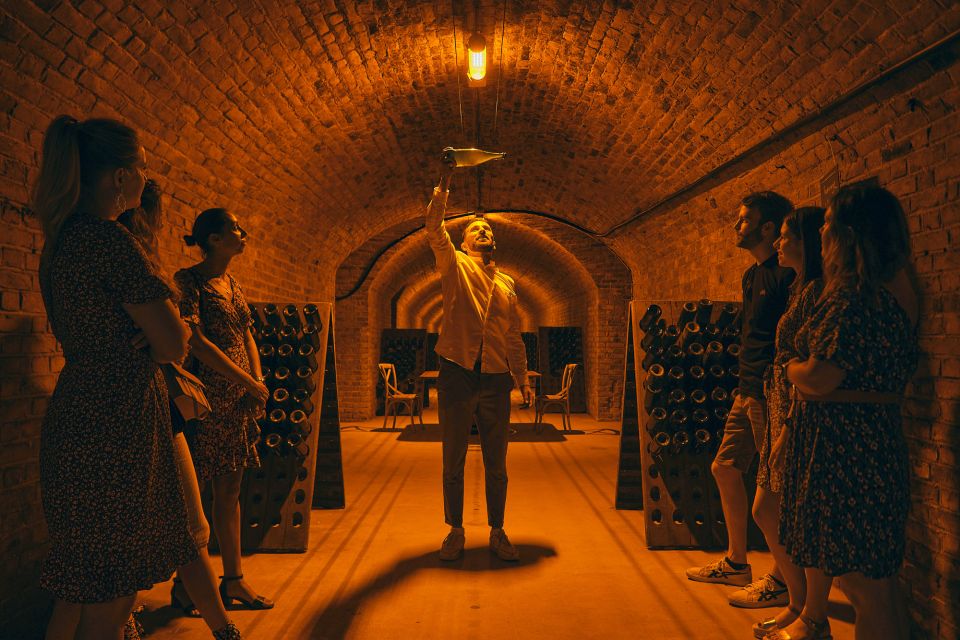
I’d book it if you want a Champagne experience that teaches you to taste instead of just serving you a few sips. The combo of 1850s cellars, a real traditional press moment, and interactive training (nose work plus blind tasting of 3 champagnes) is the sweet spot. Then lunch seals it, with regional food like pâté en croute and Langres cheese paired with Champagne.
I’d think twice if you only want big-house glamour or you’re not interested in guided tasting games. But if you want to leave with a better palate and a clearer idea of what makes Champagne taste the way it does, this is a very solid choice.
FAQ
How long is the Champagne tasting class with lunch?
The experience runs for 3 hours.
How much does it cost?
The price is $106 per person.
What’s included in the tour?
It includes a local guide, winery entry fees, a winery tour, 6 wine tastings, local snacks, and lunch.
What do I taste during the experience?
You compare the tastes of 3 different champagnes. The experience also includes tastings of Côteaux Champenois (local red wine) and Ratafia. In total, you get 6 wine tastings.
Where is the meeting point?
Meet at the winery by looking for the Clos Corbier sign, then ring the doorbell.
What should I bring?
Bring a jacket, since the cellars average about 10°C.
Is the tour wheelchair accessible?
Yes, the experience is wheelchair accessible.
Are children allowed?
Children under 18 years old are not allowed to drink alcohol.
Are pets allowed?
Pets are not allowed, but assistance dogs are allowed.
Is free cancellation available?
Yes. You can cancel up to 24 hours in advance for a full refund. You can also reserve now and pay later.