REVIEW · LILLE
Lille: 24, 48 or 72-Hour City Pass & 24-Hour Transportation
Book on GetYourGuide →Operated by Office de Tourisme de la Métropole Européenne de Lille · Bookable on GetYourGuide
A Lille City Pass turns planning stress into quick wins. I like the 24-hour transport option and the free entry to 20+ attractions, especially when you want to pack in art, heritage, and a few surprises. The main drawback: if you’ll only do a couple of sights in the center on foot, the pass may not feel like the best value.
This is a solid, practical setup for a short Lille stay: pick 24, 48, or 72 hours, then add one guided intro tour from the Lille Tourist Office (either the 75-minute panoramic bus or the 2-hour Old Lille walking tour). After that, you build your days around included sights sorted into clear themes, so your schedule stays realistic even when your feet get tired.
In This Review
- Key highlights that matter in real life
- Price and value: how $41 becomes more than a ticket
- Picking the right validity window: 24, 48, or 72 hours
- Redeeming your voucher at Palais Rihour (and why it affects your first hour)
- 24 hours of metro, bus, and tram: build a route that stops your back pain
- Guided tour by bus: the 75-minute panoramic intro
- Guided tour on foot in Old Lille: a 2-hour history walk without the homework
- The included sights by theme: how to plan so it feels fun
- MUST-SEES: major art and landmark stops
- FAMILY: calmer pacing with boats and science-style stops
- NATURE: parks and open-air options for a slower reset
- CULTURE AND HERITAGE: buildings, makers, and memorial spaces
- The big practical catch: Tuesday closures can mess up a perfect schedule
- Reduced-rate add-ons with HelloLille: expand beyond the included list
- Who this suits best (and who should skip it)
- Should you book the Lille City Pass with 24-hour transport?
- FAQ
- Where do I exchange my voucher?
- What’s included with the Lille City Pass?
- Do I get both guided tours or only one?
- Are guided museum tours included?
- Which attractions can I access for free, and how are they organized?
- Can I use the pass for discounts at other attractions?
Key highlights that matter in real life
- 20+ included attractions across art, family, nature, and heritage
- One full day of metro, bus, and tram access with each pass window
- Guided orientation by bus (75 minutes) or on foot in Old Lille (2 hours)
- Theme-based planning so you don’t waste time picking what to see next
- Optional reduced-rate add-ons with your HelloLille City Pass (Louvre-Lens, Lewarde, Dunkirk, more)
- Tuesday closures can bite many museums, so build around that
Price and value: how $41 becomes more than a ticket
The pass is priced around $41 per person, and the whole point is simple: you pay once, then you spend your time (not your money) on choosing what to see. The value math mostly comes down to how many included admissions you’ll actually use. Since it covers free entry to more than 20 sites, it tends to pay off when you do several paid stops rather than one big attraction.
If your plan is light—think a wander through Old Lille plus maybe one museum—you might do better buying individual tickets. One smart approach is to pick your top 4 to 8 “can’t miss” choices from the included themes, then see whether you’re close to using enough of them to justify the pass.
Also, don’t ignore the included transport for 24 hours. Even if you walk a lot, transit helps when you want to reach museums and neighborhoods beyond the immediate city-center loop without turning your day into a long foot marathon.
You can also read our reviews of more city tours in Lille


Picking the right validity window: 24, 48, or 72 hours
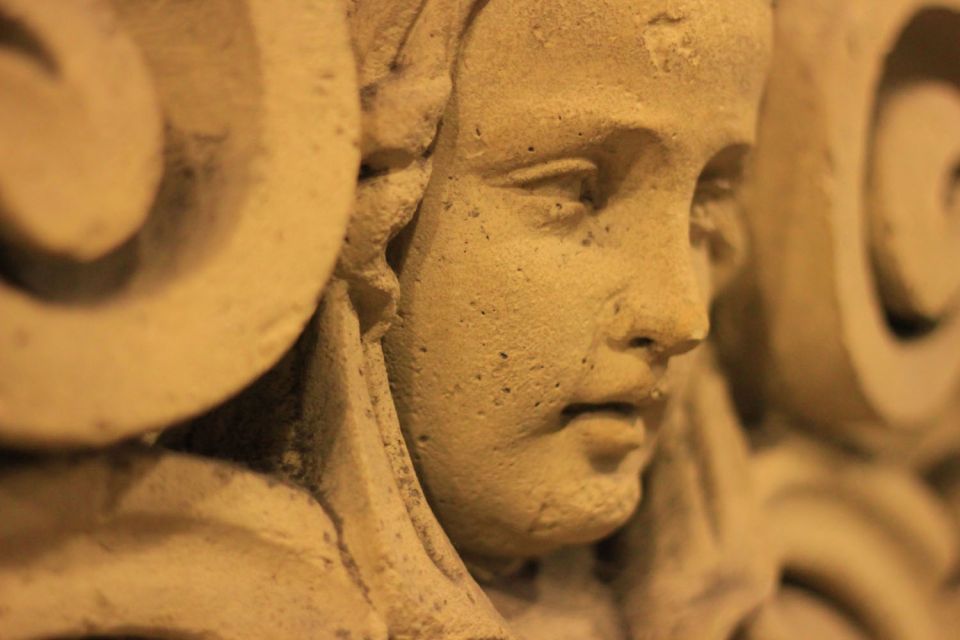
Your pass is valid for 1 to 3 days (24, 48, or 72 hours). That range matters because Lille can feel compact on a map, but the included list mixes big-ticket art museums, heritage sites, and places that work better as a timed museum-and-walk day.
A 24-hour pass is best when you’re ready to move fast: one guided tour plus a handful of nearby included entries. A 48-hour pass gives you breathing room for two “clusters” (for example, art-focused morning and heritage-focused afternoon). A 72-hour pass is what I’d choose if you want a slower rhythm and don’t mind spreading your included museums across multiple days, including one nature or open-air break.
One more practical note: LaM (Lille Métropole Museum of Modern, Contemporary and Outsider Art) is listed as reopening on February 20, 2026. If you’re traveling around that timing, the right pass length helps you build the schedule around what’s actually open.
Redeeming your voucher at Palais Rihour (and why it affects your first hour)
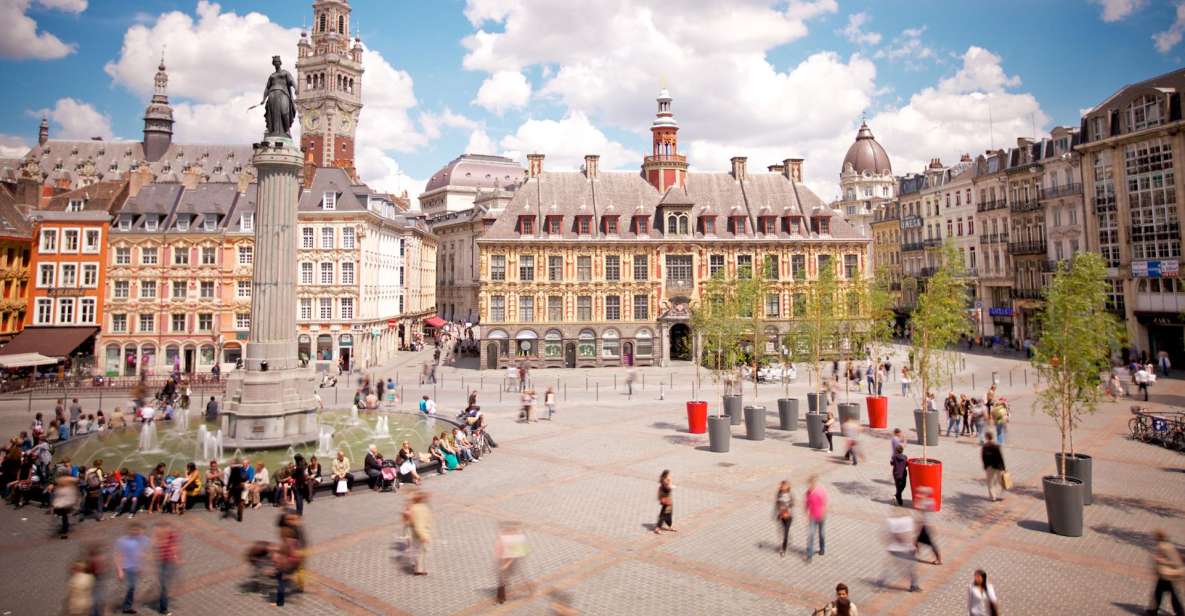
Your voucher needs to be exchanged at the Lille Tourist Office: Palais Rihour, 42 Place Rihour, 59000 Lille. This is the moment that sets your day up correctly, because the pass needs to be in your hands before you start hopping between venues.
The tourist office also matters because it’s your launch pad for the guided tours. It’s worth going with an open plan and a short list of must-sees so you can ask about tour timing and the best way to group sites.
One more heads-up: the office center is closed on January 1, May 1, and December 25. If your dates fall near those, don’t assume you can exchange later in the day—plan your redemption time carefully.
24 hours of metro, bus, and tram: build a route that stops your back pain
The pass includes 24-hour usage of Lille’s metropolitan public transport network: metro, bus, and tram. This is one of those benefits that doesn’t look exciting until you try to do museum hopping without it.
Here’s how you’ll feel the difference: you can plan your days around museum locations instead of around walking distance. Even if you’re comfortable on your feet, transit can turn a half-day “maybe” trip into a clear yes.
Practical way to use it:
- Start with one guided tour so you get oriented fast.
- Then use transit to reach the next theme-based cluster.
- Keep at least one “no-planning” block for parks or open-air spaces so you don’t burn out.
And remember: Lille is still very walk-friendly. Transit is there to extend your options, not to replace good shoes and sensible pacing.
Guided tour by bus: the 75-minute panoramic intro
If you choose the bus option, you get a 75-minute panoramic tour designed to introduce Lille’s main attractions. This is a great move for day one, because it gives you a mental map of where things are and what’s worth revisiting later.
The experience runs like a true orientation tour: there’s video and multi-lingual commentary, and the guide/driver can answer questions and add detail as you go. In practice, I’d treat this as your tool for deciding priorities, not just sightseeing.
A small scheduling tip that matters: check ahead about the bus tour start time you want. When you catch an earlier slot, you can sometimes get a more personal feel if the group is small. Either way, you’ll leave with a shortlist of buildings and areas you’ll want to walk back to.




Guided tour on foot in Old Lille: a 2-hour history walk without the homework
The alternative guided option is the 2-hour walking tour of Old Lille. This one is ideal if you want the city’s texture—street layout, key landmarks, and the logic of how the center connects.
If you want it in English, an included option is an English walking tour at 11:00 on Saturdays. Even if you’re not traveling on that day, the takeaway is useful: the tourist office staff can help you pick the best time slot for your language and pace.
What to expect from a walking tour like this:
- You’ll cover enough ground to understand the center quickly.
- You’ll get guided context for the major sights around you.
- You’ll come away knowing where to focus later with your free admissions.
Bring comfortable walking shoes. Two hours in a historic center can feel longer than it sounds, especially if you’re also juggling museum entry times.
The included sights by theme: how to plan so it feels fun
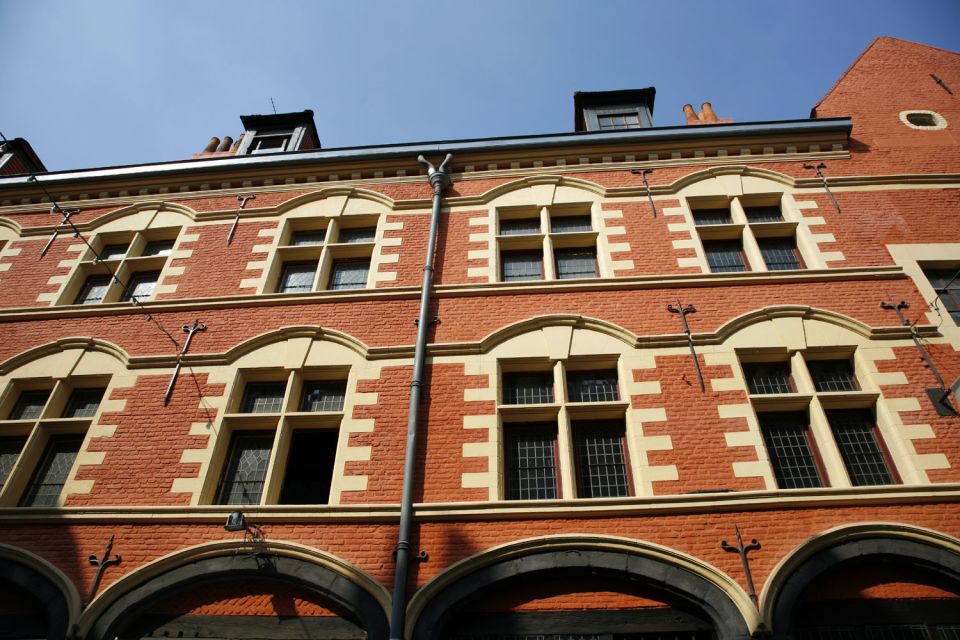
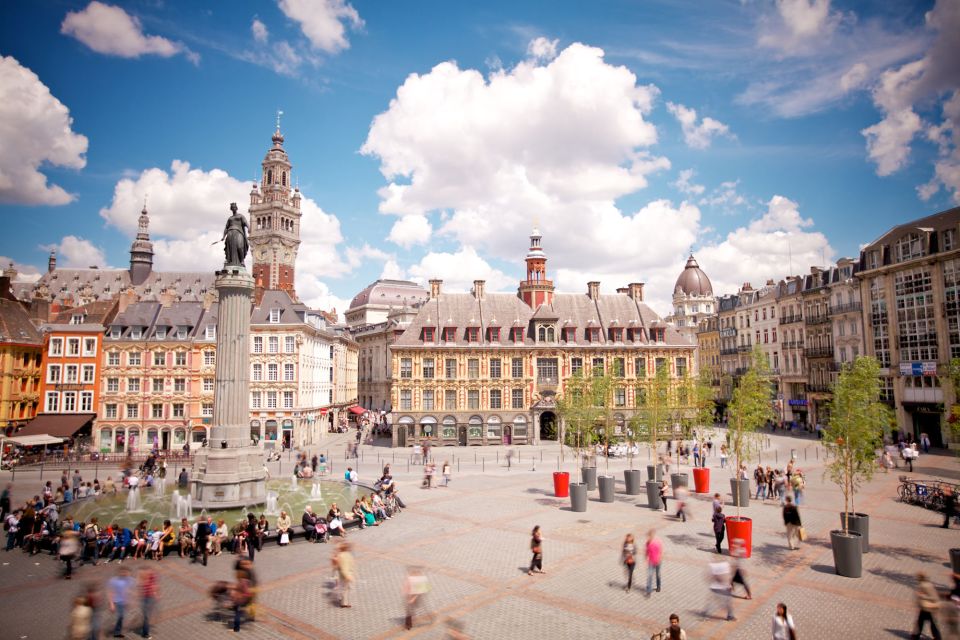
Your pass gives free entrance to around twenty must-see experiences, grouped into four themes. This structure is more helpful than it looks, because it prevents the classic mistake of jumping randomly between far-apart venues.
MUST-SEES: major art and landmark stops
This theme includes:
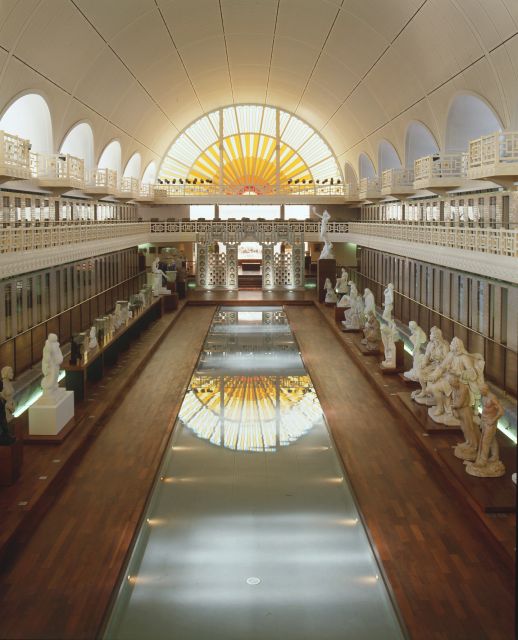
- La Piscine
- André Diligent Museum of Art and Industry
- Palais des Beaux Arts
- La Villa Cavrois
- Belfry of Lille City Hall
- LaM (with reopening February 20, 2026)
This set is for days when you want “big museum energy” and signature landmarks. If you love art, it’s also a good category for pairing one big indoor stop with one outdoor or architectural landmark.
How to avoid museum fatigue: don’t schedule all six in one day unless you’re used to museum marathons. Choose two or three and leave time to absorb them properly. The belfry and city-hall area can work as a natural pause point between indoor visits.
FAMILY: calmer pacing with boats and science-style stops
Family theme includes:
- Boat trip
- Departmental Science Forum
- Lille Pasteur Institute Museum
Even if you’re an adult with no kids in tow, this theme can be a welcome change from pure museum galleries. The boat trip especially can reset your day, giving you a different pace and view angle while still counting as an included experience.
NATURE: parks and open-air options for a slower reset
Nature theme includes:
- Les Prés du Hem
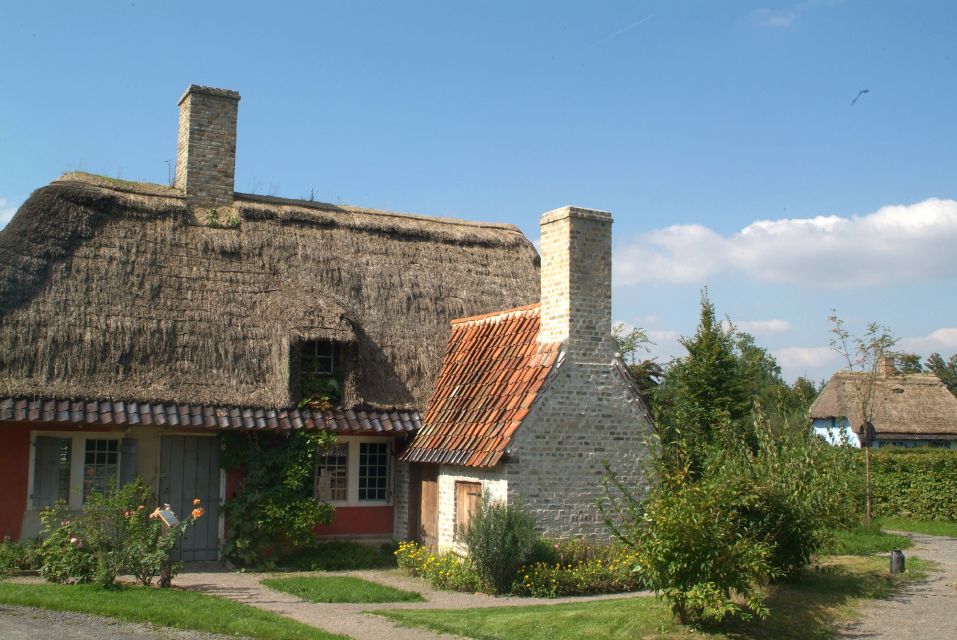
- Open-Air Museum
- Mosaïc Park
This is how you keep Lille from turning into a strict checklist. An open-air or park-based stop helps when you’ve already done one or two museum visits. It also helps you break up “indoor time” so you don’t feel like you’re just moving from room to room.
CULTURE AND HERITAGE: buildings, makers, and memorial spaces
Culture and heritage includes:
- La Condition Publique
- Hospice Comtesse Museum
- Charles de Gaulle Birthplace
- Arab World Institute Tourcoing
- Museum of Popular Arts and Traditions
- Battle of Fromelles Museum
- MuBA
- La Manufacture
This category is where Lille becomes emotionally layered. You’ll likely want to choose carefully based on your interests, because this mix can range from art and cultural venues to historical and memorial-focused spaces.
Simple planning rule: pick one “heavy” heritage stop and one “lighter” cultural stop per day. That balance makes the day feel thoughtful instead of exhausting.
The big practical catch: Tuesday closures can mess up a perfect schedule
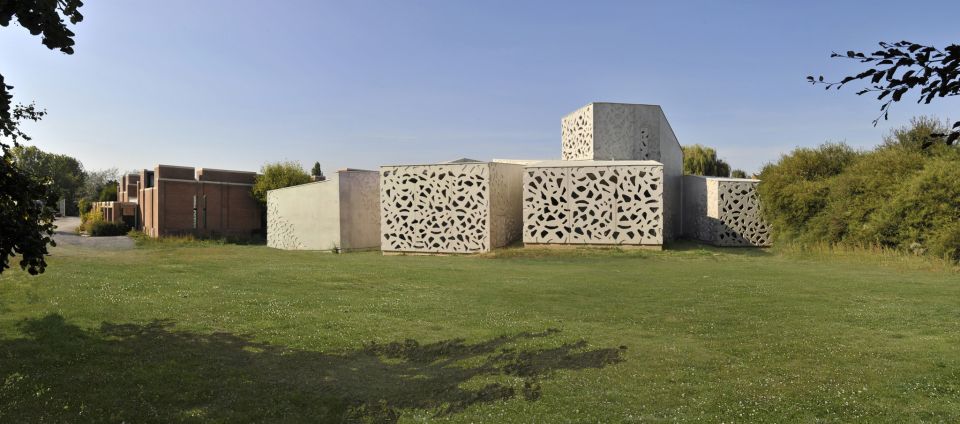
Many museums are closed on Tuesdays. Since multiple included sites are museum-style destinations, it’s smart to avoid building your main museum day for a Tuesday unless you’re intentionally focusing on whatever happens to be open.
If your dates include Tuesday, you can still use the pass effectively by leaning on:
- the guided tour (if it runs that day),
- outdoor options (like the nature theme),
- and any included sites that are open.
The pass gives you freedom, but it can’t override the opening calendar. Build your “must” day for a different weekday.
Reduced-rate add-ons with HelloLille: expand beyond the included list
Beyond the included free entries, you can also use your HelloLille City Pass for reduced rates at several well-known venues, including:
- Lille Museum of Illusions
- Louvre-Lens
- Lewarde Mining Center
- The Boves d’Arras
- The Wellington Quarries
- The Dunkirk Maritime and Port Museum
This is where the pass can stretch into bigger day plans. If you’re the type who likes one special excursion, reduced rates are how you add a “wow” stop without turning your budget into a spreadsheet.
One practical tip: the included transport is described as Lille’s metropolitan public transport network (metro, bus, tram). For farther outings like Lens or Arras-style destinations, you’ll want to plan your travel based on what you’ve got available on the ground during your trip dates.
Who this suits best (and who should skip it)
This pass is a strong fit if you:
- want a guided orientation early and then freedom to choose your next museum,
- plan to use the included attractions across more than one theme,
- like having a pre-built schedule structure so you don’t overthink every hour.
It can be less ideal if you:
- are only in Lille for a quick walk-and-photo stop,
- plan to stay entirely within a very small central radius,
- or you don’t think you’ll use enough of the included admissions to justify the cost.
In other words, the pass isn’t just about visiting Lille. It’s about unlocking a busy, multi-stop rhythm.
Should you book the Lille City Pass with 24-hour transport?
Yes, if you’ll do several included sites in one to three days and want transit to keep your plan realistic. It’s especially worth it when you’re curious about art and heritage, because the included themes give you enough options to build a thoughtful itinerary without constantly buying tickets.
I’d book with confidence if you:
- can redeem at Palais Rihour without rushing,
- can work around Tuesday closures,
- and you’re willing to pick 4 to 8 included experiences rather than one or two.
If you’re unsure, lean toward a shorter (24 or 48-hour) pass and choose your guided tour first. That forces a clear start and prevents you from paying for extra time you won’t use.
FAQ
Where do I exchange my voucher?
You exchange your voucher at the Lille Tourist Office at Palais Rihour, 42 Place Rihour, 59000 Lille.
What’s included with the Lille City Pass?
Your pass includes free entrance to more than 20 tourist sites and attractions in Lille, plus 24-hour access to Lille’s metro, bus, and tram network.
Do I get both guided tours or only one?
The pass offers a guided tour choice from the Tourist Office: either the 75-minute panoramic bus tour or the 2-hour walking tour of Old Lille.
Are guided museum tours included?
The City Pass does not include guided tours of museums. It does include admission to certain exhibitions.
Which attractions can I access for free, and how are they organized?
Included sights are grouped into four themes: MUST-SEES, FAMILY, NATURE, and CULTURE AND HERITAGE, with around twenty included experiences total.
Can I use the pass for discounts at other attractions?
Yes. With your HelloLille City Pass, you can get reduced rates at other venues such as Lille Museum of Illusions, Louvre-Lens, Lewarde Mining Center, The Boves d’Arras, The Wellington Quarries, and The Dunkirk Maritime and Port Museum.