REVIEW · ARLES
4×4 safari – 4h Alpilles Provence – Departure from Arles
Book on Viator →Operated by Safaris Camargue Alpilles · Bookable on Viator
Roman water and olive oil in four hours. This 4×4 Alpilles Provence safari turns a half-day out of Arles into a guided walk through history, geology, and farm-country stops. The best part is the mix: Les Baux de Provence with a short stroll, plus countryside sights tied to Roman water and local olive craft.
I especially like how the route stays focused. You get multiple meaningful stops in just 4 hours, and the guiding style (often Jean-Michel) keeps it funny, clear, and paced so you’re not rushed. One possible drawback: while the tour is offered in English, I’ve seen a case where a scheduling mix-up led to a French-speaking experience, which can matter if you don’t follow French well.
In This Review
- Key highlights worth planning around
- Entering the Alpilles: a tight 4-hour country lesson from Arles
- Meeting point and the small-group 4×4 vibe
- Stop at Les Baux de Provence: 30 minutes to wander and orient
- Roman aqueduct remains: how water shaped Arles and the hills
- The mill powered by Roman water: grain processing made visible
- Olive groves and an olive-oil producer stop (plus tasting)
- How the guide keeps four hours from feeling rushed
- Price and value: what you get for $74.70
- Weather and comfort: when good conditions matter
- Who this tour is best for (and who should skip it)
- Should you book the 4×4 Alpilles safari from Arles?
- FAQ
- How long is the 4×4 Alpilles Provence tour from Arles?
- Where is the meeting point in Arles?
- What is the time at Les Baux de Provence?
- Is the tour offered in English?
- How big is the group?
- Do I get a mobile ticket?
- What if the weather is bad?
- Can I cancel for free?
Key highlights worth planning around

- Small group cap of 12 keeps the drive and talks feeling personal
- Les Baux de Provence gets a 30-minute free stop to wander on your own
- Roman aqueduct remains and talk about how water shaped the area
- A mill tied to Roman water power shows how grain processing worked
- Olive-oil themed stops often include a tasting and mill structure explanations
- Jean-Michel-style energy: lots of humor, nonstop guiding, strong local passion
Entering the Alpilles: a tight 4-hour country lesson from Arles

This is the kind of tour that makes sense when you want “more than a drive,” but you don’t have the whole day. You start in Arles, then head into the Alpilles region, where low hill villages, olive groves, and Roman-era traces sit close together.
Because it’s only about four hours, the guide’s job is timing. And that’s exactly what makes it work. You’re not stuck waiting around, and you get enough time at the key spot to feel like you actually did something—without having to compress your whole Provence trip into one afternoon.
A few more Arles tours and experiences worth a look


Meeting point and the small-group 4×4 vibe

You meet at 1 Rue Emile Fassin, 13200 Arles, France, and the tour ends back there. That matters more than it sounds: after the tour, you’re not figuring out a new transport plan or a far-away drop-off.
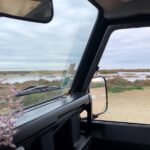
The group size is capped at 12 travelers, so you won’t be packed in like a bus tour. With a smaller group, the guide can adjust the pace, ask-and-answer more easily, and keep the stories flowing while you’re moving between stops.
The ticket is mobile, so you can keep everything on your phone and show up ready to go.
Stop at Les Baux de Provence: 30 minutes to wander and orient

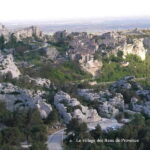
The itinerary’s anchor is a 30-minute free stop at Les Baux de Provence. This is short on purpose. Les Baux is a fortified hill town, and once you’re up there, you’ll want that “quick hit” to see the dramatic setting and get a feel for the streets.
In practice, use this time to do two things fast:
- Get your bearings right away (you’re on a hill, so viewpoints appear quickly)
- Pick one street-or-view path instead of trying to do the whole town in half an hour
Thirty minutes won’t turn Les Baux into a deep-dive. But it can give you the emotional payoff—stone, height, and that unmistakable Provence feeling of being perched above the countryside. If you’re the type who likes slow strolling and cafés, you’ll still enjoy it, but you may wish you had more time.
Roman aqueduct remains: how water shaped Arles and the hills
One of the most praised parts of this tour is the Roman water story. You’ll see remains of a Roman aqueduct and hear what those structures were doing in everyday life.
This isn’t just “look at old rocks” sightseeing. The guide explains the bigger point: water systems helped support settlements and agriculture. In one example, the guide tied in geology and even the old course of the Durance as part of the wider story of how the region formed. If you like learning how landscapes work, this is the section where it clicks.
Also, the tour is paced so you’re not standing around in one spot for ages. You’re moving—then stopping—so you keep momentum while still getting enough time for photos and listening.
The mill powered by Roman water: grain processing made visible
A standout add-on is the talk and sighting tied to a Roman grist mill. Several guides on this route focus on the mill structure and how it was powered by water channeled from the aqueduct system.
For me, this is where the tour goes beyond postcard history. You start seeing the logic behind Roman engineering: not just impressive buildings, but systems that produced food. Seeing the remains (and hearing how the water pressure and flow helped run the mill) makes the area feel less like ruins in the distance and more like a working machine that once shaped daily life.
If you’re the kind of traveler who loves practical history—how things functioned—this section will probably be your favorite.



Olive groves and an olive-oil producer stop (plus tasting)
The Alpilles is famous for olives, and this tour doesn’t treat that as a one-liner. You get an olive-oil related stop where the guide explains how oil production works, including how the mill structure relates to the aqueduct and water-powered ideas.
You should also expect time for olive oil tasting. This isn’t just about buying something later; it helps you connect the taste to the place and the process. After you’ve heard the mechanics, the tasting feels more like a payoff than a sales pitch.
There may also be stops timed for scenery—like views from higher overlooks and sometimes lavender fields—depending on the day and route planning. The common thread is that the guide uses the countryside scenes as “visual bookmarks” for the stories you’re hearing.
How the guide keeps four hours from feeling rushed

The most consistently praised factor is the guiding style. The name Jean-Michel shows up often in feedback, and the themes are the same: strong local passion, humor in the commentary, and very solid time management.
That last part is key. A four-hour tour can easily turn into “fast snapshots and long drives.” Here, the guide seems to build the timing so you get:
- enough listening time to understand what you’re seeing
- enough walking time to actually look around
- enough variety to feel like you left Arles and entered a different world
Even when there’s a language mismatch, the delivery can still keep the experience enjoyable. On one occasion, a scheduling issue led to a French-speaking segment, but the guide still carried the day with nonstop explanations and humor—and even a bit of help from other participants who stepped in.
If your French is basic, don’t panic. But it is a consideration if English is a must for you.
Price and value: what you get for $74.70
At $74.70 per person for about four hours, this is priced like a guided, vehicle-based regional experience. You’re paying for three things that add real value in Provence:
- local guiding that turns scenic stops into stories
- transportation that gets you through the Alpilles efficiently
- multiple themed stops (Roman water + olive production + fortified town)
Could you replicate some of this alone with a rental car? Maybe. But getting the right context at each stop—and having it organized into a tight half-day—can be the difference between “I saw things” and “I understand what I saw.”
If you want a structured route with storytelling and limited time, this pricing can feel fair. If you prefer totally free wandering with no guidance, you might find a self-drive day more flexible.
Weather and comfort: when good conditions matter
This experience requires good weather. That makes sense: you’re on the move, you’re stepping out at stops, and you’ll want decent visibility for viewpoints around Les Baux and the countryside.
If weather is poor, you’ll be offered another date or a full refund. So keep an eye on your day—then go in ready for a half-day outdoors with some walking on uneven ground around historic sites.
Who this tour is best for (and who should skip it)
This is a great fit if you:
- want a half-day experience from Arles
- like a guide who explains rather than just drives
- care about the connection between Roman engineering and local life
- want a taste of Provence beyond the city
It may not be your best match if you:
- need guaranteed English-only narration in every situation
- want a long, slow visit inside Les Baux (the stop is only 30 minutes)
Should you book the 4×4 Alpilles safari from Arles?
I’d book it if you’re trying to maximize meaning in limited time. The format is smart: start in Arles, hit a fortified hill town, then pair it with Roman water remains and an olive-oil stop that gives you something tangible to remember.
Here’s my practical “decision rule.” If you’re excited by history that explains how people lived—water systems, milling, and farming—this tour will likely feel worth it. If you’re just hunting for open-ended wandering, you may want more time at Les Baux or a different style of Provence day.
If you do book, go with a light plan for Les Baux: choose your direction quickly, focus on viewpoints and a short loop, and let the rest of your time belong to the stories between stops.
FAQ
How long is the 4×4 Alpilles Provence tour from Arles?
It lasts about 4 hours.
Where is the meeting point in Arles?
The tour starts at 1 Rue Emile Fassin, 13200 Arles, France.
What is the time at Les Baux de Provence?
You’ll have a 30-minute free stop at Les Baux de Provence.
Is the tour offered in English?
The experience is offered in English, and you’ll receive confirmation at booking.
How big is the group?
The tour has a maximum of 12 travelers.
Do I get a mobile ticket?
Yes, the tour offers a mobile ticket.
What if the weather is bad?
This experience requires good weather. If it’s canceled due to poor weather, you’ll be offered a different date or a full refund.
Can I cancel for free?
Yes. You can cancel up to 24 hours in advance for a full refund. If you cancel less than 24 hours before the start time, the amount paid isn’t refunded.