
REVIEW · DIVES SUR MER
Visite guidée à vélo à Cabourg & Dives-sur-Mer en français
Book on GetYourGuide →Operated by Cycles Lecoq · Bookable on GetYourGuide
Cabourg and Dives-sur-Mer reveal themselves best at bicycle speed. This private three-hour ride moves from a historic town to a polished seaside resort, then out toward marshes and quieter corners that are easy to miss on foot. Along the way, your French-speaking guide connects the views to old photographs, local stories, architecture, and the people who shaped the coast.
I like the easy 10-kilometer route, which has no significant uphill sections and suits anyone who wants a sightseeing ride rather than a workout. I also like the personal scale: with a private group, you can ask questions and pause over details such as Villa Les Bosettes, the Grand Hotel, and Cabourg’s seaside architecture.
The main drawback is simple but important: the tour is exclusively in French, and it is not suitable for children under 15. You also need closed shoes, and a windbreaker is sensible even in summer.
In This Review
- Key points at a glance
- Why a bicycle makes sense in Cabourg and Dives-sur-Mer
- Dives-sur-Mer: starting with the historic side
- Cabourg’s beach, casino, and Grand Hotel
- Villa Les Bosettes and the details above street level
- From resort streets to marshes
- William’s guiding style and the value of a private visit
- What to wear and what the equipment means
- Who will get the most from this ride
- Booking flexibility and practical planning
- Should you book the Cabourg and Dives-sur-Mer bicycle tour?
- FAQ
- Where does the bicycle tour take place?
- How long is the activity?
- How far do you cycle?
- What landmarks are included?
- Is the tour offered in English?
- What is included in the price?
- Can children join the tour?
Key points at a glance
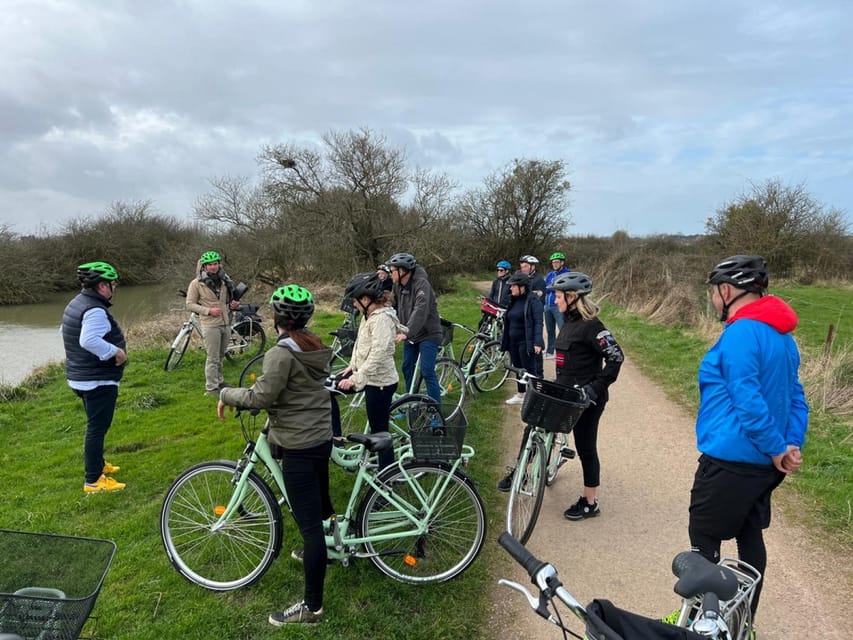
- A gentle 10-kilometer ride: The route has no difference in altitude, so you can focus on the scenery and commentary rather than keeping up with a racing group.
- Two towns and marshes in one outing: You see historic Dives-sur-Mer, resort-oriented Cabourg, and natural areas beyond the usual streets.
- Architecture with a local guide: Villas such as Les Bosettes help explain how Cabourg developed as a seaside destination.
- More than a beach ride: The tour covers thalassotherapy, famous local personalities, flora, fauna, local life, and period photographs.
- Private and French-speaking: You get a tailored visit, but you need enough French to follow the three-hour discussion.
- Bicycle, helmet, and basket included: You do not need to arrange the basic riding equipment yourself.
Why a bicycle makes sense in Cabourg and Dives-sur-Mer
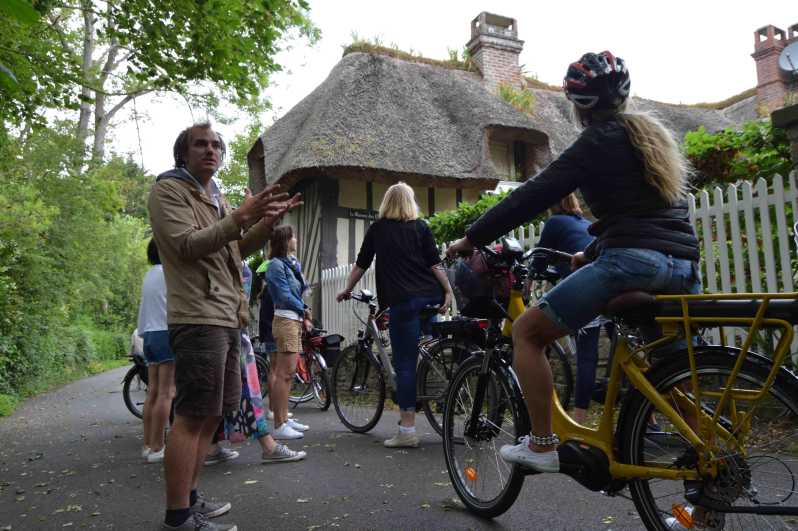
Cabourg is compact enough to explore on foot, but a bicycle gives you a wider view in the same amount of time. You can pass from the central resort area to less familiar streets and out toward the marshes without turning the outing into a demanding physical excursion.
That balance is the key appeal. This is not a cycling tour built around speed, distance, or athletic ability. The route covers about ten kilometers on classic bicycles, with no change in altitude, so you can listen to the guide and look up at the buildings rather than stare at the road.
The bicycle also helps connect the two personalities of the area. Dives-sur-Mer brings the older, historic side of the outing. Cabourg brings the seaside resort atmosphere, with its beach, casino, Grand Hotel, and grand villas. The marshes add a third setting, showing that the area is not only a line of tourist buildings beside the sea.
You should still feel comfortable riding a standard bicycle for three hours. The route is described as non-sporting, but it is not a short five-minute spin. If you have not ridden in years, you may want to consider how you feel on a bicycle before booking.
Dives-sur-Mer: starting with the historic side
The tour crosses Dives-sur-Mer as part of a broader story about the two towns. Rather than treating the area as one generic seaside stop, the guide explains how each place developed and how their roles differ.
The supplied tour details do not set a fixed list of named monuments in Dives-sur-Mer, so you should not expect a formal monument-by-monument walking tour. The value here is the wider context: streets, buildings, local life, and the relationship between the old town, the resort, and the surrounding marshes.
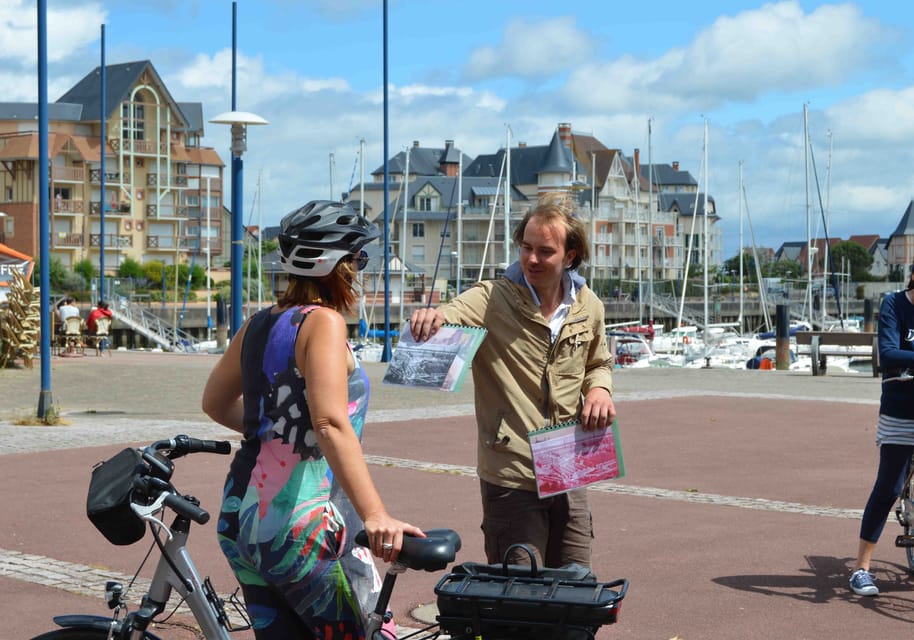
Your guide uses period photographs and anecdotes to show change over time. That matters because seaside towns can look decorative at first glance, with villas and hotels dominating the view. Historical images help you understand what came before the modern visitor experience and how the coast changed as tourism grew.
This portion should appeal to you if you like learning how a town developed rather than simply checking off famous buildings. It is also where a private format helps. You can ask why a street, building style, or area mattered, then keep moving when you are ready.
Cabourg’s beach, casino, and Grand Hotel
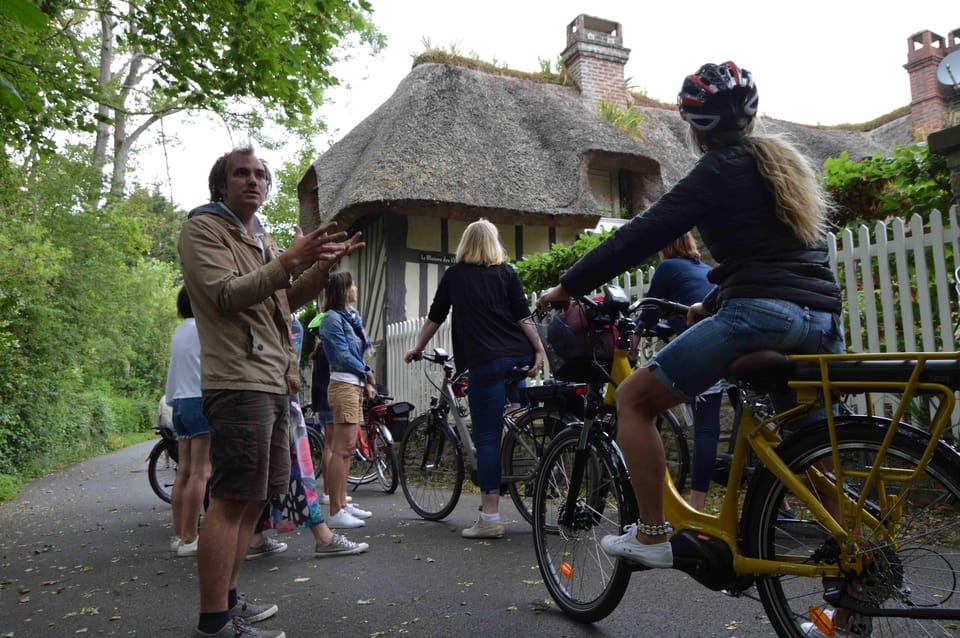
Cabourg supplies the classic resort scenery. The route includes the beach, the casino, and the Grand Hotel, three places that help explain the town’s identity as a destination built around the seaside.
The beach is not treated only as a photo stop. It forms part of the story of why people came here, how the resort sold itself, and how leisure shaped the town. The casino and hotel add another layer, showing the buildings and institutions that supported a fashionable seaside visit.
You will hear about influential personalities connected with the area, along with the rise of thalassotherapy. The tour information does not promise a spa treatment, so think of thalassotherapy as a topic in the local story, not an activity you will take part in.
The Grand Hotel and casino are especially useful reference points for understanding Cabourg’s resort planning. The guide discusses the architecture, rather than simply pointing out the facades. That makes the ride more rewarding for anyone who notices balconies, rooflines, decorative details, and the way villas face the coast.
Keep your expectations focused. This is a guided outdoor visit, not an interior tour of the casino or hotel. The main experience is seeing these landmarks in context while riding through the town.
Villa Les Bosettes and the details above street level
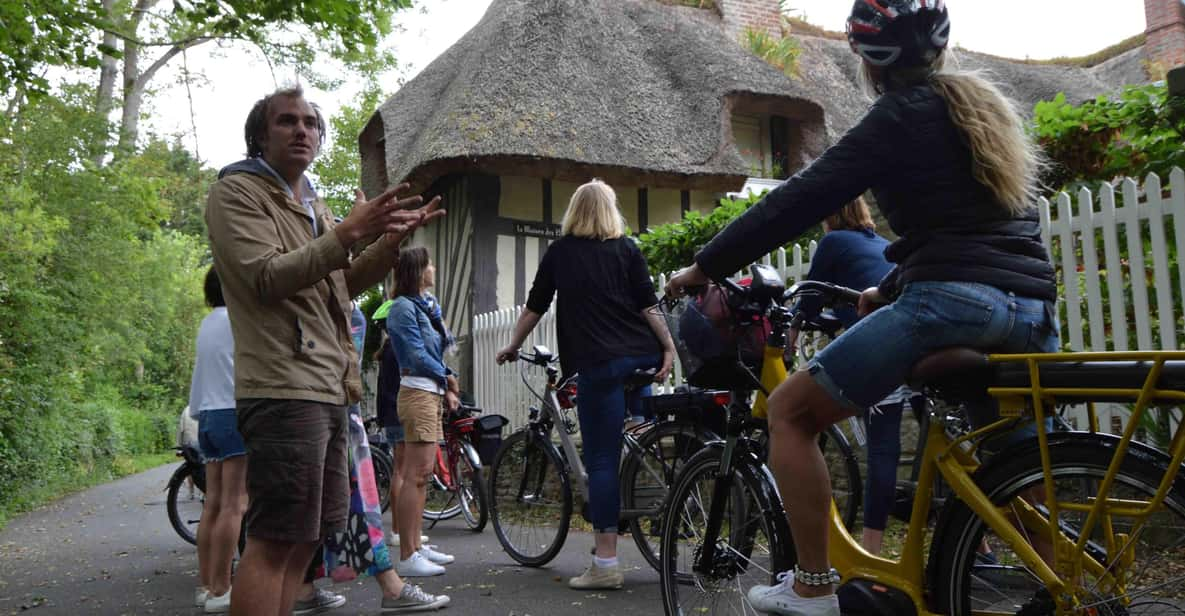
Villa Les Bosettes receives special attention, and this is one of the strongest reasons to choose the tour instead of renting a bicycle on your own. A rental would get you to the villa, but it would not automatically explain why its design matters or how it fits the town’s development.
The guide details the architecture of villas in the area, using Les Bosettes as an example. You may find yourself looking at elements that are easy to miss when walking quickly: the shape of a roof, ornamental work, the layout of a facade, or the way a house reflects the tastes of a particular period.
This architectural approach gives the ride a clear purpose. Cabourg’s villas are not just pretty backdrops. They help tell the story of a resort town, its visitors, its social ambitions, and the building boom that followed the growth of seaside tourism.
I would choose this tour if architecture interests you but you do not want a formal academic lecture. The guide’s approach combines buildings with anecdotes and photographs, making the information easier to connect to what you see in front of you.
Since the tour is in French, this section will be most useful if you can follow descriptive conversation. If your French is limited to basic travel phrases, you may enjoy the buildings but miss much of the explanation.
From resort streets to marshes
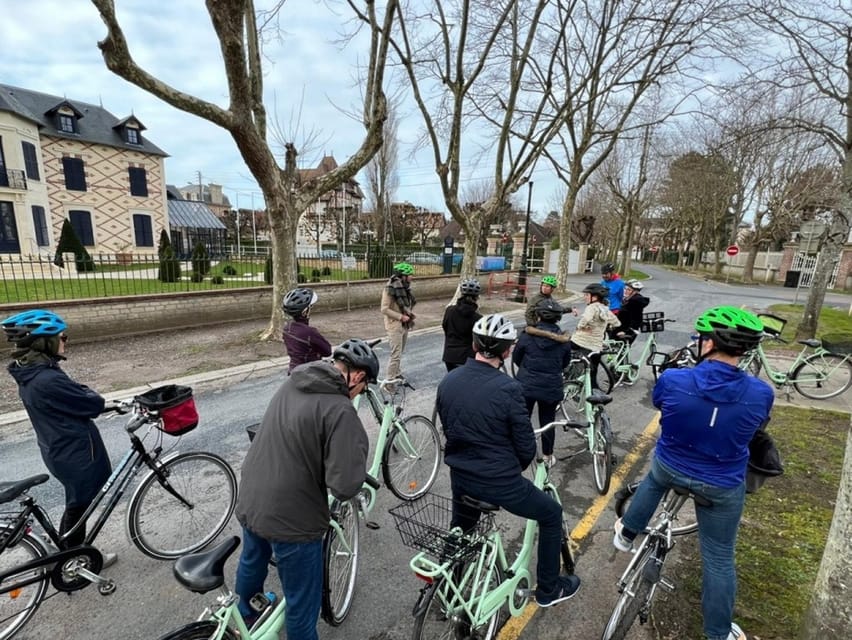
The route does not stay in the most obvious tourist neighborhoods. It reaches marshes and places you might not think to visit without local direction. That change of setting is one of the tour’s best features.
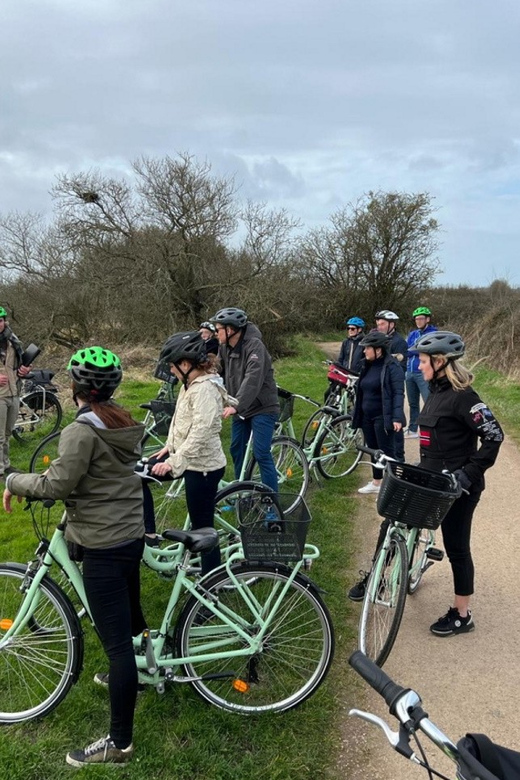
The marshes broaden the outing beyond architecture. The guide discusses fauna and flora as well as buildings and historical references, so the natural setting becomes part of the local story. You are not simply cycling from one town center to another. You are seeing how the coast, wetlands, resort development, and everyday life fit together.
The tour details do not specify particular animals, plants, trails, or viewing platforms. Do not book this expecting a dedicated wildlife expedition. Instead, expect the guide to point out aspects of the natural surroundings as part of the full route.
The marsh section also gives your three-hour visit some breathing room. The beach, casino, and grand hotel show the polished public face of Cabourg. The marshes provide a quieter contrast and make the region feel larger than the resort center.
William’s guiding style and the value of a private visit
William is named as one of the guides, and the strongest praise centers on his human, friendly, attentive approach and his passion for the region. He is described as able to communicate information about fauna, flora, architecture, and historical references with enthusiasm.
That combination is important. A guide can know many facts and still give a flat tour. Here, the information points to a more personal style, with anecdotes, period photographs, and attention to the people in the group. You should expect an interpretive visit rather than a scripted list of dates.
The private format lets the experience stay flexible in conversation. You can ask about a villa, local personality, resort tradition, or natural area while the subject is still in front of you. The group size is listed as private, with the price shown as $148 per group up to one person. Because the published price is not presented as a per-person rate, check the final booking details carefully if more than one person plans to ride.
For one participant, that price buys three hours of guiding plus a bicycle, helmet, and basket. It is not the cheapest way to rent a bike, but it is a fairer comparison against a private guided experience, not a self-guided hire. The value comes from local interpretation, the broader route, and the ability to ask questions.
The tour runs every day of the year, with suggested starting times at 10 a.m. and 2:30 p.m. You are asked to request your preferred time slot. The morning ride may suit you if you want to keep the afternoon free, while the later departure gives you more time for a relaxed start to the day.
What to wear and what the equipment means
A bicycle, helmet, and basket are included. The basket is useful for small personal items, but it should not be treated as a place for bulky luggage. The included helmet adds a practical layer of comfort, particularly if you are unfamiliar with the bicycle provided.
Closed shoes are required. Sandals and flip-flops are not allowed, and open-toed shoes should stay in your hotel bag. This rule matters even though the route is gentle, since you still need secure footing while riding and stopping.
In summer, bring closed shoes, a windbreaker, and possibly water. Coastal weather can shift, and a light jacket is more useful than relying on a warm afternoon forecast.
In winter, bring a warm windbreaker, scarf, and possibly gloves. The tour operates year-round, but a three-hour ride near the coast can feel much colder than a short walk through town.
The route has no altitude gain, but that does not mean every participant will find three hours effortless. The experience is best for people aged 15 and over who are comfortable on a classic bicycle and happy to ride at a sightseeing pace.
Who will get the most from this ride
You should consider booking if you want to see more than the main Cabourg streets and prefer a local guide to a rental map. The route suits curious adults and older teenagers who enjoy architecture, regional history, local personalities, and natural surroundings.
It is also a good match if you have only a short stay and want one activity to cover several parts of the area. In three hours, you can connect Dives-sur-Mer, Cabourg, the beach, resort landmarks, villas, and marshes without arranging separate visits.
French ability is the biggest deciding factor. The tour is exclusively in French, and the guide’s storytelling is central to its value. If you speak enough French to follow a sustained conversation, you should get much more from the experience than you would from simply cycling past the same places.
I would be cautious if you want a fast ride, a long-distance cycling challenge, or a tour conducted in English. I would also look elsewhere if you are traveling with children under 15, since the activity is not suitable for them according to the stated conditions.
Booking flexibility and practical planning
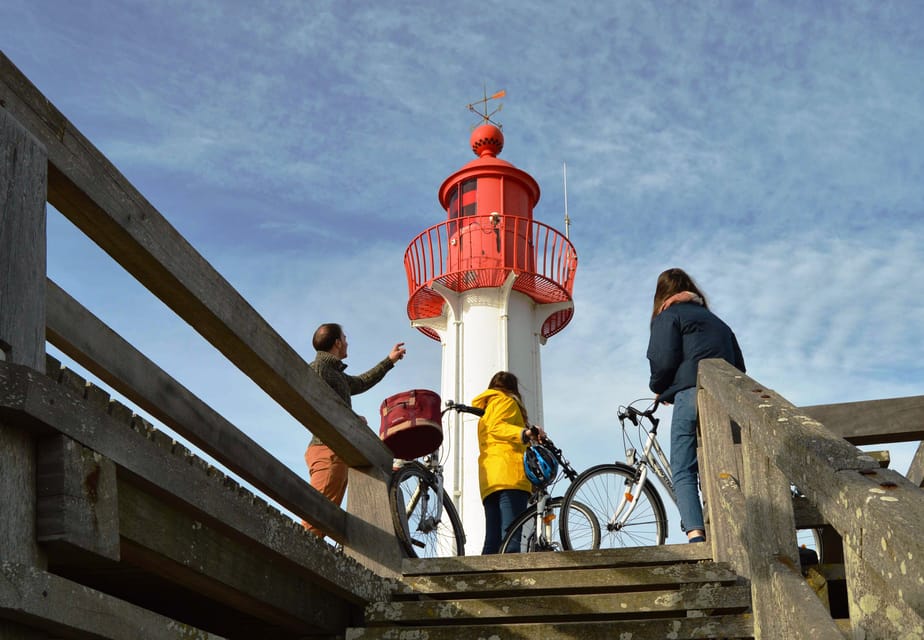
You can cancel up to 24 hours before the activity for a full refund. The reserve-now, pay-later option lets you hold a place without paying immediately, which is useful when coastal weather or your day-to-day plans are uncertain.
The activity lasts three hours, and available start times should be checked when you book. The published schedule lists 10 a.m. and 2:30 p.m., but you are asked to request your time slot, so do not assume every departure is automatic.
Plan to arrive ready to ride. Wear closed shoes, bring weather protection, and carry water when conditions call for it. Since the activity is private, you may have more room for questions, but the French-only format remains firm.
The perfect companion to this tour is not another major attraction. It is a little time afterward to think back over the route, especially if you are interested in how seaside resorts grew and how their architecture shaped local identity.
Should you book the Cabourg and Dives-sur-Mer bicycle tour?
Book this ride if you want a gentle, private introduction to two nearby Normandy towns and can follow French. The combination of Dives-sur-Mer’s historic setting, Cabourg’s beach and resort landmarks, Villa Les Bosettes, and the marshes gives you more range than a standard town-center walk.
The experience is particularly strong for people who value a guide’s interpretation. William’s friendly, passionate style is a major part of the appeal, and the attention to architecture, local life, flora, fauna, thalassotherapy, and influential personalities gives the three hours real substance.
Skip it if you need English commentary, are traveling with younger children, or want a serious cycling workout. For everyone else, the $148 group price is worth considering as payment for a personal, locally focused outing rather than simple bicycle rental.
FAQ
Where does the bicycle tour take place?
The tour takes place in Normandy and visits Dives-sur-Mer and Cabourg. The route also passes through marshes and includes seaside roads.
How long is the activity?
The guided ride lasts three hours.
How far do you cycle?
The route is about ten kilometers and has no difference in altitude. It is described as a non-sporting route.
What landmarks are included?
The route includes the beach, casino, Grand Hotel of Cabourg, and villas such as Villa Les Bosettes. The guide also discusses the architecture of the area.
Is the tour offered in English?
No. The visit is exclusively in French, with a live French-speaking guide.
What is included in the price?
A guide, classic bicycle, helmet, and basket are included.
Can children join the tour?
The activity is not suitable for children under 15 years old.


