REVIEW · MACON
Visit : Château du Moulin-à-Vent, where time is an ally
Book on GetYourGuide →Operated by Château du Moulin-à-Vent · Bookable on GetYourGuide
The best part of this experience is its focus on how Moulin-à-Vent wine changes with time. You move from the terrace and granite soils to the old cellar, then taste several vintages side by side. I like the historic setting and the chance to see Clos de Londres, the estate’s key vineyard. The main consideration is the $93 price for two hours, which makes this a better choice for serious wine lovers than casual sightseers.
I also like that this is a private group tour, with an English- or French-speaking guide and wheelchair access. Emilie led the September 2025 visit recorded here, on her first day, and made a strong impression by helping the group learn during a beautiful outdoor tasting day. Feedback is limited, though, with only three ratings and an overall score of 3.4, so I would treat the positive note as encouraging but not final proof of consistency.
In This Review
- Key points at a glance
- Starting at 4 Rue des Thorins
- The terrace explains Moulin-à-Vent before the wine does
- Three centuries of Château du Moulin-à-Vent
- Inside the winery, harvest becomes wine
- The 16th-century vaulted cellar
- Clos de Londres and the view of the windmill
- Seven wines in the Chapelle des Thorins
- Is $93 a fair price?
- Who should book this château visit?
- Practical details before you go
- Should you book Château du Moulin-à-Vent?
- FAQ
- Where does the tour begin?
- How long does the experience last?
- How many wines are included?
- Which vintages are included in the vertical tasting?
- Is the tour available in English?
- Is the experience wheelchair accessible?
Key points at a glance
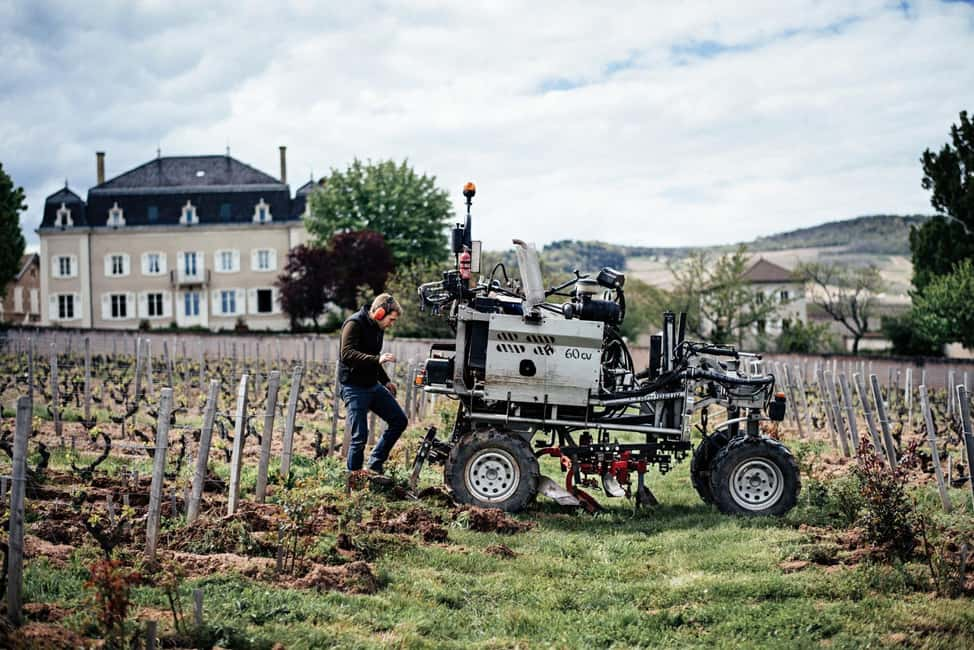
- A terrace with a working lesson in terroir: See the Moulin-à-Vent appellation from above while learning about granite, pink sands, wind, and five of the area’s 69 named terroirs.
- A cellar dating to the 16th century: The vaulted cellar gives the discussion of aging a real physical setting.
- Clos de Londres is the emotional center: Visit the estate’s emblematic parcel with a view toward the historic windmill.
- Seven wines, not just a quick sample: The tasting includes a vertical of the Château du Moulin-à-Vent cuvée and single-parcel wines.
- A private two-hour format: You get direct access to the guide, but the short schedule leaves little room for lingering.
- Check the vintage list before booking: The supplied details differ on some older vintages, so confirm the exact lineup for your date.
Starting at 4 Rue des Thorins
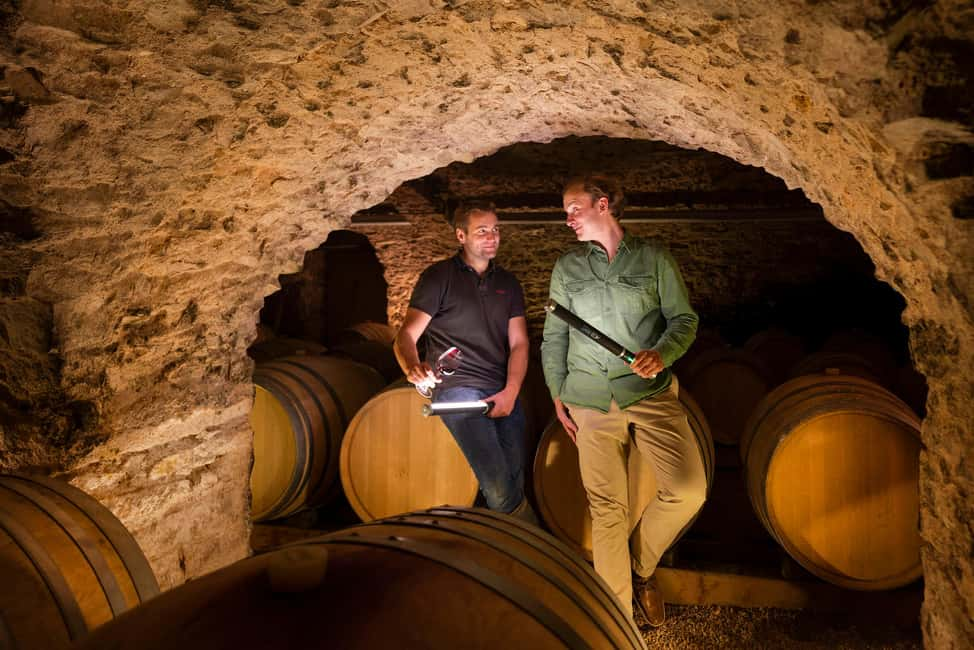
The meeting point is easy to identify if you know what to look for. When you reach the emblematic Moulin-à-Vent windmill, keep it on your right, continue for about 300 meters, and look for the château on the right at the corner of the street.
That instruction matters because the experience begins at the estate rather than in a town-center office. Allow a few minutes to orient yourself before the start time, especially if you are arriving by car or following road signs through the wine country. The supplied information does not give parking details, so you should confirm that point directly if parking is important to your plans.
The tour lasts two hours, divided into roughly one hour of guided visits and one hour of wine tasting. That is a sensible length for a focused estate visit, but it is not a leisurely half-day program. You will get the main story, the production areas, the key vineyard, and a serious tasting without spending all afternoon at the property.
You can also read our reviews of more tours and experiences in Macon.



The terrace explains Moulin-à-Vent before the wine does
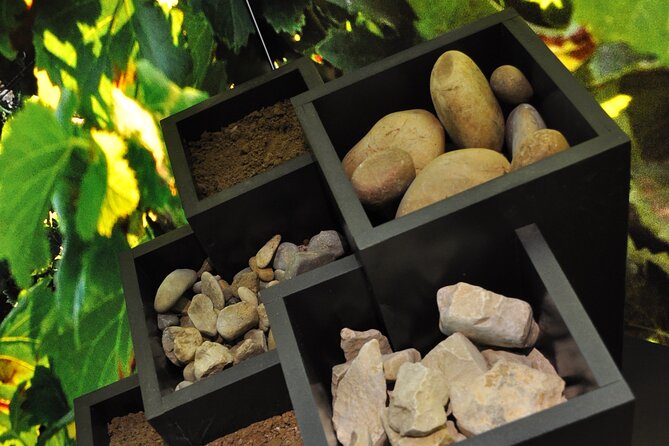
The terrace is the right place to begin because it gives you a view before you get technical. From here, the guide explains the character of the Moulin-à-Vent appellation, including its granitic soils, the pink sands associated with the area, and the effect of winds that move across the appellation and the estate.
I like this opening because it gives you something to look for in the glass later. Wine tasting can become a string of vague impressions when the setting and soil are treated as decoration. Here, the terrace discussion connects the physical site to the wine in front of you.
The estate points out five different terroirs from this viewpoint, out of 69 identified within the appellation. That number gives you a useful sense of scale. Moulin-à-Vent is not one uniform patch of vines, and the estate’s wines are meant to show differences between parcels and environments.
The wind is part of the name and identity of the appellation, while the granite and pink sand help explain why the wines have a distinct local profile. The guide’s job is to make those ideas practical rather than simply recite geology. If you already know Beaujolais, this portion should sharpen your understanding of Moulin-à-Vent. If you are new to the region, it gives you a framework for the tasting.
Three centuries of Château du Moulin-à-Vent
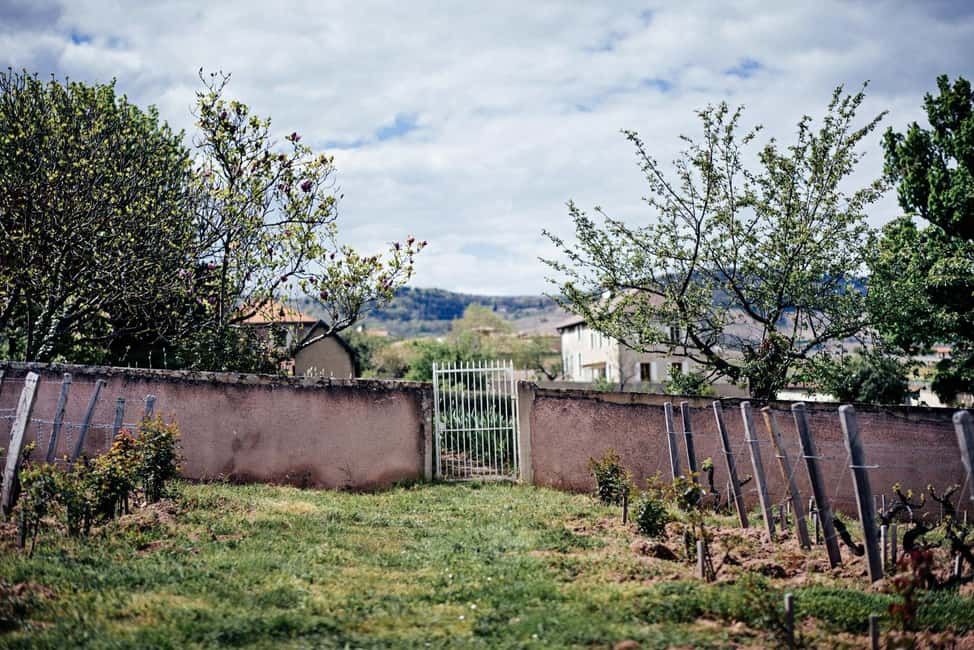
The château has been a benchmark estate since 1732, and the tour uses that long timeline to show how the property reached its current direction. You hear about the families who carried the estate through three centuries and about the continuing faith in the site.
This historical portion is valuable because it links the old buildings to current decisions in the vineyard. The château is not presented only as an attractive backdrop. Its history is part of the explanation for why the estate protects certain parcels, experiments with farming, and holds wines for long aging.
The tour does not appear to be a museum visit with a long list of dates. Instead, the history supports the larger story of continuity and change. You see an estate with old foundations that is still testing new methods.
For a visitor who mainly wants photographs, the historical talk may feel less essential. For anyone interested in how a wine property survives across generations, it adds needed context. The private format should also make it easier to ask questions, though the experience is limited to English and French.
Inside the winery, harvest becomes wine
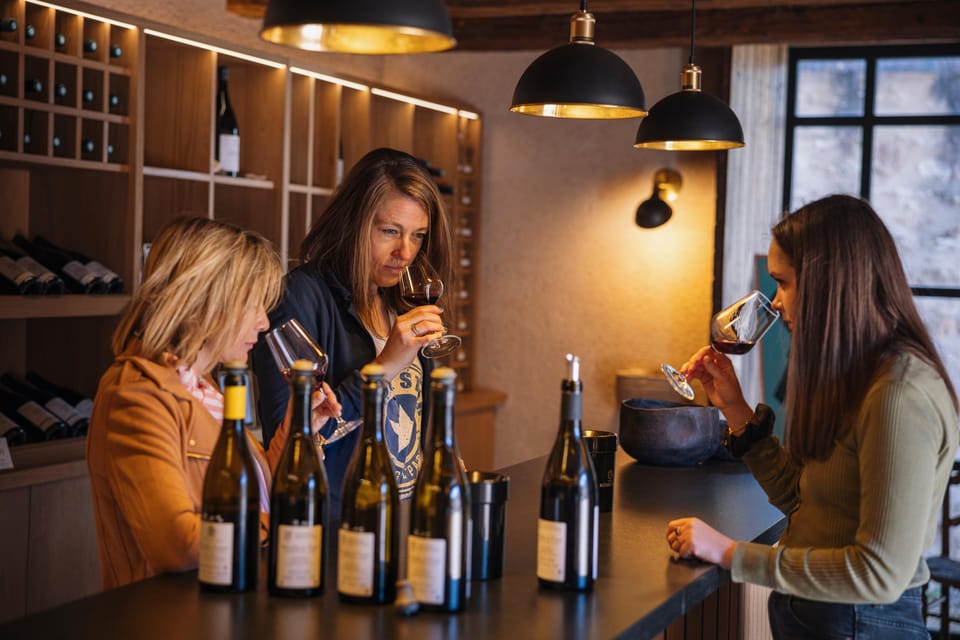
The visit then shifts from scenery and history to production. In the winery, the guide explains the estate’s methods and choices, and traces the process from harvest through aging.
This is where the tour earns much of its price. A standard tasting can tell you what is in the bottle. A winery visit explains why the bottle tastes that way. You should expect discussion of how the wines are made and how decisions at harvest affect the final result, although the supplied details do not specify each technique or the exact equipment used.
The technical section also prepares you for the older vintages. A vertical tasting only works when you understand what is being compared. You are not simply sampling seven unrelated wines. You are looking at the estate’s reference cuvée across different years, then comparing it with single-parcel selections from 2022.
I would pay attention to the guide’s explanation of method rather than trying to memorize every production term. Ask how the estate’s choices are intended to show the site, how the wines change in the cellar, and why certain parcels are bottled separately. Those questions fit the purpose of the visit and make the tasting more useful.
The 16th-century vaulted cellar
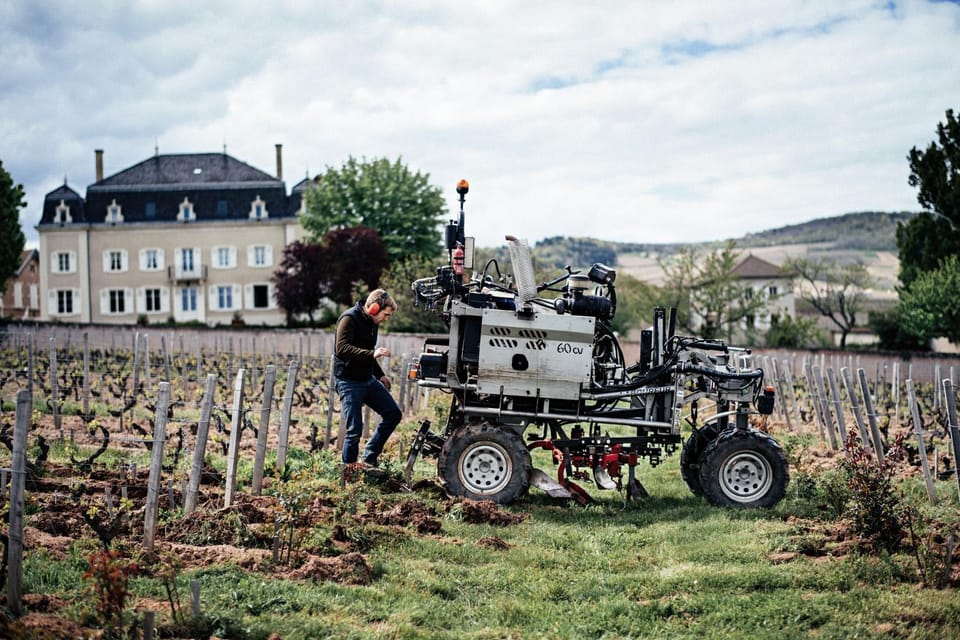
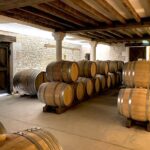
The estate’s vaulted cellar dates to the 16th century. Its age gives the aging discussion more weight than a simple statement that the wines can be stored for years. You are standing in the kind of place where that claim becomes part of the building around you.
The cellar is also the bridge between production and tasting. First, you see how the estate makes its wines. Then you see where aging takes place. Finally, you taste bottles held in the château’s private cellars under stated optimal aging conditions.
Do not expect the cellar visit to replace a full architectural tour. The program is only two hours, and the cellar is one stop among several. Still, it is a meaningful stop, especially if you care about old-vintage wine. A modern tasting room can explain age, but an old vaulted cellar helps you feel the time involved.
The cellar may be less important to you if your main interest is vineyard farming or current winemaking. In that case, the Clos de Londres visit will probably be the stronger part of the day.


Clos de Londres and the view of the windmill
The tour’s high point is the visit to Clos de Londres, the château’s emblematic vineyard. This parcel sits on the Le Moulin-à-Vent terroir and offers a view of the historic mill, the symbol of the appellation.
That setting brings the entire visit together. The windmill gives the appellation its visual marker, while the vines show the specific ground from which the estate’s wines come. You are no longer discussing a place in general. You are looking at one parcel and hearing why it matters.
Clos de Londres is also where several of the estate’s major projects began. The program highlights the move toward organic farming, massal selection, and the first micro-cuvées. These details are important because they show that the château’s identity is not based only on old buildings and old bottles.
Organic farming is presented as a transition, not as a slogan. Massal selection refers to choosing plant material from the estate’s own vines for future planting, a long-term approach that ties new vines to the character of the property. The micro-cuvées show a move toward smaller, more precise expressions of individual sites.
You may find that this is the most memorable section if you like vineyard walks and place-based wine. The exact amount of walking is not stated, so ask the provider about the route if mobility is a concern. The activity is listed as wheelchair accessible, but the visit includes a vineyard and old cellar, so confirming the practical route in advance is sensible.
Seven wines in the Chapelle des Thorins
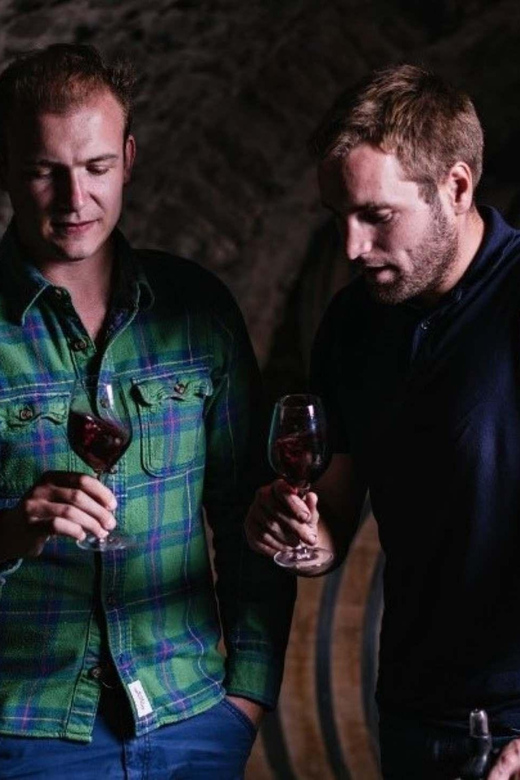
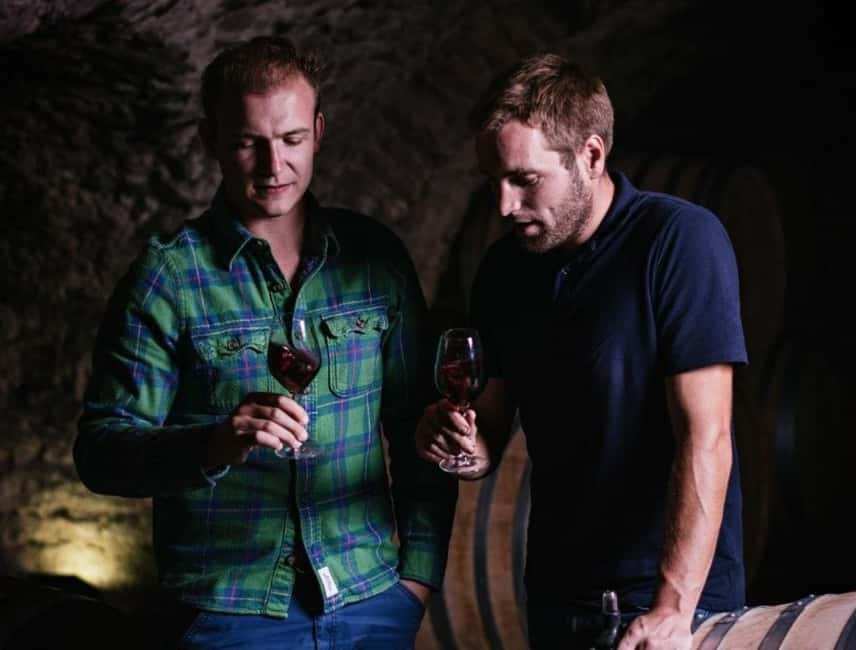
The tasting takes place in the Chapelle des Thorins and includes seven wines. Its main feature is a vertical tasting of the Château du Moulin-à-Vent cuvée, described as the estate’s reference wine.
The supplied information gives several versions of the vintage lineup. The main description names 2011, 2015, 2016, and 2022. The detailed program lists 2005, 2011, 2015, and 2022, while another inclusion note lists 2005, 2011, 2015, and 2021. Because older bottles can change with availability, confirm the exact vintages before you book or at the start of the tasting.
Whatever the final lineup, the purpose is clear: you compare the same principal cuvée across different years. This is one of the strongest reasons to choose the tour. A single vintage tells you about one harvest. A vertical tasting shows how the wine develops, how structure changes with age, and how much life the château’s wines can retain.
The estate keeps some of these bottles in private cellars, under conditions intended for long aging. That does not mean every bottle will suit every palate. Older wine can be more subtle and less immediately fruity than young wine, and some visitors prefer the energy of a recent vintage. The value is in the comparison.
The tasting then moves to three 2022 single-parcel selections:
- Les Vérillats
- Champ de Cour
- La Rochelle
These wines let you compare individual sites rather than only different years. The result is a useful two-part lesson: time changes one cuvée, while place changes the character of separate parcels.
Since the tasting includes seven wines, the experience is more serious than a token pour at a shop counter. You should still pace yourself and take notes if you want to remember the differences. The supplied details do not state the pour sizes or whether food is served, so do not assume this replaces lunch.
Is $93 a fair price?
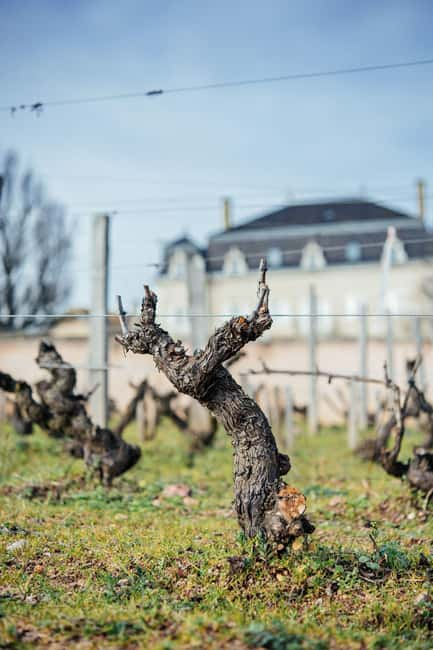
At $93 per person, this is not a bargain tasting. You are paying for a private two-hour visit, a guide, access to the château and its production areas, the Clos de Londres vineyard, the old cellar, and seven wines that include rare or aged bottles.
I think the price can make sense if you care about Beaujolais, older vintages, or the relationship between parcels and finished wine. The vertical tasting alone is more unusual than a standard lineup of current releases, especially when older bottles come from the estate’s own cellars.
The value is weaker if you want only a scenic vineyard stop and one or two easy-drinking samples. In that case, the history and technical explanations may feel like more than you need, while the two-hour schedule and $93 cost may seem high.
The private group format improves the value for couples, families, or small groups who want to ask questions and set the pace within the fixed schedule. It is less compelling for a solo visitor on a tight budget, unless the rare vintages and parcel comparisons are a main reason for the trip.
Who should book this château visit?
I would recommend this experience to wine drinkers who want more than a tasting-room introduction. It suits you especially well if you are curious about:
- How granite-based sites affect Moulin-à-Vent wines
- The difference between old and young vintages
- Single-parcel bottling
- Organic farming and massal selection
- The history of a long-running estate
- The connection between the windmill, the appellation, and the vineyards
It is also a good fit if you want a private experience rather than a large group tour. English and French are offered, and wheelchair access is listed.
I would hesitate if you dislike technical wine talk, have only a short appetite for tasting, or mainly want a casual countryside photo stop. The program is focused and information-heavy for its length. You will get more from it if you arrive ready to compare, listen, and ask questions.
Practical details before you go
The meeting point is 4 Rue des Thorins, at the Château du Moulin-à-Vent. Look for the Moulin-à-Vent windmill on your right, continue about 300 meters, then find the château on the right at the street corner.
The tour runs for two hours, with one hour devoted to the guided visit and one hour to tasting. Starting times vary, so check availability for your date.
English and French guides are available. The group is private, and wheelchair access is listed. Free cancellation is available up to 24 hours before the experience for a full refund, and you can reserve while delaying payment, which helps if your route through the Rhône region is still changing.
The only recorded personal note identifies Emilie as the guide on September 21, 2025. She was on her first day and was described as very pleasant and helpful in teaching the group. Since guide assignments can change, do not assume Emilie will lead your visit.
Should you book Château du Moulin-à-Vent?
Book it if you want a focused lesson in Moulin-à-Vent, especially one built around old vintages and individual parcels. The terrace, Clos de Londres, 16th-century cellar, and seven-wine tasting give the two hours a clear purpose.
Skip it if you are looking for the cheapest way to sample Beaujolais or prefer a short, informal tasting with little explanation. At $93, this experience asks you to care about the details. For the right wine drinker, that is exactly why it is worth choosing.
FAQ
Where does the tour begin?
The meeting point is 4 Rue des Thorins at Château du Moulin-à-Vent. After passing the Moulin-à-Vent windmill on your right, continue about 300 meters. The château is on the right at the corner of the street.
How long does the experience last?
The experience lasts two hours. About one hour is used for the guided visit and one hour for the wine tasting.
How many wines are included?
The tasting includes seven wines. It features the château’s reference cuvée across several vintages, followed by the 2022 single-parcel wines Les Vérillats, Champ de Cour, and La Rochelle.
Which vintages are included in the vertical tasting?
The supplied details list different vintage combinations. They mention 2011, 2015, 2016, and 2022 in one place, and 2005, 2011, 2015, and 2022 in another. A separate note lists 2005, 2011, 2015, and 2021. Confirm the exact lineup for your visit.
Is the tour available in English?
Yes. The live guide is available in English or French.
Is the experience wheelchair accessible?
Yes, the activity is listed as wheelchair accessible. Because the program includes a vineyard and an old vaulted cellar, confirm the practical route with the provider if you need specific accessibility arrangements.