REVIEW · NICE
Train Exp. through the Alps (Royal Baroque Route from Nice)
Book on Viator →Operated by Nice Creative Tours · Bookable on Viator
A train day through the Alps from Nice is a great idea. You’ll ride a scenic mountain railway, then walk village streets and viewpoints with a local guide on a route known for baroque-era charm. I like that you get authentic small towns plus real hands-on hiking, not just bus-and-photo stops. The biggest trade-off: this is an active day with some steep uphill sections, so you’ll want decent mobility.
In This Review
- Quick highlights and one reality check
- Key points to know before you go
- Why the Royal Baroque Route feels different from a normal day trip
- Meeting in Nice: getting on the train without stress
- The scenic train ride through the southern Alps and its engineering details
- Saorge: medieval village time and an optional hike to the Monastère
- Monastère de Saorge: baroque architecture in quiet surroundings
- Tende and the Roya Valley: where the walk ramps up and the lunch lands
- What the hiking really means (and how not to get stuck waiting)
- Lunch included: local food without the scramble
- The guide makes the day: history that you can actually use
- Price and value: is $204.37 worth it?
- When to go and what to wear for all-weather mountain conditions
- Your practical packing list for this 10–12 hour alpine day
- Should you book this Nice-to-Alps train day trip?
Quick highlights and one reality check
You’ll start in the center of Nice, meet your guide in the morning, and head straight into the maritime Alps by rail. I also like that lunch is handled for you—an included local meal—so you can focus on the views and the walking instead of hunting for food. One possible drawback: the plan can shift a bit depending on season or weather, and the longer hikes can be demanding even if participation is optional.
Key points to know before you go
- Start smart in Nice: meet at Gare de Nice-Ville near Boulangerie Paul with a clear guide sign.
- Brand-new trains on an old route: modern carriages plus early-1900s engineering highlights like tunnels, bridges, and canyons.
- Saorge gives you options: monastery walk is a short but sporty uphill add-on with standout views.
- Tende adds real elevation: there’s stair work if you want the best viewpoints.
- Lunch is included in a local setting: it’s part of the day’s pacing, not a rushed stop.
- Maximum group size is 30: small enough for you to hear the guide without feeling crowded.
You can also read our reviews of more tours and experiences in Nice.
Why the Royal Baroque Route feels different from a normal day trip
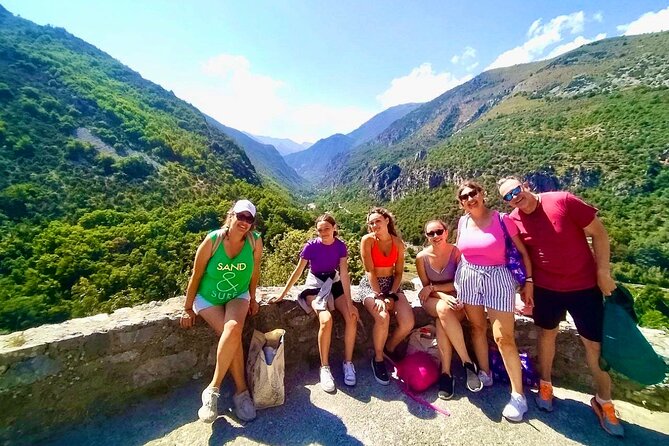
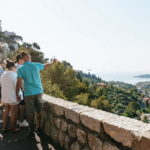
The Royal Baroque Route in this corner of France isn’t about checking famous landmarks. It’s about slow mountain time: valleys, stone villages, old religious buildings, and border stories that still show up in architecture. The train part matters because it sets the mood early—you’re not waiting around until the scenery finally starts.
This day trip is also built around variety. You’ll get a scenic rail ride, then village time, then a walk/hike section that helps you feel the altitude and scale of the Alps. If you enjoy travel days that combine easy direction with real outdoors time, this fits.
Meeting in Nice: getting on the train without stress
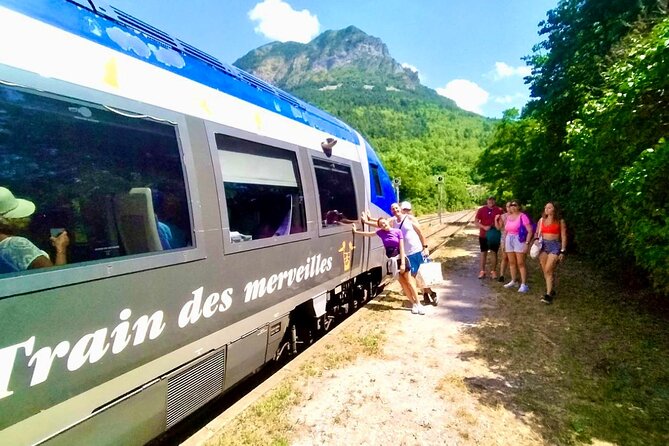
You’ll meet in Nice at Gare de Nice-Ville at/around 7:55am, in front of the main entrance area near Boulangerie Paul (look for a blue sign that matches the tour name). The meeting spot is on 12 avenue Thiers. It’s a short walk from the Tramway (Line 1) stop called Gare Thiers.
Two practical rules:
- Arrive early enough to regroup if you’re delayed by crowds or station confusion.
- Don’t show up late. The day’s rhythm depends on leaving on time.
One more helpful detail: the operator notes that departures happen at 8:30am from Gare de Nice-Ville. That means even if you meet slightly earlier, the clock is moving toward a firm departure.
The scenic train ride through the southern Alps and its engineering details
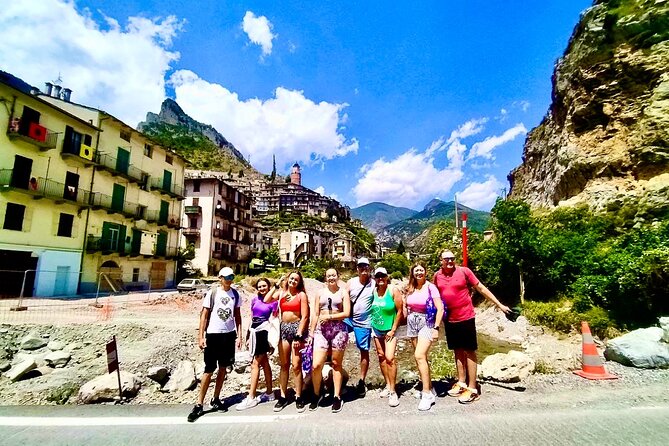
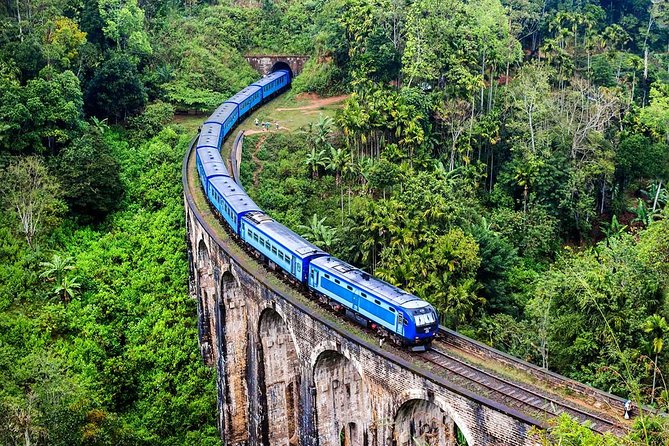
Once you’re on the train, you’re in for views through the southern Alps along mountain valleys that connect the Nice region toward the Piedmont side of northern Italy. The route is famous for early 20th-century civil engineering—think bridges, tunnels, canyons, and artwork you see as the train threads through the terrain.
Even better, this isn’t the rattly, old-coach feel some people expect from “historic lines.” The day uses new trains, which makes a big difference when the seats are your main comfort during the ride.
Expect stops along the way, plus a gentle transition from city energy to valley calm. This is a good segment for photos, but also for listening—because the guide will frame what you’re seeing so the scenery feels connected, not random.
Saorge: medieval village time and an optional hike to the Monastère
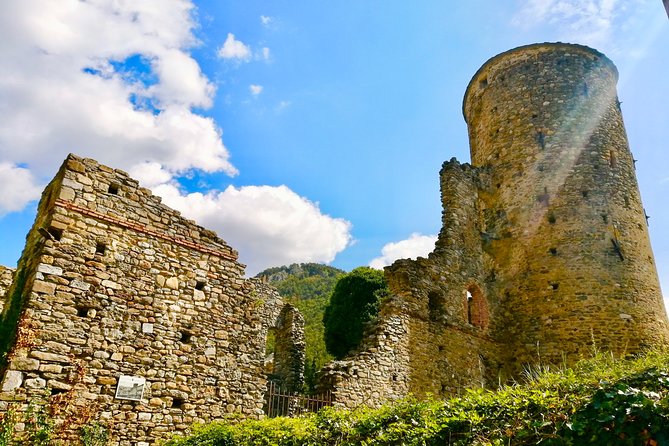
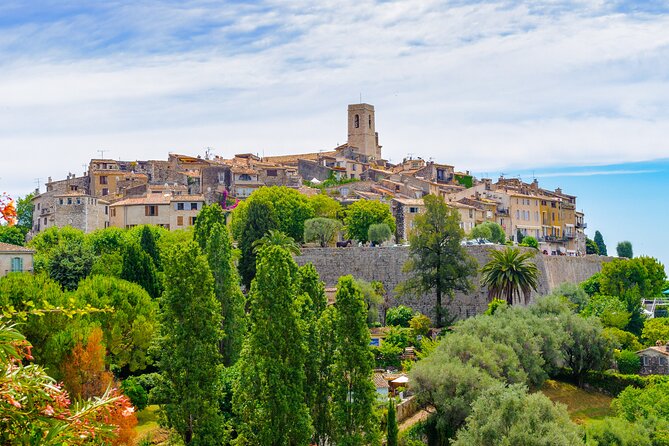
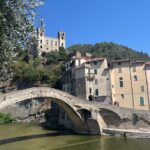
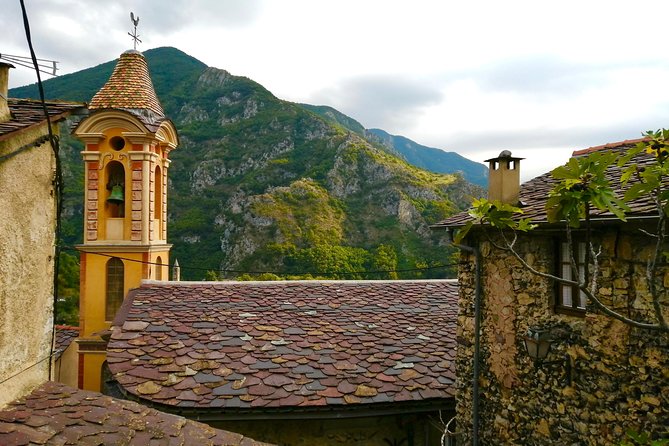
Saorge is the first medieval highlight most people remember. It’s classified as one of France’s most beautiful medieval villages, with dramatic views over the Alps and surrounding canyons. When you step out into Saorge, you get that “stone village on a ridge” feeling fast.
You’ll spend about 1 hour 15 minutes there, and you can shape your pace:
- If you want a viewpoint payoff, walking uphill toward the monastery is recommended. It’s described as about 150 meters uphill—short distance, but it’s uphill.
- If you prefer less effort, you can still enjoy the village and then move on with the group.
Saorge also brings stories. The village connects to old border history and medieval fortification ideas, so it feels more like living history than just “pretty streets.” And yes—the cathedral is a standout sight when you’re standing inside that medieval layout.

Monastère de Saorge: baroque architecture in quiet surroundings
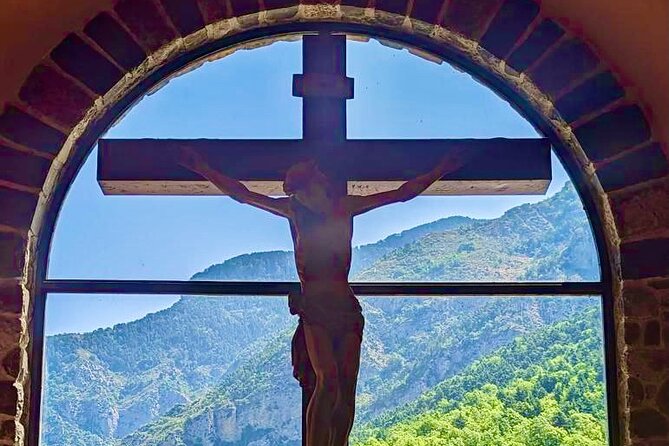
After Saorge, the day visits the Monastère de Saorge, described as a baroque jewel unique in France. What makes this stop feel special is the atmosphere: peaceful courtyard space, rooms and gardens you can actually wander through, and panoramic viewpoints that make the effort feel worthwhile.
You’ll have about 45 minutes here, with admission included. That’s enough time to take in the layout without feeling rushed. This is also a good reset moment between longer walking segments—shade, stone, and that “stop and look” kind of travel.
Tende and the Roya Valley: where the walk ramps up and the lunch lands
Tende is the active shift of the day. It’s a medieval village with castle ruins, impressive monuments, and a cathedral, plus a strong Italian heritage influence—because the region’s story is about more than France alone.
In many departures, you’ll have around 4 hours connected to this area. Lunch happens here in a typical local restaurant, and the day is designed so the meal fits naturally after the uphill efforts.
There are two things to keep in mind:
- Good physical condition helps, because there are important uphill sections and stairs if you want the full experience.
- The day may also include a nature or cultural add-on near the Mercantour National Park area, depending on the day and season. Some itineraries mention a museum about Bronco Age engraving stones—so if that type of detail appeals to you, arrive ready to be flexible.
The best value of Tende is that it feels less tourist-perfected. You’re not just looking at an attraction; you’re in the rhythm of a mountain town.
What the hiking really means (and how not to get stuck waiting)
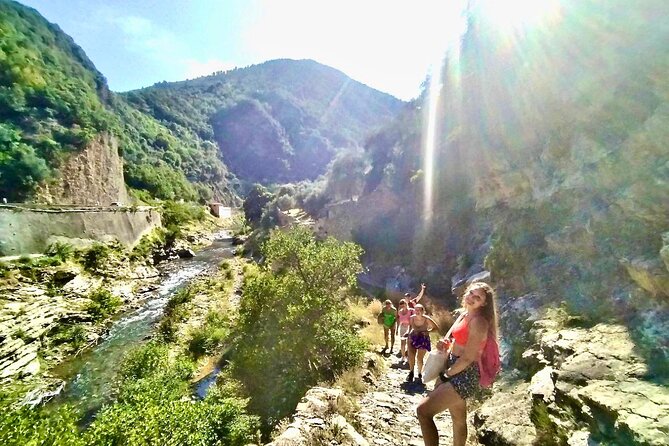
This tour is built for people with moderate fitness, and the day involves roughly 9 miles (about 15 kilometers) on foot across the full outing. Some of that walking is uphill, and the steep moments aren’t just a few steps—they’re enough that shoes matter.
Here’s the practical truth from how the day is structured:
- Some hikes are optional, and your guide will offer alternatives.
- But if you choose the less active route, you should plan for the fact that small villages don’t always have the same options and open hours as bigger towns.
So if you’re on the fence, decide ahead of time what you mean by moderate. Ask yourself: can you handle 30–60 minutes of steady uphill walking when the terrain turns stair-like?
If you want the best views and monuments, this is not the day to treat walking as a minor add-on.
Lunch included: local food without the scramble
Lunch is one of the strongest parts of the value here. It’s not just a sandwich stop—it’s planned in a local restaurant, with a meal that’s described as plentiful. People also note that menu options can fit different palates, and you should advise dietary requirements at booking so the operator can help.
Practical tip: after a hike day, even a normal restaurant meal feels big. Drink water in the morning so lunch feels like fuel, not recovery.
The guide makes the day: history that you can actually use
A good guide doesn’t just recite dates. Here, you’ll get guidance that helps you move between villages and understand what you’re seeing—especially on a route where border history, churches, and fortifications shape the streets.
On the ground, guides are known for clear meeting-point direction and flexible pacing. If you’re lucky enough to have a guide like Carmela or Cyril, you may notice a style that mixes story, humor, and practical timing—people consistently mention they felt cared for and never lost.
If you want to get the most out of the baroque-and-medieval focus, bring curiosity. When the guide connects the dots—why a monastery sits where it does, how fortresses respond to borders—the places turn from scenery into context.
Price and value: is $204.37 worth it?
At about $204.37 per person, the price looks high only if you compare it to the cost of a normal train ticket and a generic meal. But this isn’t a simple transport package.
You’re paying for:
- A full-day structure built around train transport and mountain connections
- Guided walking/hiking and on-site direction (not self-guided)
- Lunch included
- Admission included for some key stops (including the Monastère de Saorge and certain segments)
It also helps that the group size is capped at 30, which usually means less waiting, more conversation, and easier regrouping. If you’ll actually do the hikes and want that guided context, the money feels more like “pay for a day that runs smoothly” than “pay for transit.”
If you’re the kind of person who hates uphill walking, then the value math changes. In that case, you may prefer a shorter outing or one with less elevation—because this day is designed with walking in mind.
When to go and what to wear for all-weather mountain conditions
The tour operates in all weather conditions except if it rains all day. That means you should dress like the mountains can change their mind quickly.
Pack for a mix of:
- Morning cool air and afternoon warmth (layering is your friend)
- Slippery stone and stair sections if it’s damp
- A long day: even if you’re not constantly walking, you’ll still be outside at stops
Also, the guide sends a text message the day before with final details like temperature and clothing advice. If you like planning, you can also check meteo Tende for the day of your tour.
Your practical packing list for this 10–12 hour alpine day
Don’t overpack. Just bring what you’ll use:
- Comfortable walking shoes with grip (stair sections matter)
- A light rain layer or packable shell
- Water (even with lunch provided, you’ll still want sips during hikes)
- A small day bag for phone, cash/card, and layers
- Sun protection (yes, even in cooler months)
- Your mobile ticket—this tour uses a mobile ticket system
One more small tip: since you’ll meet early, keep your morning routine simple. If you’re juggling tram/train transfers to reach the meeting point, do it the night before so your arrival is calmer.
Should you book this Nice-to-Alps train day trip?
Book it if you want a single-day dose of the French Alps that mixes scenic train riding with real village walking. You’ll love it most if you enjoy medieval architecture, baroque religious sites, and the feeling of moving through mountain valleys rather than staying parked.
Skip or reconsider if you know you can’t handle uphill stairs and steep walk segments, even if you plan to take an easier option. In small villages, “easy” sometimes still means more waiting and less to do than you’d expect.
If your goal is a guided, authentic-feeling day from Nice—where the itinerary is guided, the lunch is handled, and the scenery shows up early—this one is a strong bet.