REVIEW · BORDEAUX
Tasting of Bordeaux red wines, wine and charcuterie pairings
Book on Viator →Operated by I love my 2cv · Bookable on Viator
Bordeaux gets more fun when you can compare it side by side. This small-group tasting (up to six people) makes the Left Bank vs Right Bank lesson feel clear fast, and I love that you get real Q&A time with hosts Mathilde and Cécilia instead of just following along. You’ll also get practical tips you can use the next time you’re staring at a Bordeaux wine list. One thing to consider: it’s about an hour, so if you want a long, slow crawl through dozens of pours, this may feel like a quick hit.
What makes it work is the structure. You taste a handful of carefully chosen reds with snacks, learn how grape variety and terroir change aroma and texture, and take home a tasting booklet so you can keep going after the last sip.
In This Review
- Key Things to Love About This Bordeaux Tasting
- Bordeaux in One Hour: Left Bank vs Right Bank, Made Simple
- Mathilde and Cécilia: The Human Part of the Lesson
- What You Taste: Four Wines, a Mystery Glass, and Aging in Practice
- The tasting doesn’t stop at the “easy” pours
- How the tasting is taught
- Charcuterie Pairings: Why Meat and Wine Can Teach You a Lot
- Where It Happens in Bordeaux: Stone Room, Courtyard, or Cellar
- Price and Value: $46.99 for What You Actually Get
- Who Should Book This Tasting (and Who Might Want More Time)
- Make It Easier on Yourself: Small Tips Before You Go
- Should You Book This Bordeaux Red Wine and Charcuterie Tasting?
- FAQ
- How long is the Bordeaux red wine tasting?
- How many wines will I taste?
- Is it only for wine experts?
- How large is the group?
- Where does the tasting take place?
- What language is the experience offered in?
- What is the cancellation policy?
Key Things to Love About This Bordeaux Tasting

- Up to 6 people: personal pacing and plenty of questions
- Left Bank vs Right Bank clarity: Médoc reds versus Saint-Émilion Merlot styles
- More than a flight: four selected wines plus a mystery glass and a mature wine
- Wine and charcuterie pairings: food helps you spot changes in tannins and aromas
- Take-home guidance: a tasting booklet you can actually use later
- Seasonal setting: stone room, courtyard, or cellar depending on weather and timing
Bordeaux in One Hour: Left Bank vs Right Bank, Made Simple
Bordeaux reds can feel like a word maze. This tasting tackles that head-on by using the region’s two big personalities: the Left Bank (often more structured) and the Right Bank (often softer and fruitier).
The tasting frames the Left Bank around Cabernet Sauvignon–led structure from the Médoc, and the Right Bank around Merlot-driven softness from Saint-Émilion. The point is not to memorize names. The point is to taste your way into patterns—think acidity balance, tannin feel, and how the fruit shows up on your tongue.
In practical terms, you’ll learn to separate what’s happening in the glass:
- grape variety (what the wine is made from)
- terroir (where the grapes grew)
- winemaking choices (how producers shape aroma and texture)
Once you can do that, buying Bordeaux gets less intimidating. Instead of hunting for labels, you start hunting for the style that fits your taste.
You can also read our reviews of more food & drink experiences in Bordeaux
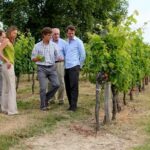
Mathilde and Cécilia: The Human Part of the Lesson

A good wine course doesn’t just talk at you. It listens to what you like, then uses that as a map.
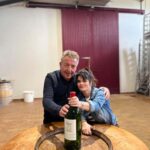
This experience is guided by Mathilde and Cécilia, certified experts who keep the tone friendly and flexible. From what I can tell, the best moments are the ones where you stop being a passive drinker and start asking why the wine tastes the way it does.
If you’ve ever worried that wine tasting is for people who already know the vocabulary, this is a relief. The hosts guide you through aroma and flavor cues in a way that’s meant for all levels. You can be brand-new and still follow the logic. You can also be more advanced and still get useful refinements—like how pairing and aging change the impression of the same wine.
Also worth noting: the company offers the experience in English, and most people can participate. Service animals are allowed too, which is a real plus for planning.
What You Taste: Four Wines, a Mystery Glass, and Aging in Practice

The headline is four different wines. Each one is chosen to show a specific side of Bordeaux red style. Some are mono-varietals, others are blends, and you’ll taste from family estates—some described as organic and others tied to Grand Crus.
Here’s why that matters. Bordeaux is not one flavor. It’s a spectrum of styles built from the same general idea: terroir plus blending plus time. So instead of drinking four random reds, you’re tasting four pieces of a lesson.
The tasting doesn’t stop at the “easy” pours
Beyond the main four, the format includes:
- a mystery glass, which pushes you to think instead of just sip
- a mature wine, which gives you a real-world reference for aging
That mature wine part is one of the most useful steps if you’re curious about whether Bordeaux is worth the wait. Young Bordeaux often shows bigger structure—tannins can feel firmer, fruit can seem darker or more compact. As it ages, those edges soften and aromas can shift in a way that can be harder to predict if you’ve never had a comparison.
If you love the idea of learning by doing, the mature pour helps you connect the dots. It’s not just theoretical. It’s in the glass, right there, in front of you.
How the tasting is taught
The hosts guide you to notice:
- aroma direction (what it smells like first, then second)
- texture (how tannins feel and how the wine moves across your mouth)
- how food changes the wine
A practical tip you can take away: when you try each wine, pause before taking another sip. Give your brain half a second to label what changed. That habit makes the course stick.
You can also read our reviews of more wine tours in Bordeaux



Charcuterie Pairings: Why Meat and Wine Can Teach You a Lot
In Bordeaux, tasting wine with food isn’t a side activity. It’s part of how you train your palate.
Each wine comes with a delicatessen pairing chosen to match the flavors in the glass. Expect snack-size portions that help you compare the same wine with and without food influence.
A useful thing to know: one review notes the charcuterie was all meat and no cheese, even though cheese is often part of classic pairings. That might not match your expectations, so if you care about cheese, it’s smart to ask in advance or adjust your thinking to a meat-forward pairing.
Even with that caveat, the pairing concept is sound. Meat and cured items often interact with wine structure in a way that makes tannins feel different. That can help you understand why certain Bordeaux styles work better with certain foods, especially for dinner plans in the city.
If you’re planning an evening meal after the tasting, use this as your cheat sheet. You’ll start recognizing what wine style is likely to behave well with richer flavors—so you’re not guessing at a restaurant.
Where It Happens in Bordeaux: Stone Room, Courtyard, or Cellar
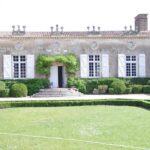
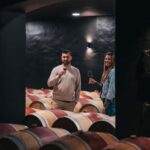
The tasting location can change with season: a stone room, a private courtyard, or a cellar. I like formats like this because they keep the vibe local. Bordeaux isn’t only about sunlit street photos. Sometimes it’s cool stone, quiet air, and a slower pace that fits wine.
Logistics-wise:
- You meet at 25 Av. Thiers, 33100 Bordeaux
- The activity ends back at the meeting point
- It’s near public transportation, which makes it easier to fit into a day without a car
If you’re sensitive to temperature or humidity, plan for typical cellar-cool conditions depending on where you land that day. If the weather is nice, the courtyard can feel like a break from the usual city rhythm.
Price and Value: $46.99 for What You Actually Get
At $46.99 per person for about one hour, the value comes from what’s included and how it’s delivered—not just the number of glasses.
You’re paying for:
- a guided tasting from certified experts
- four selected Bordeaux reds, plus a mystery pour and a mature wine
- wine and charcuterie pairings designed to teach you
- a tasting booklet you take home
- small-group pacing (max six people)
Here’s the practical way to judge it. If you’ve ever done a casual wine flight in a bar, you might walk away with a few tastes but not a framework. This experience gives you a framework for buying and ordering later. The take-home booklet is also a real advantage if you plan to keep exploring Bordeaux over the next few days.
Is it a bargain compared with buying a bottle at a shop? Not really. But it’s a strong value compared with paying for wine alone—because you’re also paying for guided pattern recognition. And that’s what makes the money feel well spent.
One more note: wines may be available for sale. If you fall in love with a pour, you’ll have an easy next step.
Who Should Book This Tasting (and Who Might Want More Time)
This tasting fits best if you want:
- a clear introduction to Bordeaux red styles
- structure without feeling overwhelmed
- a small-group setup where you can ask questions
- food pairings that actually help you taste
It also makes sense if you like learning with your hands and senses, not only hearing facts. The mystery glass and the mature wine push you to do more than sip.
Who might want more? If you’re the type who expects an all-afternoon wine tour with big countryside drives and multiple stops, this one-hour format is more of a smart city-class than a full-day excursion. It’s built for learning in town.
Make It Easier on Yourself: Small Tips Before You Go
You’ll enjoy this more if you treat it like a tasting workshop, not a casual drink.
A few habits help:
- Go hungry enough for the charcuterie to matter, but not so hungry you rush the tasting.
- Try to ask at least one question. The whole point is that you’ll have time.
- Between pours, take a breath and reset your palate. It sounds basic, but it’s what makes the comparisons click.
- If you have a style preference, tell the host early. The format can adapt, and they may adjust for white lovers if needed.
Also, since the setting can vary (room, courtyard, cellar), dress for comfort. Wine tasting often means staying put for a while.
Should You Book This Bordeaux Red Wine and Charcuterie Tasting?
If you want a fast, high-signal introduction to Bordeaux reds, I think this is an easy yes. The small group, the Left Bank vs Right Bank focus, and the fact that you learn to taste with food make it more useful than the typical one-dimensional flight.
Book it if:
- you’re in Bordeaux for a short time
- you want expert guidance without feeling stuck in a classroom
- you want a take-home booklet to keep tasting smart
Skip it (or look for something longer) if:
- you want a half-day tour with lots of stops outside the city
- you expect a cheese-heavy board every time
- you get impatient with a structured, lesson-style format
FAQ
How long is the Bordeaux red wine tasting?
The experience runs for about 1 hour.
How many wines will I taste?
You’ll taste four carefully chosen Bordeaux red wines. The format also includes a mystery glass and a mature wine.
Is it only for wine experts?
No. It’s designed to work for wine lovers of all levels, with plenty of chances to ask questions.
How large is the group?
The tasting has a maximum of 6 travelers.
Where does the tasting take place?
Depending on the season, it may be in a stone room, private courtyard, or cellar.
What language is the experience offered in?
The experience is offered in English. A confirmation is received at booking time.
What is the cancellation policy?
You can cancel for a full refund up to 24 hours before the experience starts. Service starts based on local time, and changes made less than 24 hours before aren’t accepted.