REVIEW · AIX EN PROVENCE
Self tour of the olive oil mill & olive oil tasting
Book on GetYourGuide →Operated by MOULIN BASTIDE DU LAVAL · Bookable on GetYourGuide
Olive oil tasting starts with machines. At Moulin Bastide du Laval, a family mill in the Luberon, you get a self-guided look at the modern olive mill and how extraction works before you taste. I like that the visit feels practical, not like a lecture: you walk, read the info sheets, and use the audio guide to connect what you see to what you taste.
My second big win is the commented tasting of multiple styles of olive oil, plus a chance to try other products made on-site. Just keep in mind this is a 1-hour experience, so if you’re the type who likes to linger in each room, you may want to tack on the optional olive grove stroll for extra time.
In This Review
- Key things to know before you go
- Where Bastide du Laval Fits in the Luberon
- Your 1-hour self-guided loop through the modern olive oil mill
- What you learn from the machines: extraction methods in plain language
- The best part: a commented tasting of olive oils (and more)
- The take-home jar of olives or your chosen bottle of wine
- Optional olive grove stroll with Luberon views
- Price and value: what 5€ buys you in Provence
- Who this experience suits best
- Should you book Moulin Bastide du Laval?
- FAQ
- How long is the olive oil mill and tasting visit?
- How much does it cost?
- What do I do during the self-guided part?
- What do I taste during the visit?
- What is included at the end of the tour?
- What languages are available?
- Can I extend the visit after the tasting?
- Is the venue wheelchair accessible?
Key things to know before you go
- Modern mill walk-through: see the machines and extraction methods with info sheets as you go
- Tasting with guidance: a commented session covering several olive oil styles and more products
- Takes something home: choose either a jar of olives or a bottle of wine at the end
- Optional view stroll: extend with a walk through the olive grove overlooking the Luberon
- Small-time commitment: 1 hour works well as a quick, high-flavor stop south of France
Where Bastide du Laval Fits in the Luberon
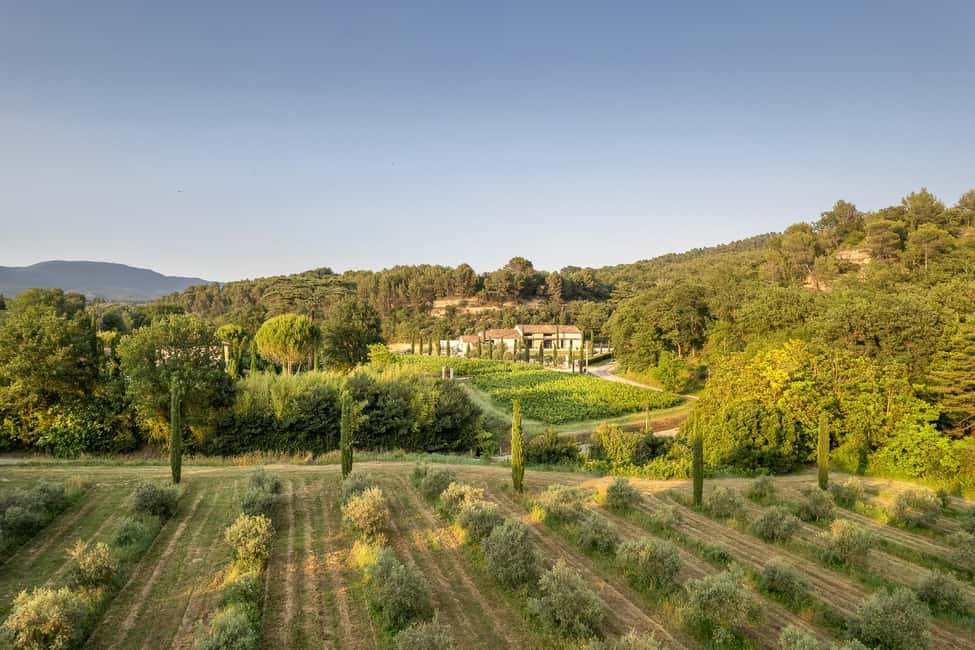
Moulin Bastide du Laval sits in the heart of the Luberon Regional Nature Reserve, about 30 minutes north of Aix-en-Provence. That matters because you’re not just dropping into a shop. You’re visiting a working olive setting in a place where olives and tourism share the same geography.
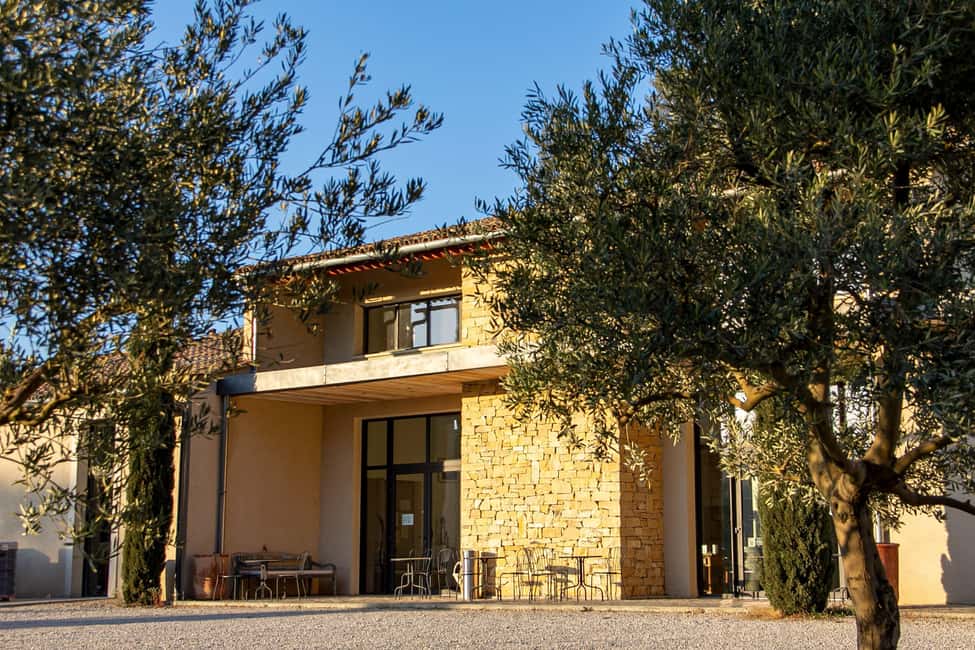
The experience is built for people who want something real and short. You start at the store (your meeting point), then move into a modern production space. If your day includes classic Provence stops—markets, villages, scenic drives—this is a very different kind of stop. It’s food culture, but anchored in the factory floor.
You can also read our reviews of more food & drink experiences in Aix En Provence

Your 1-hour self-guided loop through the modern olive oil mill
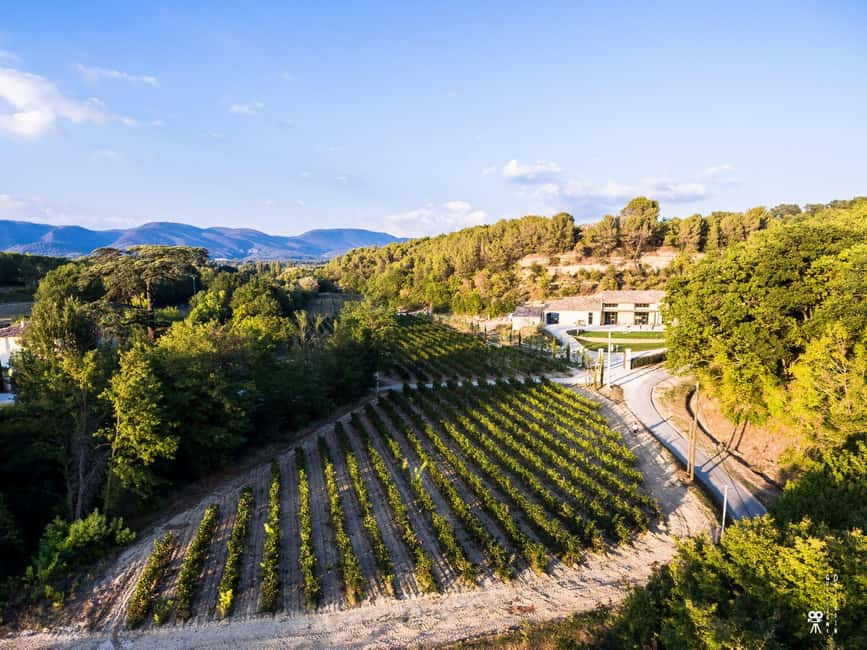
This visit is designed around a simple rhythm: walk the mill on your own, then switch to a guided tasting. You’ll enter the modern olive oil mill and follow the flow of the machines. The tour is self-guided, with information sheets that explain what you’re looking at and how the extraction is done.
You also get an audio guide in English, French, and German. That’s helpful because you can move at a pace that fits you. If you read quickly, you can skim and keep going. If you slow down, the audio keeps you from feeling lost in the machinery rooms.
Here’s what you should expect during the self-guided part:
- You’ll see machines used for extraction and processing.
- You’ll learn the methods through printed information sheets and audio guidance.
- You’ll connect the production steps to the flavor differences you’ll taste later.
Practical note: wear shoes you’re comfortable in. Mills can be slightly busy and practical underfoot, and you’ll be standing in a few spots to read and look.
What you learn from the machines: extraction methods in plain language
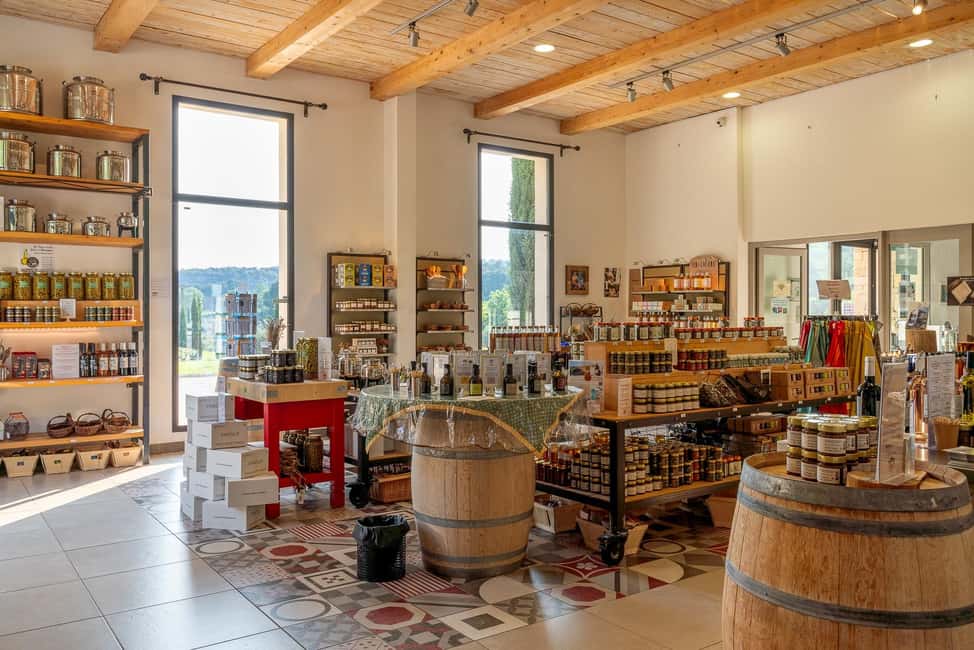
This isn’t a museum tour where everything is behind glass and untouchable. The whole point is to help you understand how olive oil goes from olives to bottles. The information sheets and audio guide focus on extraction methods, and you’ll get context for what each stage is meant to do.
I like this approach because it answers the question you’re probably thinking while you sniff oil at the end: why do the categories taste different? The tour doesn’t require prior knowledge. You’re not expected to memorize technical steps. Instead, you get enough structure to make the tasting make sense.
A good way to make this work for you: during the mill portion, pause at the machines and ask yourself what the step might change—texture, aroma, intensity. Later, in the tasting, you’ll have something to compare.
One consideration: because it’s self-guided and short, you won’t have time for a slow, back-and-forth conversation about every detail. If you love technical explanations, plan to ask a few focused questions during the tasting segment, when staff are right there.
The best part: a commented tasting of olive oils (and more)
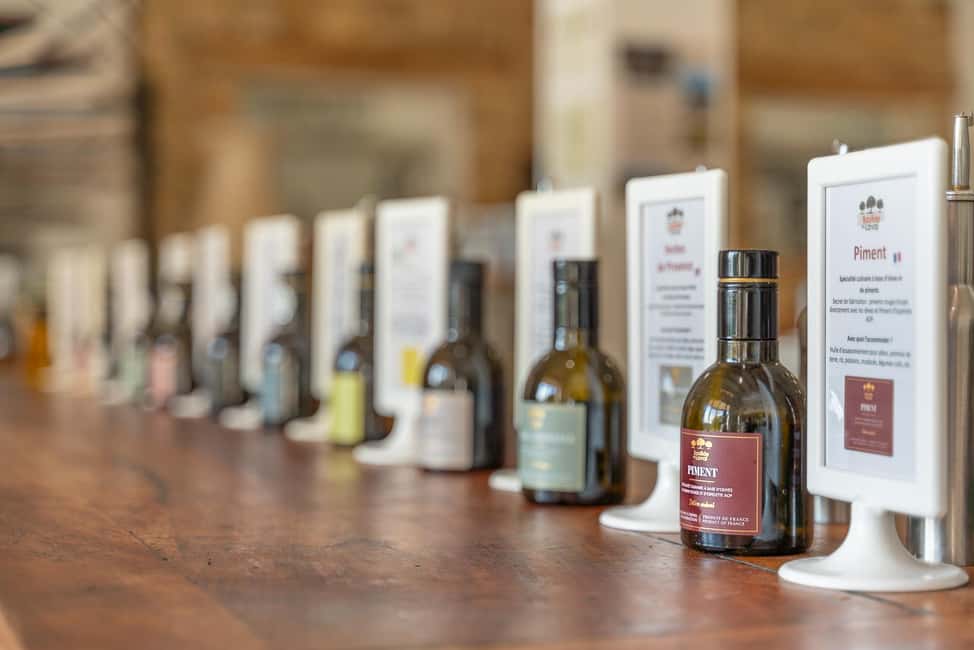
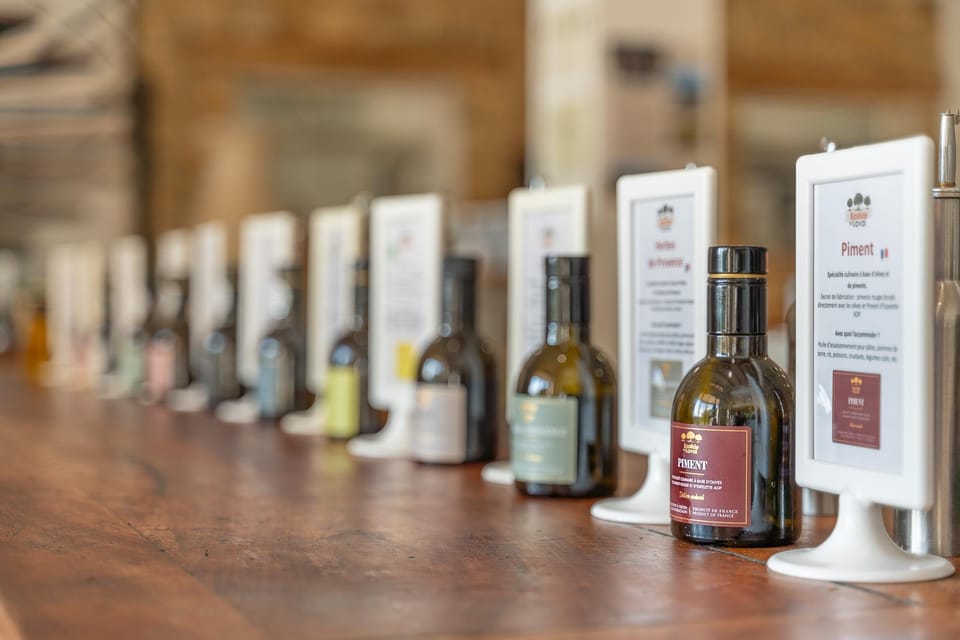
After the mill walk-through, the experience shifts into the part most people come for: tasting. You’ll get a guided tasting of all the olive oils offered by the mill, followed by tasting other products from the same producer.
The olive oils you’ll taste include:
- green fruity
- ripe fruity
- matured olive oil
- flavoured olive oils
Then you also taste other items made by the mill, including spread and wines. So it’s not only about oil. It’s Provence-style food shopping, explained in an edible way.
How to get the most out of the tasting (without overthinking it)
- Start with aroma: smell first, then taste. You’ll catch the differences faster that way.
- Keep a simple mental note: sharper vs rounder, lighter vs heavier. You don’t need fancy vocabulary to enjoy it.
- Try each category in order, because it’s easier to notice what changes from one to the next.
And yes, this is where the visit earns its keep. The guided commentary helps you taste with intention, not just sample mindlessly. That’s the difference between leaving with a bottle you bought at random and leaving with a bottle you actually understand.
The take-home jar of olives or your chosen bottle of wine
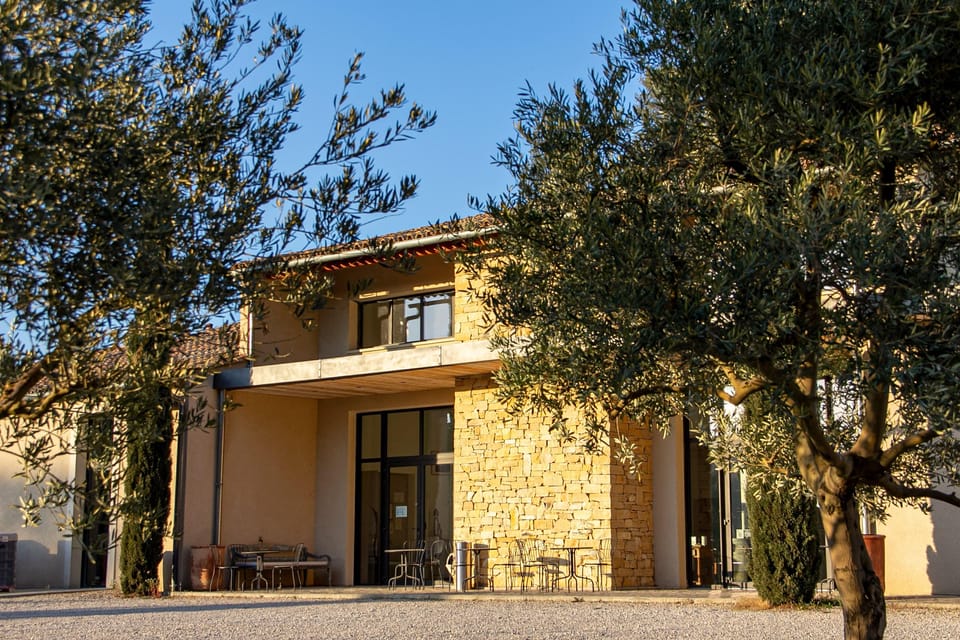
At the end of the tour, you get a gift. You’re offered a jar of olives or a bottle of wine of your choice. The wine options listed are rosé, white, or red.
This is one of the reasons the price feels fair. You’re not just paying for time and tasting. You’re taking something home that extends the experience into your next meal or next evening.
If you’re traveling with luggage limits, the jar may be easier than a bottle depending on your setup. If you’re more of a wine person, pick the style that fits your plans. Either way, it’s a nice bonus that turns the visit into a souvenir you’ll actually use.
Also, the tasting includes other products like spread. I find that people often end up buying more in the shop because you’ve already met the flavors during the tasting.




Optional olive grove stroll with Luberon views
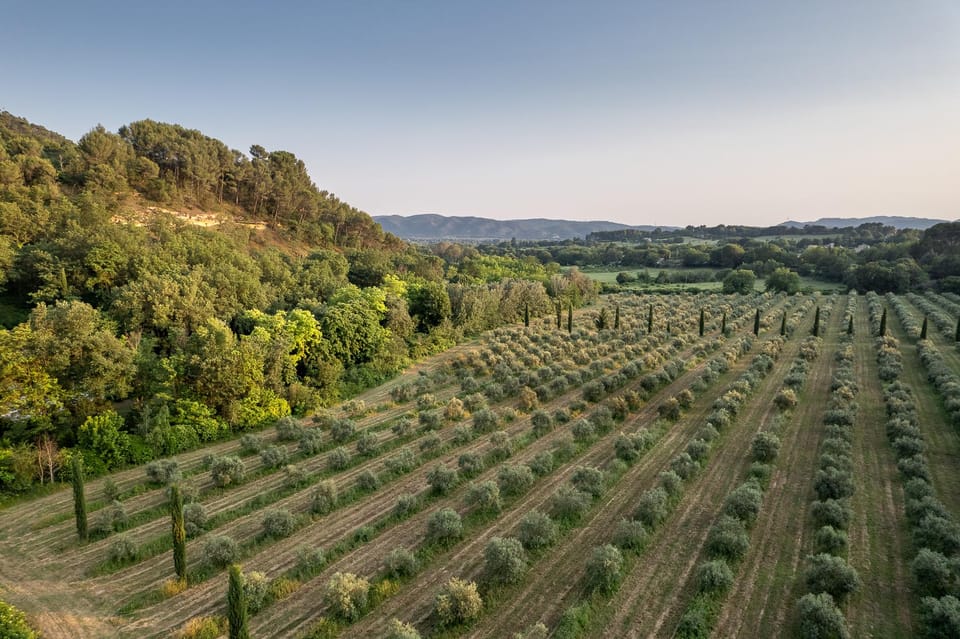
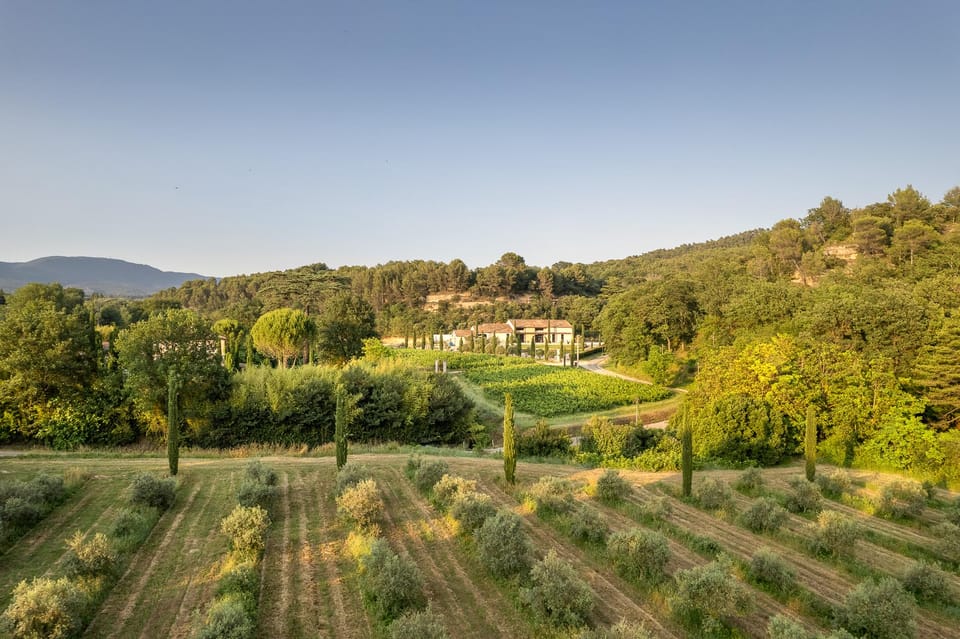
If you want extra time, you can extend your visit with a stroll through the olive grove. The grove overlooks the Luberon, which makes the whole experience feel like it connects back to where the olives come from.
This is the right add-on if:
- you want a breather after the tasting room,
- you like scenic walking,
- you prefer not to rush out right at the 1-hour mark.
It’s also a smart move if you arrived hungry for more but still wanted to keep your day efficient. The core tour stays tight. The stroll is your choice.
Price and value: what 5€ buys you in Provence
Pricing is listed as 5€ per person (often shown as about $5 depending on exchange). For that, you’re getting:
- a self-guided olive mill tour with information sheets about machines and extraction methods
- a commented tasting of the olive oils
- tasting of other products such as spread and wines
- a jar of olives or a bottle of wine at the end
That’s the key value story: you’re paying for education, yes—but you’re also paying for a structured tasting session and a take-home item. Many food stops in the region cost more just to sample without the guided piece, and fewer include a gift.
The biggest value advantage for you is efficiency. One hour is long enough to learn what matters and taste differences without eating up your entire day.
Who this experience suits best
This tour fits best if you want an authentic Provence food moment without a long commitment. I think it’s especially good for:
- Families who want a concrete, hands-on kind of learning.
- First-timers to olive oil, because the tour and tasting are set up to make comparisons easy.
- People who like food production stories, but don’t want heavy technical framing for hours.
- Couples or solo travelers looking for a short, memorable stop between bigger sightseeing.
If you’re the type who hates structured time—where you want to wander for half a day—this may feel a bit fast. The 1-hour format means the experience moves with purpose.
Should you book Moulin Bastide du Laval?
Yes, if you want a compact olive oil education with a real tasting at the end. This is one of those Provence experiences where the money goes toward the thing you came for: learning the process and tasting the differences across green fruity, ripe fruity, matured, and flavoured olive oils.
Book it if you also like practical souvenirs: choosing a jar of olives or a bottle of wine makes it feel worth it beyond photos.
Skip it only if you want an all-day deep technical tour. For everything else—especially a half-day itinerary where you want a high-flavor stop—this one is a solid pick.
FAQ
How long is the olive oil mill and tasting visit?
The duration is listed as 1 hour.
How much does it cost?
The price is listed as 5€ per person (shown as $5 per person).
What do I do during the self-guided part?
You enter the modern olive oil mill, see the machines, and learn about extraction methods using information sheets, plus an audio guide.
What do I taste during the visit?
You get a commented tasting of the olive oils (green fruity, ripe fruity, matured olive oil, and flavoured). You also taste other products such as spread and wines.
What is included at the end of the tour?
You’re offered a jar of olives or a bottle of wine (rosé, white, or red) as a choice.
What languages are available?
The host or greeter speaks English and French, and the audio guide is available in English, French, and German.
Can I extend the visit after the tasting?
Yes. You can add a stroll through the olive grove overlooking the Luberon.
Is the venue wheelchair accessible?
Yes, wheelchair accessibility is listed.