REVIEW · PARIS
Seine River Cruise and Paris Canals Tour
Book on Viator →Operated by Paris Canal · Bookable on Viator
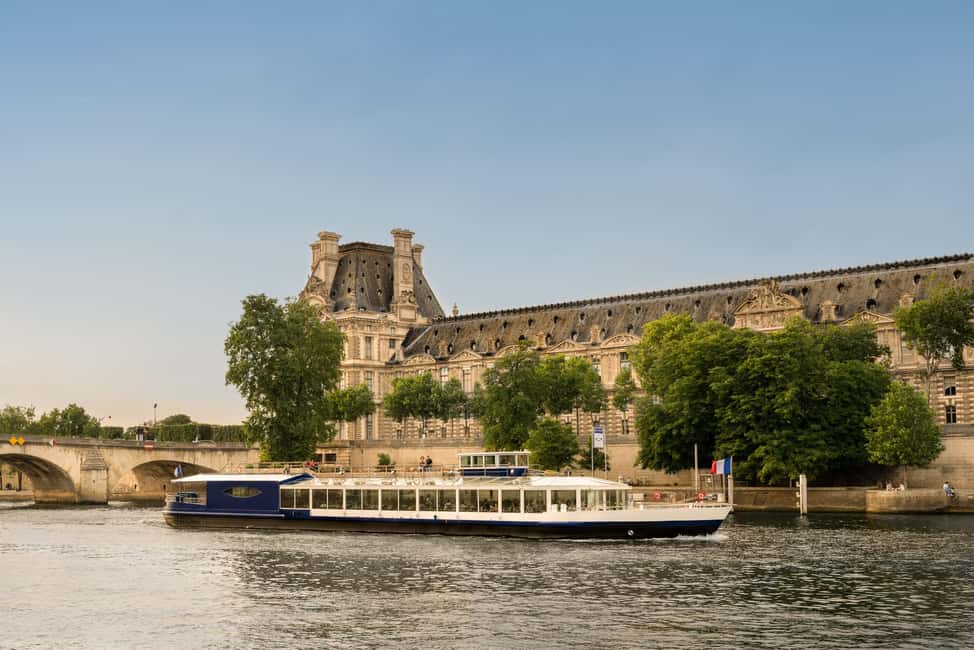
Paris from the water, then from the canals. This 2.5-hour Seine + Canal Saint-Martin combo is a smart way to see icons like the Louvre and Notre-Dame from onboard, and then trade the usual river route for a historic canal system many boats skip. I love the fact that you get live onboard commentary, so the passing views come with context instead of just sightseeing.
My favorite part is the canal segment: the boat enters the narrower Canal Saint-Martin, runs through locks and footbridges, and even passes through a dim tunnel under Place de la Bastille. One thing to consider is that the canal portion takes time; if you expect nonstop wide-open Seine views the whole ride, the long tunnel and lock sequence may feel slower than a straight river cruise.
You can usually choose a morning or afternoon departure, and the route timing affects where you start and end—near the Musée d’Orsay area or around the Villette Basin—so check your time slot before you build the rest of your day.
In This Review
- Key points to know
- What makes this Seine-and-Canal cruise worth your time?
- Price and value: where your money actually goes
- Where you’ll board near Orsay or Villette Basin
- The Seine segment: monuments you’ll see from a more useful angle
- Entering the Canal Saint-Martin: where Paris gets more surprising
- What “locks and tunnels” mean for your comfort
- Onboard experience: inside cabin vs outside deck
- Views and photo moments: where the best pictures likely happen
- Guide and narration: what to expect from the commentary
- Ending where you are, not where you started
- Who this tour is best for
- Practical tips to make the ride smoother
- Should you book? My straight answer
- FAQ
- How long is the Seine River Cruise and Paris Canals tour?
- How much does it cost?
- Is the tour available in English?
- What’s included in the ticket?
- Do I need to bring snacks or drinks?
- Where does the tour start?
- Where does the tour end?
- Is the tour only run when the weather is good?
Key points to know
- Canal Saint-Martin inclusion: A rare stop that most Seine cruises don’t do
- Lock and tunnel action: You’ll see how the system moves boats through level changes
- Two departure zones: Near Musée d’Orsay (or nearby) or around the Villette Basin
- Best views happen on deck: Outside seating helps when audio is harder to catch inside
- One-way ending: The trip doesn’t return to the same dock, so plan your next stop
What makes this Seine-and-Canal cruise worth your time?
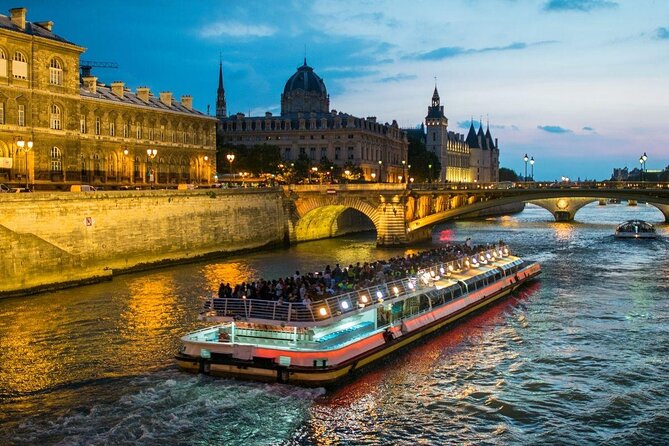
This tour works because it refuses to be a one-trick show. Yes, you’ll glide along the Seine with classic photo moments—but the real value is the second act: the Canal Saint-Martin section. That’s where Paris starts to feel more local and practical, like a city built around water traffic, not just a backdrop for postcards.
The boat ride isn’t just about looking. The narration is live, timed to what you’re actually passing. That matters in Paris, because a lot of the “wow” comes from knowing what you’re seeing: why the buildings sit where they do, why specific neighborhoods developed, and why canals and locks shaped daily life and commerce.
At $28.84 per person for about 2 hours 30 minutes, it’s also a relatively low-cost way to expand your Paris map without adding a whole extra day. You’re paying for two environments—river and canal—in one block of time.
You can also read our reviews of more boat tours in Paris

Price and value: where your money actually goes
For Paris, $28.84 isn’t just cheap; it’s reasonably priced for a timed experience that includes narration and two connected waterways. Most “Seine-only” cruises give you views of the big monuments and then end. Here, you’re buying extra time on the historic canal system (including locks, footbridges, and tunnel segments) that are far less common.
What you’re not paying for is also clear: no hotel pickup and no included food or drinks unless a specific option is stated for your departure. So if you’re budgeting, think of this as a sightseeing tool. If you want a meal experience, you’ll need to pair it with dinner plans after.
Where you’ll board near Orsay or Villette Basin
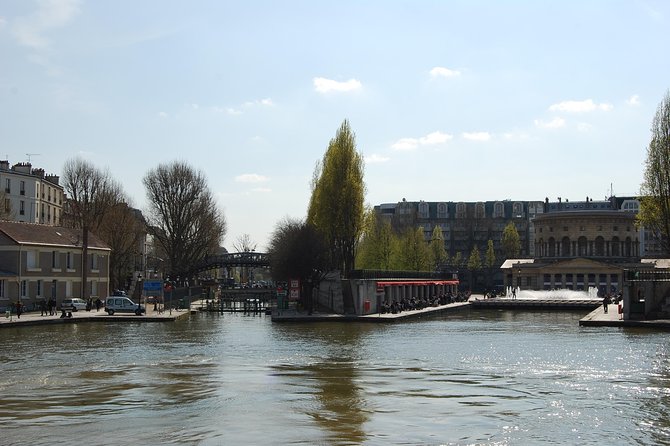
Your departure time choice affects your route start. One end of the schedule connects to the Musée d’Orsay area (often around the Port de Solférino / Orsay-side area), and another connects to the Villette Basin side (near the Bassin de la Villette).
From the info provided, you may be starting near landmarks like:
- The Orsay-side departure/arrival point for the Seine portion
- Cité des Sciences area in front of the departure point
- The office near Bassin de la Villette
- Near La Geode for some departures/arrivals
Practical tip: plan to arrive earlier than you think you need. Several people noted it can be a little tricky to spot the exact meeting point in Villette zones or find the right dock area without clear signage. Bring your confirmation details, and give yourself buffer time to avoid a stressful scramble.
The Seine segment: monuments you’ll see from a more useful angle
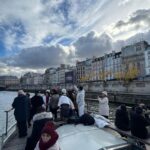
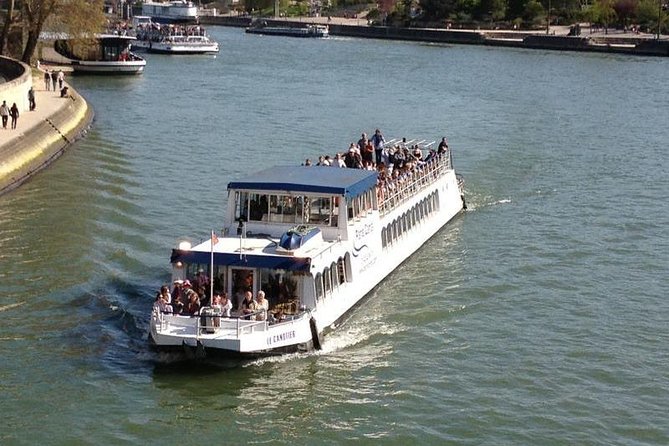
The Seine portion is the part that most people picture, and it delivers. You’ll cruise past some of the city’s most famous landmarks, with narration tying each view to the surrounding story.
Along the way, expect highlights like:
- Louvre views from the river
- Notre-Dame Cathedral as you move along the central stretch
- A pass that includes Bastille Square (under it during the later canal transition)
- A best viewpoint onboard moment on the Seine itself
- Île Saint-Louis from the water, which always hits differently than street-level
- The boat’s Seine run can connect from the Orsay Museum side toward another marina-side endpoint in the itinerary framing
This part of the ride is a win if you like structure. You’re not trying to figure out which bridge gives the best shot; the boat does the positioning for you. And since the narration is live, you can tune in when something specific catches your eye, then switch back to enjoying the skyline.
Entering the Canal Saint-Martin: where Paris gets more surprising
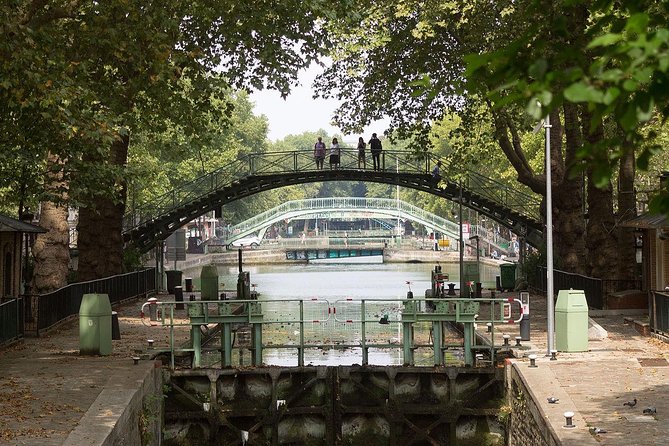
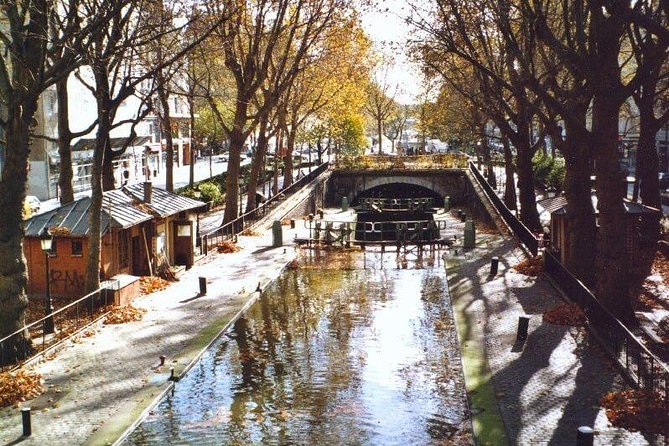
This is the segment that makes the tour feel like more than a basic sightseeing cruise. After the Seine stretch, the boat heads into the mouth of the Canal Saint-Martin and transitions into a narrower, more intimate waterway.
The canal system is historic, with construction attributed to the early 1800s under Napoleon. That historical anchor is useful because it frames why you’ll notice certain practical features: locks, footbridges, and changes in water level. In other words, you’re not just watching scenery—you’re watching engineering.
The tour also includes:
- Locks and footbridges, which slow the pace in a good way
- A liftbridge element (you may see/learn about liftbridge features in the canal area depending on your route timing)
- A dimly lit tunnel beneath Place de la Bastille, where the light shifts and the ride becomes more dramatic
That tunnel is a standout. It’s one of those moments where you stop photographing and just pay attention to the experience itself—the boat moving through a darker passage while the narration guides what you’re seeing.


What “locks and tunnels” mean for your comfort
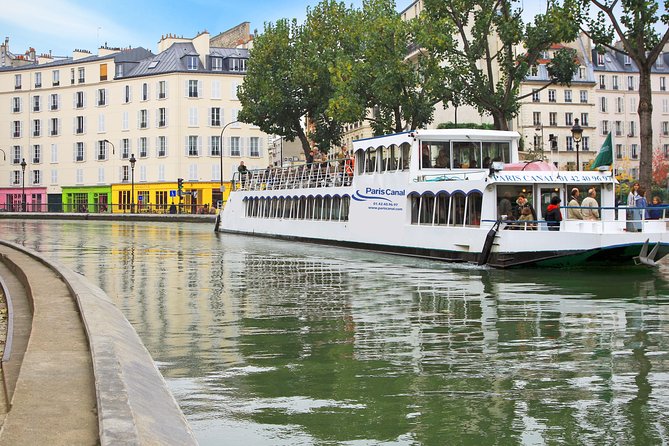
Locks are fun, but they change the rhythm. Expect the boat to slow, wait, and move in controlled steps as water levels adjust. Some people love the repeated action and call out how fascinating it is to watch the lock fill. Others felt there were quite a few lock cycles and wanted more motion on the wider Seine.
So here’s how I’d think about it: if you enjoy hands-on mechanics, you’ll likely find the locks a highlight. If you’re hoping for uninterrupted sweeping views, locks may feel like time spent “at gates.” Either way, it’s part of why this tour feels different.
Also note a comfort wrinkle. Several comments point out that audio can be harder to hear depending on where you sit. If you’re seated inside—especially mid-boat—turning your head toward the guide might be less convenient. If you care about the commentary, try to get to the deck at key moments when you can.
Onboard experience: inside cabin vs outside deck
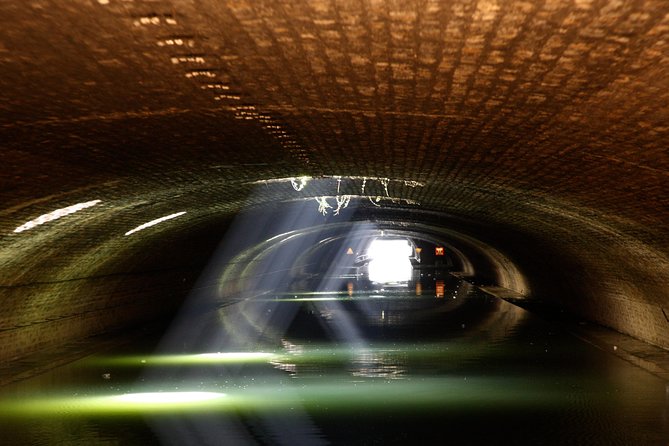
You’ll have a choice of inside cabin seating or outside deck space. In better weather, the deck is the easiest way to enjoy the views and to see details like footbridges and canal structures up close.
In rain or cooler weather, inside can be more comfortable. But the trade-off is practical: if the sound system or onboard audio isn’t clear for your seat location, you may miss parts of the narration. You’ll still see the sights, but the “learn while you look” promise can depend on where you’re positioned.
If you’re the type who likes to follow the story beat-by-beat, dress in layers and be ready to move between inside and outside when the boat approaches tunnels, locks, and the moments that feel most dramatic.
Views and photo moments: where the best pictures likely happen
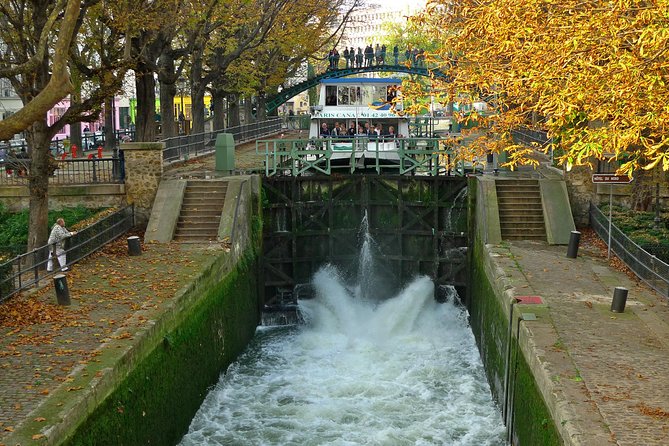
Even without a specific “photo stop,” the ride creates naturally good vantage points. Some of the strongest view cues from the route framing include:
- Louvre from the Seine stretch, when you’re high enough for sweeping angles
- Île Saint-Louis views from the water, which often look more personal than postcard shots
- The moment-to-moment changing scenery in the canal section—especially near footbridges and during the tunnel segment
- Any “best point of view onboard” guidance from your narration, which usually lines up with where the boat turns or slows for the next transition
One simple tactic: if the boat is entering a darker tunnel, you’ll get a better overall experience by watching the light shift rather than trying to shoot through motion blur. Save your photos for clearer stretches afterward.
Guide and narration: what to expect from the commentary
The tour leans hard on live explanation. That’s the difference between “I rode a boat” and “I understood what I was seeing.”
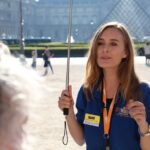
A named guide you might hear referenced in this experience is Lea, described as delightful and effective at making the history click. Across the trip, the narration is positioned around what you’re passing—so you don’t need to memorize a guidebook before boarding.
That said, audio clarity can vary with seating. If you tend to struggle with group audio, plan to spend more time outside on deck, particularly during transitions and when the boat is slowing.
Ending where you are, not where you started
This is a one-way style cruise. The boat concludes at different docks depending on the departure slot.
You may end near:
- Port de Solférino (Orsay-side)
- Arsenal Marina in the Seine-side framing
- Parc de la Villette on the Villette-side framing
So don’t treat this like a loop tour. Plan your next activity near the end location. Otherwise, you may end up spending time traveling back across town when the whole point was to keep the day simple.
Who this tour is best for
This cruise works well for:
- First-timers who want a more varied water route than typical “big monuments only” cruises
- People who like guided explanations, not just silent sightseeing
- Families who want an intergenerational activity that changes scenery every few minutes
- Travelers who are ready for a little engineering curiosity—locks are part of the fun here
It may be less ideal for:
- Anyone who gets impatient with slow, repeated lock procedures
- People who expect non-stop wide-open skyline views for the entire ride
- Visitors who are sensitive to audio issues and don’t want to move around for better sound
Practical tips to make the ride smoother
A few no-drama moves can improve your experience a lot:
- Bring a small set of layers. Temperatures can shift, and you’ll alternate between inside and outside.
- If you care about the narration, aim for a spot where you can hear clearly. Don’t assume mid-boat inside seating is best.
- Wear shoes that work on docks and indoor areas. Boats can involve stairs or moving surfaces during transitions.
- Check whether your departure is the Orsay-side or the Villette Basin start, then plan dinner and the next stop near the end dock.
- Arrive early. Finding the exact meeting point can be tricky in some areas.
Should you book? My straight answer
If you’re choosing between another Seine-only cruise and this two-in-one Seine + Canal Saint-Martin plan, I’d lean toward booking this—especially if you like variety. The canal segment, including the tunnel under Place de la Bastille and the locks and footbridges, is the part that gives the tour a distinct identity.
Book it if you want both: big Paris landmarks from the Seine and a second look at how the city’s water network actually works. Skip it only if your top priority is nonstop skyline cruising and you don’t want time spent on lock cycles and canal pacing.
FAQ
How long is the Seine River Cruise and Paris Canals tour?
The tour is about 2 hours 30 minutes.
How much does it cost?
The price is $28.84 per person.
Is the tour available in English?
Yes, the experience is offered in English.
What’s included in the ticket?
The ticket includes the cruise and live onboard commentary.
Do I need to bring snacks or drinks?
Food and drinks are not included unless specified, so plan to buy them separately if you want them.
Where does the tour start?
Depending on your departure time, you’ll board near either the Musée d’Orsay area or around the Villette Basin.
Where does the tour end?
It ends at different locations depending on the departure option, including Port de Solférino near Orsay or Parc de la Villette.
Is the tour only run when the weather is good?
Yes. The experience requires good weather, and if it’s canceled due to poor weather you’ll be offered another date or a full refund.