REVIEW · BERGERAC
Sarlat Gourmet Tour and Market Visit
Book on Viator →Operated by Ophorus · Bookable on Viator
Sarlat on market day hits different. This Sarlat Gourmet Tour and Market Visit strings together an easy morning walk with real tastings at local shops, timed so you’re in the right place when the stalls are doing their thing. I like that it’s built around photo-ready streets and a market-first route, so you’re not just sitting in a classroom of food facts.
I also like the practical side: you’re guided to tastings (with fees included) across three local stops, so you can taste regional favorites like foie gras, walnuts, cheese, and local wine—including Monbazillac—and then shop with more confidence. One thing to consider: it involves walking on cobblestones and it’s not recommended if you have dietary restrictions, since the format is built around sampling.
In This Review
- Key Highlights Worth Marking in Your Day
- Why a Sarlat Market Day Makes This Tour Work
- Meeting at Place Pasteur and the Smart Pace of a 9:30am Walk
- Sarlat Market Stalls: What You’ll See and How the Guide Helps
- The Tasting Stops: Foie Gras, Walnuts, Cheese, and Wine Without Guesswork
- A quick note on how sampling feels in real life
- Walking Through Sights While You Taste
- Small Group Energy: The Difference Between Wandering and Getting Answers
- Price and Value: What $102.12 Actually Buys You
- What to Buy After the Tour (So It’s Not Random Spending)
- Who Should Book This Tour, and Who Should Skip It
- Practical Tips for a Smooth Market Morning
- Should You Book This Sarlat Gourmet Tour?
- FAQ
- Where does the tour start?
- What time does the tour begin?
- How long is the Sarlat Gourmet Tour and Market Visit?
- Is the tour available in English?
- Is it only on certain days?
- How many people are in the group?
- What’s included in the price?
- Are tastings fees and other entrance fees included?
- Are dietary restrictions accommodated?
- Can I cancel for a refund?
Key Highlights Worth Marking in Your Day
- Market-day route: only runs when Sarlat’s market is active, so the atmosphere is the point.
- Small group size (max 12): you’ll get attention without feeling like you’re being rushed through.
- 3 tasting stops with fees included: you sample regional products instead of just browsing stalls.
- Guides with strong storytelling: names that come up often include Anne and Benoit, and their English delivery is praised.
- Sarlat orientation while you eat: you learn where things are and what you’re looking at as you walk.
Why a Sarlat Market Day Makes This Tour Work

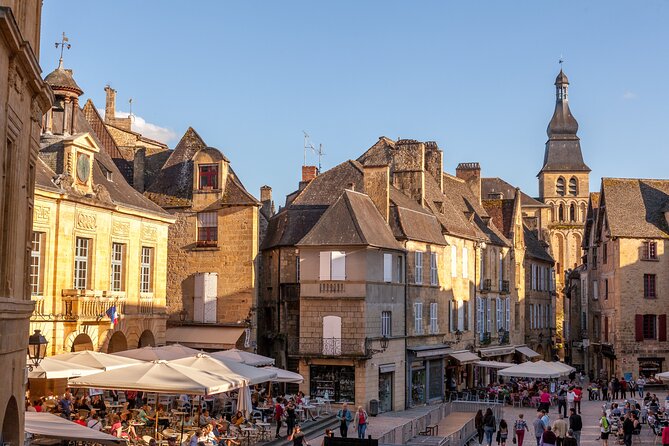
Sarlat is charming any day of the week. Market day is when it becomes useful. The streets are lively, vendors are set up, and the whole town feels like it’s mid-conversation instead of mid-sleep.
That timing matters because this isn’t a “stand still and listen” experience. The guide leads you through the town toward the Sarlat market, then keeps you moving in a way that matches what’s happening around you. If you’ve ever shown up to a market late (or on the wrong day), you know the letdown. Here, the tour is scheduled so you’re not guessing.
You can also read our reviews of more tours and experiences in Bergerac.



Meeting at Place Pasteur and the Smart Pace of a 9:30am Walk
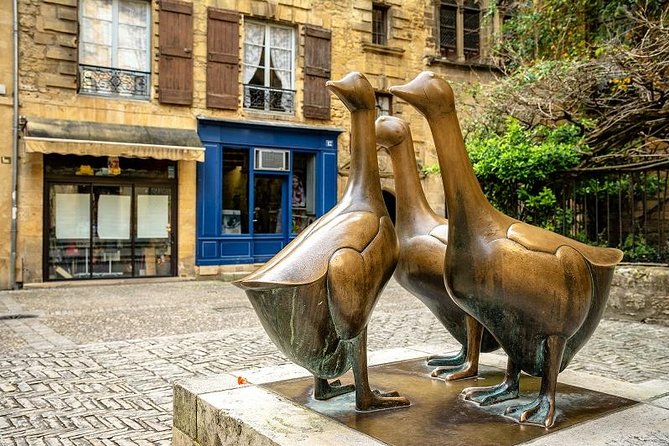
You start at Place Pasteur (Pl. Pasteur), 24200 Sarlat-la-Canéda, at 9:30am, and the tour ends back at the same meeting point. It runs about 2 hours, so it’s short enough to fit into a full travel day without turning your morning into a marathon.
This timing also helps if you want to do more than just taste. You’ll finish while the market energy is still rolling, which makes it a good setup for additional browsing afterward. Bring good walking shoes because Sarlat’s streets are cobbled. If you’ve got knee trouble or you hate uneven footing, consider this an early warning.
The group size is capped at 12 travelers, which is a big deal in a small old town. With that size, it’s easier to hear your guide, take photos without blocking people, and ask questions without feeling like you’re interrupting a conveyor belt.
Sarlat Market Stalls: What You’ll See and How the Guide Helps
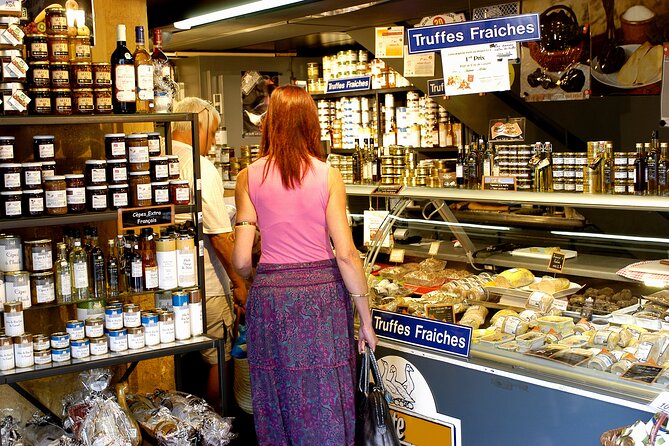
The main focus is the Sarlat market on market days. Your guide walks you through the winding streets and introduces you to the local delicacies as you pass stalls and shopfronts.
What you’re really getting here is orientation. Sarlat’s markets can be a lot to take in—cheese shapes, walnut products, jars, bottles, and gift-ready food stacks everywhere you look. A good guide’s job is to turn that visual chaos into a shopping plan.
In multiple guide styles, you’ll see a similar pattern: the talk is tied to what you’re about to taste and what you might want to buy after. Some guides, like Ben, are praised for sharing practical advice on how to evaluate things like foie gras options. That kind of guidance is gold when you’re standing in front of too many choices.
The Tasting Stops: Foie Gras, Walnuts, Cheese, and Wine Without Guesswork
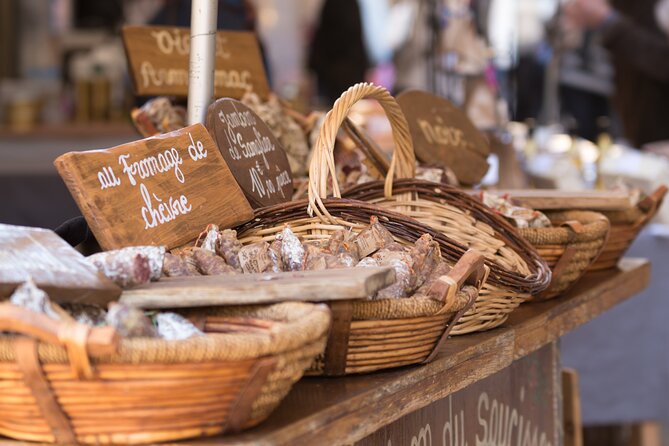
After you’ve walked through the market area, the tour includes 3 stops at local shops, with tasting fees included. This is the part that turns a market visit into a “gourmet” tour.
Here’s the typical lineup of flavors you can expect, based on the tour’s described specialties and what’s highlighted by guide performance:
- Foie gras: often a highlight in this region, and frequently mentioned as a tasting focus.
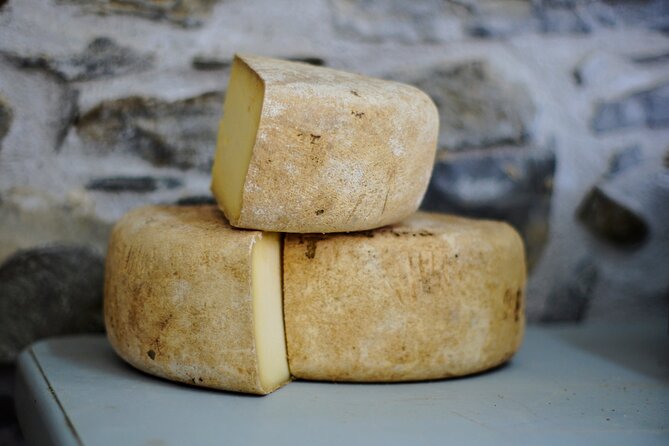
- Regional cheeses: multiple reviews point to standout cheese tastings.
- Walnuts: Dordogne and Périgord Noir walnut products show up in both savory and sweet form.
- Wine, including Monbazillac: you get wine tasting as part of the overall regional mix.
- Other regional bites: some people specifically mention duck, walnut pastries, and even coffee during the experience.
Why these tastings are valuable: they give you a reference point. After you taste a few items you can read labels and understand what you’re actually buying. Instead of “this looks good,” you get a feel for what each vendor’s version tastes like.
A quick note on how sampling feels in real life
This tour isn’t a long meal. Tastings are short and purposeful, so you’ll likely leave hungry in a fun way. The payoff is that you’ll know what you liked most and which shop styles matched your taste.



Walking Through Sights While You Taste
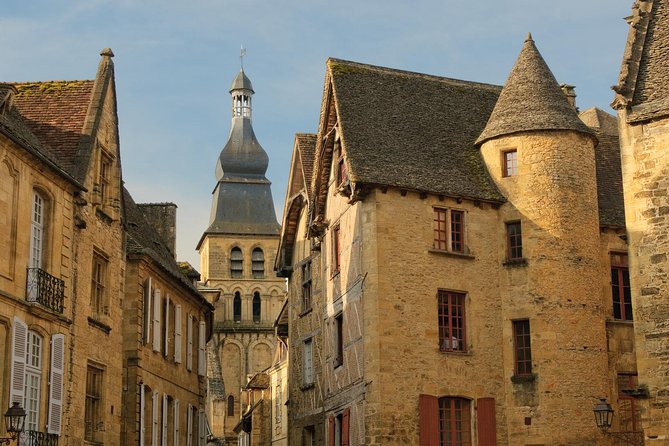
Even though the tasting is central, the walking part is doing real work. Several guides are noted for mixing history and local context while you move, including pointers about Sarlat’s landmarks and architecture.
That matters if you like food but also want the “why” behind the region. In this part of France, eating and history are tightly linked: markets grew where trade routes and agriculture made sense. When your guide connects the dots—what a product says about the area, why it’s made, how it became local culture—you remember the experience longer than just the flavors.
Also, there’s a practical advantage: learning the town layout while you’re already out walking saves time later when you want to shop on your own or find sights without a map.
Small Group Energy: The Difference Between Wandering and Getting Answers
With a maximum of 12 people, you can actually talk to your guide. That doesn’t sound dramatic until you’ve been on bigger tours where questions die in the noise.
Here, you should be able to ask things like:
- which products travel well
- what to look for when choosing foie gras styles
- how to interpret what’s on offer at a shop
Some guides are specifically praised for handling questions and even looping in vendors when needed. That gives you more accurate answers than guessing from labels alone.
Price and Value: What $102.12 Actually Buys You
At $102.12 per person for about 2 hours, you’re paying for more than “a guided walk.” You’re paying for:
- a certified English-speaking guide
- a structured market-day route in a small group
- 3 tasting stops where tasting fees are included
The value here is that the cost covers the parts that are hard to DIY. You can certainly wander the market yourself. But you’d still need to decide where to taste, how many shops to hit without wasting time, and what questions to ask so your purchases make sense.
Think of the tour as a tasting shortcut plus a shopping guide. If you plan to bring back food gifts or stock up on Périgord Noir favorites, that structure can pay off.
What to Buy After the Tour (So It’s Not Random Spending)

This tour is set up to make your post-walk shopping smarter. Once you’ve tasted a few products, you can shop with your senses—what you liked, what you didn’t, and which shop style fit you best.
A simple strategy:
- Buy the items that match your best tasting moments (don’t ignore your own palate).
- If you’re buying foie gras, use the guide’s practical evaluation tips (especially if your guide mentions how to judge quality options).
- Prioritize walnut products and cheese if you’re building a spread. They’re easier to plan around than very delicate items.
If you’re trying to bring food home, you’ll still want to ask the shop staff how to pack and store items properly. The tour doesn’t replace that advice—it sets you up to ask better questions.
Who Should Book This Tour, and Who Should Skip It
This works best if you:
- want a guided introduction to Sarlat and its food culture in about 2 hours
- like markets but don’t want to spend your whole morning figuring out what to taste
- care about local specialties like foie gras, walnuts, cheese, and Monbazillac wine
- prefer small groups and conversational guidance
You might want to skip (or at least rethink) if you:
- have dietary restrictions, since the tour is designed around tastings
- have trouble walking over cobblestones
- travel with pets, since pets aren’t allowed
- are traveling with very young children, since children under 4 aren’t allowed (and kids under 18 must be with an adult)
Practical Tips for a Smooth Market Morning
A few things will make your experience easier on the ground:
- Wear comfortable walking shoes with traction. Cobblestones do not care about your fashion choices.
- Expect a good amount of walking. The tour is short, but it’s not a sit-down format.
- Plan to continue exploring after. The market has plenty to see once the tour ends.
- Bring curiosity and questions. If you want to shop well, ask about differences between versions of the same product.
If you’re English-speaking, good news: the tour is offered in English, and the guide is described as certified.
Should You Book This Sarlat Gourmet Tour?
I’d book it if you want a fast, structured way to understand Sarlat through its food. The combination of market-day timing, 3 included tasting stops, and a small group makes it a strong choice for first-time visitors and food-focused travelers.
I wouldn’t book it if you need a tasting experience that avoids or modifies ingredients due to dietary restrictions, or if cobblestone walking is a problem for you. In those cases, you’ll likely end up stressed instead of satisfied.
If your goal is to leave with better bearings in town and a short list of foods you actually want to buy, this tour is a solid bet.
FAQ
Where does the tour start?
The tour starts at Place Pasteur (Pl. Pasteur), 24200 Sarlat-la-Canéda, France.
What time does the tour begin?
The start time is 9:30am.
How long is the Sarlat Gourmet Tour and Market Visit?
It lasts about 2 hours (approx.).
Is the tour available in English?
Yes, the tour is offered in English.
Is it only on certain days?
Yes. The tour takes place on market days only.
How many people are in the group?
The tour has a maximum of 12 travelers.
What’s included in the price?
You get a walking tour and a gourmet tour with a certified English-speaking guide, plus 3 stops at local shops where tasting fees are included.
Are tastings fees and other entrance fees included?
Only the tasting fees for the three specified stops are included. Other entrance fees (if any) are not included unless listed in the program.
Are dietary restrictions accommodated?
This tour is not recommended for persons with dietary restrictions.
Can I cancel for a refund?
Yes. You can cancel up to 24 hours in advance for a full refund. Canceling less than 24 hours before the start time isn’t refundable.