REVIEW · BERGERAC
Dordogne Day Tour : Prehistory and The Art of the Caves from Sarlat
Book on Viator →Operated by Ophorus · Bookable on Viator
Prehistory feels close today. This tour is a smart way to connect 15,000 years of human story to the caves you came for, with a small group and entrance fees handled for you. I especially like the way it starts with the National Museum of Prehistory, then moves you into cave settings with real context in your head. The main catch is practical: caves run cold and Lascaux IV visits involve stairs, plus English cave interpretation inside can be limited.
You’ll spend about 9 hours total in the Dordogne area, starting at Place Pasteur 24200 Sarlat-la-Canéda and returning there. There’s no hotel pickup, and the stop order can shift based on Lascaux IV time slots, so it’s not the kind of day where you should plan extra add-ons right before or after.
In This Review
- Key Highlights You’ll Care About
- Price and Value: What $199.55 Really Buys
- The Meeting Point Game: Place Pasteur and a No-Pickup Day
- Stop 1: Musee National de Prehistoire and the Foundation You’ll Want
- Stop 2: La Roque Saint-Christophe and the Shock of Cliff Living
- Lunch Time in the Montignac-Lascaux Area: Plan for What’s Not Included
- Stop 4: Lascaux IV and the Reality of English Cave Access
- What I’d Watch For: Stairs, Temperature, and a Long Day
- Group Size and Guides: Why This Day Usually Lands Well
- Who This Tour Fits Best (and Who Might Prefer Another Plan)
- Should You Book This Caves-and-Prehistory Day from Sarlat?
- FAQ
- How long is the Dordogne day tour from Sarlat?
- What’s included in the ticket price?
- Is lunch included?
- Is the tour offered in English at all stops?
- Is this tour suitable for people with mobility issues?
- Are children allowed?
- What is the cancellation policy?
Key Highlights You’ll Care About
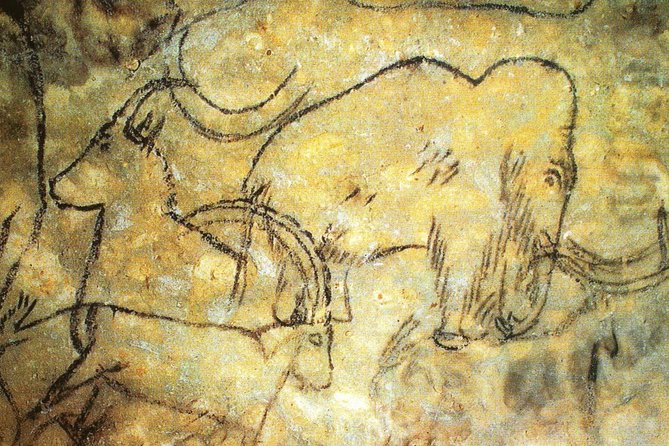
- Museum first, caves second: you get the big picture before you hit the iconic sites.
- Up to 8 people: fewer voices, easier questions, and a calmer pace.
- Entrance fees included: Prehistory Museum, La Roque Saint-Christophe, and Lascaux IV are covered.
- Cold cave reality: caves sit around 13°C / 56°F, so dress for it.
- English is available, but cave timing matters: Lascaux IV has very limited English options.
- A long day done right: structured stops with enough time at each place to actually absorb them.
Price and Value: What $199.55 Really Buys
At $199.55 per person for about 9 hours, this isn’t a bargain-bucket outing. But it’s also not just a “ride-by” tour where you scramble for tickets. You’re paying for a full guided day plus the admissions that are usually the biggest line-item in cave-country.
What helps the price feel fair:
- Entrance fees are included for the Prehistory Museum, La Roque Saint-Christophe, and Lascaux IV.
- You get an English-speaking driver guide with live commentary on the bus/van.
- You also get a professional guide on-site.
This matters because cave visits in the Dordogne are schedule-sensitive. When you show up on your own, you often spend energy on timing and ticket planning. Here, the day is organized around access and time slots, including the note that the order can change depending on what’s available at Lascaux IV.
You can also read our reviews of more tours and experiences in Bergerac.



The Meeting Point Game: Place Pasteur and a No-Pickup Day
Your day starts at Place Pasteur 24200 Sarlat-la-Canéda at 9:00 am, and it ends back at the same place. No hotel pickup and drop-off means you’ll want to be sure you’re comfortable getting to Place Pasteur on time.
Why this matters: with any small-group day, the timing is tight. The tour is built around timed entry and guided schedules, so you should plan to arrive early enough to settle in, use the restroom, and grab a warm layer before you roll out.
Stop 1: Musee National de Prehistoire and the Foundation You’ll Want
You begin at the Musee National de Prehistoire, where you spend about 2 hours with guided context and broad exhibits on early humans and Paleolithic art.
I like this start because cave sites are visual and emotional, but they can also feel like random images if you don’t know what you’re looking at. In a museum first approach, the guide can explain:
- how Paleolithic people lived and made tools
- how artworks relate to the time period and daily life
- what kinds of symbols and techniques were used
In other words, you’re not just getting a highlight reel. You’re building a mental map so the caves make sense the moment you step into them. If you love history, this is the part that makes the rest of the day click.
Stop 2: La Roque Saint-Christophe and the Shock of Cliff Living
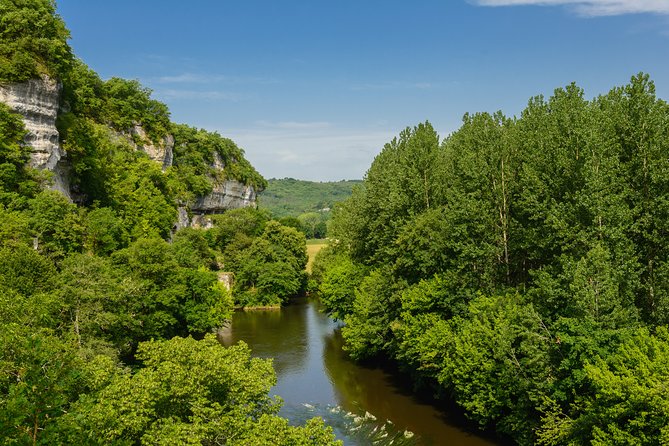
Next is La Roque Saint-Christophe for about 2 hours, and this is where the experience shifts from museum learning to real-world geology and survival.
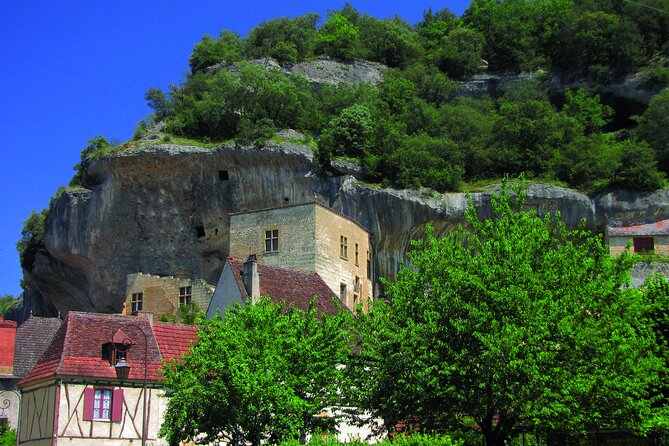
This site is dramatic: a steep limestone cliff with troglodytic shelters—homes made into the rock. Expect guided explanation about prehistoric living spaces and the practical “engineering” that went into using cliffs for shelter.
What I find so compelling here is that it’s not just art. It’s architecture made by necessity. The guide helps you see why people would choose those locations and how the cliff shaped daily life.
Practical note: this stop is still part of a full-day schedule, so you’ll want comfortable shoes. Even if you’re not doing anything extreme, you’ll be moving and paying attention.
Lunch Time in the Montignac-Lascaux Area: Plan for What’s Not Included
You’ll have a 2-hour lunch break around the Montignac-Lascaux area. Lunch itself is not included, but your guide typically provides recommendations—or you can choose your own place.
A smart move here: don’t overthink lunch. The day is long, and you’ll be heading into colder caves later. Aim for something filling but not painfully heavy, then use the rest of the break to top up water and buy a warm layer if you forgot one.



Stop 4: Lascaux IV and the Reality of English Cave Access
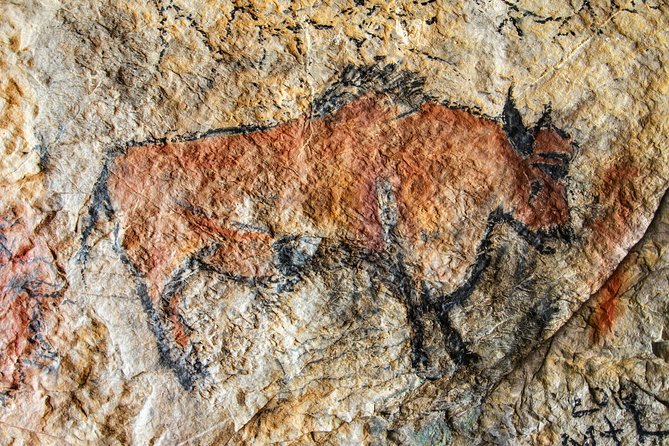
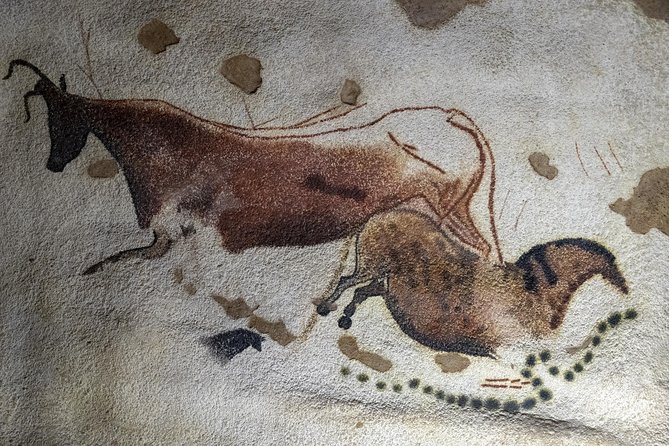
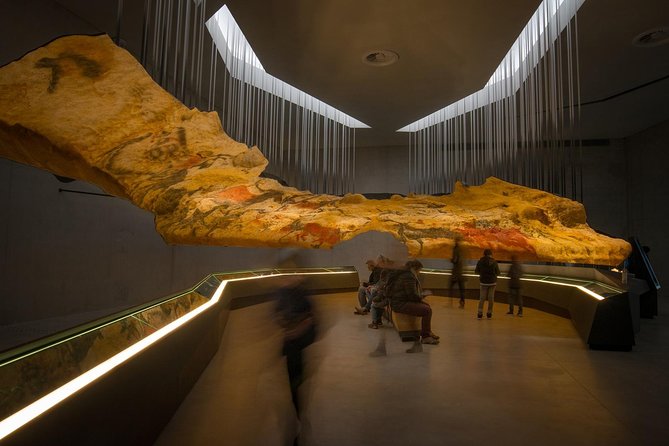
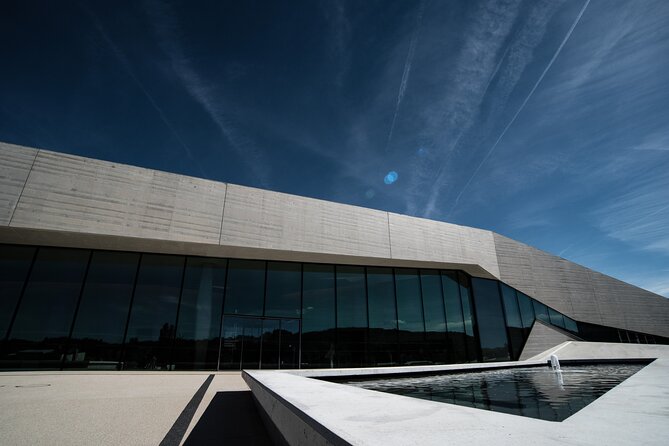
The final and most famous portion of the day is Lascaux IV, where you spend about 3 hours. This site is a complete new replica of the decorated cave experience—built to bring the famous wall art and the feel of discovery to modern visitors.
Lascaux IV is also where you need to manage expectations about language. Here’s the honest situation: English cave tours are very limited, and most visits are in French. The guide can explain the cave before and after, but simultaneous translation is strictly forbidden inside.
So what’s the best way to experience it in English?
- Treat the pre-cave orientation as your “decoder ring.”
- Listen closely, take mental notes, and then enjoy the art as a visual experience once you’re inside.
- If you’re traveling with teens or art-minded adults, this tends to work well because the visuals don’t require every word to land.
Also, Lascaux IV can be crowded compared to the calmer prehistoric sites. That’s not the tour’s fault—it’s just how famous this place is. The upside is that the modern museum experience helps explain technique and meaning in a way that feels accessible, even if the cave itself is a controlled, timed environment.
What I’d Watch For: Stairs, Temperature, and a Long Day
This tour is built around real sites, and that comes with constraints.
- Caves are cold: about 13°C / 56°F. Bring warm layers, not just a light jacket.
- Stairs are involved: it’s not indicated for guests with mobility issues because of climbing.
- No pets on the tour.
- Children policy: kids must be accompanied by an adult, and children under 4 aren’t allowed.
And then there’s the “long day” factor. Nine hours can be a lot if you hate being on a schedule. But if you’re the type who wants one well-run day rather than five half-planned attempts, this format often feels satisfying.
Group Size and Guides: Why This Day Usually Lands Well
One of the strongest reasons people rate this highly is simple: the group is capped at 8 travelers. That changes the tone. You’re not lost in a crowd. You can ask a question. You’re more likely to get the guide’s attention, especially during transitions between museum and caves.
The other repeated theme is the guide’s role in making prehistory feel understandable. Names that show up in strong praise include Anne, Benoit, Martin, Florence, and Marion—often described as friendly, professional, and good at turning big timelines into something you can follow.
I also think it’s worth noting a cave reality: even with an English-speaking guide, the English experience at the cave can vary depending on who is handling interpretation inside Lascaux IV and the limitations on translation. So if language is your top priority, choose the English option carefully and be ready to lean on the guide’s explanations outside the cave space.
Who This Tour Fits Best (and Who Might Prefer Another Plan)
This is a great fit if you want:
- a guided, structured day that handles tickets and timing
- a museum-to-cave flow that helps you understand what you’re seeing
- a small group day that feels calmer than big bus tours
It’s less ideal if you:
- have mobility limitations and need step-free routes
- hate cold environments and forgot to pack layers
- want maximum flexibility to linger in one place longer than the schedule allows
Should You Book This Caves-and-Prehistory Day from Sarlat?
If you’re coming to the Dordogne for cave art and you don’t want the stress of coordinating timed entries yourself, I’d lean yes. The value improves when you factor in what’s included: museum and cave entrances, plus guided interpretation that gives the sites meaning, not just images.
Book it if you’re ready for a long day and you can handle stairs and cool cave temperatures. Pass on it if stairs and cold make you miserable, or if you need a fully English, live translated experience inside Lascaux IV no matter what.
In the end, this is the kind of tour that helps prehistory stop being a vague concept and start feeling real—stone, shelter, and art in a single day.
FAQ
How long is the Dordogne day tour from Sarlat?
It runs for about 9 hours (approx.).
What’s included in the ticket price?
You get an English-speaking qualified driver guide, live commentary on board, a professional guide, and entrance fees to the National Museum of Prehistory, La Roque Saint-Christophe, and Lascaux IV.
Is lunch included?
No. Lunch is a break time, and meals are not included.
Is the tour offered in English at all stops?
The tour is offered in English, but English tours of Lascaux IV are very limited. The guide will explain the cave before and after because simultaneous translation inside the cave is not allowed.
Is this tour suitable for people with mobility issues?
No. The visit includes climbing stairs, so it is not indicated for guests with mobility issues.
Are children allowed?
Children must be accompanied by an adult, and children under 4 years old are not allowed.
What is the cancellation policy?
You can cancel up to 24 hours in advance for a full refund. If you cancel less than 24 hours before the start time, the amount paid is not refunded.